Get in touch with Kitech Company

PET Bottle Washing Line
PET Bottle Washing Line — Industrial Recycling Solutions
KITECH designs and manufactures first class PET bottle washing lines that convert used PET bottles into clean PET flakes. With over 25 years experience of plastic recycling machines, our modular wash lines can be found in recycling plants in 80 countries.
Get a Free Quotation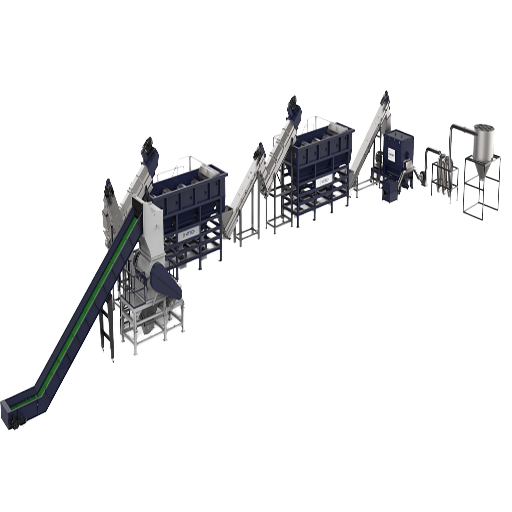
500–0
kg/h Capacity0+
Years Experience0+
Clients Worldwide0
Countries ServedWhat Is a PET Bottle Washing Line?
A PET bottle washing line is an all-in-one industrial solution developed to transform post-consumer plastic bottles into high-purity PET flakes ready for industrial reuse through a systematic purification cycle.
The line processes bales sourced from MSW or scrap collection, utilizing mechanical and thermal washing steps to strip out contaminants—including labels, glue, grit, grease, and metallic impurities.
Engineered for high-throughput efficiency, KITECH’s modular platform ensures every system achieves maximum cleanliness with a focus on durability and reduced operational distance.
End-Market Applications
Produce high-quality flakes for bottle-to-bottle recycling, polyester fiber, strapping, or thermoforming. Quality is guaranteed by our modular washing technology.

How Our PET Bottle Washing Line Works
KITECH standard PET bottle washing line is implemented with a tested process flow that had gone through 20 years of plastic bottle washing line engineering, producing PET flakes from waste bottles and bottle bales. Each step is specially designed to remove each specific contaminant while optimizing throughput rate. The whole process includes:
1
2
3
4
5
6
7
8
9
Key Components of KITECH PET Washing Line
All PET bottle washing lines of KITECH are modular construction based on a proven but customizable range of separately constructed modules, as opposed to integrated processes. Optional equipment such as an air classifier can be added for enhanced separation. Each individual module has the flexibility to operate independently and also makes combining the modules a very simple process. Please look at the following, as shown below, the standard modules and their specifications…
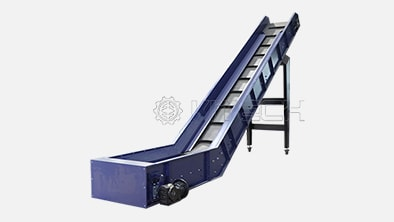
Belt Conveyor
Feeds PET bottles at a speed intermediate on a single line. Heavy duty construction made for all day work in the factory. A variable speed drive has the flexibility to control feed rate.
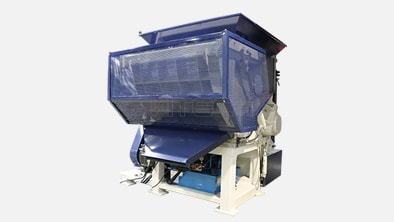
Shredder
Initial breaking down of whole PET bottles using a grinder. Designed for fast and heavy duty operation with hardened steel cutting surfaces and hydraulic drive.

Crusher
Breaks down PET bottles to flakes (roughly 12-18mm). Built from stainless steel and made with hardened blades to show resistance to wear. Dynamic balance adjustment technology and inverter driven motor.

Label Remover / Trommel
Separates paper labels and other dirt particles present on PET bottles. Rotating drum design with variable screen aperture size. Placed before and after the bottle breaking process in order to lower downstream contamination.
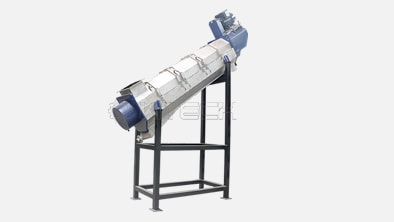
Friction Washer
Fast, high energy materials process for detaching labels, visingdirt or other residual surface contaminants on the PET flakes. Made from stainless steel.

Hot Washer
Nuclear cleaning process while chemicals are applied at a temperature of around 80-90 degrees centigrade. Caustic soda solution is used in order to attack and change even the most stubborn glues, oils and adhesive residues are broken down for maximum clean-to-market viable product produced. Body temperature is controlled in this insulated vessel.

Centrifugal Dryer
Processes the water content until showing no residual surface moisture in a highly efficient machine that can run at impressive volumes. Moisture content drops to about 2-3% then followed with a hot air pipe oven for final moisture reduction to 1% or less.
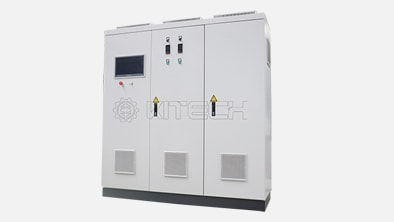
PLC Electrical Cabinet
An intelligent PLC controller with computer enabled operation. The use of the same high quality components from the brands used worldwide. Use of multiple by-pass circuits to the safety circuit. Central control and monitoring of the entire line to output machine.
All conveyor systems, screw conveyors and transfer equipment use wear resistant stainless steel design, triple sealing, external bearing arrangements – this engineering solution reduces maintenance downtimes and extends operational lifecycle in the aggressive recycling environment.
PET Recycling ROI Calculator
Estimate your return on investment with a KITECH PET bottle washing line.
Enter your operating parameters to see projected profitability over 5 years.
Operating Parameters
Investment Returns — KT-1000
Annual Revenue
--
Annual Profit
--
Payback Period
--
5-Year ROI
--
Annual Cost & Revenue Breakdown
| Item | Annual Amount |
|---|
These projections are based on your inputs. Actual results vary by region and feedstock quality.
Contact our team for a tailored quotation.
Calculations use mid-range investment estimates. Maintenance costs estimated at 3% of investment per year. All figures are projections for planning purposes only.
Hot Wash vs Cold Wash PET Recycling Lines
One of the key factors is when defining PET bottle washing line specifications is whether hot wash is included or not – this decision depends on input material grade quality, desired output parameters and end market requirements. Here is the head-to-head comparison based on the engineering experience gathered during hundreds of full scale line installations:
| Parameter | Hot Wash Line | Cold Wash Line |
|---|---|---|
| Wash Temperature | 80–90°C | Ambient (15–30°C) |
| Chemical Agent | Caustic soda (NaOH) solution | Water with optional surfactant |
| Adhesive Removal | Excellent — dissolves most adhesives and glues | Moderate — removes loose adhesives only |
| Oil/Grease Removal | Excellent | Limited |
| Output Flake Quality | Higher purity, suitable for bottle-to-bottle and food-grade downstream | Standard purity, suitable for fiber, strapping, sheet |
| Energy Consumption | Higher (heating requirement) | Lower |
| Water Treatment | Requires wastewater treatment for chemical discharge | Simpler water treatment requirements |
| Capital Cost | Higher | Lower |
| Operating Cost | Higher (energy + chemicals) | Lower |
| Best For | Heavily contaminated input; high-value end markets | Cleaner input streams; cost-sensitive operations |
PET Bottle Washing Line Applications & Output Quality
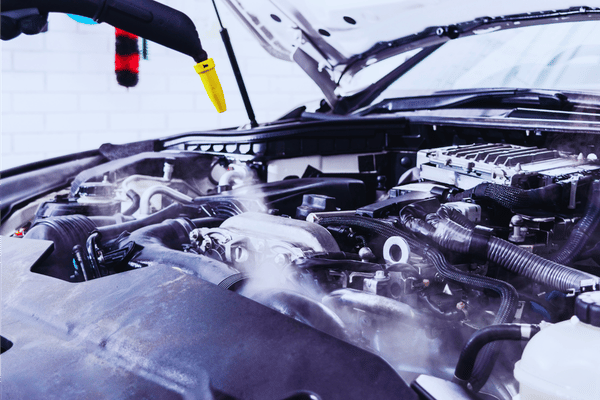
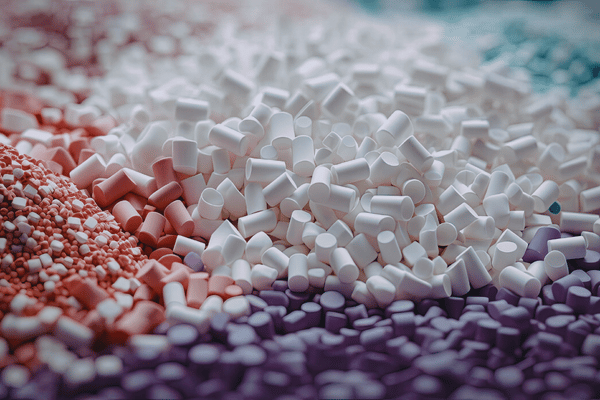
Output flakes from a KITECH wash line meet all downstream markets requirements. Output quality parameters vary within tolerable limits like moisture content, PVC contamination level, color composition and Viscosity injected power to allow the meeting of the output delivery criteria.


PET Bottle Washing Line Capacity & Models
KITECH develops PET bottle wash lines according to the five capacity categories. Each line can be supplied with various configurations, depending on the contamination levels of input material and the specifications of downstream end product requirements.
| Model | Capacity (kg/h) | Recommended Application | Typical Line Length | Power Range |
|---|---|---|---|---|
| KT-PET-500 | 500 | Startup / small-scale recycling | ~30 m | ~80–120 kW |
| KT-PET-1000 | 1,000 | Mid-scale recycling plant | ~40 m | ~150–220 kW |
| KT-PET-2000 | 2,000 | Industrial recycling facility | ~50 m | ~280–380 kW |
| KT-PET-3000 | 3,000 | Large-scale recycling operation | ~55 m | ~400–520 kW |
| KT-PET-5000 | 5,000 | High-volume industrial plant | ~65 m | ~600–780 kW |
PET Bottle Washing Line Price & Cost Factors
Price Transparency is my KITECH core principle. Though there is no definite price list of PET bottle washing line-production for I cannot give you a fixed price as it is all customized ordered line. But I will do my best to give you some reasons that determine the prices so I could make the proper choice among them:
Capacity
What is required for higher capacity? Larger size machinery, higher capacity motors and heavier foundation structure. 5000kg/h line is obviously more expensive than 500kg/h line.
Hot Wash Inclusion
Cost increase with additional hot washer module:as pic, estimated price adding 15-25% of the total cost, but it is putting your products to the higher value exporting market, the ROI should be calculated from the market and type of your desired end product and the current market price favorable of this kind of flakes.
Component Configuration
Process size increase:more process steps such as double friction washer, two sets sink float tanks, drying process stage etc, the effect and cost both increase. But our engineer will help to figure out the minimum cost of the process line to meet your target product quality.
Automation Level
PLC control to specific SCADA computer system with remote control. Price difference. Automation is less labor cost, so the line will be more efficient in the long run.
Cost of KITECH PET bottle washing line with typical OEM quotation: minimum Entry level PET bottle washing line (500kg/h-800kg/h, cold wash only) seems in the range of USD 80,000-USD 150,000 FOB; Industrial scale PET bottle washing lines (3tons-5tons with hot wash) can ranged from USD 300,000 up to 800,000 USD or more depending on the process size and configuration. These figures are rough order of magnitude only to provide some kind of pricing guide. Variations on the process price will be clearly presented in you quotation from KITECH.
A note on project costs and the PET bottle washing line:
the price of the wash line purchase usually represents only 30-40% of the full investment of the project. Additional site preparation for managing plastic waste, water treatment system, electrical system, building reduction, working capital for purchasing raw material and so on, are the big expenses of the project and possible to be accidentally omitted from the business plan. We especially remind when some projects cannot success because of this point.
Request a Detailed Quotation for Your PET Recycling Project
Our engineer team will provide the proposal with proper equipment specifications, layout drawing, and itemized transparent cost estimate based on your detailed project requirements.
Request QuotationKITECH Pet Bottle Recycling Machine Workshop Gallery
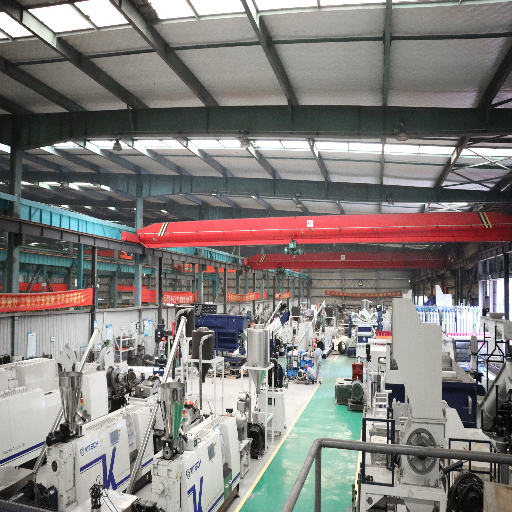
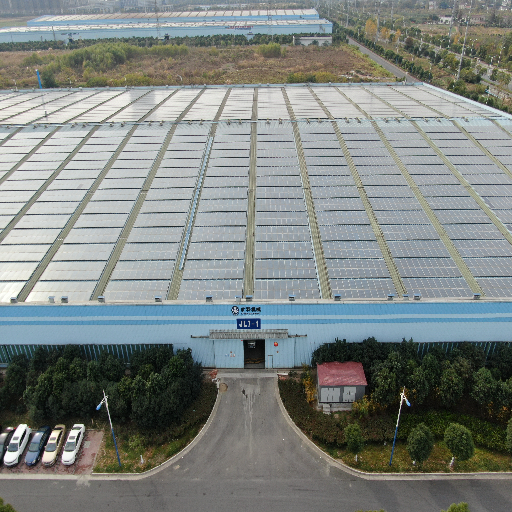


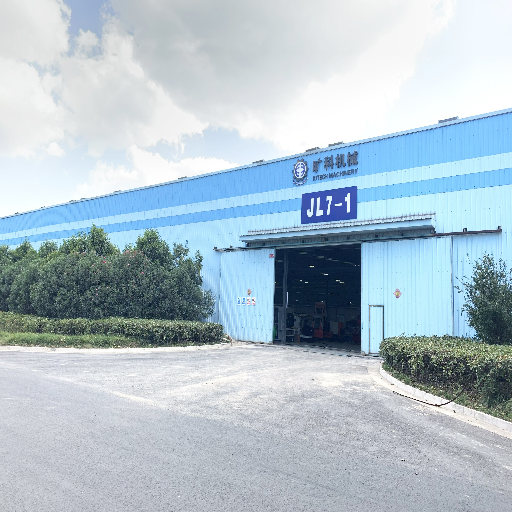
KITECH Bottle Recycling Machine — Engineering & Service
KITECH - Jiangsu Kitech Machinery Co., Ltd - has been engineering mechanical equipment for plastic recycling industry in over 25 years. Our PET bottle washing lines are CE, UL, and CSA approved to satisfy clients worldwide in every aspect.
Manufacturing Excellence
All of the main components are built within our own factory using CNC machine tools. Dynamic balancing processing for all rotating parts with only 3-5g deviation in its balance. Less vibration, longer bearing life. We familiar with the ISO 9001 quality controls management.
60-Day Delivery Guarantee
KITECH will provide you with factory delivery in 60 days after the confirmation of the purchase order. This is because we keep the key components inventory for dry run and enhancement of the production schedule.
Installation & Commissioning
We have highly experienced field service engineers to install and commission our systems on-site at your facilities. Our services include mechanical installation supervision, electrical interconnection checks, process parameter tuning, and on-site operator training over 2–4 week periods dependent on plant line complexity.
24/7 After-Sales Support
KITECH provides Customer support 24/7 using our cloud-based intelligent PLC monitoring infrastructure. We keep spare parts in stock for rapid shipment in the event of hardware failure and deploy our service engineers worldwide as needed. Our warranty is non-proprietary, protecting your investment by covering manufacturing defects, and we offer extended service contracts during the critical start-up period.
Case Studies — PET Bottle Recycling Projects
Southeast Asia
Beverage Recycling Plant — Indonesia
Following growing concerns in the region over use of foreign-built systems which in the event of breakdown could not be supported locally, and a need to improve processing ability the client commissioned a PET bottle washing system to be installed at one of their processing facilities in Southeast Asia. Our advanced hot wash, sophisticated washing technology and modular design solution provided required improvements while minimizing plant modifications.
Fuelled by the desire to increase fiber dryer capacity with our customer focused modular frame designs, KITECH specified and supplied a 3,000kg/hr PET bottle washing system. The system includes 3 hot wash stations, 4 friction washers, and a new Sink Float Separation section to handle the increased throughput. Our team installed the system on site over 4 weeks, providing full operator training and adoption of our newly designed PLC.
This plant regularly produces output of 1% moisture (by weight) and PVC contamination levels below 100ppm, however we work closely with our customers to design very aggressive washing solutions to hit industry specifications for virtually any application. This system consistently performs without fault, and it.
Europe
Waste Management Company — Germany
Another European customer contacted us, this time looking to modernize and upgrade a 3,250 kg/hr PET washing system which had been purchased from other OEMs eleven years ago. Their investigations with us showed that their throughput was no longer competitive, their operating costs were exorbitant and their output quality was inconsistent and not meeting the targets specified by their polyester fiber customers.
The project had some specific constraints for us to work within, requirements for the existing footprint to be reused to avoid building modification, and decreased water allocation within the plant. Our design proved that the existing structural supports would be able to carry one half of a dual feed hot wash system, and that we could reuse existing drainage and electrical systems as well.
This project gave us an interesting opportunity to minimize the plant's primary water intake within the new system by using our new Closed Loop Water Recycling technology. We thermally treat a significant portion of the process water to concentrate contaminants. Closed loop treatment drastically reduces the amount of wastewater being discharged, while saving our customer money on the water they purchase into their plant. We also configured their new system to reusage much of their caustic hot wash powder, again saving money through recirculation.
The equipment was supplied on the 60 day timeline, and the new line was installed during our two-week planned shutdown period. Since the upgrade, the customer reports that the line now produces about 40% greater throughput per hour on less electricity per kilogram of output—this is a result of more sophisticated motors and overall process flow through modern KITECH wash lines.
South America
PET Recycling Startup — Brazil
As a first green-field PET bottle recycler in South America, this new starter has commissioned KITECH as the sole machinery provider. The new PET bottle recycling line is being designed from scratch for high throughput, quick payback, and eventual scale-up of capacity.
1,000 kg/hcapacity
Cold+HotHybrid wash config
45 daysto delivery
18 daysinstallation
<1%output moisture
~98%flake purity
The customer has opted for a combination cold wash - hot washer line with the hot washer not operated apart from maximum contamination batches. This combination of processing proven cold wash line with hot-water boost using hot washer modules minimizes energy consumption while optimizing cleaning performance when demanded. KITECH operators received Portuguese-language training (in person) from our South American network of customer service representatives. Within two weeks of start-up, production reached even the highest target speeds within the first two weeks of operation. Production throughput rates were reached within the first 2 weeks of operation.
Interactive Tools for Your Plastic Bottle Recycling Machine
PET Washing Line Capacity Calculator
Enter your daily processing requirements to find the ideal KITECH washing line model for your plant.
Open Calculator →Hot Wash vs Cold Wash
Answer 5 quick questions about your recycling operation and we'll recommend the right washing system for your application.
Start Questionnaire →PET Flake Quality Checker
Enter your PET flake quality parameters to determine the output grade and qualified applications.
Check Quality →Frequently Asked Questions
Output capacity has a more or less linear relationship with input capacity and can be suited to requirements or application, and, uptime. 500 kg/hr capacity corresponds with a throughput of 300-400 tonnes/month (operating 3 shifts/day). 1250-2000kg/hr machine capacity normally corresponds with the throughput of 800-1300 tonnes/month. 3000-5000kg/hr plant capacities feed 6-10 MT/month lines. KITECH designers & engineers measure your waste stream, contamination level, intended downstream product, and cost expectations, advising accordingly.
A well set-up PET bottle washing line can produce clean PET flakes of moisture below 1%, PVC contamination below 100 ppm, and purity levels usually over 98%. The final quality is a direct function of input material quality, configuration of line (hot wash vs. cold wash), and maintenance schedule and process control. KITECH lines are designed to achieve the specification demanded by top PET flake buyers and downstream converters.
Yes, with the right setup. A hot wash PET line is a critical first step toward food-grade rPET. Full food-contact certification also requires downstream SSP or an FDA/EFSA-approved decontamination stage. KITECH lines produce the premium-grade input these processes need.
Water use varies for capacity and configuration: most modern PET washing lines have washing water recycling set-up that can recover 80-90% water used in the process. Electricity use depends upon power of installed electric motors, uptime, and configuration (hot wash or cold wash). KITECH will provide recommended utility requirements with quotation and our energy efficient motors and drives will minimize operating cost.
Maintenance routine includes: blades sharpening or replacement for shredder and crusher (# 500 to 1000 operating hours depending on contamination and material properties); bearing lubrication; inspection of separation screens and trommel holes; monitoring water quality; general cleaning. Based on experience, the single most important element of maintenance is keeping the crusher blades sharp - dull blades increase energy consumption and raw material heating, which can degrade product quality. KITECH provides detailed maintenance schedules and has a 24/7 remote technical support.
KITECH guarantees delivery in 60 days from order confirmation. Installation and commissioning onsite are usually completed in 2-4 weeks. KITECH assigns field engineers to oversee commissioning and train your operators.
In the right circumstances PET bottle recycling can be a financially attractive venture. Important determinants of profitability are input cost of postconsumer PET bottles, value of output flakes (quality and marketprice), operating cost, incentive schemes, etc. As the sustained market requirement of clean flakes is high, market prices are also attractive. KITECH can outline current market conditions and refer potential recyclers to industry networks.