Get in touch with Kitech Company

PLASTIC PELLETIZING LINE
Plastic Pelletizing Line Built for Scale — Kitech Industrial Systems
Put post-consumer and post-industrial plastic scavenging into high-grade reusable pellets. (100–3,000 kg/h throughput), use-strand, water-ring, or underwater pelletizing technology with PE, PP, PET, and HDPE films and hard plastics.
0
+
Global Clients
0
+
Countries
0
/7
Technical Support
100–
0
kg/h Capacity
What Is a Plastic Pelletizing Line?
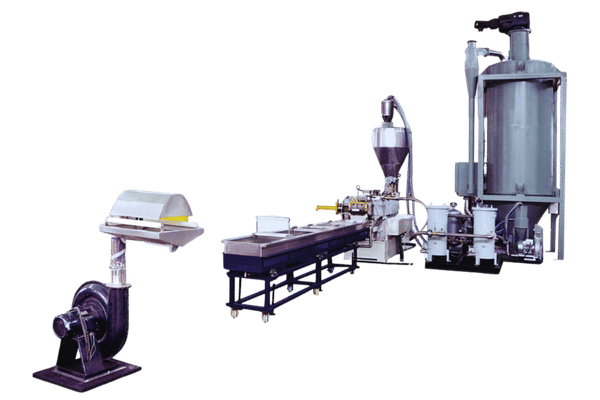
The plastic pelletizer is a complete, integrated recycling system used to transform raw plastic scraps into homogeneous, re-usable high-quality plastic pellets. Separate from the process of plastic recycling itself, the pelletizing process is the last step, after the shredding, washing, dewatering process, where the separated plastic flakes or chunks are melted, filtered, and re-melted to form an uniform resin.
Plastic material enters into the heated, screw extruder barrel. In it, solid particles are turned into liquid, and mixed into one another by a number of screws rotating within the barrel. Next, the mixture is forced into the screen filter to remove foreign materials, passed across the die plate, and cut into small, homogeneous granules. After cutting, pellets are dried, cooled, and collected.
Finished pellets serve as a raw material for downstream processing operations. Since they flow easily in commercial operations into end-use plastic machines such as injection molding, blow molding, and extruders, they are the ideal tradeable form of recycled resin. While raw material is converted into free flowing pellets, the modern plastic pelletizer can take what was once contaminated, variety-pack plastic waste – from municipal collection bins, farm fields, or industrial scraps and packaging – and convert it into a simple, marketable nurdle or pellet product for resale.

Types of Plastic Pelletizing Systems
The selection of a plastic pelletizer system varies according to the source material, output pellet profile, and maximum allowable production rate. Each type offers an advantage; the following four are the systems we produce:
Strand Pelletizing
Working principle: Material is forced through a plurality of perforations by an extruder. Outsides are cooled by a water cooling trough, while the extruder-gear combo chops up the continuous strand extrudates.
Best for: Rigid plastic pellets such as HDPE, PP, and engineering resins.
Trade-off: The greatest advantage of strand pelletizing is that of uniform pellet shape and weight. On the other hand, strand breakages may occur with softer or high-melt-index resins; minimizing strand entry water bath temperature is necessary.
Water-Ring Pelletizing
Working principle: Plastic is extracted from the extruder die face, broken into smaller granules, then forced into a turning impeller that cuts it into small spherical particles. Water in the chamber cools the disc while chips fall with the flow of water and are dried.
Best for: Films, woven sacks, engineering grades.
Trade-off: While not as precise as either strand pelletizing or the underwater pelletizer, a water-ring pelletizer will produce spherical pellets at a reasonable price.
Underwater Pelletizing
Working principle: Material is extracted from the extruder die face and catapulted downward into a die face. As it cools, it loses its angular shape and takes on spherical shape. Water downstream cools the pellet as needed.
Best for: Automated, high-volume lines of round PET, PE, PP.
Trade-off: The exotic cost and maintenance of a machine that must be submerged somewhat balance its high throughput qualities. Water cooling is not as aggressive as in other systems; tooling wear can be high.
Cutter Compactor Pelletizing
Working principle: A cutter compactor recycling unit firstly pre-treats low-bulk-density materials (films, raffia, EPS foam) by cutting and friction-heating materials in a rotating chamber then transfers materials directly into the extruder.
Best for: Lightly printed films, woven sacks, and contaminated post consumer plastics that require pre densification and degasing.
Trade-off: The compactor increases cost and floor space, but it replaces a separate densifier, reduces downtime and can process materials that will otherwise starve a normal feeding system.
Your feedstock dictates your pelletising system needs. A pelletizing line is used to produce plastic pellets from many different plastic materials, and each system is suitable for recycling specific resin types. We help buyers select the most appropriate technology for their particular project during consultancy.
Key Components and How a Pelletizing Line Works
Understanding what each machine station does in a pelletizing line will help you write better technical specifications when requesting quotations. The extrusion process combines feeding, melting, filtration and pelletizing into a single continuous operation. Once you do know how each stage works, it will help you select the right extrusion equipment.
The process flow from raw input to finished pellet output is as follows:
Feeding System
Extruder
Melt Filtration
Die Plate
Pelletizer / Cutter
Cooling & Drying
01 /
Feeding System
All feeding equipment supply material to the extruder barrel at a known rate. For films and low-density raw materials a force-feeder or cutter compactor will be used to maintain a uniform throughput. Poor feeding is a major cause of variation on recycling extrusion lines.
02 /
Extruder — Single Screw and Twin Screw
The foundation of the line is the extruder. A single screw extruder consists of a heated barrel around which turns one screw designed to feed, plastify and homogenize the material. Single screw extruders are easily dominated within the recycling processes – they are consistent, high quality, use less energy and have a straightforward operation. Surrounding the barrel of a screw extruder, are a number of heating zones which determine the temperature settings depending upon the resin.
Twin screw extruder involves twin intermeshing screws, which provide better mixing as well as venting. Twin screw system is more appropriate for the situations involving severe contamination or mixed polymers for more aggressive degassing operations. But if clean, single polymer post-industrial scrap is to be processed, single screw extruder generally provides better energy efficiency/kg output.
Most seasoned operators tend to change their screw rpm using melt pressure readings rather than static RPM charts. This has the effect of maintaining a more consistent extrusion when density fluctuates between runs.
03 /
Melt Filtration
Prior to the extruder, plastics are fed through a screen changer or continuous filter to eliminate impurities such as paper, ferrous objects, wood and burnt polymer etc. Kitech’s Auto Self-Cleaning Laser Filter offers the benefit of continuous filtration without turning off the extrusion line for the screen change.
04 /
Die Plate, Pelletizer, and Cooling
After transmission of molten plastic through a die plate, material is cut into uniform pellets (also called nurdles or beads in the industry) by the pelletizer. Pellet granules are then cooled and dried as per the pelletizing method by water bath, air blower or centrifugal dryer. From there, pellets move to a silo or a bagging station.
Materials Processed by Our Pelletizing Lines
Kitech pelletizing lines handle PE, PP, PET, HDPE, PS, PVC and numerous other types of resin in the various forms seen in recycling enterprises. Here are the types of material usually processed on our plants:
PE — Polyethylene (LDPE / LLDPE)
PP (Polypropylene)
PET (Polyethylene Terephthalate)
HDPE — High-Density Polyethylene
PS (Polystyrene)
PVC
EPS Foam
Film and Soft Plastics
There are many types of plastics that are highly recycled. These include plastic film (agricultural mulch film, stretch wrap, shopping bags, shrink film). Water-ring and cutter compactor pelletizing systems are the preferred.23Production rate is reduced by approximately 15-20 percent when using post-consumer film. Higher levels of moisture and contamination in post-consumer film restrict the use of higher screw speeds and increases the frequency of screen changes.
Rigid Plastics
HDPE containers, crates and drums, along with PP furniture and automotive components make up most common rigid plastic feedstocks. Rigid resins like HDPE tend to produce the best pellet quality when strand pelletizing. Each pellet is dense, constant-sized, and acceptable to downstream buyers.
PET Bottles and Flakes
Our PET pelletizing line transforms plastic bottles and plastic flakes into clear or colored pellet outputs. For applications like PET bottle recycling, control of moisture level (often below 50 ppm) is critical, as is operation at higher temperature than polyolefins. Additional crystallization or solid-state polycondensation features provide food- or fiber-grade pellets for fiber manufacturing.
Specialty and Mixed Streams
PS, PVC (including dedicated PVC pelletizing line setups), and an entire range of blended plastic packaging film streams can also be accommodated on more advanced recycling pelletizing system configurations. Success is achieved by matching the right type of granule cutting method and extruder design to each resin’s melt behavior. Our experienced engineering team helps guide this plastic processing and material stream selection, ensuring reliable commodity plastic production from your plastic recycling line.
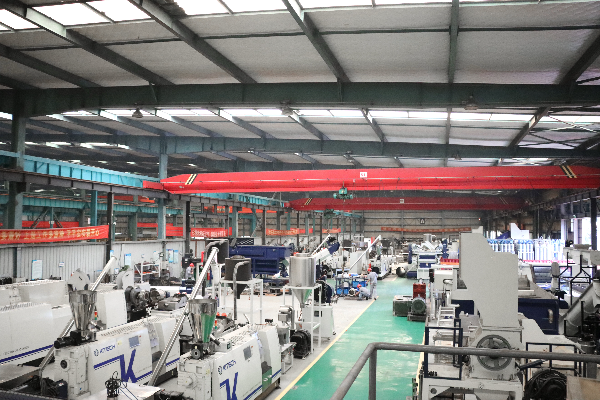
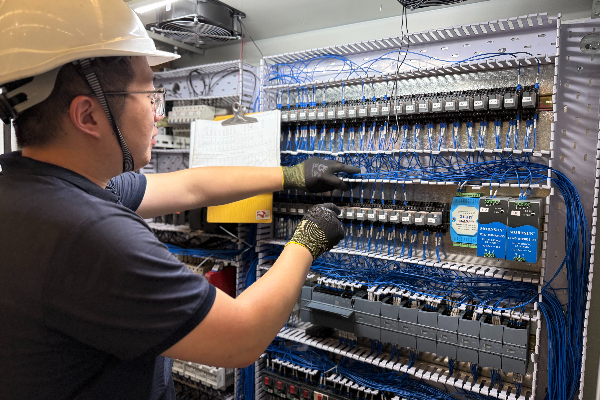
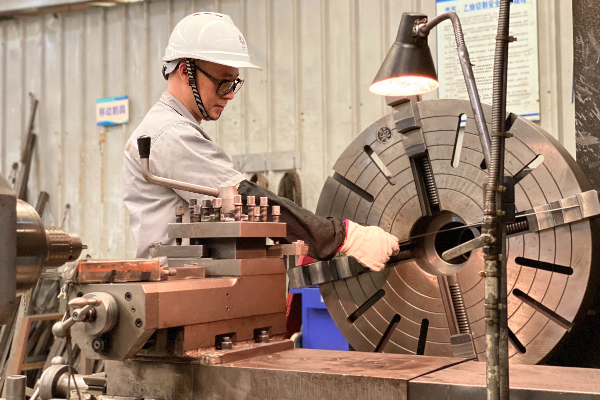
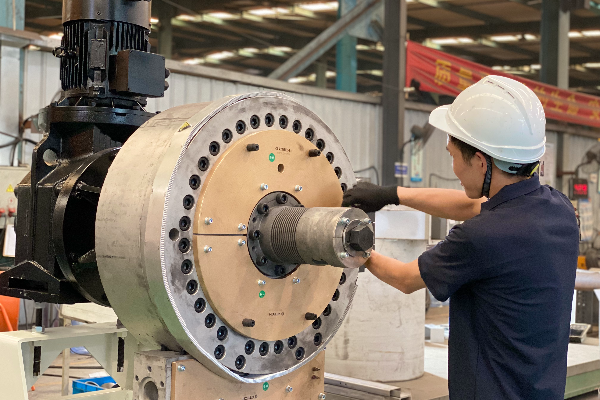
Plastic Pelletizing Line Factory



Applications and Industries for Plastic Recycling Pelletizing Machines
Recycled plastic pellets become part of the raw manufacturing feedstock supply chain in dozens of industries. Various types of plastic materials — from PET plastic bottles to mixed polyolefin scrap — can be used to process pellets that can be used directly in place of virgin resin. Producing high-quality pellets on a properly configured pelletizing line is the reason plastic recycling has become a commercially successful investment.
Key Applications

Injection molding (also known as injection moulding)
Used to produce plastic products such as containers, caps, household items, and automotive components. Injection molding accounts for the largest share of recycled pellet consumption. Pellets are used as raw material fed directly into mold cavities.

Pipe extrusion
HDPE and PVC pellets used in the manufacture of drainage systems, conduit piping, and irrigation tubing.
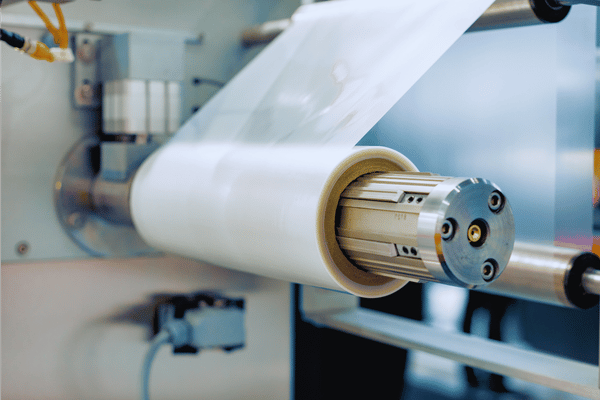
Film production
LDPE and LLDPE pellets feed blown film lines, used to manufacture plastic bags, liners, and agricultural mulch films. These lines are used for various packaging and agricultural applications.
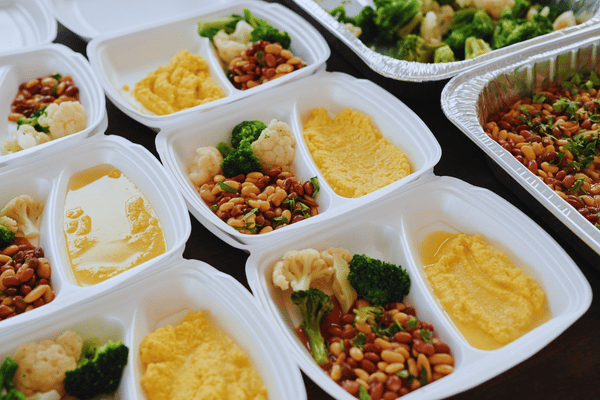
Packaging
Food and non-food containers, trays, and blister packs produced from recycled PET and PP pellets.
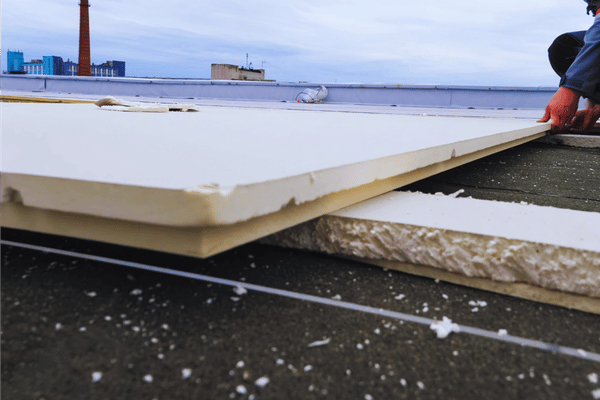
Construction
Lumber substitutes, roofing membranes, and insulation board made from mixed plastic scrap.
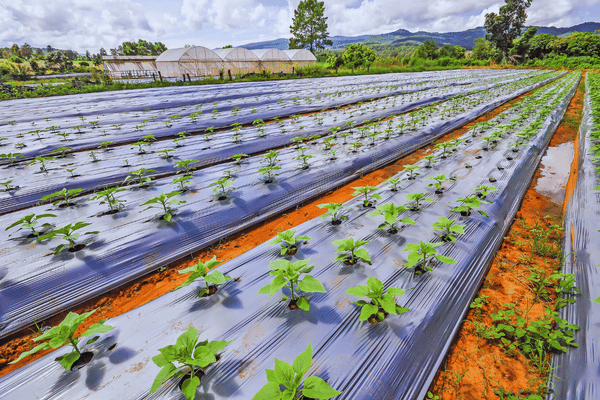
Agriculture
Mulch films, drip tape, and nursery containers from recycled PE.
Our Plastic Pelletizing Machines in Action: Case Studies and Project References
Kitech pelletizing line installations span multiple regions and material types. Here are project references that represent typical configurations and results we routinely achieve in the field.
Southeast Asia — PE Film Recycling
A Southeast Asia post-consumer PE film recycling project processing agricultural and packaging films included some contamination. Our new production line consisting of a cutter compactor feeding a single screw extruder with dual-stage degassing was paired with our water-ring pelletizer. Typical throughput ranged from 400-500 kg/h. Overall processing efficiency jumped 30-40% over existing manual systems. Landfill bound waste was reduced as the post-consumer film was reprocessed into market-building pellets.
Europe — PET Bottle-to-Pellet Line
Material
Post-consumer PET bottles
Capacity
Typically 800–1,000 kg/h
Pelletizing Method
Underwater pelletizing
Output Grade
Food-contact-suitable pellet (with IV recovery)
This European plastic recycling pelletizing facility was designed to handle sorted PET bottle flakes and to produce food grade pellets. Crystallization and solid state polycondensation steps were added to build back the intrinsic viscosity. It is at the top of our scale of solution for the industrial recycling of PET.
South America — HDPE Rigid Plastic Recycling
A South American industrial recycler required to recycle HDPE crates, drums, and containers from post-industrial sources. Rigid feedstock was managed by a large diameter single screw extruder and automated screen changer included in the strand pelletising line. For that type of project an average throughput is between 600 and 800kg/h. Its strand pelletiser produced high density pellets of cylindrical shape with high bulk density to suit pipe and container makers in the region.
Middle East — Agricultural Film Recycling
A short-scope project to process sand-exposed agricultural mulch film from a Gulf-region recycling plant. Kitech’s Auto Self-Cleaning Laser Filter was essential in this environment, dealing efficiently with the high particulate count without excessive line stops. Our pelletizing line was engineered to incorporate forced feeding with a rugged melt filtration system.
Plastic Pelletizing Equipment: Technical Specifications and Capacity
Kitech develops complete pelletizing line systems of Kitech plastic pelletizing line models providing capacities from 100 Kg/hr to 3000 Kg/hr. Some specifications are listed below as an example only – performance differs depending on polyolefin, other material, and line conditions (unlike sintering or compression processes, melt extrusion pelletizing preserves polymer chain length). We manufacture every pelletizing machine adapted to customer’s material specifications and capacity needs.
| Model Series | Screw Diameter (mm) | L/D Ratio | Motor Power (kW) | Output (kg/h) | Suitable Materials |
|---|---|---|---|---|---|
| KT-65 | 65 | 32–36:1 | 37–55 | 100–200 | PE film, PP raffia |
| KT-85 | 85 | 32–36:1 | 55–90 | 200–400 | PE, PP, PS |
| KT-100 | 100 | 33–36:1 | 90–132 | 300–600 | PE, PP, HDPE rigid |
| KT-120 | 120 | 33–36:1 | 132–200 | 500–800 | PE, PP, PET, HDPE |
| KT-150 | 150 | 34–38:1 | 200–315 | 800–1500 | PE, PP, PET, HDPE, PS |
| KT-180 | 180 | 34–38:1 | 315–500 | 1500–3000 | All standard resins |
All models of pelletizing machine are equipped with automatic pelletizing work as a standard operation, and PLC control. The extrusion machines and recycling machines of each pelletizing extrusion lines can be customized -all screw geometries, barrel patina’s and filtration capacity are designed with your feedstock in mind.
Why Choose Kitech as Your Pelletizing Line Manufacturer
Kitech is a manufacturer, not a trading company. Each plastic pelletising machine, recycling pelletising system we supply is designed, constructed and tested in our own facilities. Here is something that differentiates us from our competitors:
Complete Recycling Solutions
We provide a solution for recycling plastic waste from start to finish — shredding, washing, drying and pelletizing from a single source. One engineering team will design your whole line, and we’ll fabricate all the parts with integrated systems in mind. No passing the buck from one supplier to another.
500+ Clients, 80+ Countries
Our plastic recycling machines are installed all over the world—six continents. This installed base means we have faced (and overcome) material and operating issues in almost every possible setting, from rainforest humidity to high desert temperatures.
Auto Self-Cleaning Laser Filter
Kitech’s proprietary laser-perforated filter is technology for continuous melt filtration where screens do not need to be periodically changed. This makes it ideal for recycling use of post-consumer material, especially where the contamination is high, as downtime and labor are minimized.
Factory-Direct Pricing
By buying direct off our manufacturing plant, there is no trading-company markup. For the same price you can buy a high quality pelletising line, not a share of a high quality pelletising line, at a factory cost plus margin – not multiplying cost across many traders.

Technical Resources
Plastic Pelletizing Line Solutions
Use the tools below to configure system specifications, compare extruder models, and calculate operational ROI for your recycling facility.
-
System Selector
Determine the required machine configuration based on your input material, moisture content, and target hourly output.
Open Tool -
Model Comparison
Review technical parameters side-by-side, including motor power, L/D ratios, and physical dimensions of different pelletizer models.
View Data -
ROI Estimator
Estimate project payback time by calculating energy consumption, labor costs, and estimated pellet resale value.
Start Calculation
Frequently Asked Questions
What is a plastic pelletizing line?
A plastic pelletizer is found in an industrial setting to degrade plastic scraps – films, flakes, broken rigid plastic – to specialized pellets. These are then ready for later reuse. The scrap material is fed into an internal feeding system and enters an extruder. Within the extruder, heat and the pressure of the screw melt the plastic material then it is forced through a filtration system and through a die plate. The die plate is the location of a cutting machine that compresses the plastic material into pellets. Once they have cooled and been dried, the pellets leave the pelletizer and go to the manufacturers that will later do the injection molding, blow molding, pipe extrusion, and film manufacturing.
How does a plastic pelletizer work?
Molten plastic is extruded through a die plate and cut into small chips by a rotating blade. These are then cooled and solidified as finished pellets using water or air.
What are the different types of pelletizing systems?
There are four main types; strand pelletizing, water ring pelletizing, under water pelletizing and cutter compactor systems. In the strand system the material is cooled, solidified and cut into pellets separately whereas in the water ring system these three steps are carried out at the die face in an external water curtain and in the underwater system they are carried out while the material is fully submerged in water giving a rounded pellet. Re-grind material with a low bulk index is pre-densified in the cutter compactor system and then extruded.
What is the difference between strand pelletizing and underwater pelletizing?
In strand pelletizing, strands of plastic are extruded and cooled in a water bath before passing to a second cutter that reduces them to cylindrical pellets. In the underwater pelletizer the cutter is located – and the pellets are cut – below the die face. pellet produces rounder, more uniform pellets. Due to the simplicity of strand systems the level of operator involvement required is low, making them ideal for rigid plastics at medium levels of throughput. While underwater equipment is much more expensive, the higher quality of pellets produced, and the reduction in operator involvement justify the extra capital on lines operating above 800 kg/h.
What types of plastic materials can a pelletizing line process?
A line capable of pelletizing PE (LDPE, LLDPE, HDPE), PP, PET, PS, PVC, and ABS type plastics. Typical input form factors are film, rigid packaging, bottles, flakes, foam, and woven bags. Choice of system and extruder design is determined by the general resin, melt temperature, and contamination levels of the input feedstock.
How do you turn plastic waste into pellets?
Start by sorting and cleaning the plastic waste, then shred it and direct it into an extruder. Heat causes the plastic to melt, then filters out any contaminants present, then the raw output is used to feed a pelletizer whose rotating knives cut the output into pellets. Recycling plastic waste this way produces pellets that can be used as direct replacements for virgin resin.
What is a cutter compactor pelletizing system?
Specialized pelletizing systems that combines a die-face cutter with a compacting and pelletizing system uses a rotating blade assembly in a cylindrical chamber to cut, friction-heat, and compact low-bulk-density plastic – such as films and woven bags – before being treated by an extruder. The pre-treatment step increases the molecular density of the material, reduces the wear of subsequent processing, and ensures a constant feed rate to the extruder. Recycling operators depend on this process to pelletize difficult post-consumer inputs.
What is the difference between a single screw and twin screw extruder?
A single screw extruder consists of one-screw system. This design is most prevalent in plastic pelletizing systems due to its simplicity and reliability. Twin screw extruders feature two intermingling screws which provide more superior mixing and degassing capabilities. This type of extruder would be selected when heavily contaminated or complex blends are involved requiring more intense processing.
What capacity range is available for pelletizing lines?
Offering between 100 kg/h and 3 000 kg/h, Kitech pelletizing lines are scalable to meet your operation’s demands. Our KT-65 is enough for small recycling setups; our KT-180 is ideal for large industrial demand. The amounts produced will vary depending on the input resin, in particular moisture content and contamination degree. Washed post-consumer of film yields lower hourly output than uncontaminated post-industrial feedstock.
How much does a plastic pelletizing line cost?
KITECH systems start at around $15,000 for basic pelletizing setups, with larger industrial-scale lines priced higher based on output capacity, input material, pelletizing method, and automation level. Contact us directly for exact pricing—trade-firm rates are available through our international channels.
What industries use recycled plastic pellets?
More than half of the demand for recycled plastics pellets goes toward packaging production. The automotive industry, consumer products, and landscaping functions follow along similar numbers. Typical downstream processing equipment includes injection molding, blow molding, pipe extruding, and film extruding.
What after-sales support does Kitech provide?
Kitech provides support 24/7 by the means of telephone or e-mail, and can provide on-site operator training, equipment service, spare parts, and upgrades. Our support extends to over 80 countries.
Trending now