Get in touch with Kitech Company

AGS Single Shaft Plastic Shredder — Industrial-Grade Size Reduction for Recycling Lines
Designed to operate in over 10 hours daily for plastics recycling. Low speed high torque rotor with hydraulic ram pusher for consistent particle size for rigid and flexible materials – HDPE drums, PE film baled, etc.
74
RPM Rotor Speed
37–150
kW Motor Range
500+
Global Clients
CE UL CSA
Certified
What Is a Single Shaft Plastic Shredder?
The workhorse of current plastics recycling lines – designed for controlled, repeatable size reduction.
01
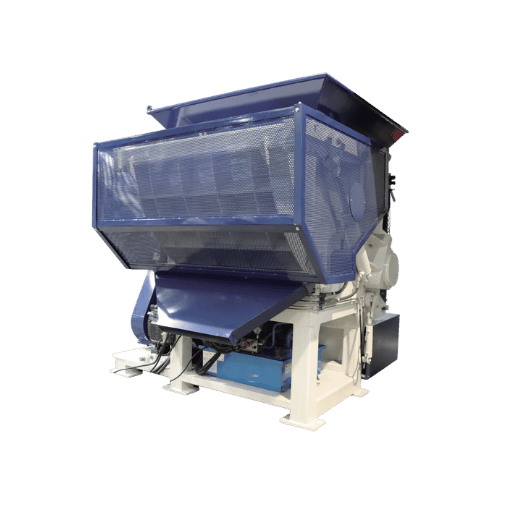
The single shaft shredder is a rougher industrial machine that shreds extra-large, very large, high bulk, or heavy plastic waste to a consistent size of shredded material for process downstream. The single shaft shredder (instead of dual shaft shredder / four shaft shredder) utilizes 1 rotating rotor and the hydraulic ram pusher together with the counter knives work fluidly on the basis of the screen controlled—this is the key for every recycling processes.
02
In most plastic recycling lines, the single shaft shredder is positioned at the beginning of the process. Granular or bulky source materials such as post-consumer HDPE bottles, rigid PP crates, PVC pipe off-cuts or baled PE film are fed into the hopper. The machine first reduces the source waste to a size that can be fed through conveyors to other processing machines such as granulators or washing lines.
03
KITECH AGS series is our general purpose single shaft shredder platform that starts from 840mm and ends at 1960mm wide cutting chamber. The AGS line was designed on the European concept: overdimensioned bearings, oil-cooled hydraulic package, bolt-in drive shafts to facilitate maintenance without reducing framework strength. All the AGS units are delivered with CE, UL and CSA certification. 5 models of 37 kW – 150 kW are available, it is suitable for installations with output from few hundred Kg/hr to multi-ton industrial throughputs.
How Does a Single Shaft Shredder Work?
Four mechanical stages downsize the lump plastics just like the screens 74 rpm, max torque.
01
Material Loading
Bulk plastic scrap is supplied to the cutting chamber via the hopper. The feeding line can be hand or auto fed via a belt conveyor or via an automated tipper depending on line layout. The generous cutting chamber size (up to 1,960 mm wide) allows full bales, drums and long pipe sections to be fed without pre-cutting.
02
Hydraulic Ram Push
Once material is in the chamber, the hydraulic ram pusher is activated. This bings the stock against the rotating rotor with constantly controlled force in proportion to the load. ‘The system’s intelligent hydraulics control both the ram speed and ramming pressures. The speed and pressure of the ram increase automatically’ depending on the volume of film.
03
Rotor Shearing
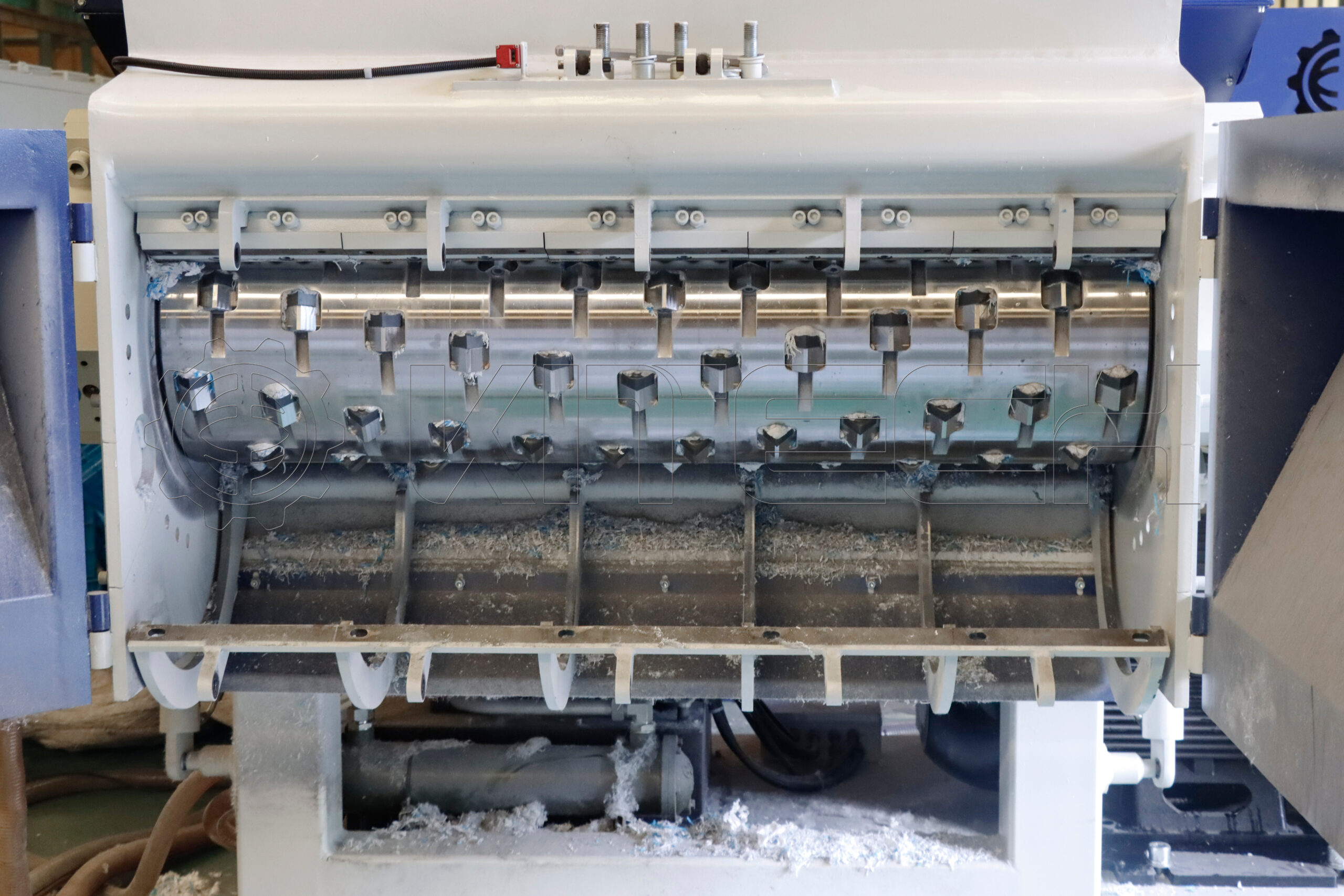
Spinning at 74 RPM, the rotor (a large diameter profiled solid steel cylinder) has rows of concave ground square knives. These top, cutting knives are engaged with the stator (counter) knives on the chamber walls as the rotor rotates. A scissor-like action applied to successive material pieces achieved the shearing for size reduction. The use of low rotor speed with large torque applied through the gearbox also avoided dust formation and increased frictional heat.
04
Screen Sizing
Below the rotor sits a curved screen mesh with holes from 40mm to 100mm. Only shredder feedstock that is smaller than the aperture’s size passes through to the discharging conveyor. Larger particles stay in the cutting chamber to be shaved again by the rotor to achieve the required uniform granulometry. This closed loop ensures a constant granulometry regardless of the species or the shape of the feedstock.
Materials & Recycling Applications
From post-consumer plastic waste to industrial offcuts, alternative fuel production – one configuration, countless raw material types.
Rigid Plastics
- HDPE bottles, crates, and drums
- PP containers, automotive parts, and pallets
- PVC pipes, profiles, and window frames
- ABS housings and injection molding runners
- Thick-walled plastic tanks and IBC containers
Flexible Plastics
- PE film (agricultural, stretch, shrink wrap)
- PP woven bags and bulk sacks (FIBC)
- Nylon and multi-layer packaging film
- Non-woven fabrics and synthetic textiles
- Baled post-consumer film waste
Non-Plastic Materials
- Wood pallets, crates, and offcuts
- Paper and cardboard (OCC, mixed paper)
- Electronic waste housings (e-waste)
- RDF/SRF feedstock (municipal mixed waste)
- Biomass and agricultural waste
Industry Applications
Across industries, the AGS range still meets a wide scope of requirements among various sectors.
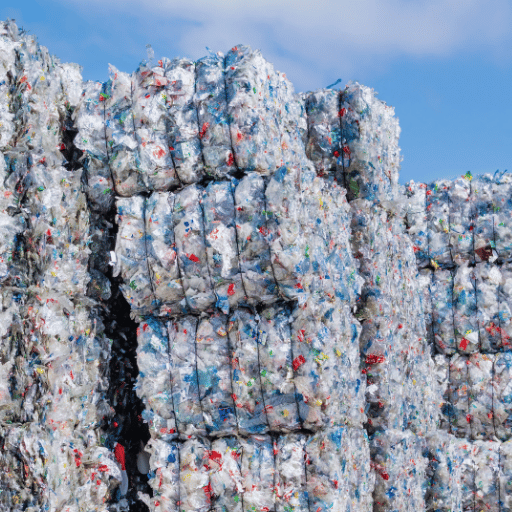
Plastic recyclers often use the AGS single shaft shredder to predry their feedstock before washing, drying and pelletizing.
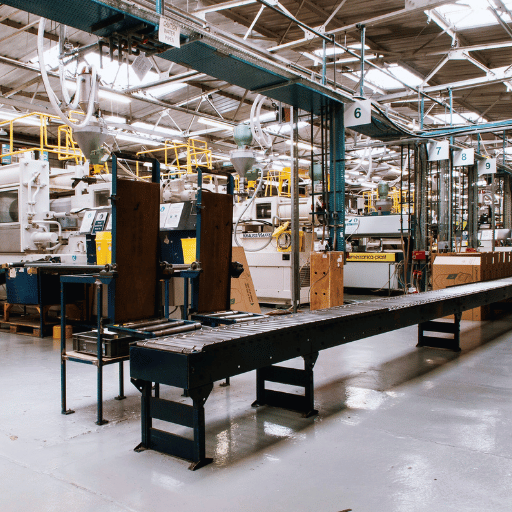
Injection-moulding companies reprocess rejected goods, runners and part trimmings to feed back into their production programs.
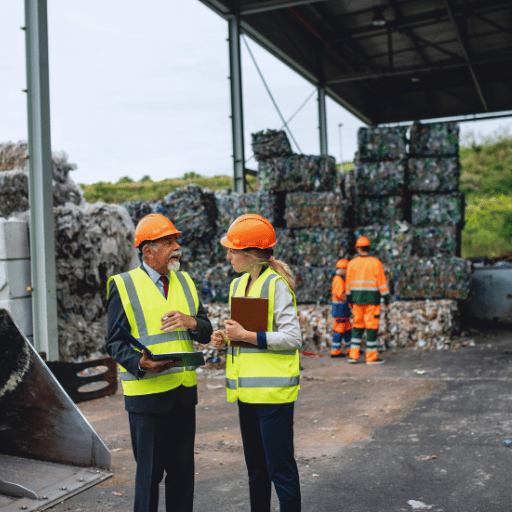
Municipal solid waste operations need a heavy-duty series of pretreatment shredder to convert unsorted waste into recovered fuel and refuse-derived fuel.
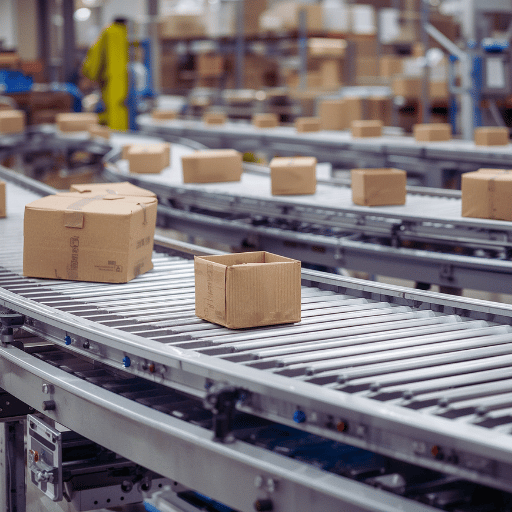
Paper packagers require an industrial shredder to shred bulky cartons and destruction waste before sorting.
Wherever the material, the output is fed on by means of trolleys on conveyor systems into the subsequent processing machines: granulators, separators, washing lines, densifiers and so on.
Being able to use either rigid or flexible waste within the same shredder is one of the main factors behind why single shaft shredders form the central focus of a high number of materials recovery facilities.
AGS Series Models & Technical Specifications
Five models provide options for every scale of need – all of them built around the same feature-packed drum and hydraulic ram method.
| Specification | AGS850 | AGS1200 | AGS1500 | AGS1600 | AGS2000 |
|---|---|---|---|---|---|
| Cutting Chamber (mm) | 840 × 1570 | 1120 × 1570 | 1400 × 1570 | 1600 × 1570 | 1960 × 1570 |
| Rotor Diameter (mm) | 457 | 457 | 457 | 590 | 457 |
| Rotor Speed (rpm) | 74 | 74 | 74 | 74 | 74 |
| Motor Power (kW) | 37 / 45 / 55 | 55 | 75 | 110 | 2×55 / 2×75 |
| Rotor Knives (pcs) | 60 | 81 | 102 | 76 | 144 |
| Stator Knives | 2 × 3 | 2 × 4 | 2 × 5 | 2 × 4 | 2 × 7 |
| Hydraulic Power (kW) | 3.6 | 5.5 | 5.5 | 5.6 | 5.6 |
| Screen Size (mm) | 40–100 | 40–100 | 40–100 | 40–100 | 40–100 |
Model Capability Highlights
Our AGS850 is suited to medium size material recovery plants and injection moulders, processing a couple of hundred kilograms per hour.
The AGS1200 is the most widely used medium-capacity AGS model due to its effective design and easy operating features. With a 75-kilowatt motor, the AGS1500 features and 102 rotor knives, capable of managing heavier gauge plastics and production rejects.
For increased throughput on heavy industrial plastics and very large format parts, the AGS1600 has a 590mm diameter rotor with 110kW of power.
At the top of the range, the single shaft AGS2000 has dual 55 kW or dual 75 kW motors and a 2m long cutting chamber with 144 knives, and is designed for pristine output from domestic refuse treatment or industrial plastic waste.
Single Shaft Plastic Shredder Diagram

Single Shaft vs. Double Shaft Shredder
Choosing between Single Shaft or Dual Shaft design is the most important configuration decision a recycling operation makes. Here is how the two approaches stack up.
| Dimension | Single Shaft Shredder | Double Shaft Shredder |
|---|---|---|
| Output Uniformity | High — screen mesh guarantees consistent particle size | Variable — no screen; output depends on blade spacing |
| Throughput Capacity | Moderate to high (screen recirculation limits peak rate) | High — no screen restriction enables faster volume reduction |
| Maintenance Cost | Lower — fewer moving parts, external knife adjustment | Higher — two shafts, more bearings, complex blade geometry |
| Noise Level | Lower — low-speed rotor and hydraulic feed reduce impact noise | Moderate — counter-rotating shafts generate more mechanical noise |
| Best For | Plastics recycling, RDF, applications requiring defined particle size | Bulky waste volume reduction, demolition debris, primary shredding |
Here is the key difference
output control. Single shaft shredders incorporate a screen underneath the rotor; this acts as a quality control stepping-stone for the size of material leaving the machine: only material less than the screen aperture is able to pass through. Accordingly, single shaft machines are favored when downstream components – a granulator, a washing drum or a pelletizing extruder – need a steady, reliable size of input. In general, double shaft machines are rated high-volume pretreatment machines that put throughput above particle uniformity.
Recycling Line Integration
For many plastics recycling lines, it is advantageous for the output of the primary size reduction step (single shaft: 40-80 mm; secondary in a crusher or granulator: 8-12 mm) to reliably feed downstream equipment.
Two-Stage Engineering
KITECH’s AGS series are engineered to combine one primary single shaft shredder with an auxiliary granulator in this two-stage approach, and our design team is often asked to include these two components into a full line plan for an operator.
Right-Shredder Selection
If your main goals are cost-efficient throughput of mixed municipal or bulking waste with no strict output requirements, then a double shaft shredder may be the best choice. For all else – especially recycling plastics to a consistent regrind value – the single shaft machine described here will fine-tune particle size to the demands of your downstream process at lower annual operation costs.
Engineering Highlights: Why Choose KITECH AGS?
Six design features that cut your operating costs while emphasizing uptime.
01 BLADES
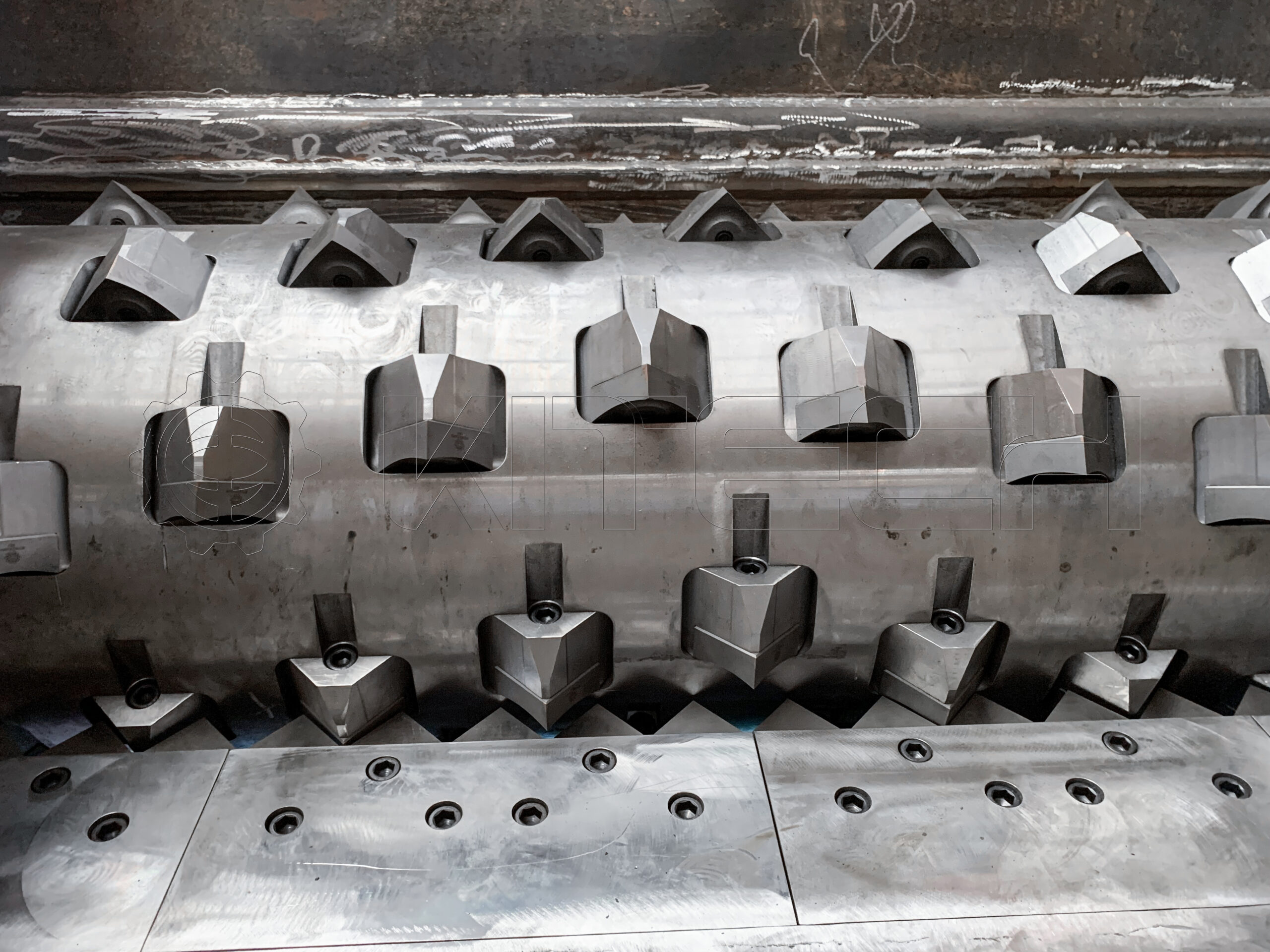
DC53 Tool Steel, 4-Way Rotating Knives
All of our rotor knives are cast from DC53 tool steel, which is heat-treated to HRC 58-62 for superior wear resistance. Rounded-out square design knives are ground with concave facets, providing a center-mounted knife with four cutting edges. As an edge dulls, just rotate the knife 90 degrees to reveal a new cutting surface. In a well-maintained machine, single-cut knives afford four times the blade life of other geometries.
02 ADJUSTMENT
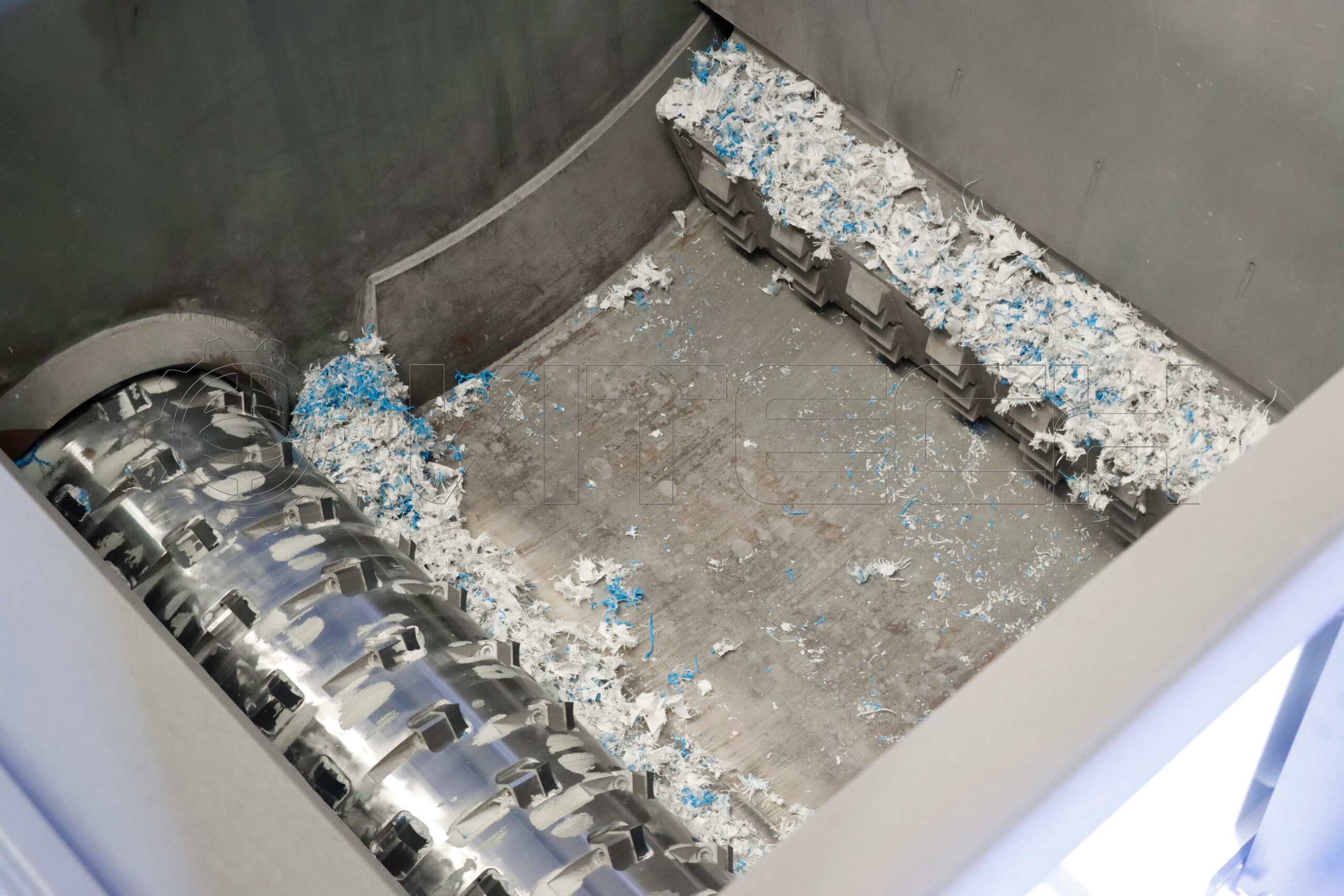
External Knife Adjustment — No Chamber Disassembly
Unlike traditional shredders, with AGS series knives are adjusted externally. You can set the gap and position of the blades from outside the machine enclosure in about 15 minutes – a huge saving over the several hours required to re-adjust traditional interior knives. Easy maintenance minimizes downtime for the user, a fact procurement teams consistently cite as a benefit for AGS series machines.
03 DRIVE
Bolt-In Drive Shafts
Using bolt-in shafts rather than weld- or press-fitted shafts simplifies repairs – if a shaft wears out, instead of removing and reworking the entire rotor assembly, technicians simply swap in a new shaft. Keeping your machine powertrain in operation in less than a day saves hours off your typical downtime.
04 COOLING
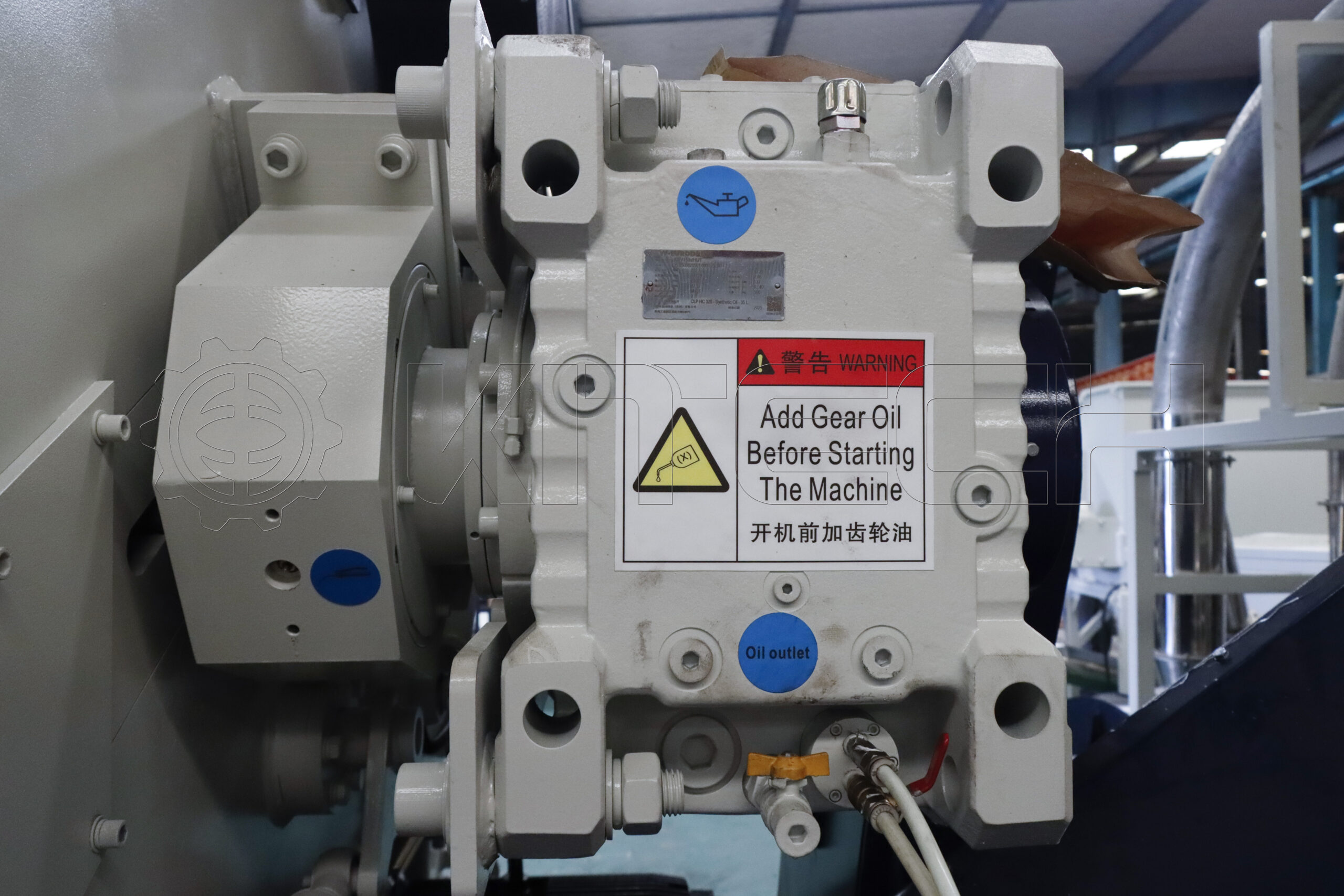
Oil Cooling System — Ram & Gearbox
A significant thermal load is caused not just by high rotational speed, but also by sustained operation of hydraulic and drivetrain components. An independently cooled hydraulic ram keeps operating fluid temperatures steady in long shifts, preventing overheating and production downtime caused by accelerated piece failure. Oil cooling is a novel feature for our machines, and unsurprisingly a proven one in high-use applications.
05 CONTROL
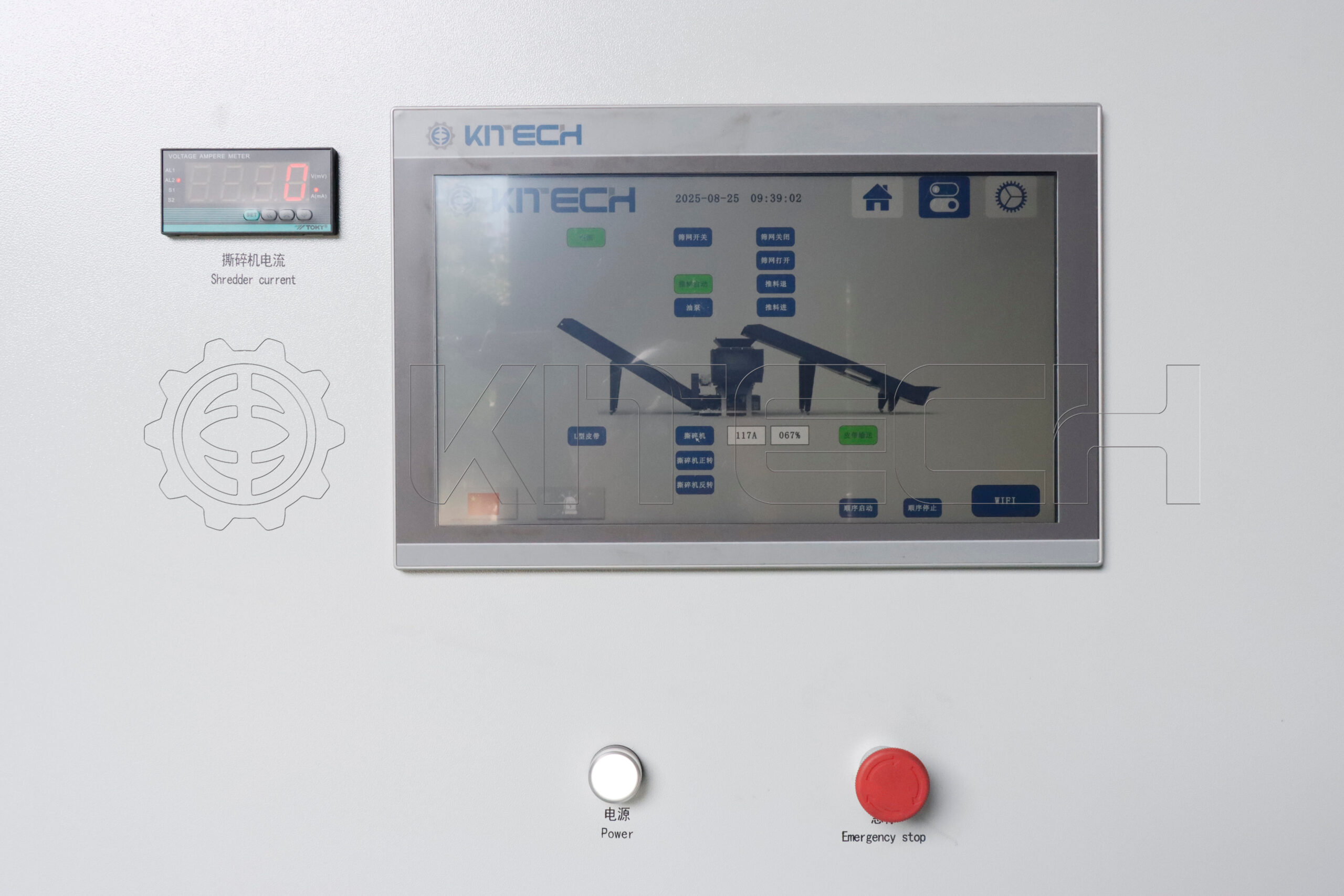
Touch Screen PLC with Intelligent Hydraulic Control
All AGS machines have a touch screen PLC interface that monitor in real time the load on the motors, the pressure of the hydraulics, the speed of the rotor and the temperature of the machine. Automatically, the system intelligently reduces the speed and pressure of the hydraulic rams according to the amount of resistance encountered from the material position; full ram pressure and speed for light film bales and reduced pressure when dealing with dense rigid stock. This prevents the machine from overload and saving energy while giving the most consistent results regardless of a novice or experienced operator.
06 BEARINGS
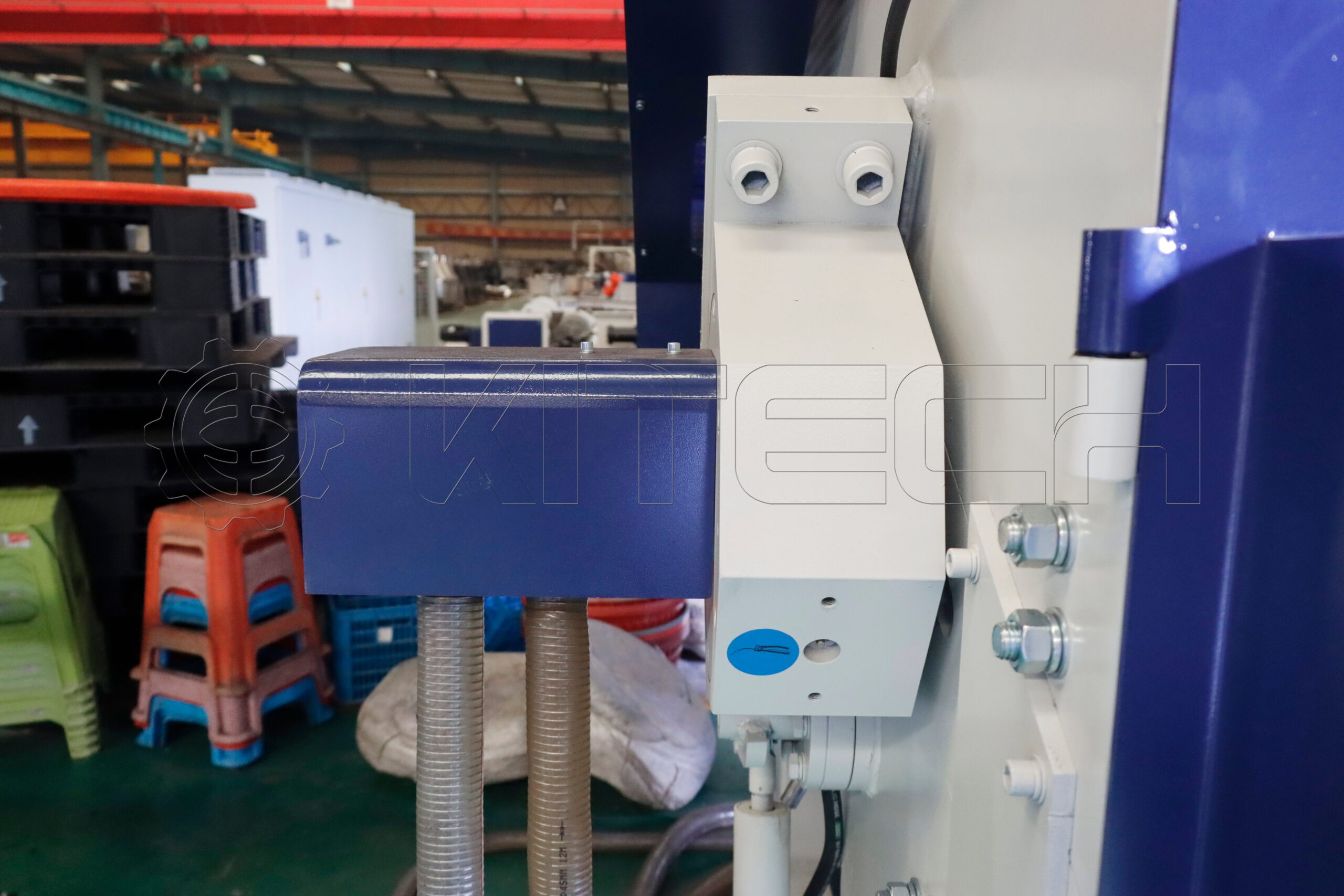
Heavy-Duty External Pedestal Bearings
Each rotor is mounted on special, thick heavy-duty external pedestal bearings (located outside of the cutting chamber) which are dust-sealed with the bearings fully sealed against the ingress of the abrasive plastic dust and other contamination that would rapidly wear the bearings. Sealed pedestal bearings provide a standard service interval that is many times longer than internal bearing arrangements, which naturally results in reduced unscheduled outage and replacement costs over the service life.
Case Studies — Real-World Performance
Here’s three installations that show what the AGS series does with different materials and line setups.
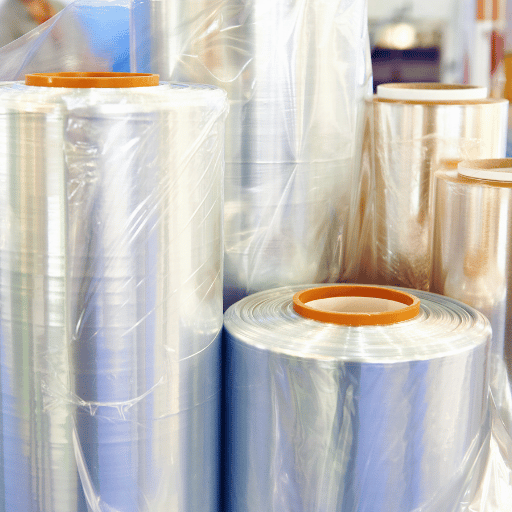
PE Film Recycling Line
MaterialPost-consumer PE film (baled agricultural and stretch wrap)
ModelAGS1500
Output Size40–60 mm
ThroughputTypically achieves ~800 kg/h
IntegrationBelt conveyor feeds shredded film to friction washer and sink-float separation tank
Part for a Southeast-Asian recycler doing baled post consumer PE film. A 75 kW Motor and hydraulic ram of the AGS 1500 can handle the bales of highly compressed film directlycarrying out the pre-opening. The resulting shredded material is then loaded via a belt conveyor leading to a further washing line downstream, the uniform size of 40-60 mm particles allowing efficient particle friction washing and removal of dirt.
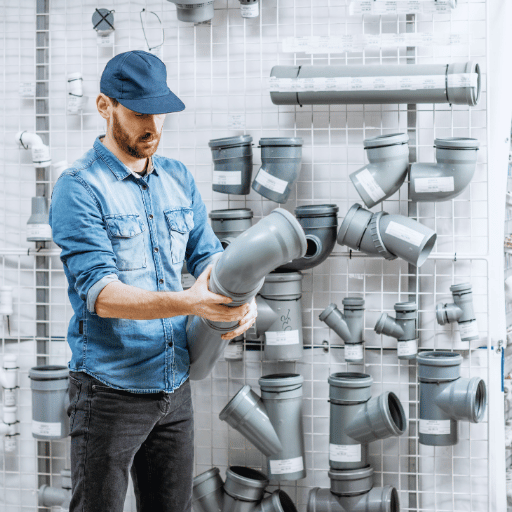
PVC Pipe Size Reduction
MaterialPVC pipe offcuts and reject pipes (wall thickness up to 12 mm)
ModelAGS1200
Output Size~40 mm
ThroughputRated capacity ~500 kg/h
IntegrationDischarge conveyor to metal detector, then granulator for final pelletizer feed
A European plastic pipe manufacturer employs the AGS1200 for recycling production waste and rejects. Rigid PVC pipe sections are pre-shredded down to 40 mm chunks which are released through the metal detector directly into the granulator. The regrind produced by the two-stage reduction process is clean and is directly fed back to the pelletizer, thus recapturing it as a valuable resource.

RDF/SRF Fuel Preparation
MaterialMunicipal mixed waste (plastics, paper, textiles, wood)
ModelAGS2000
Output Size80–100 mm
ThroughputThroughputs typically range up to ~2,000 kg/h
IntegrationConveyor to air classifier and belt conveyor metal separator, then baling for cement kiln fuel
In the Middle East, the AGS2000 is the main shredder in an RDF preparation line at a waste management facility, feed by unsorted MSW products-such as plastics, cardboard, textiles and wood- Typically processing at capacities of up to 2tph. The output is air classified, metal separated and baled as refuse-derived fuel for co-processing in a cement kiln. The PLC control provides an automatic reverse operation should tramp metals in the MSW feed be detected.
Pricing Factors & ROI for industrial plastic shredder
Gaining insight into total cost of ownership will assist in making a more informed, procurement decision, rather than just comparing purchase costs.
A single shaft plastic shredder machine for sale from a reliable AGS series manufacturer is a configured product, not a commodity. Here are the five main factors involved in the pricing of a single shaft shredder for sale:
Model & Motor Size
37 kW to 150 kW — larger motors cost more but enable higher throughput
Blade Material
Standard tool steel vs. premium DC53 — affects service life and long-term blade costs
Screen Configuration
Number and mesh sizes of screens included — multiple screens add flexibility
Automation Level
Basic PLC vs. advanced PLC with remote diagnostics, data logging, and integration
Shipping & Installation
Destination, site preparation, commissioning, and operator training
ROI Framework
When estimating the payback on an industrial plastic shredder machine, there are three value streams which should be taken into account.
1 Material saving
It is quite remarkable how much more money can be made from shredded and recycling regrind plastic than from a scrap plastic waste stream. And, the shredder is where the difference is made.
2 Cost saving
The landfill and incineration tipping fees are rocketing up every single year.
3 Cost of doing the operation
The AGS series' 4 way rotating knives, external adjustment system and oil cooled drivetrain have been manufactured specifically to give the lowest cost per tonne operation plan over the AGS machine lifetime.
We suggest asking our group for a formal ROI analysis. Send us your type of material, desired throughput, and existing cost of waste disposal, and we will model the payback period for the suggested AGS setup.
Get a Custom QuotationAdvanced Shredder Intelligence Tools
FAQ — Single Shaft Plastic Shredder
What materials can a single shaft plastic shredder process?
Our AGS series can accept various rigid plastic forms (HDPE, PP, PVC, and ABS products), flexible plastics (polyethylene film, woven bags, stretch film), wood, paper, and cardboard, electronic waste housing, and RDF/SRF feedstock. The AGS series processes both post-consumer and post-industrial waste streams. Actual throughput rate depends on the density and geometry of the input stream, but the hydraulically powered ram and full range of screen sizes combined with the giant variety of waste materials the AGS series can process with the single platform.
Is the output particle size adjustable?
Yes, all models within the series use interchangeable aperture screens for a 40mm up to 100mm aperture size. Changing screens alters the maximum size the outgoing particles, selecting a 40-60mm screen when interparticle size consistency is high is used with washing lines, granulators and pelletizers. A 80-100mm aperture screen is better for primary volume reduction and RDF energy recovery applications. Screen changes normally take less than 30 minutes.
Can a shredder handle thick or rigid plastics?
Yes, the AGS series is designed for thick-walled plastics and drums, great big long rectangular bales of plastics, PVC pipes with wall thickness in excess of 10mm, etc. The hydraulically powered ram providing the up to 150kW of force combined with the low RPM high torque rotor give guaranteed up to the task shearing of very dense, rigid plastics. For the most demanding rigid plastic processing streams, the AGS1600 with its OD 590mm and 110kW power is purpose-built. For truly extreme applications, consider the AGX heavy-duty series.
What maintenance does a single shaft shredder need?
Routine maintenance includes:blade condition monitoring and orientation (4 way rotating knives provide 4 service cycles to allow 4 service cycles rather than 1; thus dramatically increasing lifespan), check screen condition for damage or wear, check hydraulic oil level and condition, check gearbox oil, and check pedestal bearings and top up as necessary. As the AGS has external knife adjustment, blade servicing and replacement takes 15 minutes without opening the cutting chamber. We advise daily visual check of blades, weekly check of hydraulic oil, and weekly check of blade condition following an appropriate schedule for your application and source material.
What certifications does KITECH hold?
KITECH shredders are CE marked (EU Machinery Directive 2006/42/EC), UL approved and CSA certified. Certification documentation ships with every unit.
How do I determine the right shredder size for my application?
Choosing the appropriate AGS model depends upon five factors: (1) source material and density film, rigid or mixed; (2) throughput that you need in kg/h; (3) output particle size you require; (4) space available at your site and ceiling height and (5) startup and downstream equipment flow requirements. We offer free application assessment: post us your source material of choice, test sample, throughput needs and the space restrictions at your plant. Our design team will recommend which AGS model is best for you and produce complete flow sheet with AGS from-hopper-to-normally ordered final product conveyor.
Ready to Specify Your Plastic Recycling Shredder?
Specify the nature of your material, the desired throughput and the line integration needs. Our engineering department will reply within 24 hours with a technical offer.