Get in touch with Kitech Company

PE Agricultural Film Washing System — KITECH
Turn high contaminated farm film to high quality PE flakes from 250—2000kg/hr. Modular washing line for greenhouse film, mulching film and post consumer agricultural plastic delivered in 60days.
Get a Custom Quote
250–2,000
kg/h Throughput
<3–5%
Final Moisture
>97%
Contaminant Removal
7
Modular Stages
CE / UL / CSA
Certified
60 Days
Delivery Guarantee
Agricultural Film Contamination — How KITECH Washing Systems Solve It
Recycling ag film is not like washing clean factory scrap. Mulching film contains 40-80% soil / sand by weight. Greenhouse film may contain biodegradable and UV-degraded pieces, pesticide residue and entrapped organics. Post-consumer PE film from collection centers has a mixture of contamination types, such as soil, water, labelling glue and metallic impurities, in a single bale. Single-stage washing cannot cope with this. Losses at the washing stage exceed 15%, moisture content continues at a high level and downstream pelletizer equipment clogs or makes off-quality pellets.
KITECH’s LDW series PE agricultural film washing line overcomes these issues by implementing module recycling washing lines that divides the contamination removal into separate stages.
1
Pre-washing provides gentle surface soil loosening process prior to size reduction.
2
High speed friction washing at 3-5 g dynamic balance against rotor provides agitation sufficient to dislodge embedded soil at rotor speeds kept to protect cleaner bearings.
3
Hot washing at 60-90 C against isodee oil residue and bonds than dissolution can be achieved with cold water, hot washing provides softening of the peat as well as setting of the wash water temperature.
4
Floating tank separation, using differences in sink strengths of sand, stones and metallic debris to PE film flakes separates metal and abrasive materials carried in suspension.
Engineering Note
In the case of agricultural film pollution, soil particles are mechanically embedded in the PE matrix when used in the fields while the UV-ray degradation process over 3 12 month has destrutive effect on the softening film. The structure of the micrcostructure couldn’t endures the high shear force when shredder the film, and tends to disintegrate. The speed of frisian washer rotor water that our washer rotor works are carefully control and dynamics balance accuracy is 3 5 g.Our process takes trade-off among the material fining at high speed and the contaminants separation at low speed.
KITECH LDW Series — Models, Specs & Selection Guide
Within the five capacity tiers, all of the PE film washing processes can be accommodated. All five models of LDWs have the standard modular framework – simply the size (and hence electrical requirements) of the modules, motors and footprint varies. All units are supplied with stainless steel contact surfaces on washing components, inverter-interpreted motors, PLC automation with HMI touchpad.Confirmed specs from our production data sheets:
| Specification | LDW300 | LDW500 | LDW1000 | LDW1500 | LDW2000 |
|---|---|---|---|---|---|
| Capacity (kg/h) | 250–300 | 400–500 | 800–1,000 | 1,250–1,500 | 1,700–2,000 |
| Dimensions L×W×H (m) | 29×10×5 | 35×12×6 | 50×12×6 | 70×15×6 | 90×15×6 |
| Installation Power (kW) | 195 | 290 | 446 | 530 | 760 |
| Energy Consumption (kWh) | 120 | 180 | 280 | 395 | 490 |
| Steam Consumption (kg/h) | 0–150 | 0–200 | 0–300 | 0–450 | 0–600 |
| Chemical Consumption (kg/h) | 0–2 | 0–4 | 0–8 | 0–10 | 0–12 |
| Operators per Shift | 3 | 3 | 4 | 4 | 4 |
Steam and chemical use is contamination dependant. Fresh post-industrial PE film requires no steam, while highly contaminated agricultural film with glue residue requires the full hot washing treatment. These parameters are sized out during project engineering based on sample testing of your actual feedstock. The same recycling line architecture can also process PP films and PP woven bag washing the LDW series can also double as a bag washing line when integrated with the correct pre-shredding system for woven material.
Which Model Fits Your Operation?
| Your Situation | Recommended Model | Daily Output (20h) | Annual Output (300d) | Floor Space Needed |
|---|---|---|---|---|
| Small recycler or startup, testing market | LDW300 | 5–6 tons | 1,500–1,800 tons | ~290 m² |
| Regional collection center, moderate volume | LDW500 | 8–10 tons | 2,400–3,000 tons | ~420 m² |
| Established recycler, multiple feedstock sources | LDW1000 | 16–20 tons | 4,800–6,000 tons | ~600 m² |
| Large-scale operation, multi-shift production | LDW1500 | 25–30 tons | 7,500–9,000 tons | ~1,050 m² |
| Industrial plant, highest throughput requirement | LDW2000 | 34–40 tons | 10,200–12,000 tons | ~1,350 m² |
Procurement Tip
Ask for a sample test before locking into a capacity tier. Ship 200-500kg of your real farm/ranch film to our Zhangjiagang facility in China; we feed it on our Demo LDW500 line, test and record contaminant removal rate and flake moisture and send you a detailed test report with video. Remove guessing and get perfectly matched quoted line to your actual conditions not on the spec sheet.
Every single LDW model is manufactured to the same tested 7-stage washing process. Knowing what each stage contributes will allow you to make assessment as to whether your required contamination level can be achieved by this configurations.
Complete PE Film Washing Process — Agricultural Film Recycling Machine
Its modular design allowed easy extension, modification and upgrading of each stage of the process independently to suit changes in your feedstock intake without the need to upgrade the entire line.
Step 01
Pre-Processing & Sorting
Baled materials are opened up, then loaded onto a high strength, side walls, heavy duty conveyor belts. Good quality impurities such as metal items, rubber products and thick ropes are separated during this process. An automatically operated metal magnetic separator attracts the usual ferrous metal particles. Also used as a pre-screening process for any agricultu…
Read Details
Step 02
Size Reduction (Shredder + Crusher)
Our shredder has 4 way, rotary knives fitted into specially designed knife holders and externally located bearing support pedestals. This particular feature keeps the bearings clear of the dirt, grit and water carried by the feedstock. Residual dirt, pebbles, stones and soil are shaken from agricultural film. The knives on the first stage crusher will reduce the film size down to no more than 80 mm strips. Each knife holder can individually, adjust the size of the cut. The secondary crusher with externally controlled adjustable knives further reduce the film size to between 10 and 20 mm flake ready for the subsequent washing modules. The crusher knives has been enclosed to prevent any escaping.
Read Details
Step 03
Friction Washing (High-Speed)
9 groups of high speed, high shear, high efficiciency, friction washers have been proven to be efficient and effective. Advanced designed rotor blades are constructed from highly wear resistant steel and sent for a dynamic balance test to tolerance of 3-5g. Single stage water jets, which use little additional energy, alongside the scrubbing action efficiently and effectively remove contaminants such as dirt soil and plant remains. This single process can carry out 60-70 of contaminant removal in case of heavily soiled agricultural film.
Read Details
Step 04
Dewatering & Drying
One unique feature that makes the LDW series among others in the market is the two stage moisture removal. Firstly, the screw squeezer with 2 sets of hydraulic presses can squeeze the water out of the film flakes and reduce the moisture content from about 50% to below 20 %. Finally, the final moisture is achieved by a centrifugal dewatering machine or thermal drying system, which can bring moisture below 3-5%. This two-step drying process means minimal material loss, compared to centrifugal-only dewatering where fine film particles escape through the screen.
Read Details
Step 05
Storage Buffer
Processed film flakes can be collected in the storage buffer silo directly feeding to the pelletizer. Its large storage buffer ensures continuous pelletizing line feed even during short throughput stops for equipment change or maintenance. Whether you run the PE film recycling line as a standalone film washing plant or connect it to downstream washing plants with integrated pelletizing, our modular approach adapts to your setup.
Read Details
Step 06
Electrical Control & Monitoring
Our PLC control cabinet is made of international branded Low Voltage components using double safety relays running an intelligent modular control system, controlling the motor speeds, washing temperature, dosing rate of chemicals, water flow at every stage, through a single operator touchscreen mounted control display. The data collection built-in to this PLC system measures energy consumption and throughput, as well as water per production shift data that matters when we work with you to calculate your true cost-per-ton of film processed.
Read Details
Insider Knowledge
Most operators learn to control the speed of a friction washer by understanding the difference they can hear and feel in the vibration pattern rather than monitoring the PLC readout. heavily soiled mulching film retained in the field for 6 or more months needs a slower feed rate on the first pass, otherwise flow rate through the system exceeds the washing capacity, resulting in carry-over contamination clogging your hot washing tank. Running a warm 15-minute run with clean water before starting a new batch of agricultural film helps extend blade life noticeably.
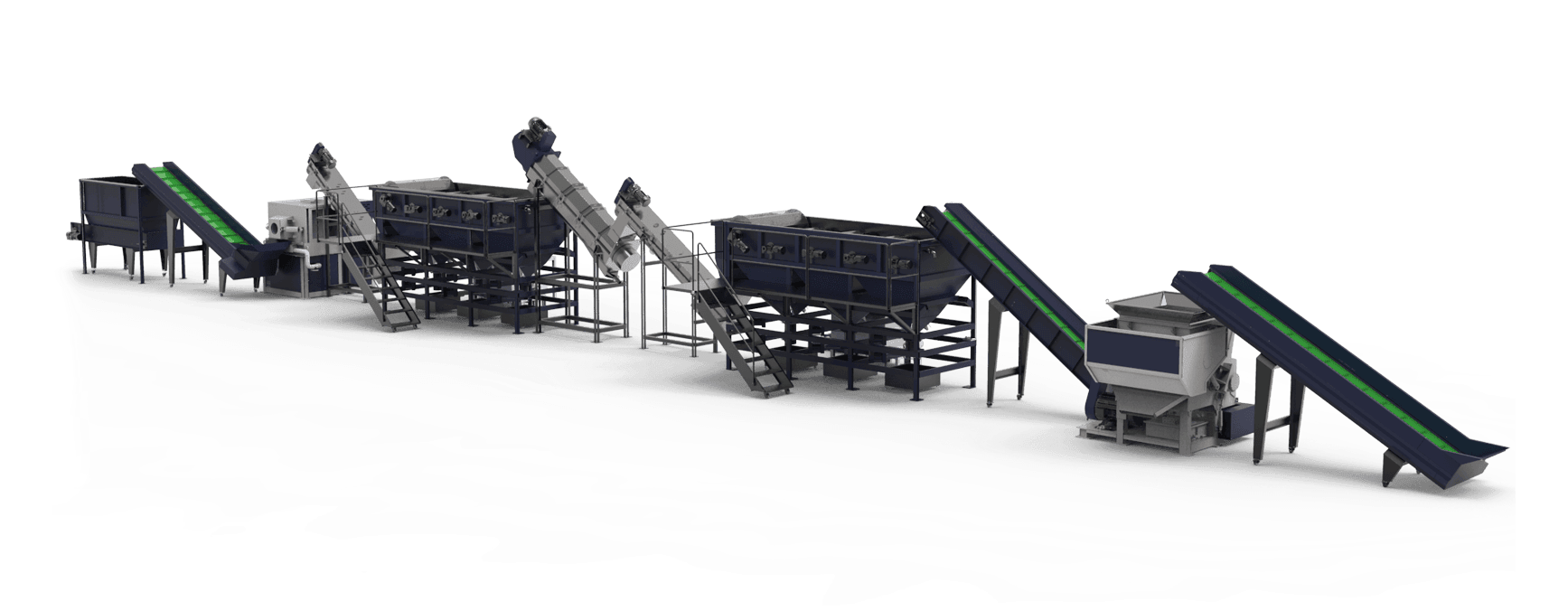
KITECH LDW vs. Manual Washing & Single-Stage Systems
New buyers assessing a PE film recycling machine compare three approaches: manual or semi-manual washing, single-stage automated washing lines, and modular multi-stage systems like the KITECH LDW series. This is where the differences emerge in operational data.
| Metric | Manual/Semi-Manual | Single-Stage Automated | KITECH LDW (Multi-Stage) |
|---|---|---|---|
| Throughput (kg/h) | 50–150 | 300–800 | 250–2,000 |
| Contaminant Removal Rate | ~70–80% | ~85–90% | >97% |
| Final Moisture Content | 15–25% | 8–12% | <3–5% |
| Material Loss | 10–20% | 5–8% | <3% |
| Labor per 1,000 kg | 8–12 persons | 4–6 persons | 3–4 persons |
| Pellet Quality (post-extrusion) | Off-spec, limited applications | Mid-grade pellets | High-quality pellets for film, pipe, injection |
| Handles >80% Contamination | No | Limited | Yes — designed for it |
| Hot Washing Capability | No | Some models | Standard (60–90°C) |
Contaminant removal rate is a direct indicator of how you will be able to budget for your post-processed flakes. Contaminant levels remaining in your PE will determine reselling price, rejection or acceptance by your pelletizing customers – high-value producers look for less than 5%, while more aggressive users are happy with less than 10%. With 97.1% contaminants removed, our machine yields a higher-quality pellet for you than most – and can be more profitable, fetching an additional $300-500 per ton, depending on the color uniformity and MFI specification used.
4,800–6,000
Tons/year output from LDW1000
(800–1,000 kg/h × 20h/day × 300 days)
Based on KITECH LDW1000 rated capacity. Actual output varies by feedstock contamination level, operator efficiency, and maintenance schedule. PE flake market price: industry average $300–500/ton (2025, regional variation applies).
Operating based on a 20-hour operating window with a 4-hour scheduled window for maintenance, cleaning, and crew changes, these projections are right on the conservative side. Many operators are running 22-23 hours once the system has stabilized, but we recommend you stick with a relatively modest operating time for the first six months, and build up your hours once you have your feedstock depths tuned to your finished product.
Proven Results: Agricultural Film Recycling Across 80+ Countries
KITECH has provided plastic recycling plants for over 500 customers in more than 80 Countries since the company began manufacturing in the rapidly growing city of Zhangjiagang. These three agricultural film projects show how our LDW washing lines perform with a range of still-feedstocks.
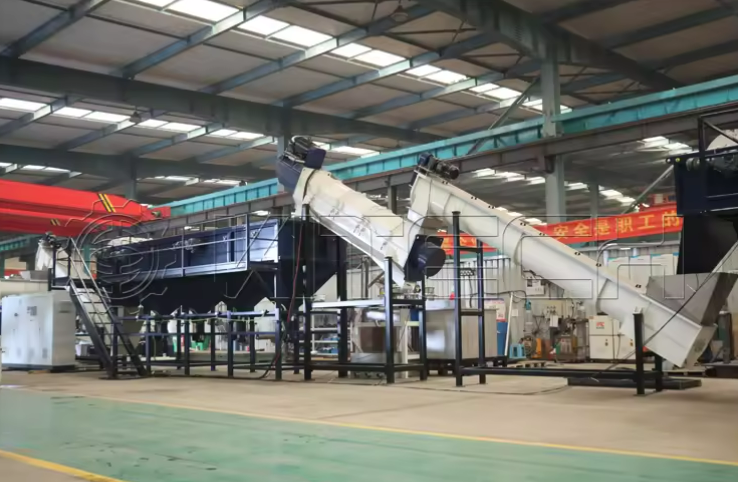
Mexico — LDPE Drip Tape & Mulching Film Recovery
Challenge:
a particularly prominent operator in the vicinity of Guadalajara was recycling post-consumer LDPE drip irrigation tape and mulching films harvested from production areas in the region. the material was received with moisture-high loads of 50-60% contaminant by weight and soling embedded into the film. A skilled manual washing system was only able to recover 65% of the plastics.
Solution:
KITECH LDW500 modular hot-washing line, enhanced friction washer configuration.
Results:
throughput increased from roughly 80 kg/h to 400 450 kg/h, contaminant removal totals achieved better than 95%, and the finished flakes satisfied the requirements of the local pelletizer. The operator noted an increase in blade life attributed to the integrated screw squeezer over the centrifugal dryer he previously employed.

Alberta, Canada — Post-Consumer Agricultural Film Plant
Problem:
Very wet and sticky agricultural film, specifically commercial collection of grain-farm filming in multiple locations in Alberta. Materials varied from green-blue bale net wrap through green-blue greenhouse poly to clear poly to the rich spring-collection contamination as opposed to the lighter, more but more tenacious autumn loads. Archrival of the long and cold Canadian winters was frozen bales in winter which necessitated prehad topload preparation.
Solution:
KITECH LDW1000 with the long pre-washing module and improved thermal drying units for the low-moisture final product demanded by the downstream pelleting line.
Results:
The installed equipment can process 800-950kg/hr of feedstock depending on seasonal variability. During the winter, the throughput is at about 90% of rated capacity due to moisture content of partially thawed bales it can handle rolling average about 10% short of rated capacity. This is an acually fairly honest trade. The operator simply adaptively adjusts feed rate rather than quality.

Saudi Arabia — Large-Scale Greenhouse Film Recycling
Challenge:
A waste disposal company was hired as a contractor to treat greenhousefilm from commercial agricultural growers. The source materials were PE greenhousecovering film (3-year UV treated), LLDPE ayling film and mixed plasticfrom the farm such as cultivators, trays, buckets etc. During processing the temperature at the site exceeded 45C and the equipment had to be rated for harsh conditions.
Solution:
KITECH LDW1500 improved with extra cooling on the motor housings, over-sized bearing assemblies, and recycling system to reduce consumption in a water – poor area.
Results:
1200-1400 kg/hr sustained processing rate at ambient temperature greater than 40C. Recycle water washing module resulted in an overall reduction in fresh water use of about 60% versus a once through washing process – major point for obtaining the environmental permit for the project.
These installations are spread across different growing zones, varied contamination spectra and different types of PE film (mulching film, greenhouse film, drip tape, silage wrap, bagging film). Be it a dedicated film washing facility or a multi-material plastic washing and recycling plant, the common denominator is the modular system; it is adaptable to local conditions, so during commissioning we modify the hot washing temperature, friction washer RPM, chemical feed dosing and dewatering stage according to actual samples of feedstock (not hypothetical assumptions). Operators that run bag recycling with LDPE film operation just change the pre-shredding module from one shift to the next while the PE film washing recycling and drying remains the same.
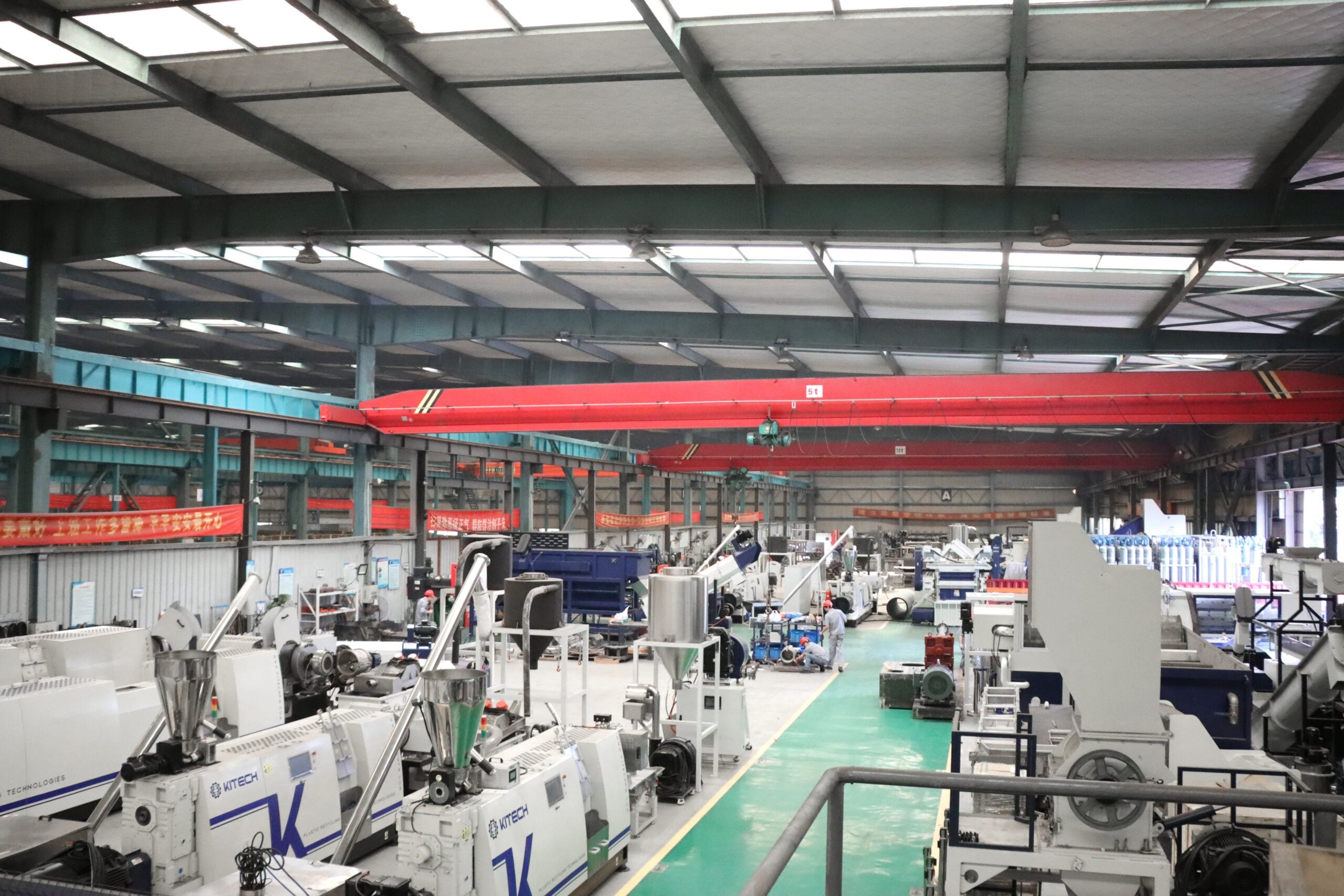
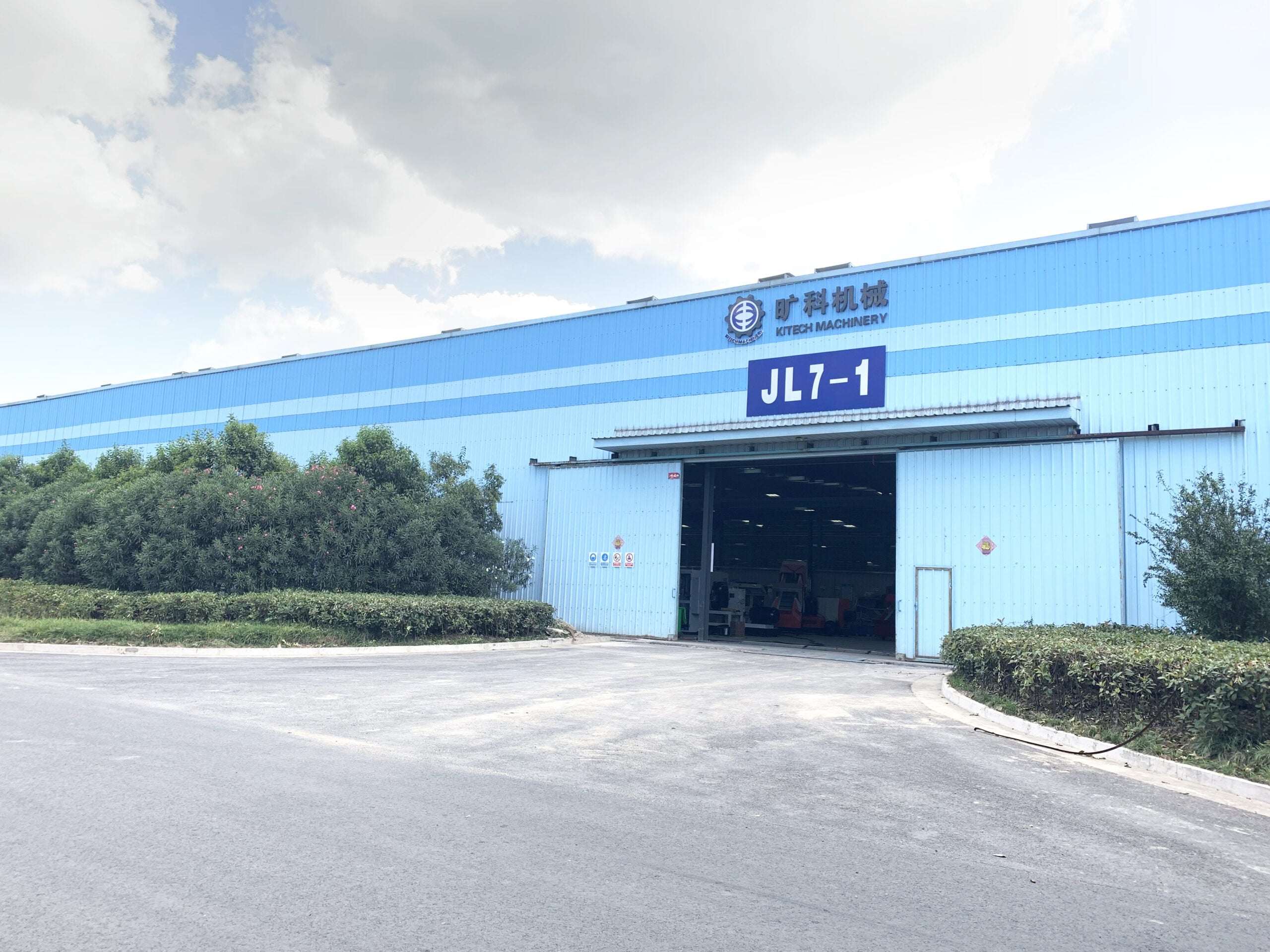
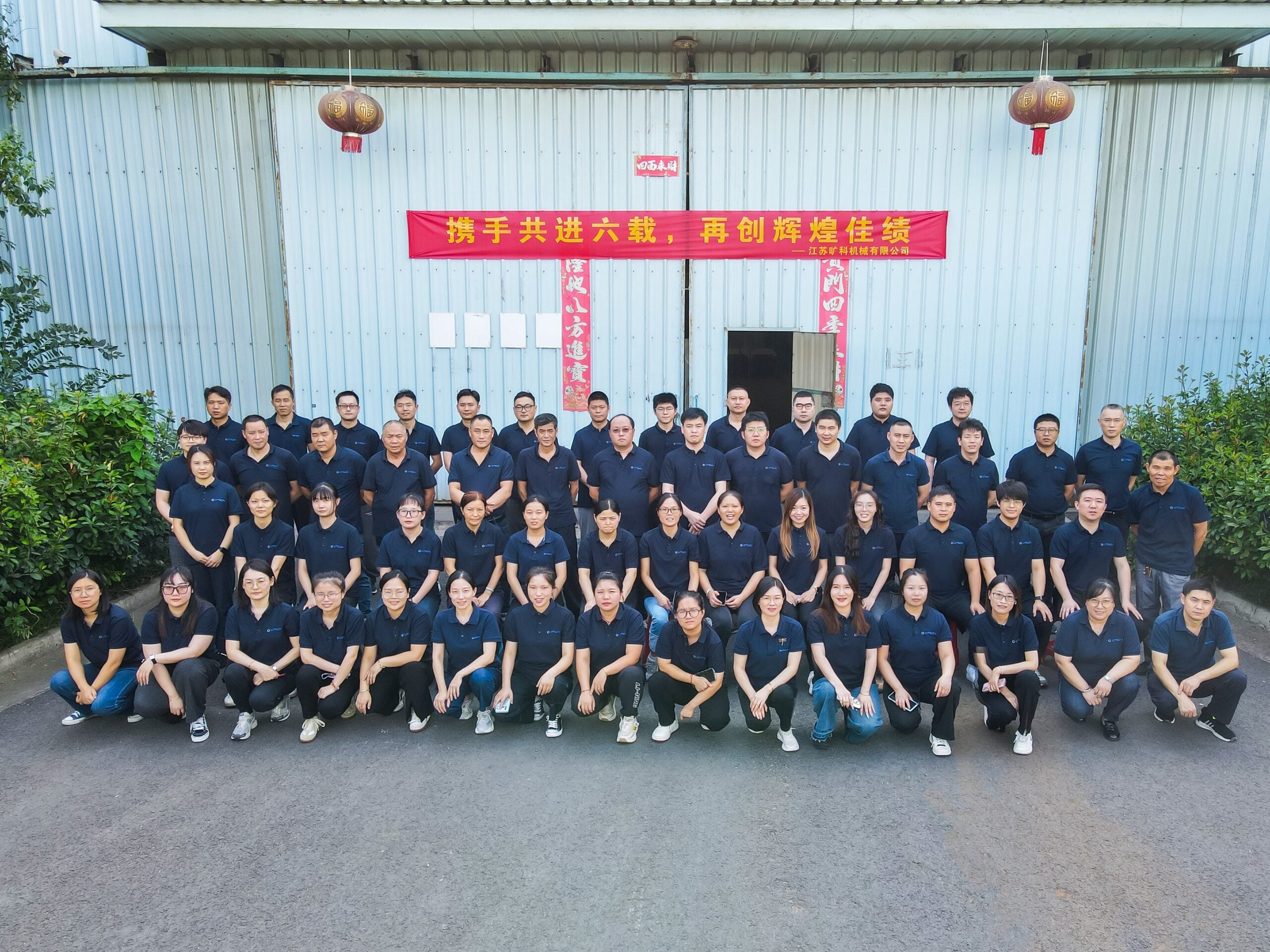
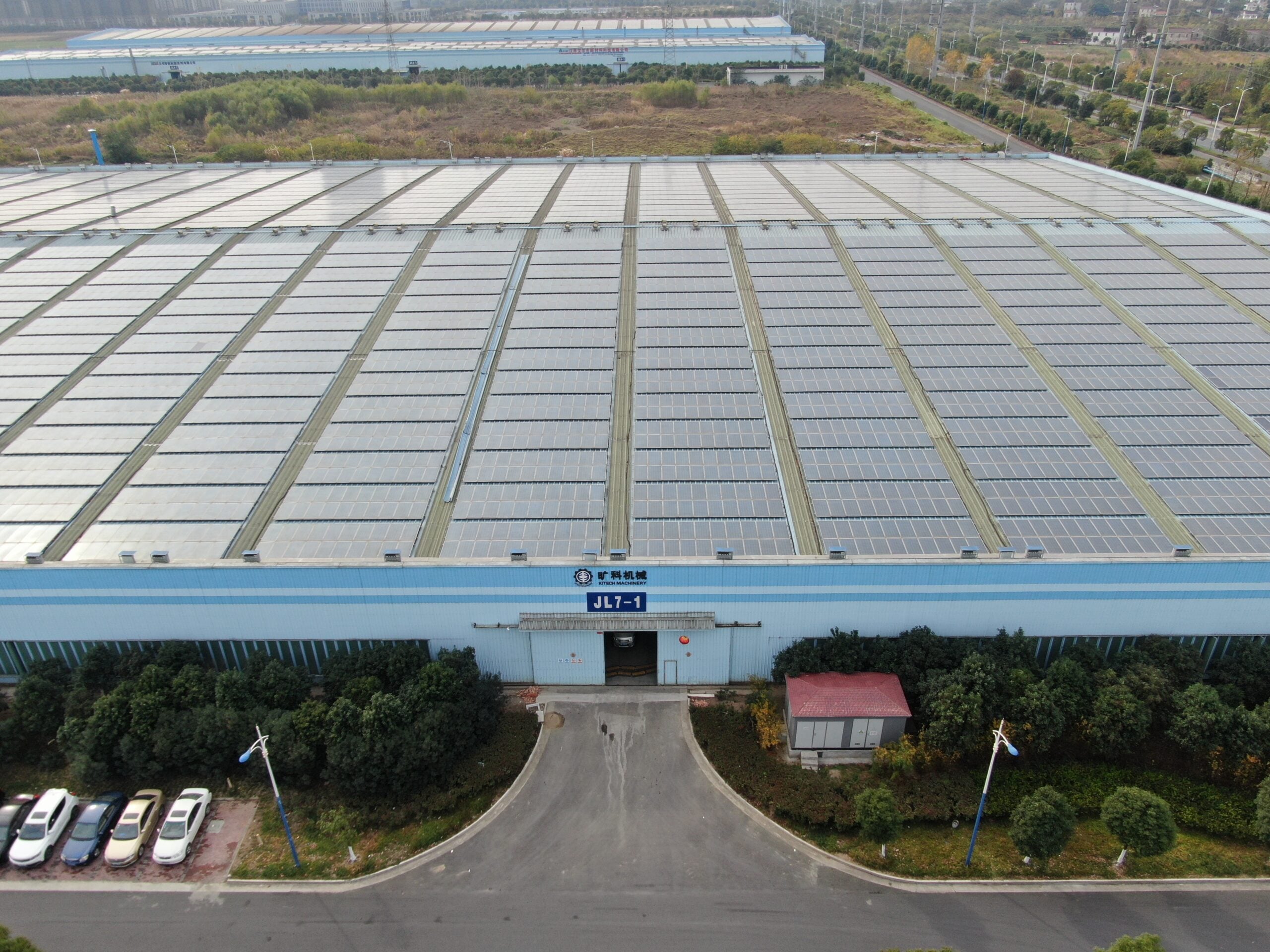
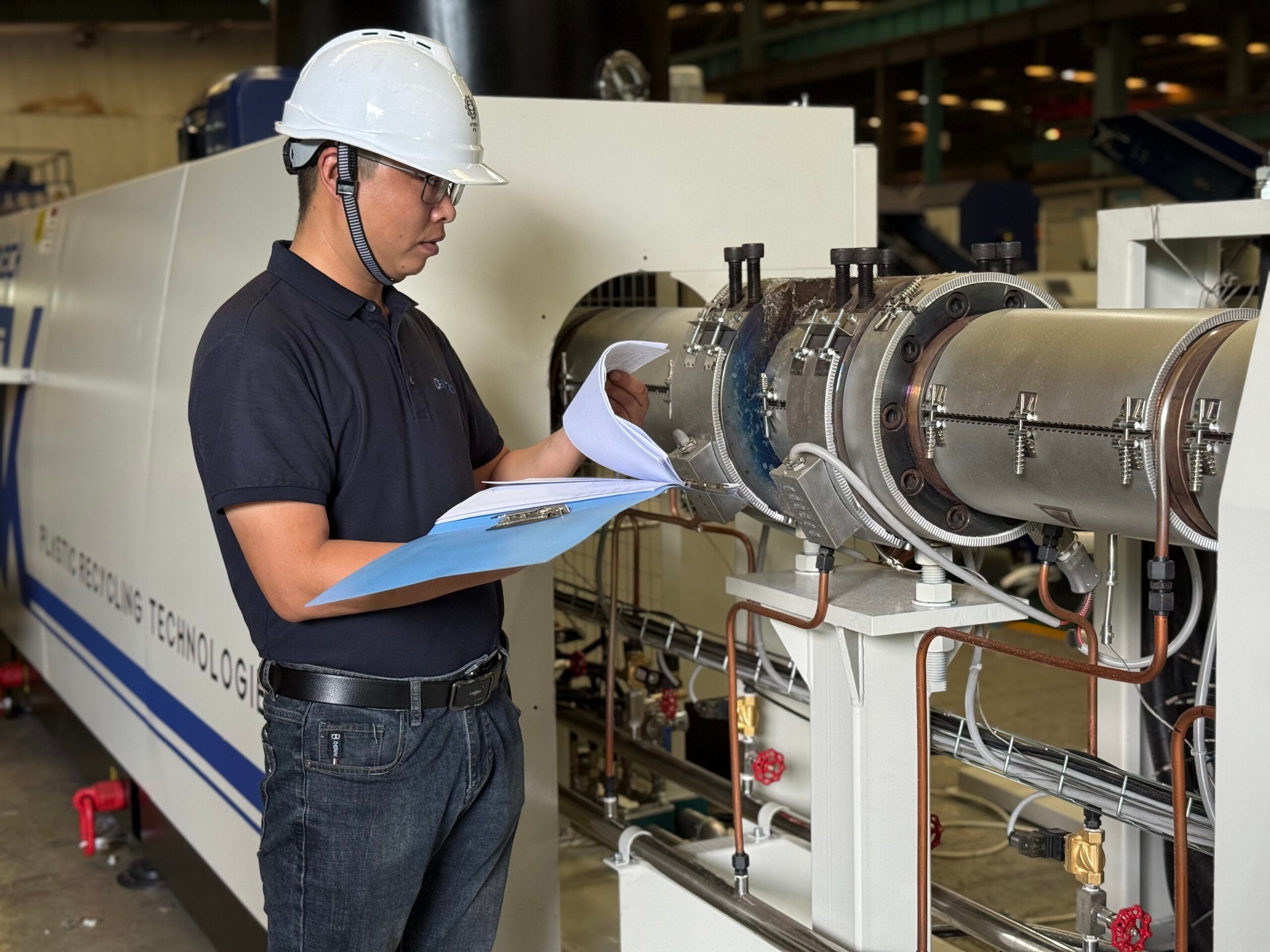
KITECH Factory Images
Certifications & Global Compliance
CE Marking
European Conformity
Machinery Directive 2006/42/EC
UL Listed
Underwriters Laboratories
Electrical Safety Compliance
CSA Certified
Canadian Standards Association
Equipment Safety
ISO 9001
Quality Management
Manufacturing System
60-Day Delivery
Guaranteed Shipment
From Order Confirmation
CE, UL, CSA approval – The LDW series can be shipped directly into the European, North American and Canadian markets without further third-party testing. Our Zhangjiagang facility has separate production lines for series, ensuring the quality control standards required by these bodies. Where designed for contact with food, the product is constructed of stainless steel on all wetted surfaces to comply with food-contact recycling requirements.
FAQ-PE Agricultural Film Washing System
Pricing depends on your throughput, contamination level of feedstock and configuration of system. A production line of 300 kg/h economically will have a very different price to a fully automated line of 2,000kg/h throughput with hot washing and water treatment. Please contact KITECH as soon as possible with specifications of your intended system [e.g. Throughput, contamination level (soil, sand, fertilizer, oil, lubrication, glue, paper labels, organic matter etc.)]. We will send you an individual quote within 48 hours based on your material and productivity information as above.
Our LDW series is designed to accept agriculture film of all types, including multi-layer PE, PEEP, PE-LD and linear low density. We also accept other post consumer plastics including pp and printed polyolefine. Please be aware – this is not simple single stage whole batch washing machine! It is a complete line, processing everything in stages – frist – pre-washing, then at high velocity – friction washing, at high temperature – hot washing, then floating separation. It removes contaminants in proportions exceeding 80%, including oil, sand, soil, organic matter, labels, glue, tape, residual agricultural fertilize.
Yes! KITECH’s strong points are in heavily contaminated agricultural film. The system we use for complex feeds such as heavily soiled plastic films, native fiber, etc. Because of our unique combination of technologies: prewashing, ushot hot washing, floating separation, we can get rid of the contaminants typically found at levels exceeding 80%; in particular, all know contaminants such as soil, sand, oil, glue, ink. We recommends you send a 200-500 kg sample to our factory for a free trial of your raw material.
PLC control with touchscreen HMI, integrated with all models of LDW. Continuous line output of motor RPM and temperature, chemical dosing, and flow rate of water. LDW1000+, 3-4 operators/shift for roller feeding supervision and quality control. Every step in washing, conveying, separation, and drying operations is using inverter-driven motors. Decontamination.
Two-stage dewatering: 1. Mechanical screw squeezer brings the moisture to about 15-20%. 2. centrifugal dryer (or thermal drying system) brings the moisture to less than 3-5%. Why two-stage? If using only centrifugal to dewater, you will still lose 3-5% material 3-5% fine film parts would be squeezed out through the holes on the screen. Due to our integrated squeezing system, your line would produce higher amount of useable PE Flake of output per ton input material. On a 1,000 KG/H line running about 300 days/years, a 3-5% saving of material recovery adds up to 144-300 Ton of more useable PE Flake/Year.
Stand-up type PE / PP film (or stuck film / scrap film) is a softer more flexible material – the main material types of mulch, greenhouse, and stretch packaging film. PP (or HDPE, or HDPE co-polymer) are stiffer and the main material types of woven bag, raffia, and certain packaging film materials. Both being polyolefins with density below 1 g/cm are float in the water. Which makes both processable on the same PP PE film washing line with density-based separation removing the stiffer or contaminated heavier materials. KITECH is able to process both HDPE and LDPE, LLDPE film types with the same LDW Series.
Standard delivery; 60 calendar days after schedule confirmed. Installation and commissioning; 7-15 days depending on the lines’ size and your site conditions. KITECH dispatch experienced technicians for installation, mechanical/Electrical debugging, and production start up and training. The engineering design provides foundation drawings and items list making your site work can be done in parallel with manufacturing.
97% plus contaminant removal rate, below 3-5% final moisture level, direct pelletizing for recycled PE pellets good for blown film (up to 200 micron), pipe, injection molding, and other extrusions.
Yes, when well designed and operated with the feed material systematically clean. Good quality PE flakes can reach $300-500 per Ton, depend on the regional market and grade conditions. The ability to deliver this to site depend on the input material you have, the production parameters (Lines size and operation hours/per year), energy costs, water, chemicals, energy costs, and operators skills. The throughput range for a LDW1000 would be about 800-1000 Kg/Hours and the operation run 20 hours a days 300 days a year would yield about 4,800 – 6,000 Tons/y. How this translates to your site need some specific calculations.
Centrifugal dryer alone leaves 20-30% moisture and 3-5% material loss, KITECH Screw Squeezing dryer stage with a balanced screw with integrated squeezing sections would achieve 15-20% moisture with no material loss. Followed by Centrifugal or Thermal dryer would bring the moisture down to below 5%. If processing thousands of Tons yearly this difference would translate into the Energy savings in the downstream dryers together with more weight in processed material produced.
Ready to Process Your Agricultural Film?
What is your throughput objectives, feedstock type and level of contamination? Within 48 hours we will then be able to provide you with a full system proposal and quotation.
Request a Custom Quote