Get in touch with Kitech Company

HDPE/PP Barrel/Crate/Basket/Lumps Washing System
HDPE/PP Barrel, Crate & Lumps Washing Line
Disinfect contaminated rigid plastics into pure reusable hdpe and PP flakes. Modular washing lines manufactured at our Zhangjiagang plant and dispatched to recycling operations in 60+ countries.
- 25+
- Years of Experience
- 200+
- Projects Delivered
- 60+
- Countries Served
- 5,000
- kg/h Max Capacity
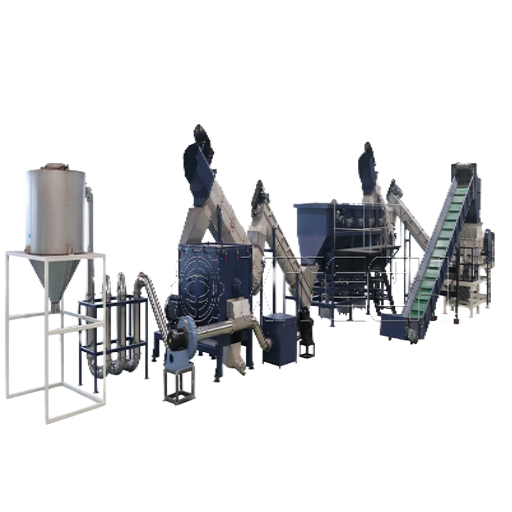
Modular Process for Washing Hdpe Washing Line
Pre-Processing
Bale breaker, pickup station, ferrous/removal prep, metal detector hdpe/PP loads for uniform feeding.
Size reduction & hot friction wash
Granulators, release contamination while presoak friction washing rinse oily shell before first centrifuge.
Drying & sorting
Thermal dryers, cyclones and NIR color sorters find harmony with PLC diverters for target output.
Automation & control
Siemens/Schneider PLC, inverter drives, ERP signals and remote SCADA maximize uptime and data visibility across the line.
Service & commissioning
Global engineers perform FAT/SAT and remain on-call 12 months with a stockpile of spare parts.
Material coverage
hdpe/PP drums, crates, baskets, lumps, valve drums – flexible clamps and conveyors fit all shapes.
What Is an HDPE/PP Rigid Plastic Washing Line?
An hdpe washing line is an industrial recycling system designed to convert soiled contaminated rigid plastics (chemical coated barrels, sun bleached crates sourced from a logistics yard, ground-up baskets sourced from a food manufacturing plant) into clean plastic flakes ready for pelletizing or direct extrusion.
Contamination Removal Process
Contamination removal is the primary function of every plastic recycling washing line. Labels, adhesive residue, oil and dirt mix with metal particles, organic debris, and food waste — the rigid plastics arriving at our recycling plants carry a combination of all of these. Each contaminant type is addressed by a dedicated stage in the process: mechanical scrubbing in friction washers, density-based separation tanks, and heated wash in caustic baths.
Rigid vs. Flexible Processing Needs
While washing lines dealing with flexible film materials use relatively fine crushers and relatively high speed shredders, the heavy-duty, slow gearing in plastic washing lines is built for crushing thick-walled, rigid containers: a 200-liter hdpe barrel requires a huge amount of torque to shred, and stacked ldpe shopping bags need drastically different conveyance flow. Downstream post-wash stages dealing with rigid flakes rather than flexible films also require a different approach to conveyor design, the friction washer form and position, and the dewatering method.
Global Throughput Capabilities
KITECH has over a quarter-century of experience manufacturing plastic recycling washing lines at our Zhangjiagang facility, since then we’ve delivered over 200 systems around the world; they offer variable throughput for hdpe, pp, and PE rigid plastics, ldpe, and ABS at up to 5000kg/h throughput.
Types of Rigid Plastic Waste We Process
A modular approach means new material types can be added at any time. Every KITECH washing line can be equipped to handle the full spectrum of hdpe and post-industrial rigid plastic waste streams:
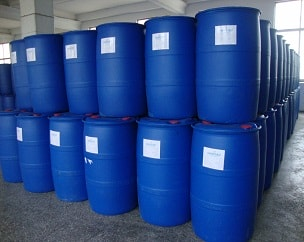
HDPE Barrels & Drums
Industrial, chemical, and food-grade drums, 200L reconditionable containers often contaminated by glue-based labels and lubricant/oil residues, requiring extended hot washing operations for proper removal.
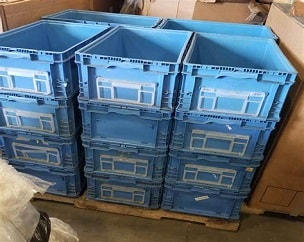
PP Crates
Agricultural and logistics crates. These are PP which separate easily in the sink-float tanks. Contaminants encountered include organic and inorganic debris in varying degrees of UV degradation.

PP Baskets
Food processing and packaging storage baskets. Separates efficiently during the sink-float process, highly adaptable to removing typical agricultural and retail contaminant layers.

Mixed Rigid Lumps
Collected from industrial and urban sources, baled and broken rigid plastics. Lumps are pre-sorted by hand or pass through a sink-float separation process for precise polymer classification.
Washing Line Capacity Calculator — Find Your KITECH Model
Enter your target daily output, material type, and operating conditions. This calculator determines the required throughput and recommends the right KITECH washing line model for your plant.
Your Washing Line Recommendation
—
Required Throughput
—
Recommended Model
—
Utilization Rate
—
Actual Daily Output
—
—
—
Model Capacity (kg/h)
—
Processing Overhead
—
Spare Headroom
—
Need a detailed layout and quotation for your specific feedstock? Talk to our washing line engineers.
Get a Custom Line ProposalKey Components of a Plastic Recycling Washing Line
Each part in the KITECH washing line is designed for the continuous production environment of a high throughput industrial recycling system. Here is what separates this recycling machine from ready-use equipment:
01
Single-Shaft Shredder
Handles intact barrels, stacked crates and big lumps. Its rotor uses user-replaceable D2 tool steel blades, paired with a hydraulic ram pusher to keep feed consistent. Blade lifetime on mixed rigid plastics averages 600-800 hours between sharpenings.
02
Wet Plastic Crusher
Uses water injection to suppress dust and precoats the feed material in prior to crushing. Open rotor prevents jamming of the system on muddy, dirty plastic material. SUS304 stainless steel all wetted surfaces resistant to corrosive effects of caustic wash.
03
High-Speed Friction Washer
Horizontal or vertical cylinder with horizontal or vertical axis of rotation with internal paddles. Open perforated drum allows drained dirty water while retaining flakes.
04
Sink-Float Separation Tank
Long, narrow tank with surface skimmers for floating hdpe/PP flakes and bottom screw conveyor for sinking contaminants. Water circulation system maintains uniform water levels in tanks and extract suspended fine particles that may recontaminate flakes on surface of tank.
05
Centrifugal Dryer
High-speed rotor (1200-1500 RPM) centrifugal action throws excess water from flake surfaces. SUS304 stainless steel 1200mm wide screen panels with perforations of carefully controlled size to retain flakes while allowing water passage.
06
Belt & Screw Conveyor Systems
Belt conveyors move processed material between each stage in the processing line. Screw conveyors do the same with wetter material, or inside slurries. All conveyors are hot galvanized or SUS304 depending on installation section of the line. Variable frequency drive motors give precision control of throughput from stage to stage.
07
PLC Control System
Line operated by a PLC and touchscreen HMI. Operators can monitor loads, probe water temperatures, control fluid levels in tanks, and record operating hours from a single station. Remote internet connection permits KITECH engineers to trouble shoot problems on-line, saving Plant downtime.
Versatile Industry Applications for HDPE Washing Lines
Our modular design provides flexible, on-demand processing stages, scaling seamlessly from single-line startups to multi-stream industrial facilities.
Municipal Sorting
Post-consumer rigid plastics acquired from city points. Multi-material bales are converted into clean feedstock.
Drum Recycling
Dedicated lines for chemical/food barrels. Hot wash removes contamination to create high-purity flakes.
Agricultural Plastics
Reprocessing irrigation pipes. Heavy pre-wash stages handle soil and debris for maximum polymer purity.
Automotive Parts
Processing bumpers and battery boxes. Sink-float sorters separate non-polymer components efficiently.
Technical Specifications & Capacity Options
KITECH standard hdpe PP rigid plastic washing lines come in six capacity tiers. All can be designed for custom capacity needs. Below are typical parameters for the standard KITECH configuration.
| Parameter | KT-300 | KT-500 | KT-1000 | KT-1500 | KT-2000 |
|---|---|---|---|---|---|
| Throughput | 300 kg/h | 500 kg/h | 1,000 kg/h | 1,500 kg/h | 2,000 kg/h |
| Installed Power | ~75 kW | ~120 kW | ~200 kW | ~280 kW | ~350 kW |
| Water Consumption¹ | ~2 m³/h | ~3 m³/h | ~5 m³/h | ~7 m³/h | ~9 m³/h |
| Output Moisture | < 2% (after thermal drying) | ||||
| Output Flake Size | 8–15 mm | ||||
| Construction Material | SUS304 stainless steel (wetted parts), Q235 carbon steel (frames) | ||||
| Motor Brand | Siemens / ABB (standard) or customer-specified | ||||
| Control System | Siemens PLC with touchscreen HMI + remote access | ||||
| Materials Processed | HDPE, PP, PE, LDPE, ABS rigid plastics | ||||
Case Studies & Recycling Project References
KITECH has delivered recycling solutions to >200 plants around the world. Here are three typical installations serving different types of rigid plastic waste streams.
Chemical Drum Recycling — Southeast Asia
A recycling in Malaysia needed to process hdpe drums that previously held industrial chemicals. The drums had adhesive label remains, residual chemicals under the label bands, stains from metal band clamps, and metal band clamp stains. KITECH configured a KT-1000 line with an extended hot wash stage (2 hot wash tanks in series, 80 C, 25 minute residence time), plus an additional Label Remover prior to the crusher. The finished HDPE flakes were shipped to our customer to be commercialized at a local pelletizing plant as pipe-grade resin.
“We tried running these drums through our old cold-wash line for six months before calling KITECH. The flake quality was terrible — adhesive residue blocked the pelletizer screen every two hours. The hot wash addition solved it completely.” — Plant Manager, recycling facility in Selangor
Agricultural Crate Washing — Middle East
A recycling designed for organic matter transport crates based in Jordan processes crates used for produce transport. Agrifood crates need multiple hot wash stages because they arrive on arrival with the onus of adhering organic matter and residual chemicals in the field. KITECH designed an oversized trommel screen (3 meters long versus 2 meters long) to handle the dirt loading and a magnetic separator before the crusher to remove any remnants from metal staple repairs. The customer then sold clean PP regrind directly from the recycling line to an on-site injection-molding machine producing new agricultural crates, creating a closed-loop process that produces cost-of-new-material savings.
Mixed Rigid Plastic Processing — West Africa
A first-feeder recycling in Lagos processes mixed bales of agricultural plastic containers, baskets, bottles, broken baskets, and other rigid plastic lumps. KITECH configured a KT-800 line with dual sink-float tanks that improve the separation of hdpe/PP from heavy contamination (first tank) and HDPE from PP (second tank). The second tank uses a control-loop sensor to adjust the salt-water solution density and maintain consistent separation quality. The facility now outputs two streams (clean HDPE flakes and clean PP flakes for sale to downstream customers for pelletizing).
“Running a recycling project in Lagos means dealing with feedstock you cannot always predict. The dual float-tank setup gives us flexibility to handle whatever comes in from our collection network.” — Operations Director
Smart Planning Tools for HDPE/PP Rigid Plastic Washing Systems
Frequently Asked Questions
Yes. The sink-float tank separates by density — hdpe and PP float while heavier contaminants sink. Mixed bales work fine. For heavily mixed streams, add an optional trommel screen before the float tank.
Floating is using the differences in density between sorted plastics and contaminants. hdpe is between 0.941-0.965 g/cm3 and PP is from 0.89-0.92 g/cm3 both of which float in water. Metal pieces, debris, glass and also the heavier plastics such as PVC are settled to the bottom and flushed from the water stream. Inside, water circulation provides with a continuous surface skimming (floating flakes) and bottom scraping (screw conveyor) to remove sinking material. With proper pre-washing and two-stage sinking, over 95% of foreign material can typically be removed.
Friction washing involves ultrasonic high-speed paddles (usually 800-1,200RPM) encased within a perforated drum which mechanically work off contaminants from plastic flakes. Hot washing involves use of heated water (normally 60-90C) and caustic soda solution to wash off any fine residues and remaining adhesives that friction is ineffective in removing, such as any residual oil, grease and glue from stubborn labels. Most hdpe barrel recycling lines involve both steps: friction washing to remove bulk dirt prior to hot washing to produce a chemical-grade cleanliness.
The hdpe/PP washing line can be purchased in six standard capacity categories from KITECH: 300 KG/hr (for starter operations), 500 KG/hr, 800 KG/hr, 1000 KG/hr, 1500 KG/hr and 2000 KG/hr. Configurations can be custom designed in up to 5000 KG/hr for larger recycling facilities. Actual throughput will vary based on the feedstock material – using barrels with thicker walls increases processing time by approximately 20% in the friction washer – as well as contamination level.
Price ranges based upon capacity size, configuration and required contamination throughput handling. 500 KG/hr configurations with standard cold to warm washing stages drive cost often below 1000 KG/hr configurations that include hot washing and water treatment stages. Major cost considerations tend to be: washing cycle count (cold-only wash vs. hot+cold wash cycle), capacity size requirements, degree of automation desired (manual sorting vs. PLC control), room temperature operation or 100% water jacketed operation, whether tank or full SUS304 materials are desired, hot wash water treatment add-ons, water circulation add-ons, metal detection add-ons, etc. Contact KITECH directly for a customized project quotation detailed for your feedstock analysis.
In order for KITECH engineers to provide an accurate quotation, we need four basic pieces of information. What type of waste plastic do you plan to process: barrels, crates, bottles, or mixed, what is your target through-put KG/hr, what contamination level does you feedstock have: clean post-industrial, dirty post-consumer, what will your flakes be used for directly? pelletizing, or directly for extrusion, or sold as clean regrind? Pictures or samples of your waste material will expedite a quotation considerably.
On a properly configured KITECH washing line, hdpe or PP flakes reach moisture content below 2% after centrifugal dryer, contaminant levels below 100 ppm and results in reliable flake size range of between 8-15 mm. These flakes are appropriate for direct pelletizing usage in recycled HDPE granules, extrusion in pipe, sheet or container blow molding applications, and injection molding. Final flake quality will depend upon the number of washing stages and the quality of input feedstock.
A closed-loop water circulation system filters and settles processed water and recycles through the washing process instead of using new water input with each batch. Typical reductions in water usage run 60-70% compared to open loop systems, including the addition of settlement tanks to remove heavy solids, using filtration to remove fine solids, and balancing pH levels to neutralize hot wash chemicals. Reduction in water requirements also generally increases performance in water processing and wastewater treatment costs – a major expense item where operating in countries with strict environmental regulations.
CE marking (mandatory in Europe), UL certification (North America), and CSA certification (Canada). KITECH washing lines carry all three. ISO 9001 quality management on the production line is also important.
KITECH provides a 2-year guarantee on all mechanical components of their equipment, including a 1-year guarantee on electrical components. Follow up support: 24 hour response to technical questions, remotely via internet PLC diagnostic and troubleshooting, on-site installation and commissioning of plant equipment by KITECH engineers, operator instruction on daily maintenance procedures and troubleshooting, provision of spare parts with typical delivery times of 5-7 work days. For complex operational concerns, the KITECH service engineer is dispatched directly to the customer, with a track record of supporting over 60 projects in 30 different countries.