Get in touch with Kitech Company

咨询表单

Agricultural Film Recycling Line

Complete Agricultural Film Recycling Line for PE Film Washing & Recycling Pelletizing

We are the leading manufacturers of China crafting all models of film recycling machinery for agricultural use. All of our PE film washing lines and film recycling pelletizing production lines treat dirty LDPE, HDPE mulch film and greenhouse film into an excellent recycled form. Enjoy a very competitive turnkey price of machines directly from our factory and instant worldwide assistance in plant layouts and installation.
500+
Film Recycling Lines Installed
65+
Countries Worldwide
500-3000 kg/h
Processing Capacity
Agricultural Film Recycling Line - PE Film Washing and Recycling Pelletizing Equipment
CE & ISO Certified International Quality Standards
Direct Factory Price No Middleman, Best Wholesale Price
Turnkey Solutions Complete Production Line Support
Global Service Network Installation & Technical Support

What Is an Agricultural Film Recycling Line and How Does It Recycle Agricultural Film Made of PE?

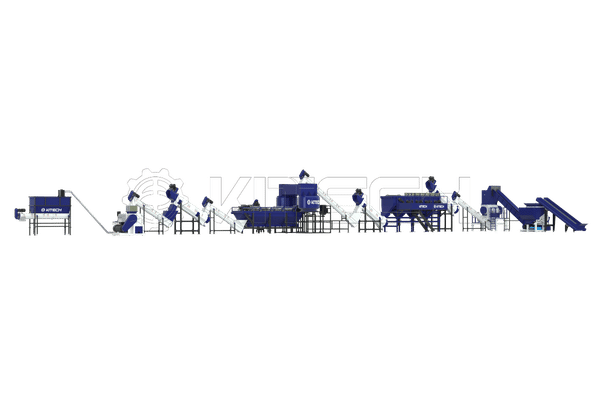
An agricultural film recycling line is a production line that has been designed for recycling agricultural film. Recycling activities include the recycling of PE agricultural film, LDPE mulch film, and HDPE greenhouse covers. We are a film recycling machines manufacturer and wholesaler in China. We provide complete solutions for size reduction, separation, washing, and recycling pelletizing as a continuous process.

Our PE film washing line starts with the collection and sorting of plastic wastes. This is followed by the washing, extrusion, and pelletizing of PE film. This line is designed to produce quality recycled PE pellets that are suitable for greenhouse films, plastic extrusion, and molded products.

Integrated Washing and Pelletizing Line

From soiled agricultural films to recycled pellets in a single production line

High Contamination Tolerance

Agricultural film with 30-80% sand and soil is effectively recycled

Environmental Regulation Adherence

Wastewater treatment and closed-loop water recycling maintains regulatory compliance

Types of Agricultural Plastic Our Greenhouse Film Recycling Line Handles: LDPE, HDPE, PE & More

Our film recycling machines specialize in polyethylene (PE) materials: low-density polyethylene (LDPE) and high-density polyethylene (HDPE). PE is the primary polymer used in mulch, greenhouse silage wraps, and agricultural covers. As one of the leading China manufacturers and suppliers, we offer customized configurations for recycling equipment based on different materials.
Most Common

LDPE Mulch Film

Film recycling for low-density polyethylene (LDPE) mulch films with high contamination tolerance. Customized parameters for mulch film contamination are optimized on our PE film washing line for superior pellet quality.
High Value

Greenhouse Film

LDPE/HDPE greenhouse film recycling with covers clear and UV stabilization. Material recovery is through washing and extrusion pelletizing. Quality of materials preserved throughout process.
Heavy-Duty

Silage Film & Wrap

In silage film recycling, stretch wrap and bunker cover the heavy-duty structures are reinforced with additional silage, organic, and fermentation residue prewash.
Specialized

Drip Tape & Irrigation

Streamlined configurations for recycling machines with the prewash integrated systems for the tube and tape systems of drip irrigation. Special cleaning of soils, minerals, and root systems is removed.
Industrial

Agricultural HDPE Covers

Recycling of polyethylene films used as pond liners, ground covers, and heavy-duty sheets polyethylene agricultural film. Extrusion parameters are optimized to cope with HDPE’s higher melting temperature.
Regional

Banana Film

Recycling line for tropical agriculture. Handles and washes (removes latex and organic matter) bunch covers and films for foliage protection.
Niche

Tobacco Film

Recycling configuration of tobacco crop covers; enhanced washing for the removal of tar and nicotine while maintaining the structural integrity of the PE material.
Versatile

Mixed PE Streams

Flexible configuration for the process of mixed streams of agricultural films made of LDPE and HDPE with density separation, allowing for the processing of films without extensive pre-sorting.

Complete Recycling Process: From Washing Line to Pelletizing Production

Over the years, our agricultural film recycling line has successfully mechanical streamlined the process of contaminated plastic waste to high-quality recycled pellets through our cutting-edge recycling, separation, and extrusion-pelletizing technologies.
1
Sorting Station

Collection & Pre-Sorting

The agricultural film and plastic waste manual/mechanical pre-sorting collection and pre-sorting process clear larger debris, and, for the sake of optimal process efficiency, segregate different polymers: (LDPE, HDPE, PE).
2
Shredder Machine

Crushing & Shredding

Industrial strength agricultural films, crushers, and shredders reduce to the same uniform flakes of film of a constant size, and also optimize the downstream processing to wash, and extrude, and then further pelletize, the material.
3
Friction Washer

Intensive Film Washing

Our PE film washing line capabilities achieve a contamination removal rate of 95% or better. Multi-stage washing with friction washers, hot water tanks, and chemical dosing removes pesticide, soil, and sticky debris.
4
Separation Tank

Float-Sink Separation

The Sink-Float tanks with PE contaminants, and other plastics, and, the preservation of LDPE and HDPE separated flakes. Also a Sink-Float Tank can remove “Heavy” contaminants.
5
Dryer Unit

Dewatering & Drying

Quality recycling pelletizing results from proper moisture control, which also is beneficial to the dry systems, Hot Air, and the centrifugal screen, which also remove moisture level to below 3%.
6
Pelletizer

Extrusion and Pelletizing

Our pelletizing machine receives the cleaned flakes, wherein the materials are melted, filtered through melt screens, and extruded into uniform recycled pellets using strand or underwater pelletizing techniques.

How Our Greenhouse Film Recycling Equipment Works: Creating Premium Recycled PE Pellets

In our Agricultural Film Recycling Line, the recycling pelletizing starts with the extruder creating a melt with the cleaned plastic flakes, which is filtered through precision dies, and strand or underwater pelletizing, which yields uniform recycled PE pellets. Advanced melt filtration and vacuum degassing guarantee consistency and low contamination.
Our PE film washing line and recycling machine with optimal impurity removal yields recycled PE pellets with a predictable melt flow index (MFI) and mechanical strength, as well as a suitable appearance for reuse in greenhouse films, mulch films, extrusion profiles, and other plastic products.

Uniform Size

Precision cutting systems ensure pellet uniformity in diameter and length, streamlining downstream processing.

Low Contamination

Multi-stage melt filtration thoroughly eliminates the impurities, resulting in a clear, high-quality recycled output.

Stable MFI

Melt flow properties being suitable for film extrusion applications is a result of effective process controls.

Market Ready

Industry standards are met with recycled pellets for the manufacturing of greenhouse film, bags, and other plastic products.

Specifications for Recycled Pellets

Pellet Diameter
3-5 mm
Moisture Content
< 0.1%
Melt Flow Index
Adjustable
Contamination Level
< 50 ppm
Bulk Density
0.5-0.6 g/cm³
Uses
Film, Bags, and Injection

Agricultural Film Recycling Machine Applications by Film Type

Our recycling equipment for farm plastics is capable of handling a wide variety of agricultural plastics, including clean greenhouse film and heavily contaminated ground cover plastic.
Most Common

Greenhouse Film Recycling

Using our PE film washing line, you are able to process greenhouse films (80-150μm). Clean LDPE/LLDPE materials with UV inhibitors are processed into recycled pellets suitable for re-extrusion.
LDPE/LLDPE 80-150μm Low Contamination
  • Recycling of UV Stabilized Films
  • High-Clarity Recycled Pellet Production
Limited Competition

Silage Film Recycling Equipment

Our Silage Film Recycling Equipment processes stretch wraps and bale wraps with organic contamination. Our advanced pre-wash systems remove fermented organic matter prior to processing in the LDPE film washing line.
LLDPE Stretch Multi-layer Organic Contamination
  • Organic Contamination Removal System
  • Multi-Layer Film Recycling Capability
Untapped Market

Drip Tape Recycling Machine

Recycling machines for the agricultural drip line and the irrigation tubing. Our PE agricultural washing machines are equipped with special shredders for tubular structures and proprietary systems for sediment removal.
PE/PP Tubing Internal Deposits Precision Agriculture
  • Tubing Material Crushing Technology
  • Mineral Membranes Removal
Regional

Banana Film Recycling Line

The machine is designed for tropical agriculture environments. During this tropical climate, our agricultural film recycling technology processes bunch covers and protective bags with a climate-specific contamination profile.
LDPE Blue Film Tropical Organic Matter
  • Tropical Blue PE Film Decolorization
  • Tropical Climate Adaptation
High Demand

LDPE Film Washing Line

This line is a complete solution for post-consumer and post-industrial LDPE films. Our film recycling technology creates an exceptional quality for film-grade applications shredded pellets with controlled Melt Flow Index.
LDPE Film Post-Consumer Film-Grade Quality
  • Film-to-Film Recycling Technology
  • Melt Flow Index Control
Versatile

HDPE Film Recycling Machine & PP Woven Bag Processing

Versatile Configuration of HDPE Film Recycling Machine Handles Woven Bags, and Twine, Rigid, and Flexible Mixed Agricultural Films. Integrated Density Separation for Recycling Streams of LDPE, HDPE, and PP Films.
HDPE/PP Mixed Woven Bags Rigid + Flexible
  • Multi-Polymer Separation
  • Woven Bag De-Weaving Technology
Industry Challenges

Common Mulch Film Recycling Machine Challenges and How Our China Factory Solves Them

Being in the plastic recycling industry, we know the difficulties associated with farm plastic recycling equipment. Here is how our engineering team tackles the challenges.

01

High Sand Contamination

Sand and soil contamination is in the 30-80% range with agricultural films which makes standard washing equipment virtually impossible.

Our Solution

We have a robust and advanced washing system for high contamination films. Our multi-stage friction washer and cyclone system operates at 95% cleaning efficiency.

02

ROI Uncertainty

Buyers are hesitant to invest in equipment costing $50,000-$500,000+ due to the uncertainty of returns and operational efficiency.

Our Solution

Factory direct wholesale pricing throws out the middleman’s markup. We present ROI assessments, energy efficiency metrics, and other case histories with a typical 12-18 month recovery payback.

03

Equipment Selection

In selecting agricultural films recycling systems, there are complexities, inconsistent supplier configurations and plenty of choice which makes the wrong selection inevitable.

Our Solution

Technical Assistance is provided free of charge from our engineering team. We will focus on your material, contamination level, and capacity to provide you with the most suitable production line.

04

Concern on Supplier Quality

Buyers, mainly those from other countries, experience more concern when dealing with Chinese manufacturers due to the perceived lack of reliability, support, and inconsistent quality.

Our Solution

CE & ISO certified manufacturing, customer reference visits, video factory tours, 12-month warranty, and installation and maintenance support via your own allocated technical support team.

05

Environmental Compliance

Recycling equipment must comply with local regulations for wastewater discharge, emissions, and solid waste recycling.

Our Solution

Fully integrated wastewater treatment systems with sedimentation and closed-loop systems for washing water. Documentation support for environmental permit applications.

06

Pellet Quality

Market value of recycled PE materials is diminished by the inconsistent quality of recycled pellets and its impact on downstream applications.

Our Solution

Advanced systems for melt filtration, degassing, and precision pelletizing control provide uniformity in pellet size and in melt flow index contamination for reuse in greenhouse films.

Eco-Friendly

How Our PE Film Washing Line Eliminates Pollutants and Helps Save Our Environment

Our agricultural film washing and recycling system helps remove contaminants using mechanical methods, chemical treatments, and separation by density techniques. A system like this helps curb pollution by stopping contaminated film from being sent to landfills and converts plastic waste into usable recycled pellets.
The film washing line has temperature controlled hot washing, non toxic detergents, powerful and high torque friction washing paddles, and multiple rinse cycles to remove pesticide residue and soil from contaminated agricultural film while PE remains intact.

Hot Washing

Temperature controlled washing systems increase cleaning efficiency by hot melting and washing the residues.

Friction Cleaning

Integrated high-torque friction paddles remove soil, plant matter, and sticky residues.

Multi-Stage Process

Contamination removal and water savings are optimized by washing filtration beds in a countercurrent staggered configuration.

Closed-Loop Water

Water recycling combined with on-site filtration exceeds environmental regulations and reduces water use.

Why Partner with Us as Your Mulching Film Recycling Equipment Manufacturer & Supplier

We are one of the reputed manufacturers in China of plastic recycling machines , offering superior quality, technical support, and competitive pricing for your film recycling line.

Factory Equipment

Avoid the middlemen. Import directly and pay less. Our prices are structured for B2B relationships, which means you can save 20-30% compared to distributor pricing.

International Standards

All recycling equipment is fully compliant with CE, ISO 9001-2015, and SGS. A complete documentation package is provided for your import and environmental compliance.

Comprehensive

All of your requests can be accommodated. From equipment to design of the complete production line, we guide and support you through installation, operator training, and maintenance.

Worldwide Network

We service 65+ countries and have 500+ installations. You can reach us 24/7 on WhatsApp, and we offer spare parts, remote support, and video call assistance for a seamless customer experience.
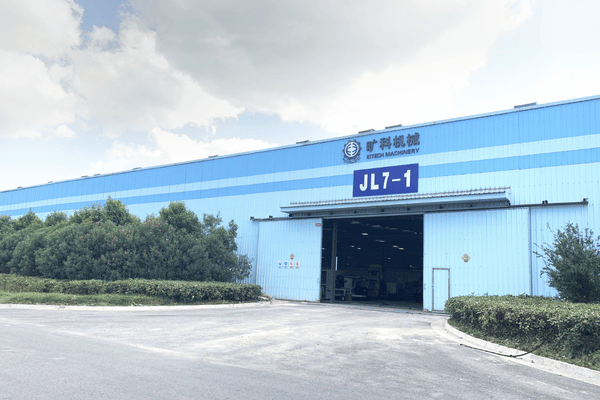
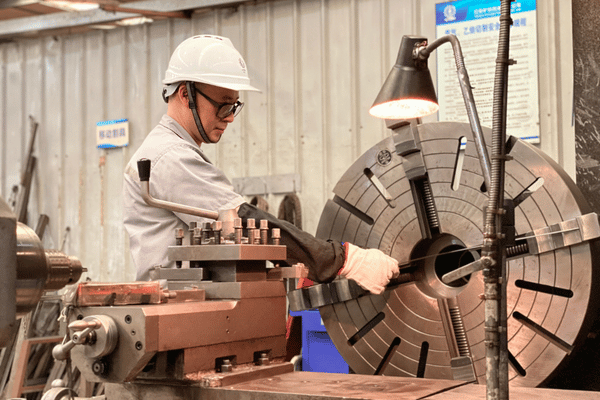
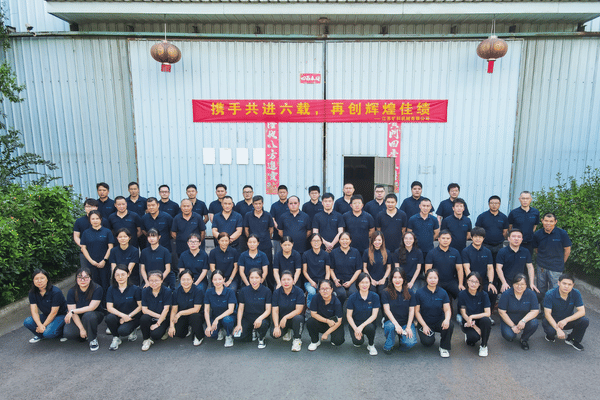
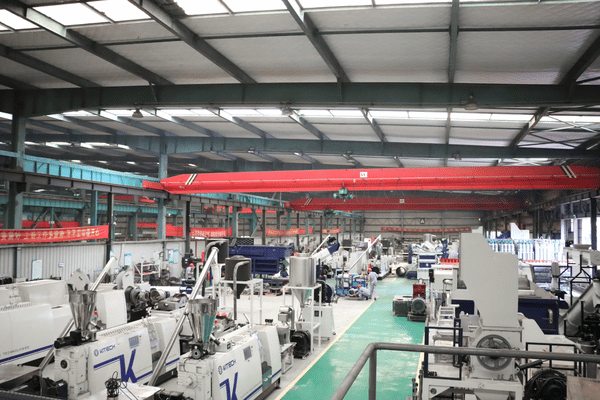
Agricultural Film Recycling Machine Manufacturing Facility - Kitech Recycling
Interactive Tools

Agricultural Film Recycling Tools

Comprehensive calculators and configurators to help you plan your agricultural film recycling investment. Get instant ROI analysis, equipment configuration, and material assessment.

ROI Calculator

Calculate your investment return and payback period

Input Parameters

Production Capacity 500 kg/h
300 kg/h 2000 kg/h
Equipment Investment $150,000
$80,000 $500,000
Daily Operating Hours 16 hrs
8 hours 24 hours
Annual Working Days 280 days
200 days 350 days
Line Configuration
Primary Film Type

ROI Analysis Results

Annual Output
1,904 tons
Annual Revenue
$1.52M
Operating Cost
$1.07M
Net Profit/Year
$452K
Estimated Payback Period
4 months
5-Year Cumulative Profit Projection

Detailed Annual Cost Breakdown

Cost Item Calculation Basis Annual Cost
Raw Material (Agricultural Film) 2,240 tons × $300/ton $672,000
Electricity 125kW × 16h × 280d × $0.10 $56,000
Water & Wastewater 2 m³/ton × 2,240 tons × $3 $13,440
Labor 5 workers × $30,000/year $150,000
Maintenance & Spare Parts 5% of equipment investment $7,500
Total Operating Cost $898,940

Production Line Configurator

Configure your ideal recycling line in 3 simple steps

1
Film Type
2
Capacity
3
Output Type

Step 1: Select Your Primary Film Type

Greenhouse Film
Transparent/colored LDPE film, 80-200μm thickness, low contamination
Yield: 90-92% | Low Processing Difficulty
Mulch Film
Ultra-thin LDPE/LLDPE, 8-25μm, high soil contamination (30-80%)
Yield: 70-78% | High Processing Difficulty
Silage Wrap Film
High-stretch LLDPE, multi-layer structure, organic residue
Yield: 82-88% | Medium Processing Difficulty
Drip Tape / Irrigation
Tubular PE/PP structure, internal sediment deposits
Yield: 75-82% | Specialized Equipment Needed
Mixed Agricultural Film
Various PE types mixed, variable contamination levels
Yield: 75-80% | Flexible Configuration
Banana / Tropical Film
Blue/transparent LDPE bags, low contamination, tropical applications
Yield: 85-90% | Low Processing Difficulty

Step 2: Select Production Capacity

300 kg/h
Entry-level capacity for small operations
~1,200 tons/year (16h × 250d)
500 kg/h
Standard capacity for medium operations
~2,000 tons/year (16h × 250d)
1000 kg/h
High capacity for large-scale recycling
~4,000 tons/year (16h × 250d)
2000 kg/h
Industrial capacity for major recycling plants
~8,000 tons/year (16h × 250d)

Step 3: Select Output Type

Clean Flakes
Washed and dried film flakes ready for further processing or sale
Lower investment | $500-650/ton market price
Recycled Pellets
Fully processed pellets ready for injection molding or extrusion
Higher value | $700-900/ton market price

Your Recommended Configuration

Film Type
Capacity
Output

Equipment List

Technical Specifications

Power Requirement
Water Consumption
Annual Output
Space Required
Workers Needed
Estimated Investment Range
$120,000 – $180,000

Film Type Assessment Tool

Get customized recycling recommendations based on your film characteristics

1. What is the primary source of your agricultural film?
Select the category that best describes where your film waste comes from
2. What is the predominant color of your film?
Film color can affect sorting and recycling processes
3. What is the approximate thickness of your film?
Thicker films are generally easier to process
4. Estimated contamination level (soil, sand, organic matter)
Drag the slider to indicate contamination percentage
20%
Assessment Complete
Recyclability
High
Processing Difficulty
Low
Output Value
$800/ton

Technical Data

Material Type LDPE – Greenhouse Film
Expected Yield 88-92%
Recommended Process Standard washing + pelletizing
Special Equipment Sink-float tank

Recommendations

Get Instant Quote

Customer Success Stories: Solutions for Agricultural Film Recycling Lines

Discover how agricultural cooperatives and waste management companies across America have transformed their plastic waste challenges into profitable, sustainable operations with our customized recycling solutions.
01
California, USA

California Central Valley Agricultural Cooperative

Machine for Recycling Mulch Film – 1,000 kg/h Agricultural Film Recycling Line
Client Central Valley Ag-Recycle Cooperative (47 farm members)
Location Fresno County, California, USA
Sector Vegetable and fruit production (tomatoes, strawberries, peppers)
Implementation Date March 2024
Total Investment $385,000 (complete turnkey solution)

What Went Wrong

The Central Valley Agricultural Cooperative had a severe waste management challenge. Processing over 12,000 acres under plastic mulch cultivation, the Cooperative was also generating around 2,400 metric tons of contaminated mulch film every year. The main difficulties were:
Levels of Extreme Contamination

The mulch film that was being collected contained 45-65% soil, sand, and organic debris by weight. This was caused by the region’s sandy loam soil and mechanical harvesting of sandy loam soil.

Increasing Disposal Expenses

The cost of filling a landfill was over $78 a metric ton, and without factoring the expenses around collection and transportation, the cooperative was spending over $187,000 yearly just on disposal.

Regulatory Pressure

New California SB 54 legislation was increasing recycling quotas on specific types of plastic, especially agricultural plastic which was qualifying for new Producer Responsibility laws.

Limited Recycling Alternatives

Local recyclers chose not to process the contaminated material, and the applicable facility for recycling would have been over 400 miles away, making it economically unreasonable to transport.

Our Response

Our engineering team, after performing an on-site evaluation and reviewing samples of the contaminated mulch film, created a tailored, high-contamination recycling line for agricultural film that was specially designed for the more difficult material characteristics:
Pre-Treatment Stage

For the first step in processing, we included a sand remover with a 3-stage dry cleaning process. This proprietary design eliminates 70-80% of sand and soil before the material is sent to the wet washing line, which greatly improves the downstream equipment’s lifespan and reduces water usage.

Advanced Washing System

The washing line for PE film has two in-series friction washers and an agricultural film float-sink separator which is more efficient. The system is capable of producing flakes for pelletizing after achieving contamination removal levels of over 99.2%.

Water Recycling System

In response to the water shortages in California, we designed a water treatment system with a closed loop that recycles 85% of the process water. The sedimentation and filtration system is designed to accommodate the heavy sediment load from mulch film processing.

Pelletizing Line

A single-screw compactor-style plastic film pelletizing line processes clean flakes into LDPE pellets of the highest quality. The system features a degassing mechanism, which processes residual volatiles from the agricultural film.

Implementation Process

The project was carried out sequentially, in four phases, spanning a total of 16 weeks:
Phase 1 – Weeks 1-4 Site Preparation

Our team provided the cooperative with detailed drawings of the foundation and the necessary utilities for the site. The cooperative modified the internal space of the 15,000 sq ft agricultural equipment warehouse by constructing the eliminated electrical (480V, 3-phase, 600A service) and water service infrastructure and supply line for the required utilities.

Phase 2 – Weeks 5-10 Delivery of Equipment and Installation

All equipment was delivered in four containers, each measuring 40 feet. The supervisor for our installation team traveled to the site to oversee the installation and worked with the local mechanical contractors. The modular system design facilitated seamless and efficient assembly without the need for any special construction tools.

Phase 3 – Weeks 11-14 Testing and Commissioning

A comprehensive commissioning process was conducted by our senior technician. This process is inclusive of the testing of individual pieces of equipment, integration of the system, and trials for the full production capacity of the system. Based on the material from the cooperative’s collection program, the process parameters were modified to perfection.

Phase 4 – Weeks 15-16 Training and Handover

We delivered a full spectrum of operator training to 8 employees. This training encompassed operational troubleshooting and quality assurance, as well as logistical and maintenance training. Operating Manuals and maintenance guides were developed and delivered in English and Spanish.

Results and Performance Metrics

Operating for 10 months, the system has surpassed all performance benchmarks:
1,050-1,120 kg/h Actual Throughput
99.4% Contamination Removal (45-65% to <0.5%)
380-420 kg/h Clean LDPE Flakes Output
350-400 kg/h Pellet Production
MFI 1.8-2.2 Pellet Quality (g/10min)
1.8m³/ton Water Usage
285 kWh/ton Power Usage (clean output)
2,400 hours Equipment Hours (10 months)
1,850 tons Material Processed
94.7% Equipment Uptime Availability

Financial Metrics

Avoided Disposal Costs $144,300/year (1,850 tons × $78/ton)
Revenue from Pellet Sales $385,000/year (at $550/ton average)
Annual Operational Costs $165,000 (labor, utilities, maintenance)
Annual Net Benefit $364,300
Break Even Expectation 13 months (expected February 2025)
“Out of five prospective equipment suppliers, theirs was the only one that showcased some understanding of the difficulties unique to our industry – namely, the recycling of agricultural films mulch films. Contamination levels in our mulch films defeated the other systems we tried. Before coming up with a solution, their engineering team spent 3 days on our loans analyzing our materials and methods of collection. The system he designed for us transformed our mulch film washing from a $200,00 annual expense to a profit-generating business unit. The commissioning support and continued technical assistance have been outstanding.”
Miguel Hernandez Operations Director, Central Valley Ag-Recycle Cooperative
02
Texas, USA

Texas Agricultural Waste Management Company

Complete PE Film Washing Line for Farm Plastic Recycling Equipment – 500 kg/h
Client Lone Star Plastic Recovery LLC
Location Amarillo, Texas, USA
Industry Agricultural Waste Management and Recycling
Installation Date August 2023
Investment $245,000 (equipment + installation support)

The Challenge

For over 12 years, Lone Star Plastic Recovery has served the Texas Panhandle, collecting agricultural plastic waste from farms. However, as the company grew, so did the challenges, especially when their conventional means of disposal became increasingly limited:
Diversified Waste Stream

Their collected waste included an array of LDPE mulch films and various greenhouse films, making it difficult to pinpoint and implement even one recycling solution.

Varied Levels of Contamination

Contamination levels varied from 15% for relatively clean greenhouse films to 55% for field-collected mulch films. This variability made processing parameters difficult to standardize.

Transition in Business Model

As a small family-owned company with zero manufacturing experience, the owners of the company required a farm plastic recycling equipment solution that was simple enough operationally, with no operational or technical complexity.

Limited Capital

The budget was under $300,000, and they wanted a full solution that could accommodate their volume.

Our Solution

We provided a flexible system designed to optimize mixed agricultural film streams:
Pre-Processing

The shredding system has a variable speed drive and operational controls that allow the shredding to be customized based on the material type. There is also a manual bypass option to allow cleaner greenhouse film to by-pass the pre-wash stage, which improves throughput when processing less contaminated materials.

Washing

The system has a robust configuration that includes a hot washing tank, with temperature control (40-60°C) to address adhesive leftovers from labels and tape. This is common in agricultural films. The friction washer system is effective with the different levels of mixed contamination.

Control Simplicity

Considering the client’s limited technical background, we provided a PLC control system with basic operations that were pre-programmed for different materials. The operator chooses between “Mulch Film”, “Greenhouse Film”, and “Mixed” options, which changes the flow and process to automate the relevant system parameters.

Space Efficient

The entire line was designed for their 8,000 sq ft facility so that it could be fully utilized and also manufactured in a linear fashion to allow for future expansion.

Results and Performance Metrics

Performance Metrics for the 18 month period:
480-530 kg/h Average Processing Capacity (depending on material)
210-250 kg/h Clean Flake Output
190-230 kg/h Pellet Production
2,650 tons Material Processed
$45/ton Average Operating Cost (clean output)
$480-620/ton Pellet Sales Price Range (depending on quality)
$380,000/year New Revenue Stream Created (from pellet sales)
6 → 14 Service Area Expanded (counties)
5 New Jobs Created (full-time positions)
“Our company started as a trucking company that transported plastic. We are now a recycling company with trucks. The PE film washing line completely transformed our business model. The equipment has been very reliable. In the last 18 months, we’ve only had one major breakdown and their technical support had us up and running within 2 days and had the parts overnight. The recipe based control system suited our company perfectly. My operators don’t need engineering degrees to run this line efficiently.”
Robert “Bobby” Martinez Owner, Lone Star Plastic Recovery LLC
03
Wisconsin, USA

Wisconsin Dairy Farm Consortium

Agro-Silo Recycling Equipment for Agricultural Cooperatives – 800 kg/h Silage Film Recycling Equipment Line
Client Dairyland Sustainable Farming Cooperative (89 member farms)
Location Green Bay, Wisconsin, USA
Industry Dairy farming and corn silage production
Date of Installation November, 2023
Amount of the Project $312,000 (including the water treatment system)

The Challenge

Farms in Wisconsin’s dairy sector face the challenge of sourcing large amounts of corn silage, as the industry operates with silage wrap and bunker cover film. The Dairyland Cooperative had to deal with a few interrelated issues:
Characteristics of Silage Film

The recycling of silage films as an entire package (bale wrap) becomes problematic, as it is often highly stretched, multi-layered, and contaminated with organic silage debris, fermentation acids, and even excessive moisture.

Retention of Films

Retention of films is problematic, as it is concentrated in spring and autumn, creating a large volume (more than 450 tons) of films to be removed within an 8-week period. The stored material attracted pests and created a fire hazard.

Encroaching Regulations

The Wisconsin Department of Natural Resources had provided warnings to some of the member farms regarding the unregulated storage of outdated plastics. The cooperative required a system that would be compliant with the regulations.

Concerns with Odors and Wastewater

The organic contamination on silage film rapidly decomposes producing foul odors. Any recycling operation would have to address both the processing wastewater and the air quality.

Our Answer

We developed a tailored recycling system for silage film which focuses on the particularities of this material stream:
Pre-Treatment of Organic Contamination

A dedicated step for the removal of organic matter with counter-current water sprays removes the silage residue prior to shredding. This ensures that the organic material is not pulverized into the plastic and streamlines the cleaning process of downstream systems.

Washing with Alkaline Heat

Organic films on the plastic surfaces and fermentation acid residues are neutralized by the mild alkaline solution (pH 9-10) in the hot wash tank.

Advanced Wastewater Treatment

A full wash water treatment system including a biological treatment unit is implemented due to the high biological oxygen demand (BOD) of contaminating silage wash waters. The treated water is suitable for agricultural discharge standards and used for irrigation on the farm.

Odor Control System

The recycling of silage films with the problematic odors in residential-adjacent areas is made possible with active ventilation and biofilter treatment of the odor in the enclosed processing areas.

Results & Performance Metrics

After a single silage season cycle, we present the results:
780-850 kg/h Processing Capacity (consistently sustained throughput)
680-580 kg/h Clean Flake Output (yields 68% of raw material)
99.1% Organic Removal Efficiency (silage residue removal)
1,420 tons Material Processed (Year 1)
89 farms Member Farm Participation (100% of member cooperative)
<20 mg/L Wastewater Quality BOD (meets discharge standards)
Zero Odor Complaints (from adjacent properties)
Ag Pipe/Sheet Pellet Quality Application
$156,000/year Cooperative Savings (from avoided disposal costs)
“For us, silage film has always been the most problematic waste stream – it’s heavy, smelly, and no one wants to deal with it. We spoke to six equipment suppliers and most tried to sell us standard film recycling equipment without understanding what silage film looks like after a season in the bunker. This team sent us engineers that came to the farm during silage removal, saw the material, and tailored a solution for us. The fact that the system has wastewater management was critical – we couldn’t have permitted this system without it.”
Dr. Karen Lindquist Executive Director, Dairyland Sustainable Farming Cooperative

Frequently Asked Questions (FAQs)

Recycling polyethylene agricultural films converts waste polyethylene agricultural films into reusable plastic pellets and decreases carbon footprint by recycling agricultural films. It promotes sustainable farming by recycling agricultural films, decreasing waste, and preserving valuable resources by offering, in addition to pollutants, an innovative production technology for closed-loop sustainable farming systems.