Get in touch with Kitech Company

Plastic Washing System — Industrial Solutions for Every Plastic Stream
From post-consumer PET bottles to agricultural film and WEEE plastics, KITECH washing systems produce clean, high purity flakes at 250 to 10,000kg/hr. Three dedicated product lines. One engineering team. 25 years of experience in manufacturing recycling machinery in each line.
Get a Free System Design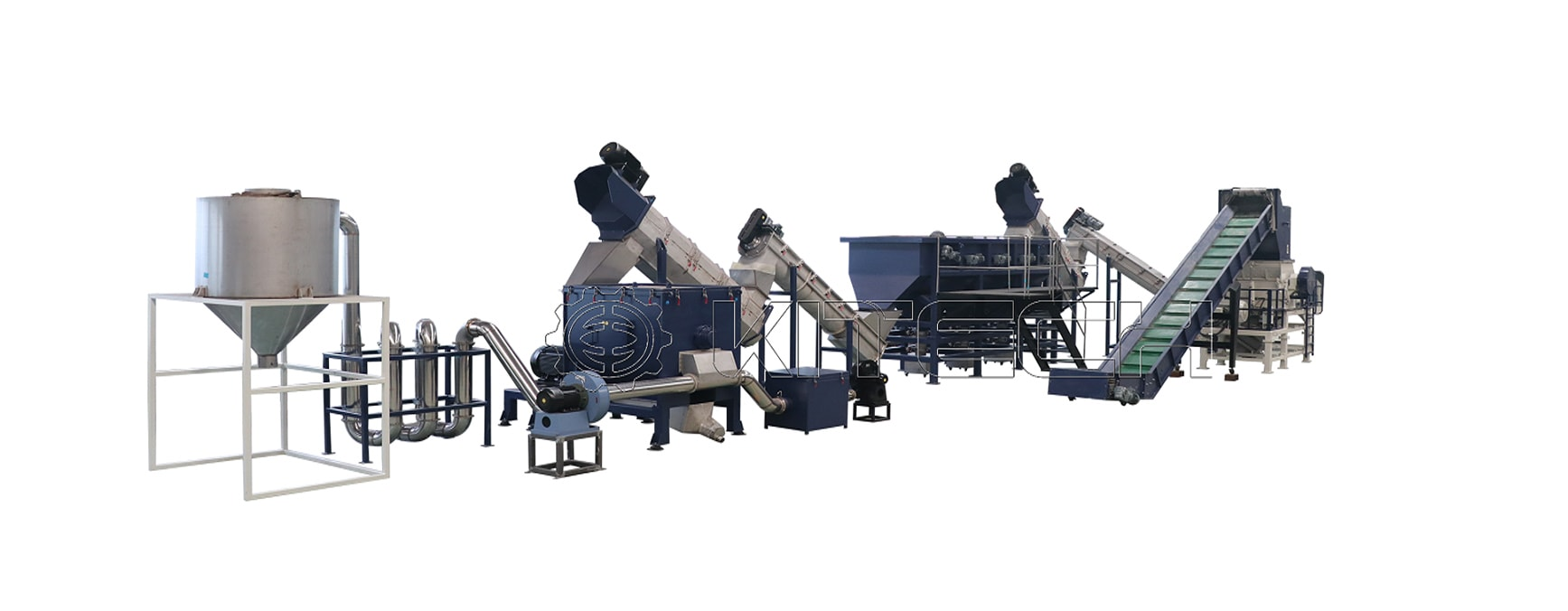

250–10,000
kg/h Capacity Range3
Product Series (Soft / Rigid / WEEE)500+
Clients in 80+ Countries60 Days
Delivery GuaranteeCE / UL / CSA
Global Certifications24/7
Technical SupportContaminated Plastic Waste? Here Is How KITECH Solves It
01
Industry Challenges
Recycling operations that start with post-consumer plastics encounter the same three challenges: extreme contamination due to oils, adhesives, and food residues; mixed streams of plastics that block single resin machines; and wildly inconsistent plastic flakes that downstream pelletizers won’t accept. Manual washing equipment is never fast enough to handle over a ton a day, and the cost per ton processed gets prohibitively expensive.
02
Automated Washer System
A washer system automates the washing process,
capturing the bale, de-packaging it, reducing the size, washing it with friction, hot water or steam, separating it by sink-float, and finally mechanically dried it. KITECH has designed and built dozens of plastic washing lines in our Zhangjiagang manufacturing facility. We engineer three product series, matched to feedstock type, including flexible film and woven bag washing systems, rigid HDPE/PP/ABS bottle and container washing systems, and WEEE mixed plastics washing systems. Each series consists of individual modular components, available as a single line or a system design, and scaled to any throughput requirement.
03
Guaranteed Results
End result: high purity plastic flakes
with moisture content as low as 3–5%, ready for pellet production or fiber spinning. Whether you process contaminated plastic from post-consumer waste streams, LDPE agricultural film, HDPE bottles, or PE film from industrial packaging, our recycling system handles each type of plastic with dedicated washing and dewatering modules. We build these plastic washing systems for 24/7 nonstop operation with 3–12 operators depending on line throughput, achieving contaminant levels low enough for direct pelletizing or reuse in recycling industry applications.KITECH Washing Lines — For Soft, Rigid, and WEEE Plastics
All three series boast KITECH’s modular control architecture together with the use of low-voltage and international electrical brand components, but the core mechanics differ from type to type, including shredder shape, dryer type, and washer design. Here, you will find a full specification range with a decision matrix.
Soft Plastic Washing Line (LDW Series) — Film, Bag, and Fiber Recycling
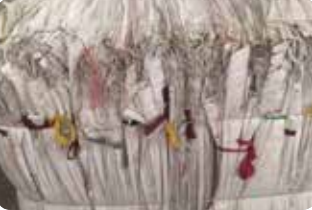
Flexible film, woven bags, fiber, oil residue, and adhesive buildup dominate the LDW series feedstock. A high-torque crusher with 4 way interchangeable blades takes on flexible film, woven, and fiber waste, sharing its modular design with several friction dryers and a squeezer-type medium-pressure steam dryer that mechanically presses moisture away from the flexible waste better than centrifugal drying alone. We provide LDW lines to producers of greenhouse film to textiles, and show proven water, oil, and adhesive removal and low residual moisture to end users.
| Model | Capacity (kg/h) | Footprint L×W×H (m) | Energy (kWh) | Installed Power (kW) | Steam (kg/h) | Chemical (kg/h) | Operators/Shift |
|---|---|---|---|---|---|---|---|
| LDW300 | 250–300 | 29 × 10 × 5 | 120 | 195 | 0–150 | 0–2 | 3 |
| LDW500 | 400–500 | 35 × 12 × 6 | 180 | 290 | 0–200 | 0–4 | 3 |
| LDW1000 | 800–1,000 | 50 × 12 × 6 | 280 | 446 | 0–300 | 0–8 | 4 |
| LDW1500 | 1,250–1,500 | 70 × 15 × 6 | 395 | 530 | 0–450 | 0–10 | 4 |
| LDW2000 | 1,700–2,000 | 90 × 15 × 6 | 490 | 760 | 0–600 | 0–12 | 4 |
Procurement Tip
If your plant deals with more than one type of feedstock from, say, soft film to harder rigid plastics, you could save up to 25 % of civil engineering costs building two lines with the same waste water treatment plants and electrical infrastructure like this combined LDW + RPW line. Our engineering team can draw up a dual-line layout for you.
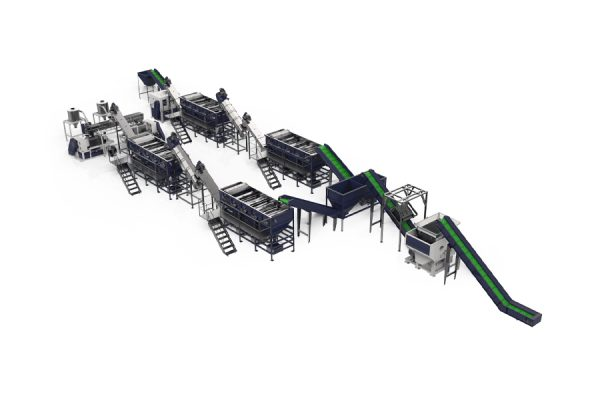
Every system above — from the LDW soft plastic washing line through the RPW rigid plastic recycling washing line to the WES series — ships as a complete recycling line incorporating belt conveyors, screw loaders, friction washers, floating tanks, sink float separation tanks, drying modules, and PLC-controlled electrical cabinets with international-brand low-voltage components and metal detection systems. This modular design means you can expand capacity, add hot washing, or integrate a film washing line module later without rebuilding the entire recycling system. KITECH also supplies waste plastic washing plant configurations for post-consumer plastics processing, including PE film recycling and LDPE film flakes recovery.
Rigid Plastic Washing Line (RPW Series) — HDPE, PP, ABS Bottle and Container Recycling
Rigid blow-molded bottles, injection molded buckets and other containers, and similar wastes speak to the use of a high-torque drum crusher with adjustable knives, a centrifugal dewatering machine and a hot air pipeline dryer, with sink-float tanks using double station discharge valves to separate the plastics by density. Training also tells us that final HDPE moisture levels below 3% are common in these lines.
| Model | Capacity (kg/h) | Footprint L×W×H (m) | Energy (kWh) | Installed Power (kW) | Steam (kg/h) | Chemical (kg/h) | Operators/Shift |
|---|---|---|---|---|---|---|---|
| RPW500 | 400–500 | 35 × 10 × 5 | 175 | 210 | 0–150 | 0–3 | 3–5 |
| RPW1000 | 800–1,000 | 50 × 12 × 6 | 198 | 330 | 0–200 | 0–5 | 3–8 |
| RPW2000 | 1,600–2,000 | 70 × 12 × 6 | 306 | 498 | 0–300 | 0–10 | 3–10 |
| RPW3000 | 2,500–3,000 | 100 × 15 × 6 | 463 | 630 | 0–450 | 0–15 | 3–12 |
| RPW5000 | 4,000–5,000 | 120 × 20 × 6 | 550 | 810 | 0–600 | 0–20 | 3–12 |
WEEE Plastic Washing Line (WES Series) — Electronic Waste Stream
E-plastics recycling. Chemical inputs are lower and medias more aggressive for efficent detection of metals because of the added presence of flame retarding compounds, metallic inserts, and mixed polymer types associated with e-waste plastics. Capacity ranges from 850 kg/h in the WES series up to an enormous 10,000 kg/h for really big e-waste processors. Each ton is even more efficient than the LDW and RPW series – only 423kWh are needed for a 10,000 kg/h WES10000 line (LDW2000 uses 490kWh @ 2,000 kg/h) due to the drier and cleaner e-waste plastics coming out of the sorting stage than post-consumer PET bottles, film scrap, and other raw plastics.
| Model | Capacity (kg/h) | Footprint L×W×H (m) | Energy (kWh) | Installed Power (kW) | Steam (kg/h) | Operators/Shift |
|---|---|---|---|---|---|---|
| WES1000 | 850–1,000 | 70 × 15 × 5 | 130 | 195 | 0–3 | 3–5 |
| WES2000 | 1,700–2,000 | 90 × 15 × 6 | 170 | 280 | 0–5 | 3–6 |
| WES3000 | 2,550–3,000 | 120 × 18 × 6 | 260 | 432 | 0–10 | 3–8 |
| WES5000 | 4,250–5,000 | 130 × 18 × 6 | 365 | 580 | 0–15 | 3–8 |
| WES10000 | 8,000–10,000 | 150 × 20 × 6 | 423 | 695 | 0–20 | 3–8 |
Decision Matrix — Which Series Fits Your Feedstock?
| Criterion | LDW (Soft) | RPW (Rigid) | WES (WEEE) |
|---|---|---|---|
| Target Feedstock | LDPE/LLDPE film, PP woven bags, agricultural film, fiber | HDPE bottles, PP containers, ABS/PC housings | Mixed WEEE plastics, e-waste shells |
| Capacity Range | 250–2,000 kg/h | 400–5,000 kg/h | 850–10,000 kg/h |
| Primary Size Reduction | Shredder (4-way rotating knives) | Crusher (externally adjustable blades) | Shredder + Crusher combo |
| Drying Method | Squeezer (plasticized or hydraulic press) | Centrifugal dewatering + hot-air pipe dryer | Centrifugal + thermal |
| Final Moisture | 3–5% | < 3% | < 3% |
| Steam Required | Up to 600 kg/h | Up to 600 kg/h | Up to 20 kg/h |
| Chemical Use | Up to 12 kg/h | Up to 20 kg/h | Up to 20 kg/h (lower per ton) |
| Operators per Shift | 3–4 | 3–12 | 3–8 |
| Footprint (largest model) | 90 × 15 × 6 m | 120 × 20 × 6 m | 150 × 20 × 6 m |
Process of Washing Line
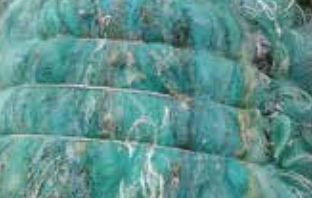
Process of Film / Woven Bag Washing Line


1
Feeding
2
Shredding
3
Crushing
4
Floating washing
5
Friction washing
6
Fine washing
7
Squeezing
8
Thermal drying
9
Packaging
Process of Rigid HDPE / PP Washing Line


1
Feeding
2
Bale breaking
3
Pre-processing
4
Sorting
5
Shredding/crushing
6
Pre-washing
7
Friction washing
8
Floating washing
9
Drying
10
Zig-zag separating
11
Color & material sorting
12
Packaging
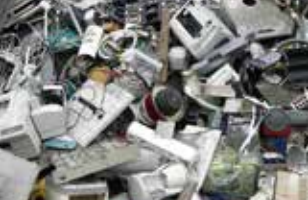
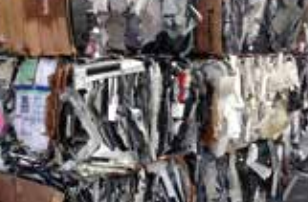
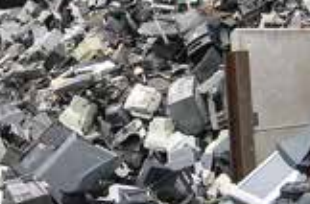
Process of Electronic Waste Washing Line

1
Feeding
2
Shredding/Crushing
3
High salty water separating
4
Low salty water separating
5
Fresh water separating
6
Dewatering
7
Drying
8
Electrostatic separating
9
Packaging
How Our Plastic Washing System Works
01

Pre-Sorting and Feeding
Bale or loose plastics are fed into the line via heavy duty belt conveyors. Non plastics or other target waste streams are manually or automatically sorted before reaching the size reduction stage.
02
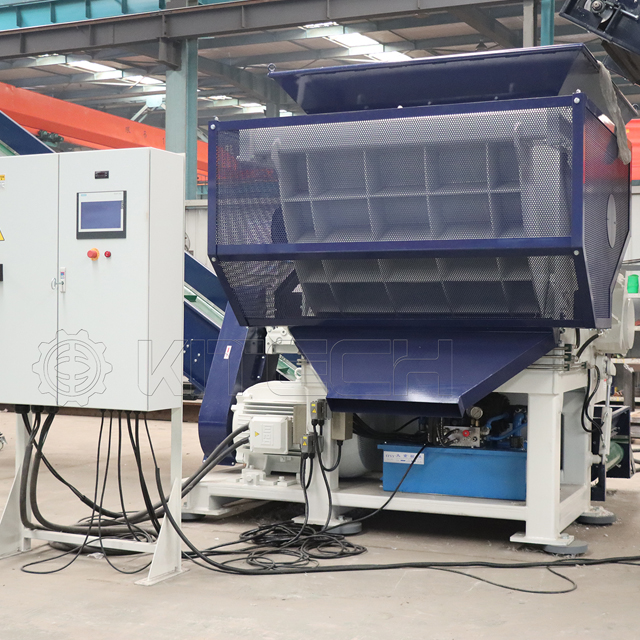
Shredder
A shredding system consisting of 4 way rotating-blade shredders and heavy-duty pedestal bearing pedestals shreds bulk feedstock into more manageable chips.
03

Crusher
A dedicated rugged crusher with an externally motorized adjustment for the blades further reduces the size of rigid feedstock before it enters the chemical containment chamber.
04

Pre-Washing and Friction Washing
The inert-high-speed friction washers use screw and paddle conveyors within the high-speed rotating body to scrub away dirt, sand, any labels, and other loose coatings without damaging the plastic surface. The main body of the washer is hermetically sealed so excess material cannot escape.
05

Hot Washing
For heavily soiled materials with adhesives, washing oil, or food wastes, a hot washing module is used in addition to the standard cold friction washing. Heated water — at 80–95°C with moderated chemical dosing — dissolves contaminants that cold washing alone cannot do with seals, especially on post consumer PET and food grade packaging wastes.
06
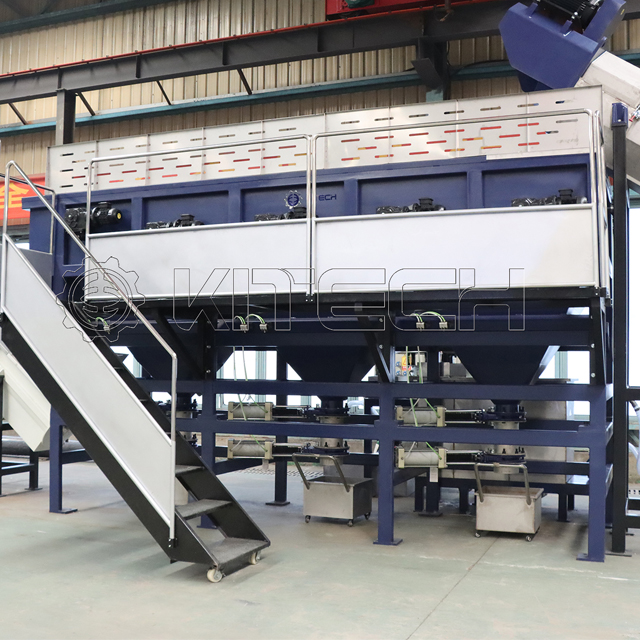
Sink-Float Separation
Floating tanks fitted with thumb-wheel speed control and inverter drives to power the paddles. Left in the flotating tanks, the plastics are separated by density, with PE and PP rising to the top and PVC, iron and heavier dirt falling to the bottom. Double-station discharge valves at each tank bottom allow for constant, no-stop removal of settled empties.
07

Mechanical Drying
The centrifugal dewatering machines fling water back at the entry point for fast, effective surface removal. For soft plastics this is complemented by motorized screw squeeze presses with aluminum-double hydraulic ‘open gate’ presses to reduce the film flakes to 3-5% moisture. Rigid flakes are processed through an additional hot air pipe-drier to take it another 2-3%.
08

Quality Control and Storage
Dried flakes are carried to a storage buffer that feed downstream pelletizing. PLC control was used to monitor individual parameters of throughput, power, and water, allowing access to critical data for an entire plant remotely from any device connected to the network.
Engineering Note — Friction Washer Performance
Friction washing provides the foundation for thorough cleaning and effective contaminant removal in plastic recycling. KITECH friction washers use steel rotors and blades built from wear-resistant material, mounted on a dynamically balanced shaft with 3–5 g accuracy.
KITECH Automated Washing vs. Traditional Manual Processing

Manufacturers and plant operators switching to entirely automatic washing lines need sound data, to convince themselves of the return on investment. In the table below, a KITECH RPW1000 (capacity: 800 1000 kg/h rigid plastics washing line) has been compared to a manual-equivalent performance line, machined and supplied by an unknown manufacturer, producing equivalent daily output. Manual processing benchmarks cited are industry-average data taken from operators processing mixed HDPE bottle waste at similar capacity levels.
| Performance Metric | KITECH RPW1000 | Manual Wash Setup |
|---|---|---|
| Throughput | 800–1,000 kg/h sustained | 200–300 kg/h (labor-dependent) |
| Operators per Shift | 3–8 | 15–25 |
| Energy Consumption | 198 kWh | 50–80 kWh (lower but volume-limited) |
| Water Consumption | Closed-loop recirculation, 2–3 t/h makeup | Open loop, 8–15 t/h |
| Output Moisture | < 3% | 8–15% (sun-dried variable) |
| Contaminant Removal | Multi-stage: friction + hot wash + separation | Single-pass cold rinse |
| Operating Hours | 24 h non-stop capable | 8–10 h (shift-limited) |
| Installed Footprint | 50 × 12 × 6 m | 20 × 10 × 3 m (but 3–4× less output) |
| Output Quality | Pelletizing-grade, consistent purity | Variable, frequent rejects |
Bottom line: automated plastic washing delivers 3–5 times the throughput with fewer workers, more consistent recycled plastic material quality, and dramatically lower water waste. Energy consumption per kilogram processed is actually lower on automated recycling machines because continuous operation eliminates start-stop inefficiency that plagues manual setups. For washing plants processing more than 500 kg/h of waste plastic, the operational cost advantage of a fully closed loop water system with centrifugal dewatering and sorting and separation automation typically reaches breakeven within the first year.
12–24 Months
Typical payback period for automated plastic washing lines, based on industry operator reports for plants processing ≥1,000 kg/h of post-consumer plastic waste.
Source: Industry benchmark data [QUALIFIED — based on operator feedback across KITECH installations]
Client Results: 95%+ Purity Rates Across 80+ Countries
We manufactured more than 500 washing systems for more than 80 companies world-wide, and here is an example of work done for 3 separate customers. Names of the individual clients are hidden at their request; locations, plant specifications, and operating data can be confirmed:
LDPE Film Recycling — Mexico
Agricultural Film Washing Plant
A Mexican client, using his LDW1000 system to wash drip tape and greenhouse film, faced difficult-to-process feedstock contaminated with soil, fertilizer, and UV antioxidants. After CGMP commissioning, a stable flow of 850 kg/h of dry, clean film flakes was delivered at 5% moisture to their pelletizing extruder, while their operating labor was reduced from 18 operators per shift to 4.
850
kg/h output
< 5%
moisture
78%
labor reduction
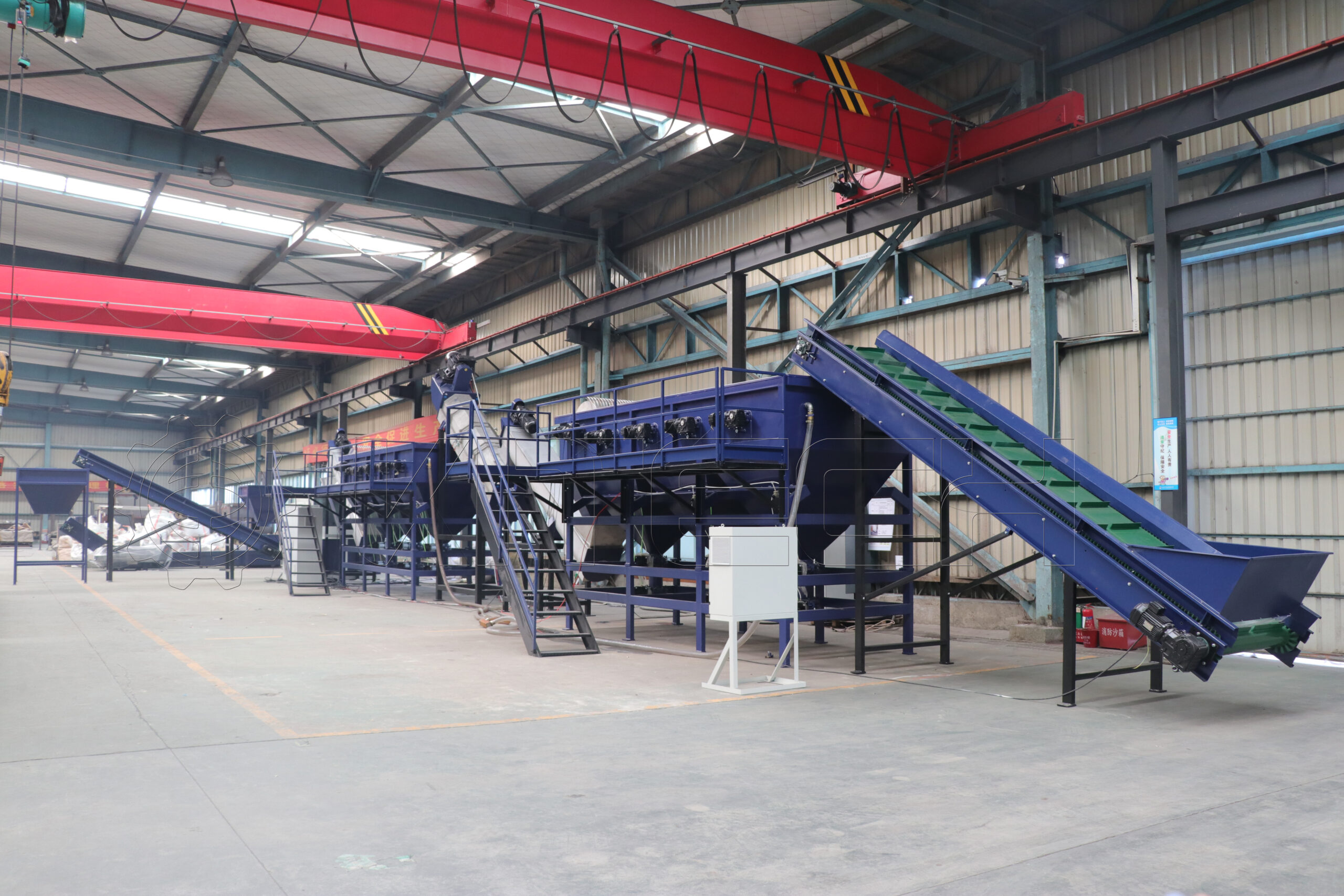
HDPE Bottle Recycling — Saudi Arabia
Post-Consumer Bottle Washing Facility
An RPW2000 based plant, targeting post-consumer HDPE detergent and milk bottles at 1600kg/h, installed processing equipment after just 22 days. Hot washing at 85°C proved critical for removing adhesive-laminated labels that survived cold washing. Output purity exceeded 97% on independent lab testing — qualifying the recycled HDPE flakes for pipe extrusion, a higher-value application than originally planned.
1,600
kg/h output
97%+
purity
22
days to commission
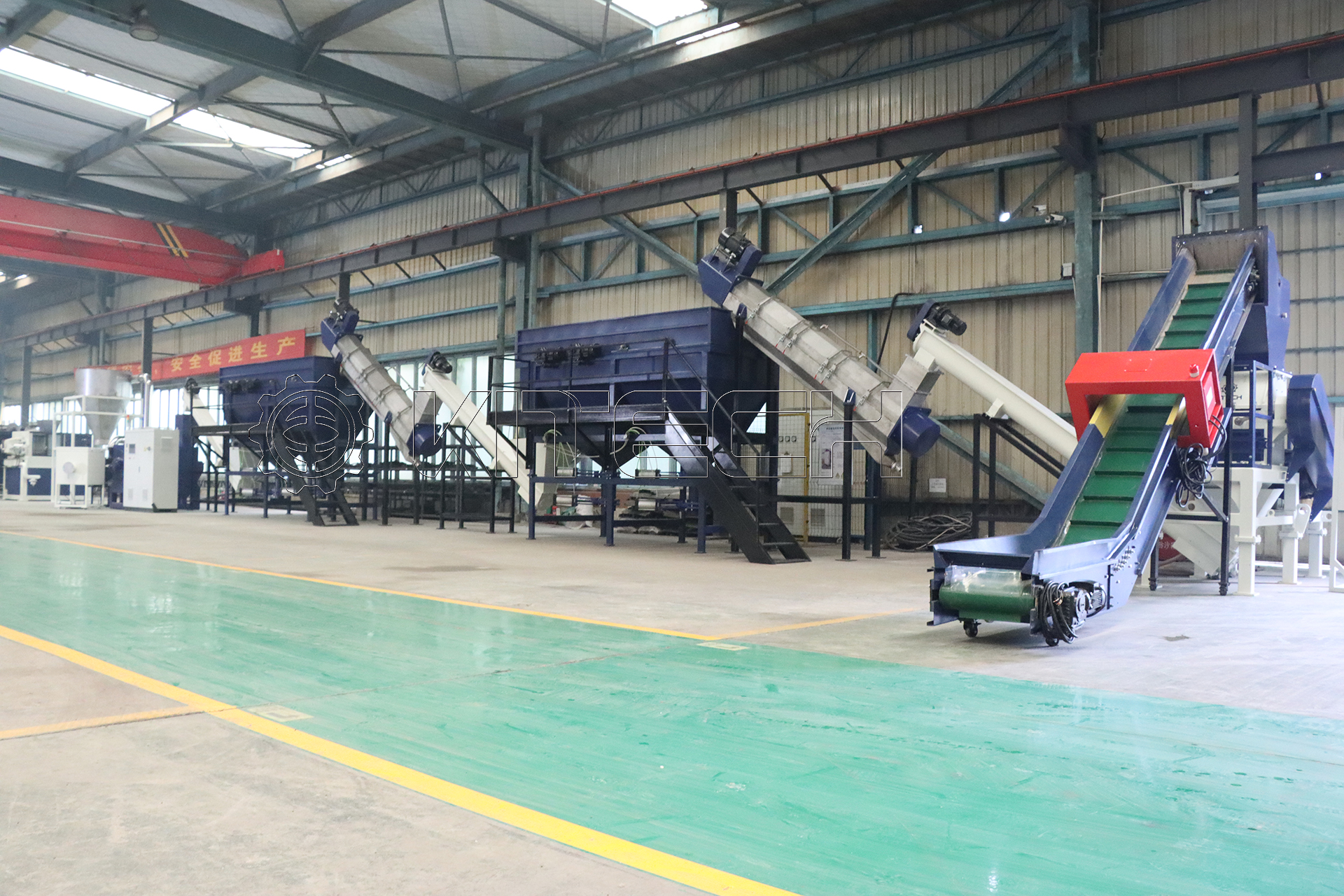
PET Bottle Recycling — Russia
High-Volume PET Bottle Washing Line
A Russian operator running a pet bottle washing line based on our RPW1000 platform processes baled PET bottles into clean pet flakes for the polyester fiber market. After automatic sorting and flaking, hot wash at 90°C removes glue and food contamination. Separation of the PVC sink float stage has fallen to below 40 mg/kg and the remaining contamination level in the pet flakes has fallen below 50 mg/kg. Output cleanliness meets fiber spinning mill requirements without further treatment — high-quality PET flakes accepted directly for production.
< 40 ppm
PVC content
< 1%
moisture
Fiber-grade
output quality
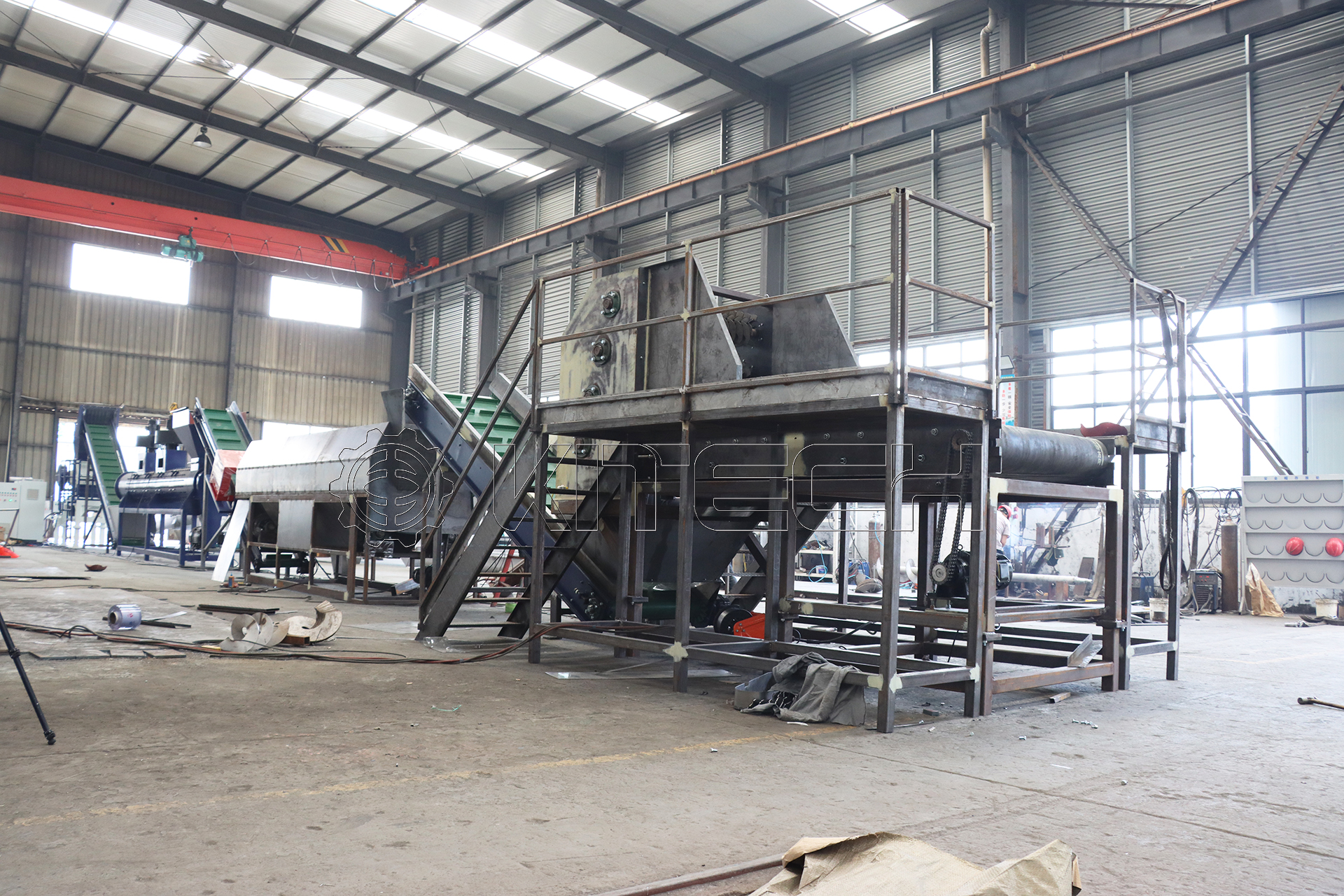
Insider Perspective — What Separates Good Flakes from Great Flakes
Flake pricing is defined by two factors: Water content and contamination levels. A PET flake batch with 1.5% moisture is sold at a premium to one at 4%, as it causes less process interruption downstream: Faster extruders, less rejected material. PVC content follows the same logic — most buyers automatically reject batches above 100 ppm, regardless of other quality metrics. This is why we size our sink-float separation tanks to measure in the sub-40 ppm ranges: It gets our clients getting the highest possible flake revenues, paying for the washing line faster. Operating in an energy-intensive industry, we find operators who skip hot washing to cut steam costs, actually lose more in flake prices, than they save on energy.
Engineering & Planning Tools
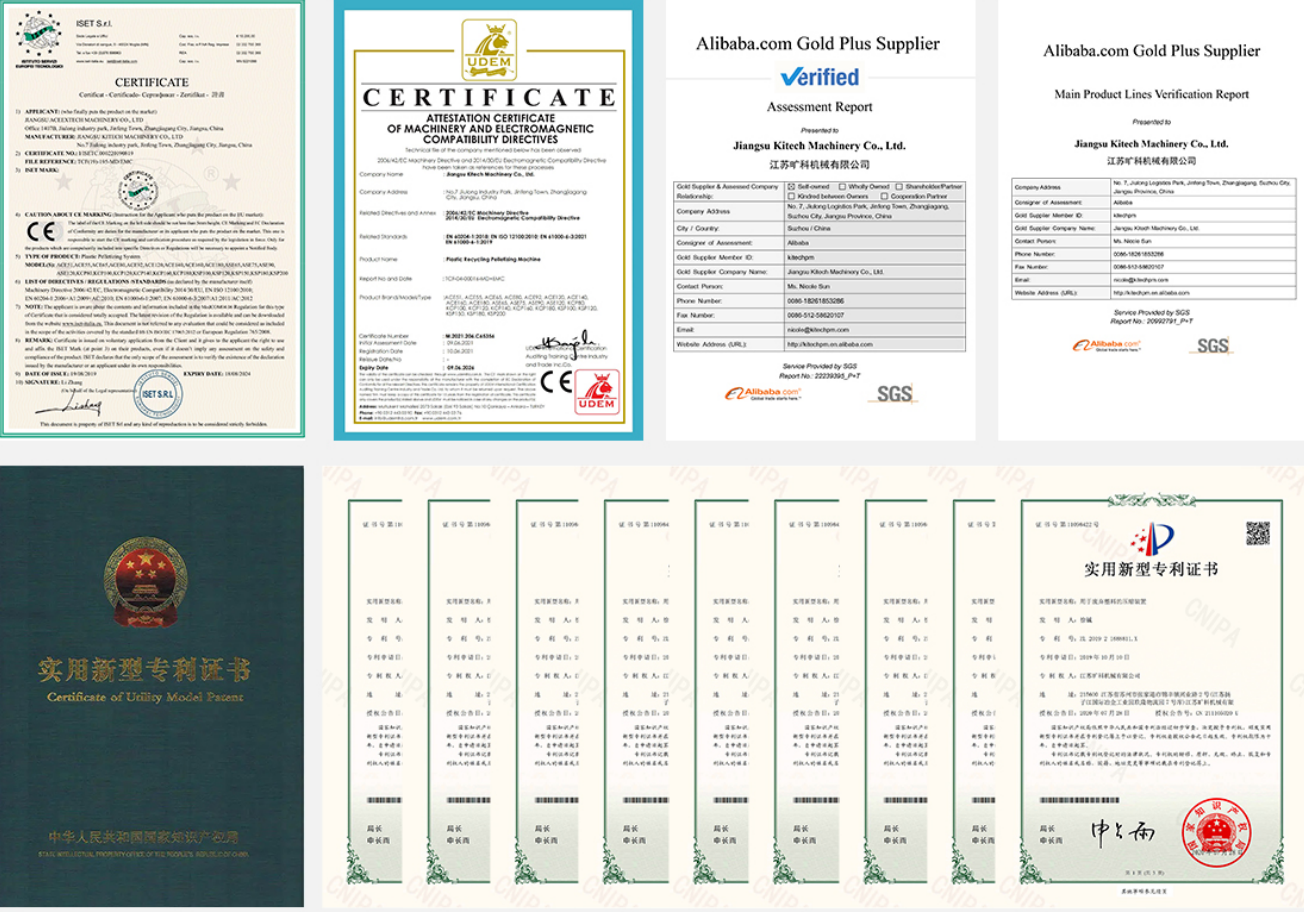
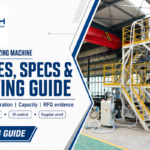
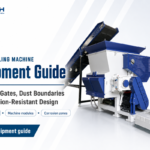
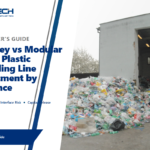
KITECH's Related Certifications and Qualifications