Get in touch with Kitech Company

Industrial Plastic Shredder Machine
Designed for High-Throughput Plastic Recycling – Over 500 systems installed in 80 countries
500+
Clients Worldwide
80+
Countries Served
0.3–3.0
Ton/Hr Capacity
60-Day
Guaranteed Delivery
What Is a Plastic Shredder and How Does It Work?
01
Industrial Equipment
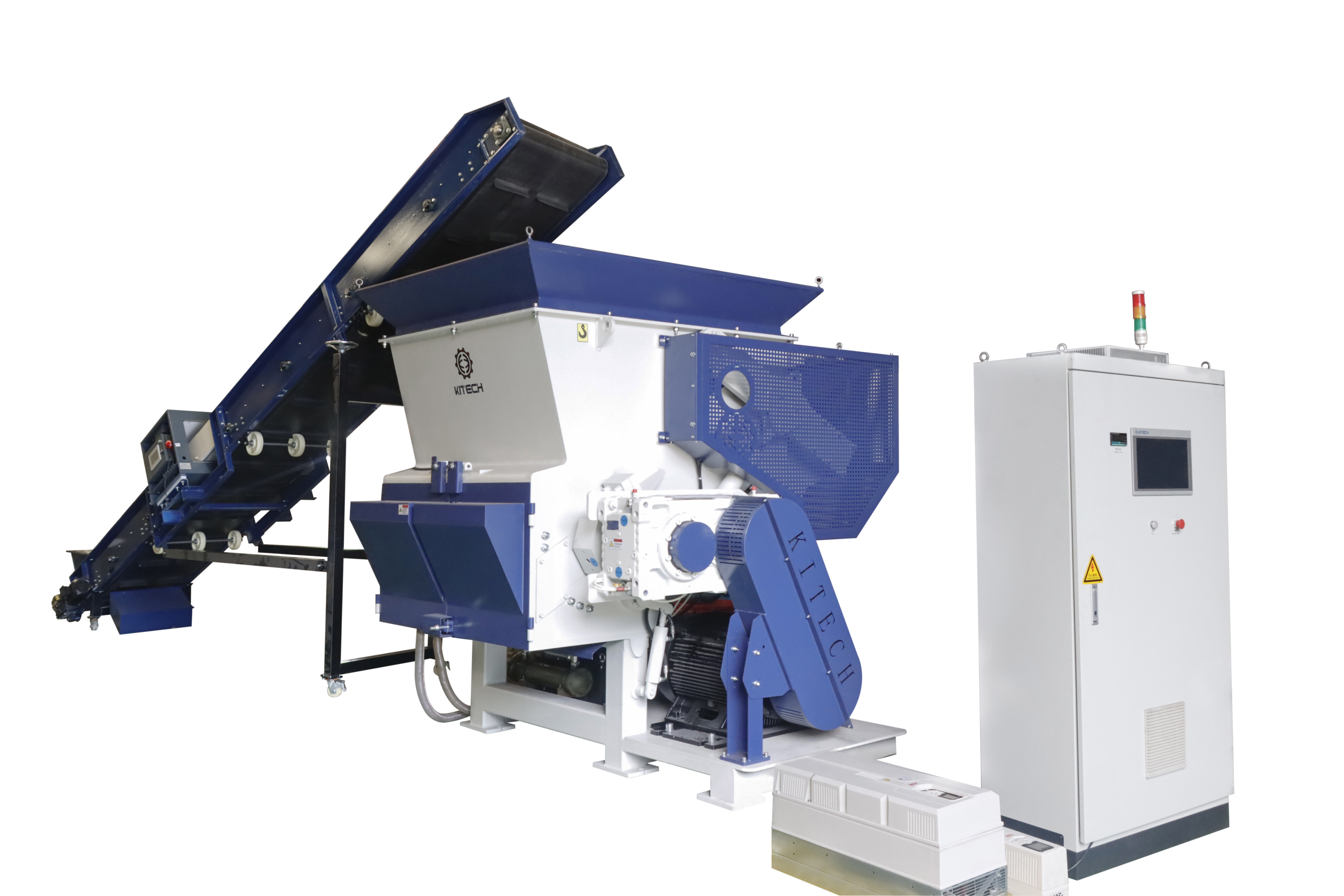
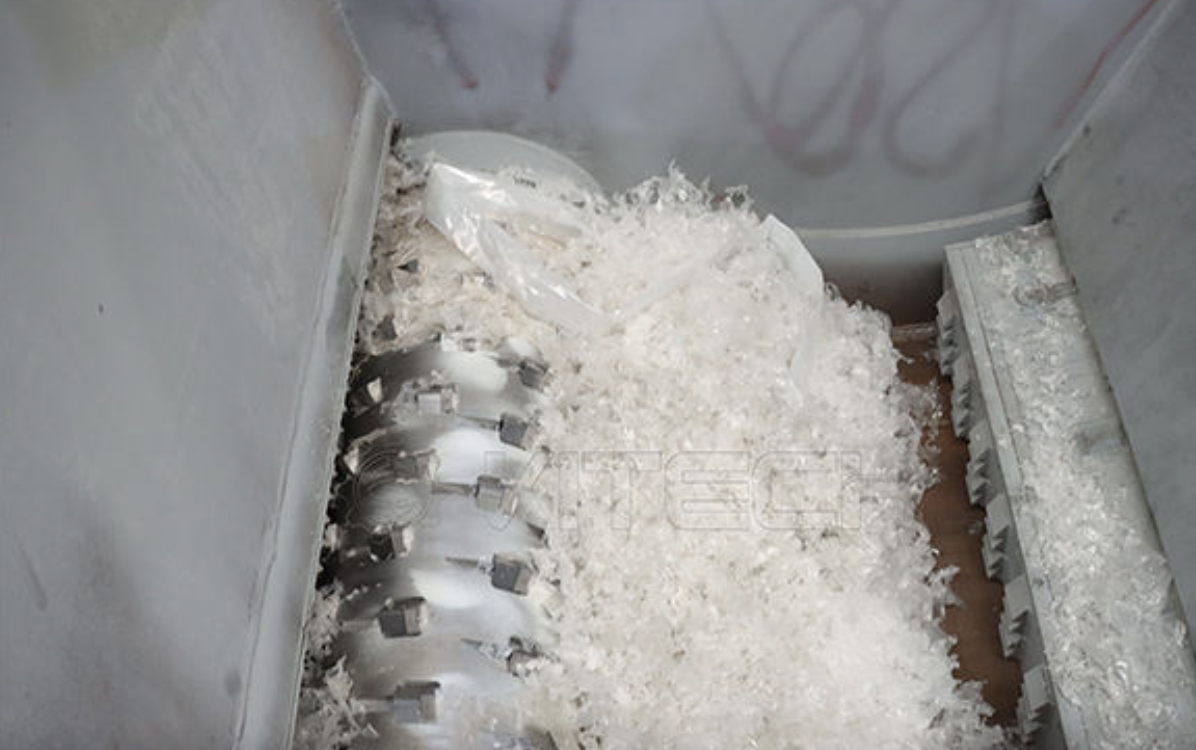
A plastic shredder machine is a high-power industrial type of machine used in the facility for the reduction in size of plastic waste. It is a far cry from your home or office type paper shredder or a light duty C&D shredder. An industrial plastic shredder is designed to handle anything from a thin film of PE to a thick wall of HDPE drums as well as a rigid ABS housing and do so in a continous fashion shift after shift. As an essential component of modern waste management infrastructure, this shredding machine converts raw polymer scrap into process-ready material.
02

Rotor & Blade Mechanics
Its operation is very simple conceptually but a lot of engineering goes into the execution. A relatively low speed, high torque motor is used to turn the rotor fitted with hardened steel knife blades. When the material is fed into the cutting chamber the spinning knives cut against fixed counter knives the gap between the bodies acts as a scalping tool, tearing and chopping the plastic into smaller and smaller pieces. Below the rotor there is a sizing screen with holes drilled in it; material is fed into the chamber until it becomes small enough to pass through the screen openings.
03
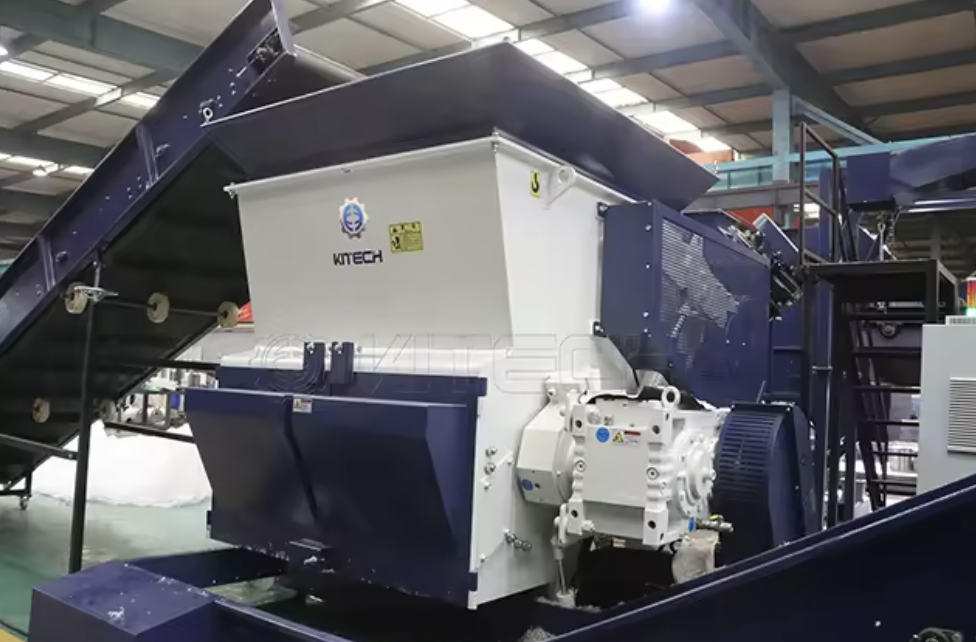
Speed & Control
What makes this suitable for recycling is speed and control. With low RPM’s (roughly 40-80 for shredders, 300-500 for granulators) the machines pack a huge punch of torque without heating up, a colossal advantage given the heat softening, marring or decomposing of thermoplastics. Each shredding process results in fragments varying from 10mm to 80mm (screen size dependant) which are then fed on for the washing, sorting or regranulation stages. The output can be reprocessed into plastic pellets for injection molding, extrusion, or other downstream applications.
04
Recycling Line Integration
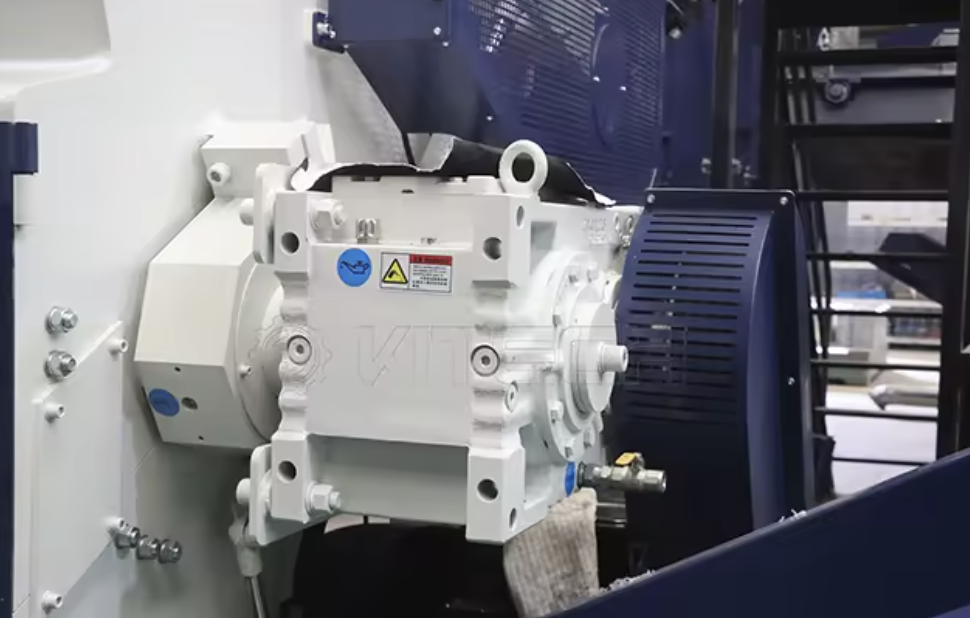
In a standard line the shredder is located at the very beginning. Raw bale or loose plastic waste is introduced into the machine into the cutting chamber- via conveyor, ram, gravity hopper. From the shredder the material then proceeds to washing systems, density separation, drying and pelletizing. Basically the purpose of the shredder is to convert the infeasible bulk wastestream into a uniform and pumpable material that subsequent equipment can handle efficiently. Without effective size reduction at this stage, the entire plastic recycling line stalls.
05
Commercial Impact
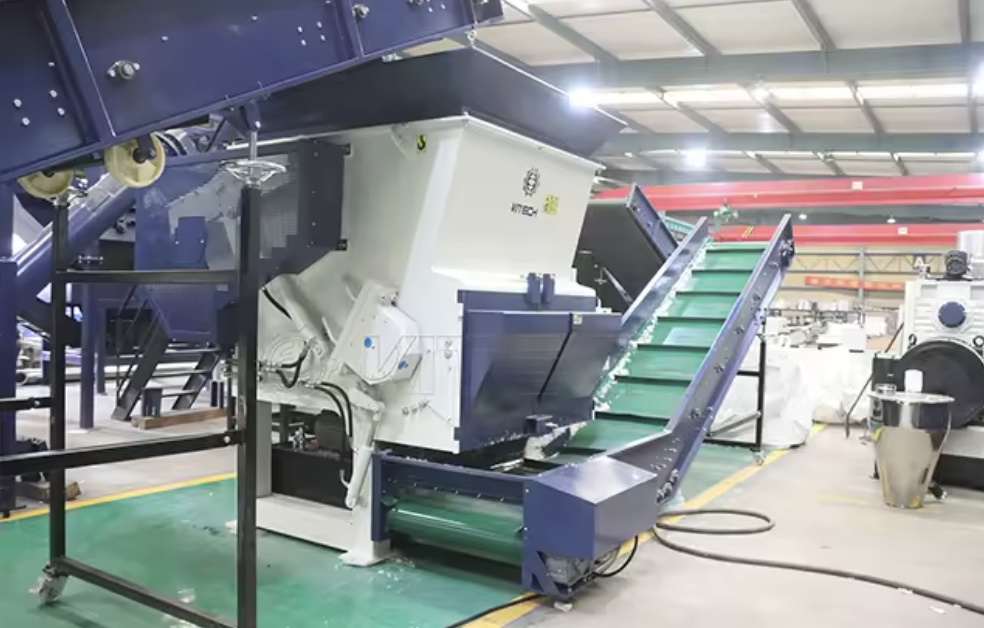
It also makes a difference to you on a commercial level: the more effective your initial size reduction is, the less risk you have of jams, blockages, and quality problems occurring later on in the process. No wonder knowledgeable reclaimers reflect specifically on the importance of rotor drive, shape of the shredder blades, and the layout of the screens – and, of course, selecting the most appropriate shredder for your particular type of plastics waste stream is going to be just about the most important choice you make in terms of equipment.
Types of Plastic Shredders: Single Shaft vs Dual Shaft vs Granulator
Choosing the ideal type of plastic shredder can be narrowed down by the feed stock, target output size requirements and throughput. Every type of shredding machine has a function in the recycling process. Material handling requirements and the nature of the input stream also play a role. Choosing a shredder incorrectly can be a very expensive mistake resulting in a mismatch of throughput and equipment type.
| Parameter | Single Shaft Shredder | Dual Shaft Shredder | Granulator |
|---|---|---|---|
| Rotor Speed | 60–80 RPM | 15–40 RPM | 300–500 RPM |
| Torque | High | Very High | Moderate |
| Output Size | 20–80 mm | 30–150 mm | 6–12 mm |
| Best For | Bulky rigid plastics, mixed streams | Heavy-duty primary reduction | Precise final sizing, regrind |
| Screen Control | Yes — interchangeable | Limited or none | Yes — tight tolerance |
| Noise Level | Low–Moderate | Low | Moderate–High |
| Kitech Series | AGS Series | — | AGF Series |
Single Shaft Shredder
Single shaft shredder. Single shaft shredders of the Kitech AGS type use a single rotor (Figure 2) with cutting knives. Feed material is sheared against a fixed bed knife. Material is pushed into the cutting zone by a hydraulic ram. This maintains the feed pressure even on difficult objects with shoulders or large irregular shapes or for materials such as pipes. Shredded output size is controlled by the screen underneath the rotor. This type of machine is ideal for solid plastics, lumps, purgings, pipes and mixed waste streams where output size consistency is required for subsequent processing.
Dual Shaft Shredder
Dual shaft shredders- Two driven counter rotating shafts are fitted with intermeshing cutters. Material is fed into the machine and is pulled inwards then through shearing action of the oppositely rotating blades is shredded apart. This type of shredder produces the highest highest torque at very low speeds and several different types are readily available on the open market making it very suitable for primary volume reduction of heavy bulky objects from an industry point of view. Such shredders tend to lack any form of screen output control as the output particle size tends to rely on the cutters geometry rather than a recirculating mechanism.
Granulator
Granulators run at far higher speed, utilizing an open rotor with several fly knives cutting rapidly against the stationary bed knives in scissor action. Kitech’s AGF series defines this category – designed specifically for the production of uniform granulates from plastic film, bottles or pre-shredded rigid material. Higher speed gives accurate consistent particle size required for direct extrusion or compounding. Granulators are found predominantly after a shredder in 2-stage reduction systems, the shredder providing the primary breakdown with the granulator giving the final specification.
For most types of plastics in a commercial recycling line, the real concern is not which type of plastics to choose, but whether you need two stages or one. Thin films and bottles can often go straight into a granulator, whereas bulky mixed waste usually needs a shredder first and then a granulator. This upstream-downstream relationship is the key to designing a cost-effective, high performance plastic recycling line. Whether for in-house regrind operations or commercial-scale post-industrial reprocessing, the right shredding systems configuration makes or breaks your operation.
Kitech AGF & AGS Series: Technical Specifications
AGF Film & Bottle Granulator
Hailing as Kitech’s highspeed granulators, the AGF range is engineered to tackle ongoing throughput of plastic film, PET bottles and pre-shredded rigid plastics. The V-cut rotor geometry- an angled arrangement of blades- adds the key engineering principle to the collet design. Rather than paddling the entire width of a flatter blade perpendicular to the crush axis, cutting- in one go-, the AGF’s angled arrangement divides this into gaining ground from the middle blade working outward, from peripheral to middle of the cut. This translates to 20-40% higher throughput loadings for a similar sized straight cut rotor, and saves power consumption while also leading to greater component longevity. The result is a high throughput industrial shredder that delivers high performance even on heavily contaminated post-consumer feedstock.
AGF Specifications
| Model | Rotor Diameter | Chamber Width | Motor Power | Throughput |
|---|---|---|---|---|
| AGF500/700 | Ф500 mm | 700 mm | 37–55 kW | 0.3–0.5 T/hr |
| AGF700/1000 | Ф700 mm | 1,000 mm | 75 kW | 0.5–1.0 T/hr |
| AGF700/1200 | Ф700 mm | 1,160 mm | 90 kW | 1.2–1.5 T/hr |
| AGF800/1200 | Ф800 mm | 1,160 mm | 132 kW | 1.5–2.0 T/hr |
| AGF800/1600 | Ф800 mm | 1,560 mm | 160 kW | 2.0–3.0 T/hr |
Key AGF Design Features:
- V-cut rotor geometry: progressive engagement delivers 20-40% additional throughput compared to straight-cut rotors of equivalent size
- Chrome nickel tool steel blades – best performance in the abrasion resistance tests against contaminated, post consumer feedstock.
- Wet and dry operation—run the same machine with or without water injection for integrated wash-granulation
- External adjustment knives– alter blade/spindle Blade gaps can be set and then fine-tuned without opening the cutting chamber. This has minimized down times from hours to minutes.
- Hydraulic screen cradle — complete screen size changes in under 15 minutes without overhead crane, no lifting equipment required
AGS Single Shaft Shredder
The AGS series is designed for applications that can’t be efficiently processed by a granulator: rough purgings, thick-wall bottles, mixed baled plastics, large rejects, pipe bundles. Running constantly at 74 RPM, each AGS has a low speed, high torque drive coupled to a hydraulic ram feeder that can apply consistent pressure to the material—improving throughput whether feeding loose bottles or tightly compacted bales. By eliminating the need to open the hood, rotate shafts, and slide screens, the bolt-in drive shaft increases maintenance speed and reduces downtime.
AGS Specifications
| Model | Chamber Size | Rotor Diameter | Motor Power | Knives |
|---|---|---|---|---|
| AGS850 | 840 × 1,570 mm | Ф457 mm | 37–55 kW | 60 |
| AGS1200 | 1,120 × 1,570 mm | Ф457 mm | 55 kW | 81 |
| AGS1500 | 1,400 × 1,570 mm | Ф457 mm | 75 kW | 102 |
| AGS1600 | 1,600 × 1,570 mm | Ф590 mm | 110 kW | 76 |
| AGS2000 | 1,960 × 1,570 mm | Ф457 mm | 2×55 / 2×75 kW | 144 |
Key AGS Design Features:
- 74 RPM fixed speed—optimized speed-to-torque ratio for consistent shredding without thermal degradation
- Concave-ground, 4-way rotating knives—advanced rotated knife blades provide 4-use edges; rotate to a fresh edge before resharpening—quadruples effective knife life
- Hydraulic ram feed system—programmable feed via direct drive to automatically supply feed stock
- Bolt-in drive shafts—full shaft replacement without disturbing bearing housings, dramatically reducing service time
- Oil cooling system—active lubrication cooling significantly increases gearbox and bearing operational life during sustained high-load operation
Plastic Shredder Applications by Industry
Different types of plastics require different waste processing techniques depending on thickness and density. Downstream processing needs also influence equipment choices. Whether your goal is to reuse recycled material in injection molding, produce plastic pellets for extrusion, or simply divert packaging materials from landfill, the right industrial plastic shredders make it possible.
01

PET Bottle Recycling
Food-grade PET bottle processing from collection points or MRFs. Kitech’s AGF series handles both baled bottles with caps and labels still attached—the V-cut rotor avoids jamming in contaminated material. Output is sent directly to hot wash and flake sorting systems.
02

PE/PP Film Processing
Agricultural and industrial film, stretch wrap, and packaging films — especially LDPE and PP multi-layer structures that tend to stretch-around the rotor. An open rotor and tangential throughput ports are designed to prevent wrap-around while wet operation allows a single-pass wash granulate operation using polypropylene and polyethylene films. On-site pelletizing of the output turns waste film into reusable plastic pellets.
03

Rigid Plastic (HDPE/PP/ABS)
Injection-moulded rejects, crates, drums, automotive components, and thick-walled HDPE bottles. Hydraulic ram fed amorphous shapes are delivered to the cutting chamber with minimal impact and large wall thicknesses (>15mm) are not an issue for the heavy-duty rotor or gearbox.
04

PVC Pipe & Profile
End-of-life PVC pipe, window frames, and cable trunking, as well as offcuts—TV casing screens, trims, and other semi-rigid architectural profiles or profiles. With PVC requiring careful thermal management to avoid HCl release, the AGS series’ low RPM always delivers a steady shred size without risking thermo-oxidative degradation.
05

E-Waste & WEEE
Mixed plastic waste from electronic waste recycling—machine housings, computer cases, plastics mixed with other materials. Our AGS pre-breakdown grinder features a durable chassis that copes easily with the metal contamination (brackets, fasteners, connectors) commonly found in electronic waste streams. Shredded output then feeds into density separation and electrostatic sorting machinery.
06
Automotive Plastics
Bumpers (PP, TPO), dashboards, interior trim, and scrap composed of mixed plastics sources from automotive industry. Also, glass fibers, fillers, and multilayered plastics can be found. Industrial application. The AGS2000 with dual-motor drive handles the torque for processing reinforced engineering plastics on a continuous basis.
Not sure which configuration works for your waste stream? Our applications engineers have their experience working with packaging materials, post-consumer streams, post-industrial manufacturing off-cuts, polystyrene, thermoplastic compounds and multi-material streams from every corner of the world. We will tell you the right machine — or combination — to do the job based upon your physical sample not generalized beliefs.
Plastic Shredder Diagram

Turnkey Plastic Recycling Solutions: From Shredding to Pelletizing
A granulator for itself is a size reduction machine. A plastic recycling process is an integrated process, where each stage- raw waste receiving, washing, dewatering, air drying, pelletizing etc. – are designed to integrate as a single process. This is critically important in practical, because even the fastest shredder in the world still produces nothing if the downstream washing, drying or pelletizing system cannot match its speed.
Shredding
→
Washing
→
Drying
→
Granulation
→
Pelletizing
→
Pellets
Integrated Design & Assembly
Kitech creates, assembles and proves entire turnkey recycling lines across this entire range of recycling processes. We manufacture the conveyor belts, friction washers, float-sink separation tanks, centrifugal dryers, compacting pelletizers and laser melt filters — under a single roof and an integrated design to ensure its throughput matches any bottleneck of previous stage.
Single-Supplier Responsibility
Our advantage of single-supplier sourcing is not ease – it is responsibility. When one company supplies every part, the quality of output is solely on your shoulders. If a wash system is not performing, we can’t blame third-party parts supplier. If pellets are inconsistent we are responsible for every variable in the process. That completed control is what enables our customers to have higher yields than plants put together from different equipment suppliers.
Achieving the Circular Economy
Converting post-consumer and post-industrial plastics to high value pellets on the value and performance of virgin resin is the circular economy goal — helping manufacturers reuse material and reduce disposal costs. That requires process integration at every stage, as the shredder product must be precisely sized for the washer feed; the dryer must provide the moisture content the pelletizer demands; and the filtering system must efficiently reduce the contaminant range to the pore size specified by your end market. We design that all as one system.
Comprehensive Recycling Range
Our recycling range include PET bottle-to-bottle lines, PE/PP film washing and pelletizing lines, rigid plastic recycling plants and mixed-plastic sorting and recovery plants. Every system is configured to your actual waste stream makeup, desired end-product grade and throughput -cause a recycling plant good at handling clean post-industrial regrind is quite different from one catering for contaminated post-consumer bales.
Case Studies: Plastic Shredder Machine
Southeast Asia: PET Bottle Processing Plant
48 T/day
Sustained Output
Equipment
A collection of equipment: AGF800/1600 granulator used as the principal size reduction unit in a full PET (polyethyleneterephthalate) bottle-to-flake washing line.
Challenges
Upgrading to new equipment. This operator required a new line to a) handle heavily contaminated post-consumer PET bottles (soil, organic residue, a high percentage of mixed caps/labelling contamination and be able to sell the separate rPET bales into the next stage of the regional supply chain.
Results
Wet granulation capabilities of the AGF800/1600 enabled integrated wash-shredding in a single step; significantly reducing line length and capital costs. Output ran at 48 TPD persisted throughputs on 20hr shifts to produce food-contact grade rPET flake. Payback was achieved in 14 months, driven by the spread between purchased waste PET prices and finished flake sales prices available within the regional markets.

Northern Europe: PE Film Recycling Facility
30%
Energy Reduction
Equipment
2 stage size reduction line for a mixed rigid plastics grinder, combining the AGS1500 shredder and the AGF700/1200 granulator and a complete PE film wash pelletising line.
Challenges
Replacing aging European aggregate-grades of plant and machinery that were becoming costly to run with unreliable energy hungry equipment. New equipment had to achieve or surpass previous throughput and close to halve operating costs to enable endurance against declining recycled PE prices.
Results
A 2 stage KItech system curtailed energy requirements by 30% per tonne of material processed over the previous set-up – made possible by the AGF’s V-cut rotor and the AGS’s energy optimized hydraulic drive package. This manufacturer specializes in agricultural stretch film and pack, and pelletizes product to specification for blown film manufacture.

South America: Mixed Rigid Plastic Recycling
60+ T/day
Mixed Plastic Output
Equipment
2 stage size reduction series combining the AGS2000 dual-motor shredder and the AGF700/1200 granulator for clean, efficient mixed rigid plastic recycling.
Challenges
Processing unsorted post-consumer rigid plastics – HDPE bottles, PP crates, ABS casing and other mixed loads. Material heading in is baled up in loaders and has some metal contamination in the form of staples, wire and bottle caps. Size distribution ranges from small containers through to industrial drums.
Results
Torque reserve supplied by the dual-motor configuration on the AGS2000 (275 kw) prevented motor stalls and trips during processing of baled mixed rigid plastics. Its 144 cutting knife rotor combined with the hydraulic ram feeder to maintain a feed rate processing these materials at a rate of 60+ TPD daily. Extended time to change knives (over 2,000 hours) ensures good profits even with world market level small profit margins for the product.
Why Choose Kitech Plastic Crusher Machine
01
International Certifications
In addition to CE mark (Europe), our equipment has been designed and tested to UL and CSA requirements for North American markets. Initial ISO 9001 end product obtained certified manufacturing process including full traceability on all critical components.
02
Guarantee of Delivery in 60 Days
All standard AGF and AGS models are dispatched within 60 days of receipt of order. We keep strategic stock of long-lead items like motors, gearboxes and hydraulic cylinders so this is always achievable.
03
European-Standard Engineering
The fundamental design guidelines and quality standards based on long proven engineering values from European recyclers incorporating manufacturing economy in order to achieve very competitive price points while maintaining exceptional build quality.
04
24/7 Technical Assistance
Remote diagnostic, video based troubleshooting and PLC program support 24 hours by day. Years of experience with design and manufacturing with our service engineers speak your language: in words, English, Spanish, Portuguese, French or Arabic; in meanings, waste recycling machines not drawings.
05
Spare Parts
Essential wear parts (blades, screens, bearings, seals, etc) kept ready for immediate transportation. Standard parts will normally be shipped within 48 hours; we recognize that a shredder standing waiting for a screen or blade set is costing you money by the hour.
Frequently Asked Questions-Industrial Plastic Shredder
Ready to Upgrade Your Plastic Recycling Machine Capacity?
Send us samples of material streams or your waste stream details. We will estimate your best machine configuration, deliver a detailed quote with ROI projections, and guarantee 60 days delivery.