Get in touch with Kitech Company

Auxiliary Machine
Plastic Recycling Auxiliary Equipment — Self-Cleaning Laser Filter & Squeezing Dryer
Two machines that eliminate the two most traditional production bottlenecks in any plastic recycling line: contamination in your melt, and moisture in your washed plastic. KITECH auxiliary equipment reliably supplies pelletsizers with clean, dry input material—without the need for semi-annual screen change-outs or 15% moisture flakes.
200–2,400
Filter Throughput (kg/h)
3–5%
Final Moisture Content
25 MPa
Max Working Pressure
100–250 μm
Filtration Fineness
CE / UL / CSA
Global Certifications
60 Days
Guaranteed Delivery
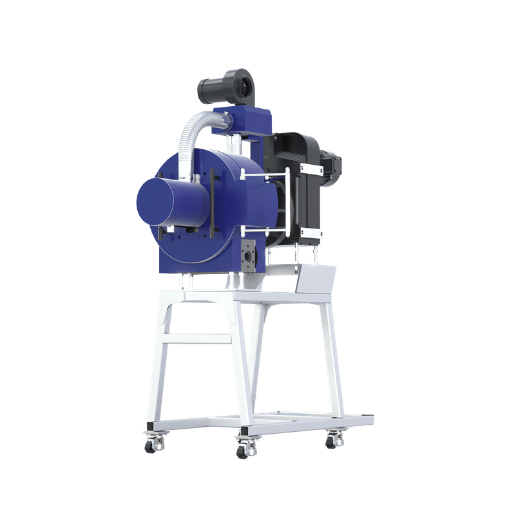
Contamination and Moisture — Two Bottlenecks in Every Recycling Line
01
Two Major Obstacles
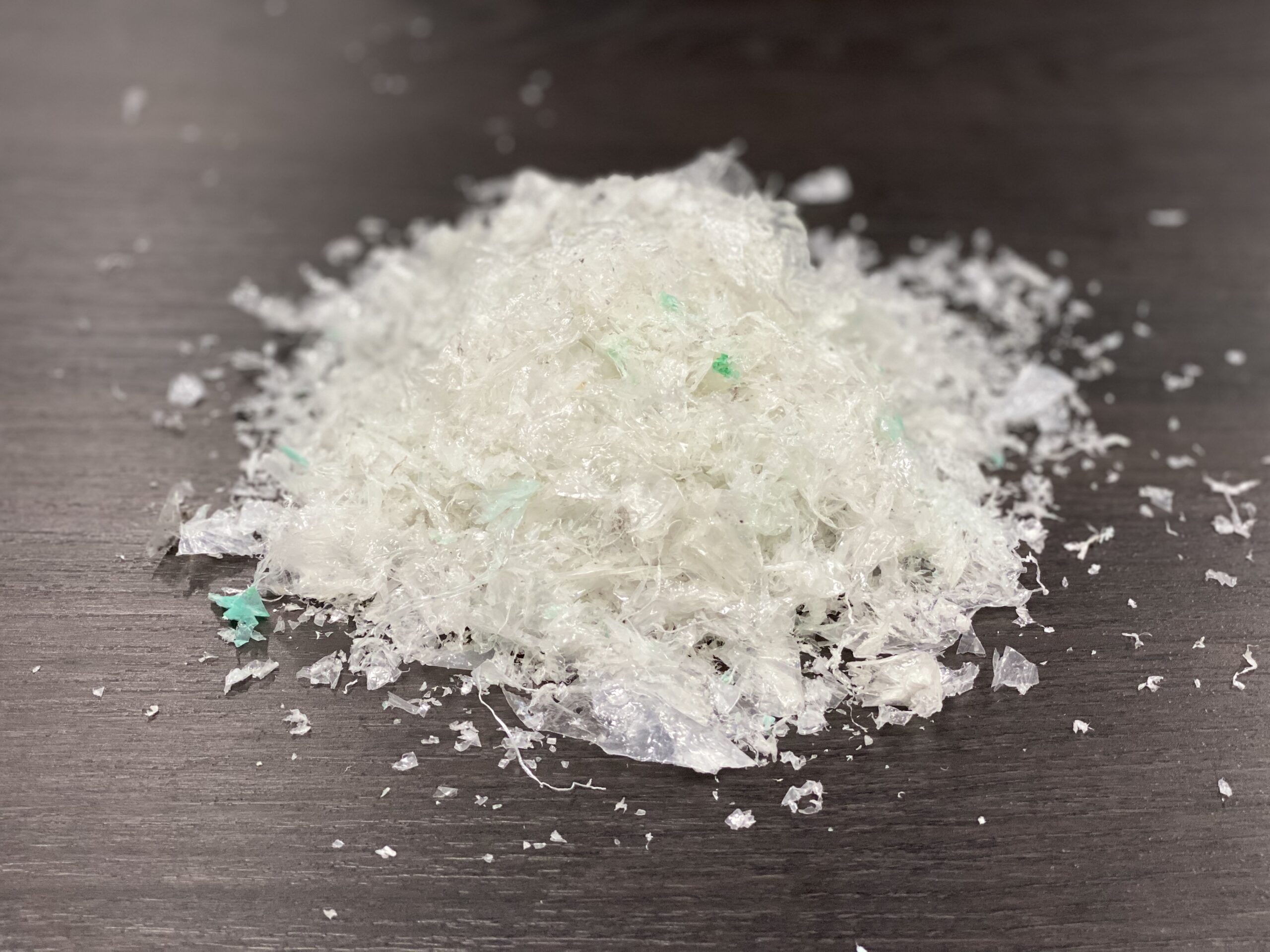
Every plastic recycling operation encounters the same two obstacles. The first is the contamination accumulation in your extruder melt—discrete metal fragments, paper and wood fiber, rubber chunks, glass shards, aluminum fines, and unmelted plastic. Traditional manual screen changers require you to halt production for repetitive screen change-outs, often every two or three hours. Meanwhile, your washed LDPE film and PP woven bag waste leave the washing line at 15-30% moisture, causing foaming, inconsistent pellet density, and excess power consumption during pelletizing.
02
KITECH Solutions
KITECH offers two auxiliary devices that permanently solve both issues. Our KLF self-cleaning laser filter offers continuous melt filtration with zero time lost for screen change-outs—capable of filtering contamination levels that would clog up any other screen changeover. Our JGM squeezing dryer provides a functionally semi-plasticized feedstock at 3-5% moisture from the water-heavy waste stream leaving your washing line—making it ready for direct pelletizing without further need for dedicated dewatering equipment.
03
Operational Benefits
A brief summary of what this means for your recycling operation: the line operates uninterrupted by discontinued screen change-over time, the consistency of pellet quality is improved term-to-term, and it is possible to cut two even three separate filtering and dewatering devices from the process floor.
KITECH Auxiliary Machine Series — Models and Selection
We produce two auxiliary equipment series in this product category, both designed with 38CrMoAl alloy barrels and screws—maximising abrasion resistance. The laser filter series handles heavy contamination filtering; the squeezing dryer supports for semi-plasticized dry-down of material. Together they provide a complete auxiliary package for any closed-loop post-industrial or post-consumer plastic recycling pelletizing line.
KLF Self-Cleaning Laser Filter
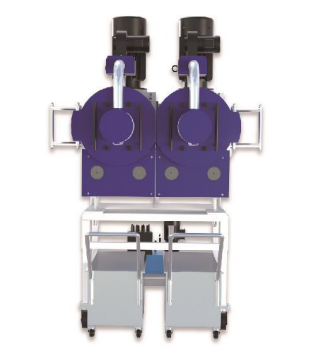
As opposed to wire mesh, laser-drilled solid metal disc screen plates in our laser filter series maintain consistent screen fineness because the drill hole diameters do not change under pressure until it is time for screen change. A wear-resistant scraper assembly with DC53 blades will continuously scrape contamination off the surface. Both sides discharge technology delivers melt waste below 2%.
| Parameter | KLF365 | KLF520 | KLF365D | KLF520D |
|---|---|---|---|---|
| Filter Diameter (mm) | Φ365 | Φ520 | Φ365 | Φ520 |
| Filter Area (cm²) | 1,295 | 3,278 | 1,295 × 2 | 3,278 × 2 |
| Disc Screen Qty | 2 | 2 | 4 | 4 |
| Mesh Size (μm / mesh) | 100–250 / 60–150 | 100–250 / 60–150 | 100–250 / 60–150 | 100–250 / 60–150 |
| Drive Power (kW) | 4 | 5.5 | 4 × 2 | 5.5 × 2 |
| Heater Power (kW) | 32 | 48 | 32 × 2 | 48 × 2 |
| Scraper Speed (rpm) | 1–6 | 1–6 | 1–6 | 1–6 |
| Throughput — LDPE (kg/h) | 200–700 | 700–1,200 | 400–1,400 | 1,400–2,400 |
| Max Pressure (MPa) | 25 | 25 | 25 | 25 |
Applicable materials: LDPE, LLDPE, HDPE, PP, CPP, BOPP, PS, EPS, XPS, ABS, POM, PA — with MFI from 0.124 to 200 g/10 min.
Contaminants removed: Metal, paper, cardboard, wood, glass, rubber, aluminum, textile fibers, sand, copper, stones, unmelted plastic.
Contaminants removed: Metal, paper, cardboard, wood, glass, rubber, aluminum, textile fibers, sand, copper, stones, unmelted plastic.
JGM Plastic Squeezing Dryer (Semi-Plasticized Type)
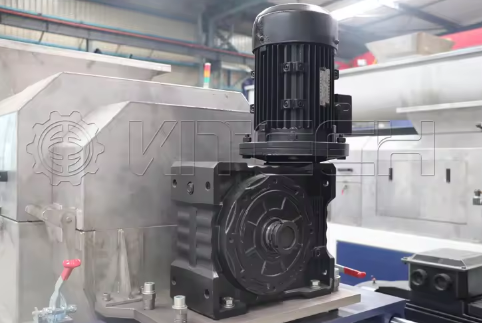
One machine for three functions—that is the JGM series: centrifugal dewatering, hot air de-volatilization, agglomeration. A specially designed 38CrMoAl high back push screw will use frictional heat to semi-plasticize materials while squeezing water through the perforated barrel. A die plate at the exit with a SKD-11 face cutter will produce evenly semi-plasticized particles ready to feed directly into a pelletizer—no need for dedicated unit!
| Parameter | JGM300 | JGM320 | JGM350 | JGM380 |
|---|---|---|---|---|
| Motor Power (kW) | 110 | 132 | 185 | 200 |
| Cutting Power (kW) | 4 | 4 | 5.5 | 5.5 |
| Screw & Barrel Material | 38CrMoAl | 38CrMoAl | 38CrMoAl | 38CrMoAl |
| Screw Diameter (mm) | 320 | 320 | 350 | 380 |
| Capacity (kg/h) | 200–300 | 300–500 | 500–800 | 700–1,000 |
| Length (mm) | 2,516 | 3,070 | 3,624 | 4,178 |
| Height (mm) | 2,205 | 2,257 | 2,309 | 2,361 |
| Width (mm) | 2,240 | 2,320 | 2,400 | 2,480 |
Input materials: Washed LDPE stretch film, agricultural film, PP woven bags, and other thin soft plastic waste.
Output: Semi-plasticized particles at 3–5% moisture, ready for direct pelletizing or sold as-is.
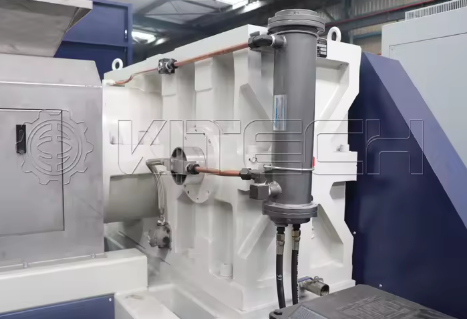
Key components: NSK bearings, specially designed high-torque gear box, self-developed thrust bearing seat.
Output: Semi-plasticized particles at 3–5% moisture, ready for direct pelletizing or sold as-is.
Key components: NSK bearings, specially designed high-torque gear box, self-developed thrust bearing seat.
Selection Guide: Which Model Fits Your Line?
| Your Situation | Laser Filter | Squeezing Dryer | Recommended Combo |
|---|---|---|---|
| Small recycling line, ≤500 kg/h, moderate contamination | KLF365 | JGM300 | KLF365 + JGM300 |
| Mid-range line, 500–1,000 kg/h, mixed post-consumer waste | KLF520 | JGM350 | KLF520 + JGM350 |
| High-capacity line, 1,000–1,500 kg/h, heavily contaminated | KLF365D | JGM380 | KLF365D + JGM380 |
| Maximum throughput, ≥1,500 kg/h, non-stop production | KLF520D | JGM380 × 2 | KLF520D + dual JGM380 |
Engineering Note — Why 38CrMoAl?
We nitridize all screws, barrels, and die plates used in these two auxiliary equipment series, selecting 38CrMoAl steel. After nitridizing treatment, the surface hardness of the component reaches HV 850-1,000 with a case hardness depth of 0.3-0.5mm. This provides the machine with protection against corrosion caused by acidic decomposition products resulting from recycled plastics and high abrasion resistance from glass and metal contaminants often found in postconsumer waste streams. Operators using heavily contaminated HDPE agricultural film have recorded 18-24 months average component life for exhausted screws—roughly double what they would have received from standard 40Cr components.
Self-Cleaning Laser Filter vs Traditional Screen Changers — Performance Comparison
Most of the recycling industries are still using labors or hydraulic screen changers which require the extruder to halt for clogged wire mesh screens to be replced. The shutting downs cause big production losses: 15-30 min. for each screen change, and for heavily contaminated materials you might need 3-6 changes during a shift. Our laser filter completely removes this problem with its in built continuous self-cleaning filter – the scraper keeps cleaning while your extruder keeps producing!
| Parameter | KITECH KLF Laser Filter | Manual Screen Changer | Hydraulic Slide Plate |
|---|---|---|---|
| Downtime for Screen Change | 0 — continuous operation | 15–30 min per change | 30–60 sec (brief pressure drop) |
| Screen Life | 3–6 months per set | 2–8 hours per mesh | 8–24 hours per mesh |
| Filtration Fineness | 100–250 μm (laser holes, constant) | 150–300 μm (wire mesh, enlarges under pressure) | 150–300 μm (wire mesh) |
| Max Working Pressure | 25 MPa | 15–20 MPa | 25–35 MPa |
| Contamination Handling | High — continuous discharge | Low — mesh clogs rapidly | Medium — backflush clears some |
| Melt Loss at Discharge | <2% — minimum discharge | 0% (no discharge, contamination stays in melt) | 5–10% per backflush cycle |
| Automation Level | Fully automatic (PLC + pressure monitoring) | Manual labor required | Semi-automatic |
| Operator Intervention | Monthly inspection only | Every 2–8 hours | Every 8–24 hours |
Eventually the cost differential grew to be too much to let go. Wire mesh screen for a manual changer running 24 hours/7 days on contaminated LDPE film cost $800-$1,500 per month in consumables, plus the labor cost of six to twelve screen changings a day. The now cleansed KLF disc screen plates in the vacuum oven every 2 to 4 weeks eliminated over fifty percent of that consumables cost. Add in all the production time saved from zero-downtime, and the laser filter becomes profitable within the first year of operation on high contamination feedstock.
Engineering Note — Disc Screen Plate vs Wire Mesh
Wire mesh filtration screens are made from very fine metal wires. When exposed to the 20+ MPa pressures experienced in the extruder, the wire mesh tension causes it to stretch and the holes to become larger- thus filtration degrades over the lifespan of the screen. As opposed to this, our disc screen plates are made from solid metal disks with holes drilled with laser (or punching). Because the hole is physically a fixed size, the metal can’t deform under the pressure and filtration remains perfect throughout the service life of 3-6 months. In fact, the circular shape of the holes causes the melt flow to be more uniform than with the amorphous holes of deformed wire mesh.
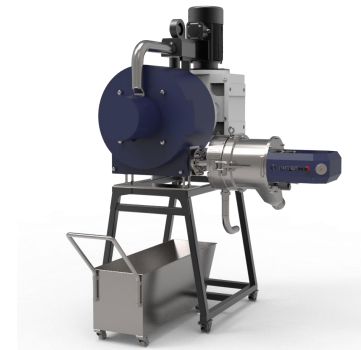
Squeezing Dryer vs Centrifugal Dryer — Dewatering Performance Compared
There will be 15-30% moisture (by weight) in your recycled LDPE film and your PP woven bags after cleaning. This has to be removed efficiently and effectively before the material can be pelletized – the excess moisture will cause foaming, pocketed pellets, irregular melt flow, and poor mechanical properties in the recycled resin.
| Parameter | KITECH JGM Squeezing Dryer | Centrifugal Dryer | Hot Air Dryer |
|---|---|---|---|
| Final Moisture Content | 3–5% | 10–15% | 1–3% (energy intensive) |
| Capacity Range | 200–1,000 kg/h | 200–500 kg/h | 100–300 kg/h |
| Energy Per kg Dried | 0.15–0.20 kWh/kg | 0.05–0.08 kWh/kg | 0.30–0.50 kWh/kg |
| Output Form | Semi-plasticized particles | Wet flakes | Dry flakes |
| Functions Combined | Dewatering + drying + agglomerating | Dewatering only | Drying only |
The real advantage of the squeezing dryer may be judged by determining total cost of ownership. An equivalent conventional line uses three machines, three motors, three sets of consumables and three control systems. One JGM takes the place of three. For a typical 500 kg/h.LDPE film washing line the saving in floor space in averaging installations is 30 to 40% and in number of maintenance points from nine to three.
Procurement Tip
When comparing dewatering equipment, always specify moisture test results at your required throughput – not at slowed down throughput. For example, some centrifugal dryers only meet their advertised moisture at 50 or 60% of their rated throughput. Our JGM stays within 3-5% moisture across the entire 200-1,000 kg/hr band since its screw compression ratio is unaffected by feed rate. Demand test data at maximum rated throughput from any supplier.
Proven Results — Throughput, Uptime, and Cost Reduction
KITECH has supplied a range of add-on equipment to recycling facilities across 80+ countries, with 500+ installations on both post-consumer and post-industrial plastics. Two typical application scenarios from our standard system options are outlined below:
Application 1: LDPE Film Recycling Line — High-Contamination Feedstock
The following is an example of a cost effective problem we solved for a customer using our Knife Edge Technologies Problem: A recycler responsible for reprocessing agricultural film made from post-consumer LDPE encountered between 3-5 manual screen changes per shift due to high levels of dirt contamination (soil/stones) and metal wireforeign material ingress into the feed stream. Each screen change cycle was 20 minutes causing approximately 2 hours15 minutes loss of production per shift (8 hours).
Solution:
KLF520D dual-disc laser filter with JGM380 squeezing dryer
Results:
- Filtration throughput.: 1,400-2,000 kg/h continuous, no stops for screen changes
- Disc screen plate service cycle: 4 weeks between vacuum oven cleaning cycles
- Downstream pellet moisture.: 3.5% stabilized (previously 125% with centrifugal dryer alone)
- Recovered production time.: 14 15 minutes per shift, equivalent capacity increase of 15-18%
Application 2: PP Woven Bag Recycling — Compact Line Integration
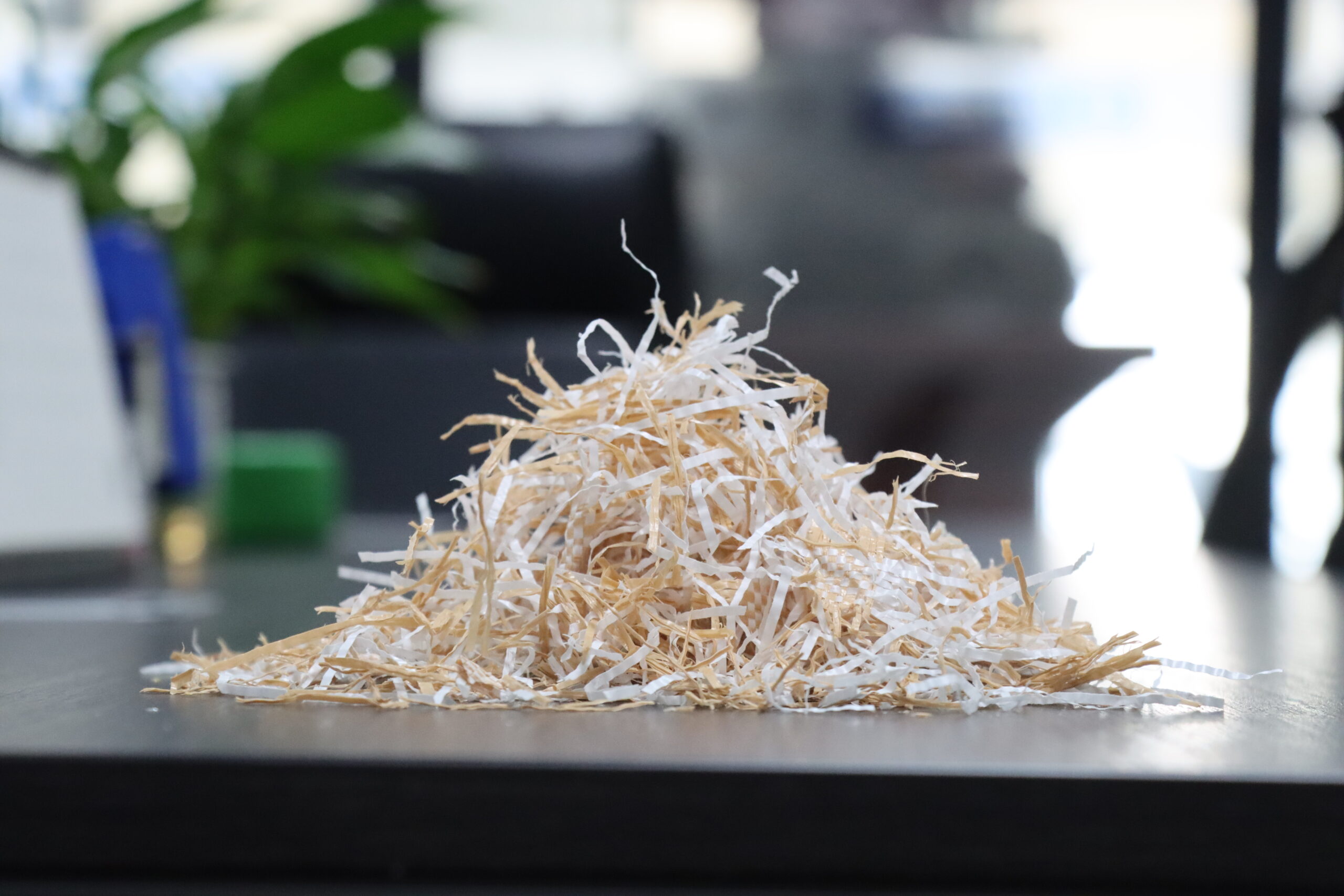
A second example of a cost effective solution involving a different KITECH product follows: Problem: A woven bag recycler was missing filtration and dewatering capabilities on its existing single-screw extruder line installed in a space restricted plant environment (4 3 m footprint available)
Solution:
KLF365 laser filterlocated after first stage of two stage extrusion,JGM320 squeezing dryerinstalled between washing line and feed hopper of extruder
Results:
- Overall footprint used: 3.8 × 2.6 m, within space restrictions,
- Effect on PP pellet quality. black specks decreased by more than 80% according to visual QC sampling
- Impact on downstream processing. steady semi-plasticized pellet stream eliminated surge feeding to the extruder that was caused by wet, tangled waste material strips feeding from the washing line
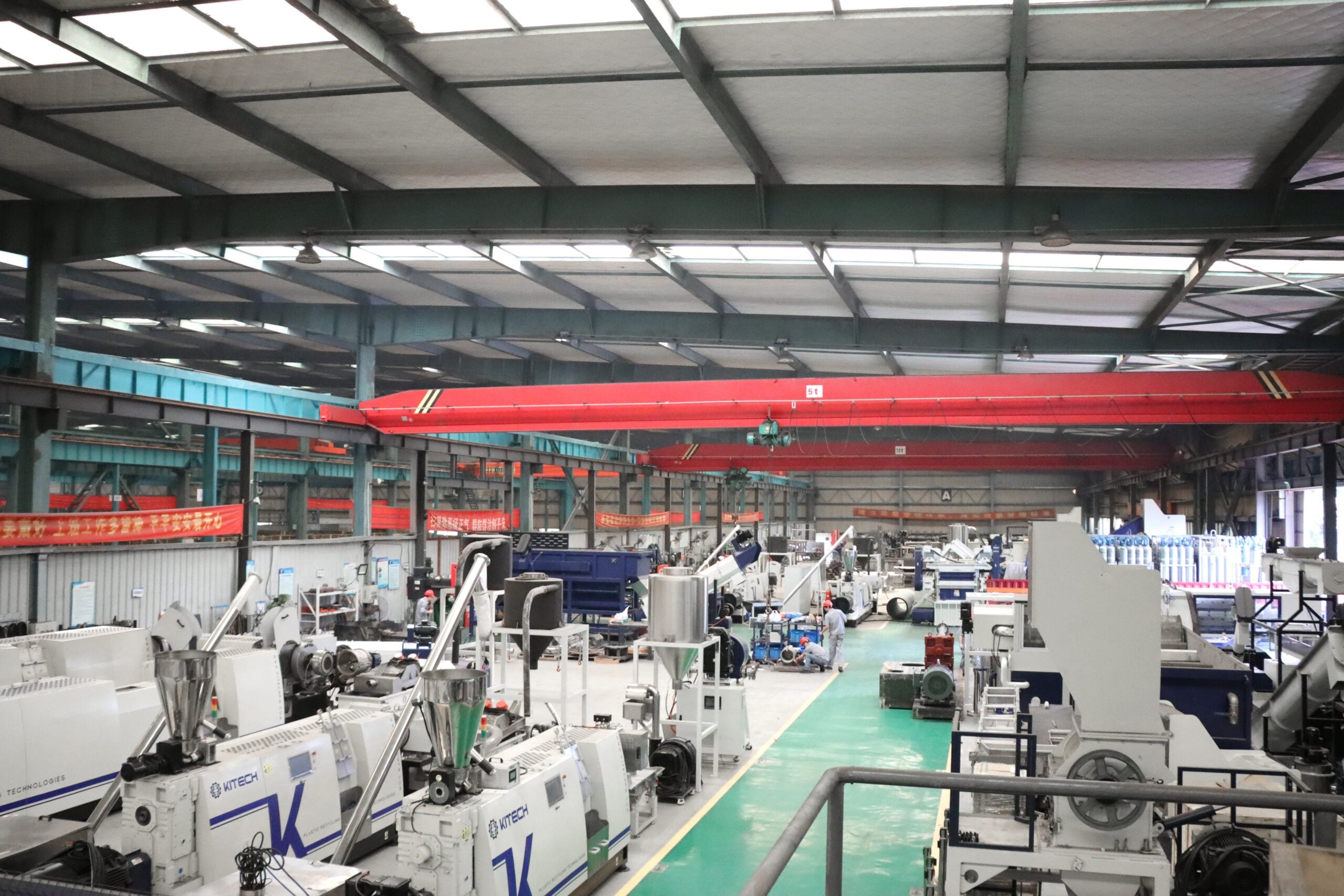
KITECH Factory Images
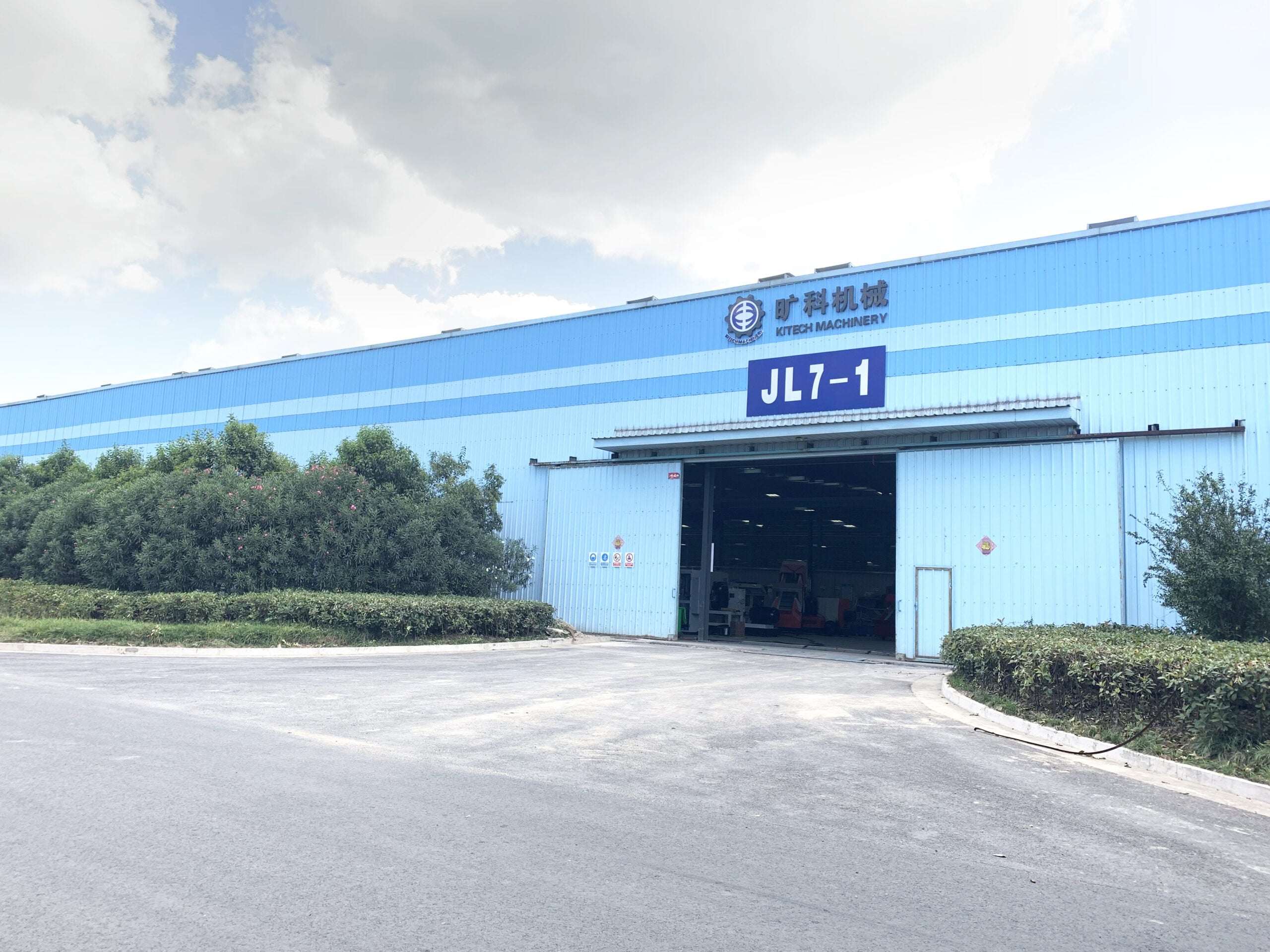

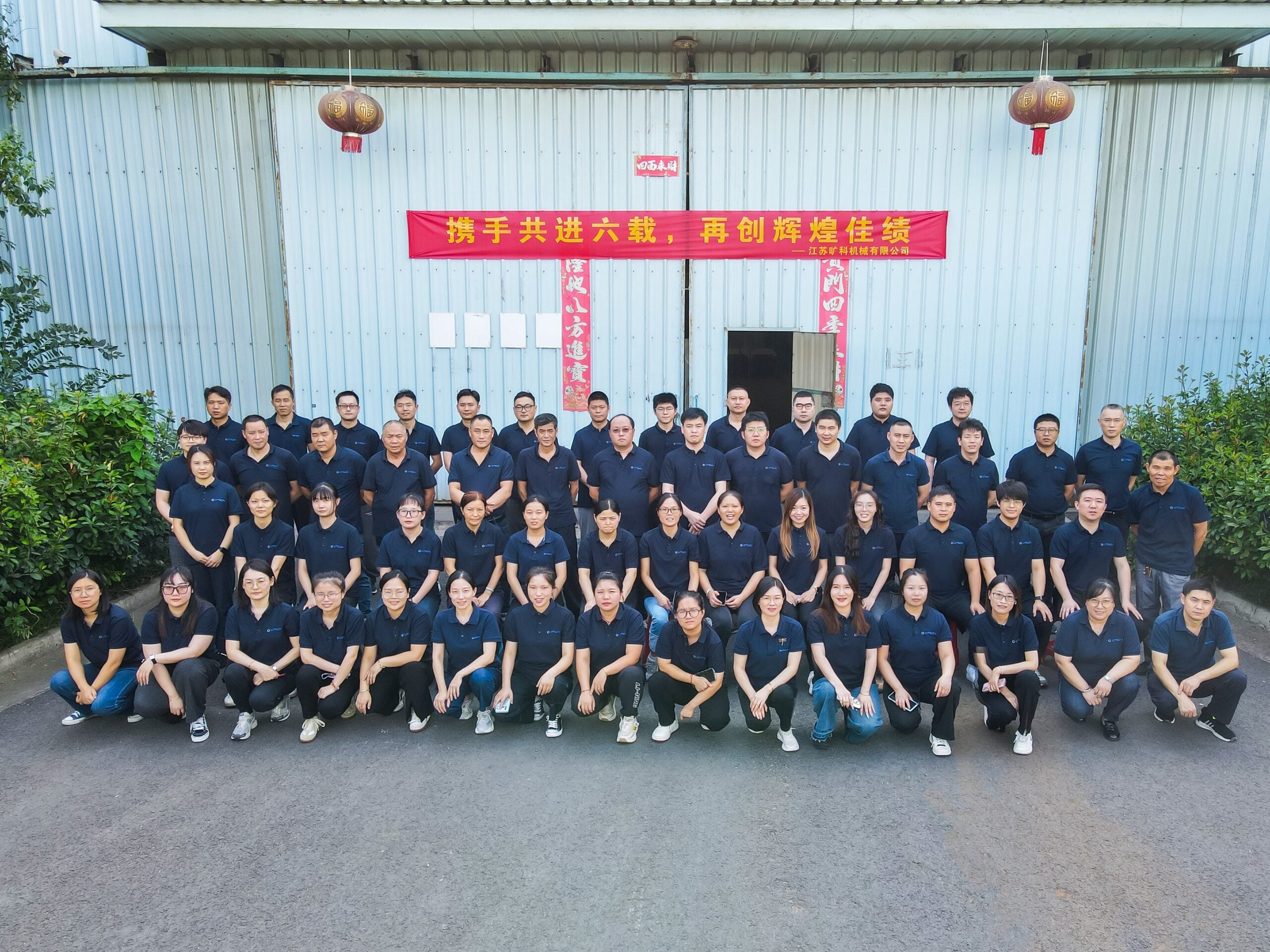
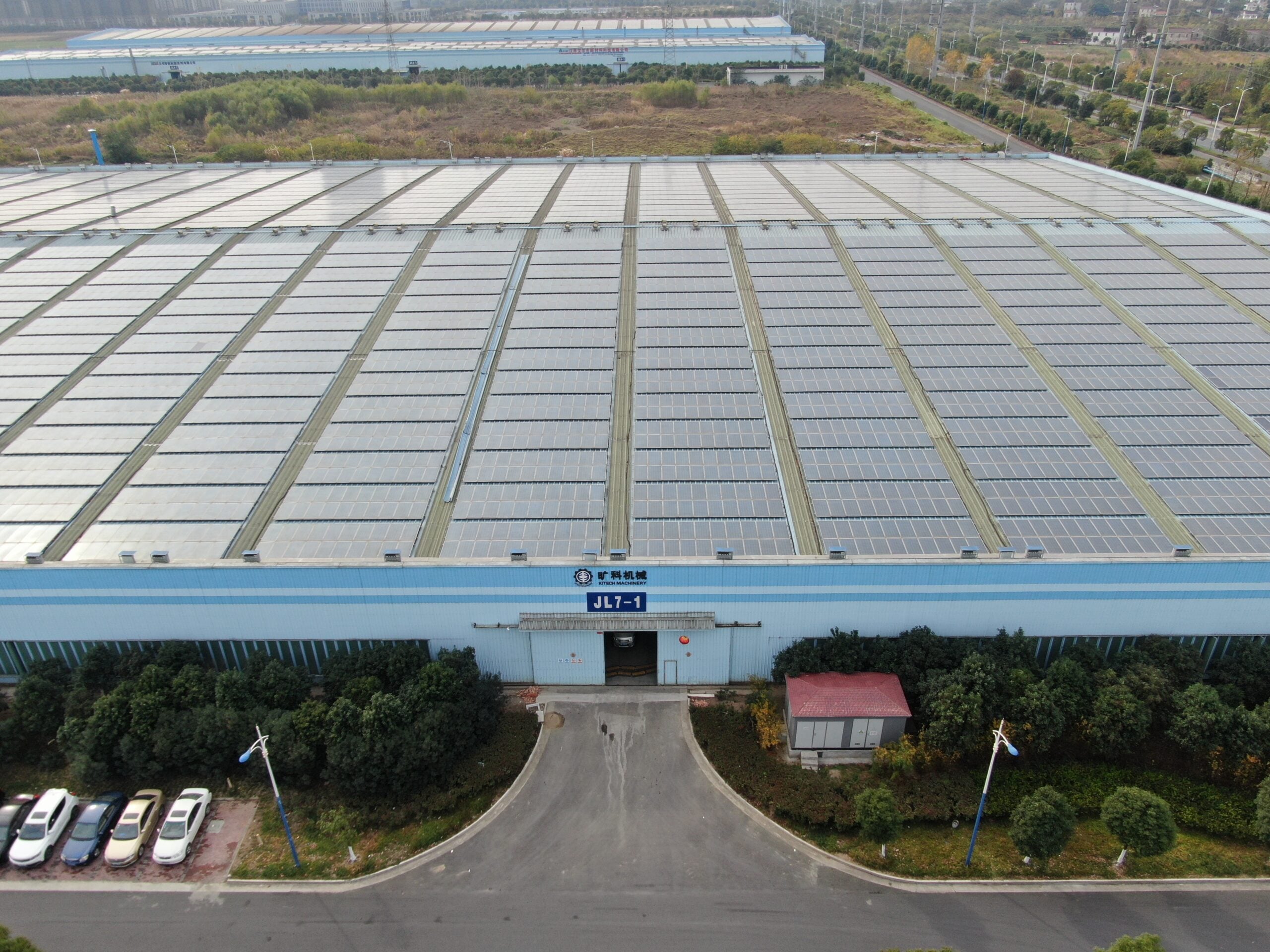
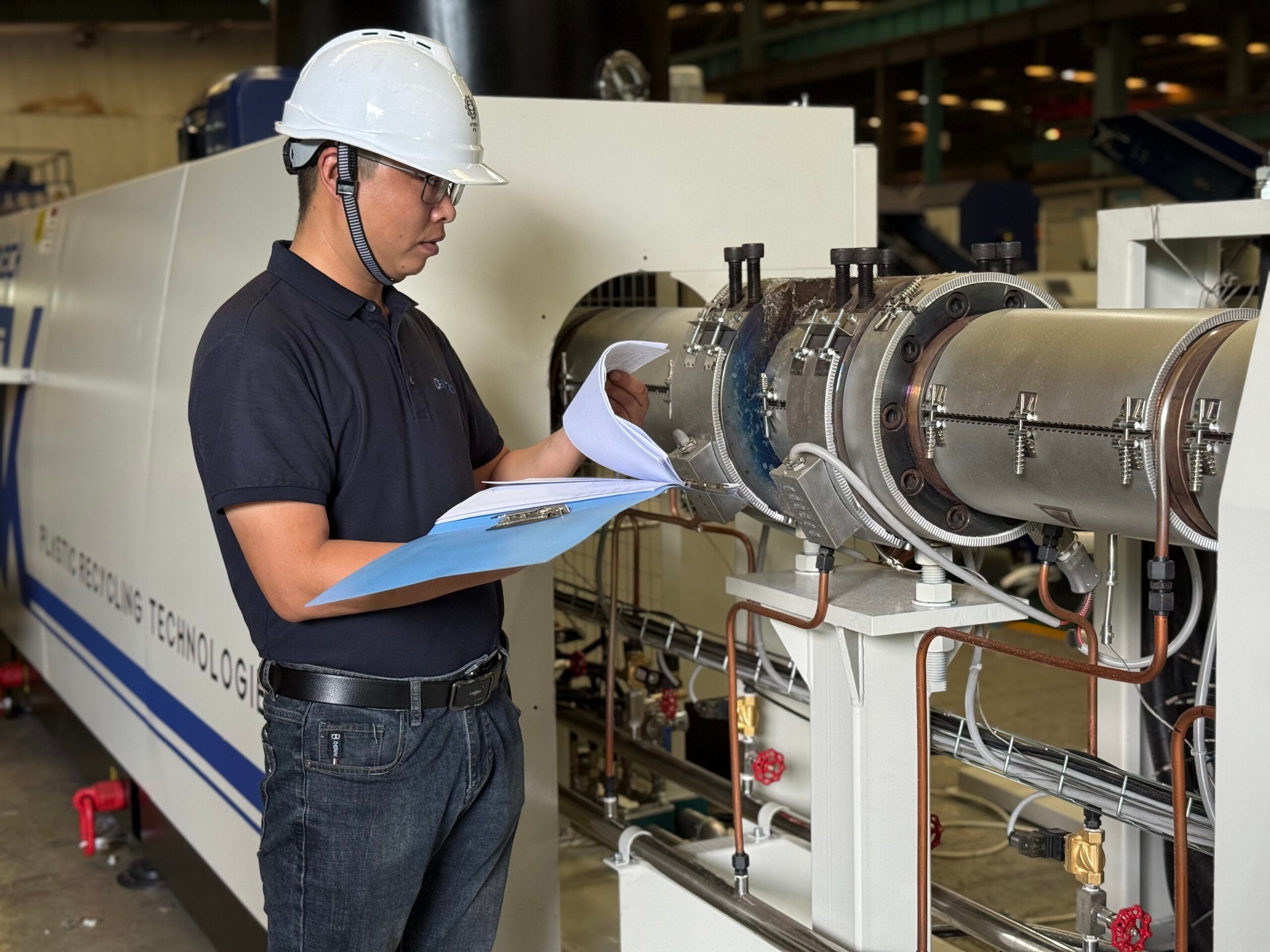
Certifications and Global Compliance
CE
European Conformity
Machinery Directive 2006/42/EC
UL
Underwriters Laboratories
North American Safety
CSA
Canadian Standards Association
Canadian Market Access
38CrMoAl
Nitriding Steel
All Screws & Barrels
DC53
Hard Alloy Steel
Scraper Blades
NSK
Japan Bearings
Cutting System
FAQ —Plastic Recycling equipment
How does a self-cleaning melt filter work?
Moving parts: rotating screener blades scrape contaminants from Laser-Drilled disc screen plates in your extruder while it runs to produce pelletizable material. Contaminants flow into the filter chamber with polymer, pass through disc screens under 25 MPa and the clean melt exits for pelletizing. Contaminants are discharged through a separate barrel so hot lines and the operators’ hands stay clean while 2% total melt loss achieved that requires no stopping or manual screen changers. The accelerator is settable at 1-6 rpm with a VFD inverter so the operator doesn’t need to change it to match contamination level. Running undeclared at 4-6 rpm on heavily contaminated agricultural film reduces blade wear by nearly 90% compared to running at 1 or2 rpm on cleaner post-industrial scrap. That adjustable parameter not only optimizes blade life but defines whether you’ll throw it away in 20 months’ time like a window fan or refine it down to dust like a gasifier.
What contaminants can the laser filter remove?
Particles of metal, paper, cardboard, wood chips, glass, rubber, aluminum, textile fibers, hair, unmelted plastics, sand, copper, stones, etc…anything greater than 100-250 m will be captured. Post consumer agricultural film heavily contaminated with ground soil and wire contamination where the laser really shines as you can’t even run it for more than a few minutes with one of manual screen changers.
How does a plastic squeezing dryer reduce moisture to 3–5%?
JGM A 316K Squeezing dryer is comprised of a 38CrMoAl diameter 320-380 mm screw and the SL design of back push zone. Plastic that has been washed is introduced through the hopper and is compressed against the barrel walls such that the grinding pressure builds up and water is expelled through the drainage holes in the barrel, removing 92-95% free moisture. Friction between the screw and the wet resin also produces enough heat to nearly heat the conveyor such that the polymer is semi-plasticized. The plastic comes out through the Die plate and is cut by the face cutter with SKD-11 blades into much uniformly sized pellets. Friction heat and squeezing pressure – that’s what gets the final moisture down to 3-5%, the finest ends and with no external heat, hot air or water heating possible.
What materials can KITECH auxiliary machines process?
KLF laser filter: LDPE, LLDPE, HDPE, PP, CPP, BOPP, PS, EPS, XPS, ABS, POM, PA – MFI 0.124–200 g/10 min. JGM squeezing dryer: LDPE stretch film, agricultural film, PP woven bags, non-wovens.
How long do disc screen plates last before replacement?
3-6 months operation continuous per set; vacuum oven cleaning every 2-4 weeks – most sets withstand 10-15 cleaning rounds before wear can be measured. Stock the spare set.
Can the laser filter and squeezing dryer integrate into existing lines?
Yes. KLF is mounted at three points: end of first stage of extrusion, between extruder stages, or at large diameter extruder die head – standard flange connections fit the most common barrel diameters. JGM is installed between your line for washing and your extruder’s feed hopper. Both run PLC control with standard protocols. We have retrofit history into lines from all major extruder OEMs with no modifications to existing equipment. During commissioning we send an engineer to oversee PLC integration, any flange fittings if necessary, and train operators. Standard retrofit takes 2-3 days once on site, but lines with unusual barrel diameters require a custom flange fitting which can take an additional day.
What is the lead time for KITECH auxiliary equipment?
60 calendar days once order is confirmed for standard KLF and JGM equipment. Custom voltage, non-standard set-up: 75-90 days.
References & Data Sources
KITECH Product Datasheets: KLF self-cleaning laser filter series (2025 edition)
KITECH Product Datasheets: JGM squeezing dryer semi-plasticized type (2025 edition)
ISO 294-4 – Plastics – Injection moulding of test specimens of thermoplastics (MFI reference methodology)
DIN 17211 – Nitriding steels – Technical delivery conditions (38CrMoAl)
European Parliament — Machinery Directive 2006/42/EC (CE marking requirements)
Plastics Technology Online – “Finding the right melt filtration system for post-consumer recycling” (2020)
PURE LOOP / EREMA Group – “Melt Filtration in Plastic Recycling” technical overview
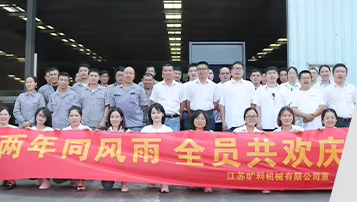
The Engineering Team Behind These Systems
Now, thanks to twenty years of experience bringing laser filtering and mechanical dewatering into recycling lines in over 80 countries we can give you this rapid technical comparison kit. All performance specs refer to data collected at our Shanghai production test center. All application scenarios are configurations such as those we have delivered, installed and tested in solutions for actual clients. All material comparisons are based on comparative testing we have done and data we have secured from third party reports from the plastics industry. when citing industry benchmarks and other data not originating from our own test center, we clearly specify this as such, I do this because we want our technical truths to be worthy of our name as the market leader in post-consumer plastics recycling.