Get in touch with Kitech Company

How HDPE Recycling Lines Work: Stage-by-Stage Process Guide


As one of the most commonly recycled forms of plastic in industrial processes, High-Density Polyethylene (HDPE) can be seen in the form of bottles, pipes, and much more. The problem of recycling HDPE, however, is a much more complicated and inefficient process, with many well-contracted and procedural steps, aimed at transforming the waste plastics into something useful. In this article, we make an attempt to address the Stage-by-Stage Process of the HDPE recycling Line, detailing the technologies, processes, and concerns that arise in the implementation of this process. This is suitable for those who are interested in the profession of recycling, manufacturing, rethinking the products, or the techniques of recycling itself, or this version will explain to you how HDPE gets a cycle.
Introduction to HDPE Recycling
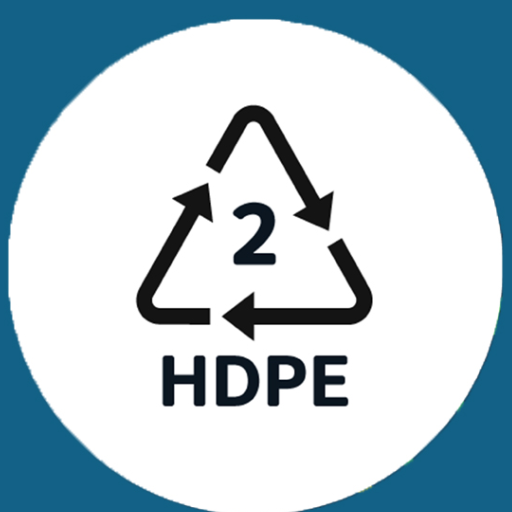
The recycling of high-density polyethylene (HDPE), most often in the form of bottles or containers, is an industrial procedure that aims at assessing, collecting, recovering, and reusing ‘end-of-life’ HDPE plastic products. It requires collection, separation, washing, grinding, and converting this material into pellets or flakes for onward incorporation in the mass production of new items. It eliminates the biggest contributor of solid waste in the landfills and helps in protecting and maintaining the ecosystem by reducing the consumption of plastic, which in turn results to unmet production of additional plastic. It is very necessary to conserve the environment. Similarly, it is one of the most recycled plastic and the qualitative features of High-Density Polyethylene (HDPE are very few and very contrasting against each other. Thus, different types of HDPE may be recycled in the same way, and HDPE is not subject to changes regarding the recycling line or processes.
Importance of HDPE Recycling
The line of recycling of high-density polyethylene (HDPE) has a lot of positive environmental and economic aspects. Recycling in this case means that the part of the plastic products of HDPE that has finished its purpose and could be thrown in the landfill is collected and used again. This acts as a measure against other forms of plastic pollution. This approach saves resources by lowering the consumption of oil, which is the basic component in the fresh plastic manufacturing process. Moreover, recycling high-density polyethylene uses less energy than making it from scratch, thereby saving energy and reducing greenhouse emissions.
From an economic perspective, the HDPE recycling line enhances the growth of the closed-loop economy by enhancing the markets for post-consumer plastics, which helps bring down the cost of production in several sectors. Inexpensive raw material in the form of processed or cut HDPE is a substitute heavily used in the most common pipe, container, or package production. What is more, due to the recycling of HDPE, there is job growth within the mega recycling infrastructure, which has very positive implications for the economy while being environmentally friendly.
🌿 Environmental Benefits
- Reduces landfill plastic waste
- Lowers oil consumption for new plastic
- Decreases greenhouse gas emissions
- Saves energy vs. virgin production
💼 Economic Benefits
- Grows closed-loop economy markets
- Lowers production cost in key sectors
- Substitute for pipes, containers, and packaging
- Creates jobs in recycling infrastructure
Current Market Demand for Recycled Plastics
Recycled plastic is becoming more popular lately as a result of growing recognition about ecology and better-designed policies to tackle the issue of plastic waste. Recycled plastic raw materials are also in demand due to the laws adopted by different countries across the globe. This has resulted in increased and faster shift to greener and sustainable solutions. Particularly, the packaging, construction, and automotive industries are dependent on recycled plastic, with most recyclable plastic packaging being spent on the increased demand for recycled PET and HDPE recycling lines for bottles, lids, and liners. Moreover, with the increased development in recycling technologies, it has become possible to use the recycled plastic in industries where high-quality plastic is required, and thus, such cooperation is facilitated. However, even though new developments are taking place, there still exist hurdles in terms of the inconsistency of supply and quality of content, especially the presence of contaminants and higher prices when compared to virgin plastics, which might make it possible to satisfy everything the market asks for.
Overview of the Circular Economy
Economic development, which seeks to prevent the generation of waste, optimize the use of resources, and develop natural systems, is the essence of the circular economy. The linear economy operates on a ‘take-make-use-dispose’ basis, whereas the circular economy takes the opposite approach of thinking of keeping materials in use for as long as possible. These include recycling, repairing, reusing, refurbishing, and remanufacturing, among other strategies. Main aspects include designing for durability, reducing materials, and making closed-loop supply chains.
A circular economy has advantages such as less reliance on raw materials, cost reduction, and less greenhouse gas emissions. Businesses are also able to cope with complex situations, as it encourages new ideas. In addition, it is also aligned with the Sustainable Development Goals, in particular, the goals of the United Nations.
The shift towards a low-waste economy, however, includes overcoming certain obstacles, including the reorganization of supply chains, optimization of waste collection points and waste sorting infrastructure, managing regulatory challenges, and increasing horizontal interaction between sectors. It can be enlarged in the translation into practice by taking into account the development of different industries, with the employment of technological progress in the HDPE recycling line, promotes the attainment of a sound economy that is capable of restoration and growth in society.
| Aspect | Linear Economy | Circular Economy |
|---|---|---|
| Model | Take → Make → Use → Dispose | Keep materials in use as long as possible |
| Resource Use | High reliance on virgin raw materials | Reduced reliance; materials reused/recycled |
| Waste Generation | High waste goes to the landfill | Minimized; waste becomes new input |
| Emissions Impact | Higher greenhouse gas emissions | Lower emissions; energy-efficient processes |
| Strategies | Single-use production cycles | Recycle, repair, reuse, refurbish, remanufacture |
Core Components of HDPE Recycling Lines
Below is a list of the main machinery of the HDPE recycling line:
Main Machinery Overview
- 01
Shredder and Granulator
Designed for downsizing of HDPE product or process into small flakes or granules, facilitating further processing. - 02
Washers System
Includes a friction washer or float sink box used for the removal of debris, adhesive, and label contaminants from the HDPE. - 03
Separators
Equipment used for separation of certain types of materials, such as HDPE flake from other materials by the use of the density principle and an air separator. - 04
Driers
Washing up to the stage where the HDPE flakes are clean and still wet. It is possible through mechanical and heat sources. - 05
Extrusion Systems and Pelletizing Machines
Molding systems intended to convert washed HDPE flakes into ready-to-use same composition pellets.
Essential Machinery in HDPE Recycling
The modern equipment, which is indispensable for the HDPE recycling line, guarantees the accomplishment of all the processes offered. The most significant improvements are outlined below:
🎯 Enhanced Quality
Optical sorters and density separation methods enhance the purity of recycled HDPE with greater applications and lower contamination.
⚡ Reduced Energy
Advanced extrusion and pelletizing systems are energy-efficient, lowering operation expenses and observing environmental regulations.
🔧 Scale & Automation
Automatic washing machines and shredding equipment handle high-volume operations with predictable output and reduced manpower.
💧 Moisture Management
Installed drying units prevent recycled flakes from excess moisture, suitable for extrusion and extending the service life of products produced.
These developments help to fill the requirements of the industry in question, while still promoting environmentally safe procedures and further consolidating the importance of the HDPE recycling line as part of sustainable production practices.
Overview of the Washing System
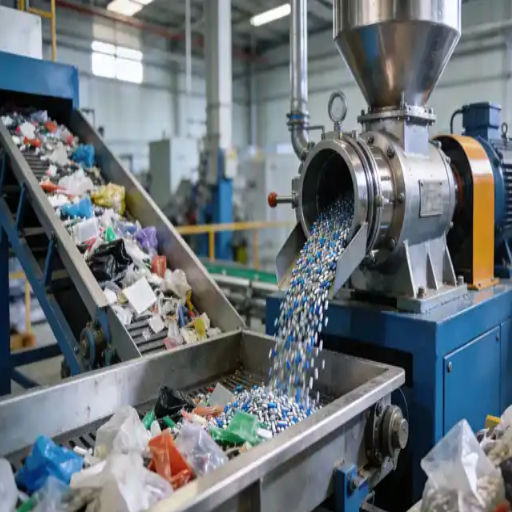
The HDPE washing system produces a lot. This is one of the several staged process devices that make sure HDPE materials are pure and ready for recycling and reuse. The system incorporates the use of several machines, such as shredders, friction washers, flotation tanks, and drying equipment, to achieve the best possible results. With this design, the washing of HDPE articles as they are used begins with the mechanical reduction and cutting into smaller comparable particles for ease of breaking down dirt.
Friction washers then come in as a major element, for they are the ones that score and clean, especially dry contaminants (adhered) such as adhesives, labels, or dirt-free spirits. Flotation tanks are used to separate various densities, predominantly heavy impurities from HDPE materials, as HDPE materials are less dense and float in water. When the process is complete, efficient drying mechanisms are employed which involve the use of high speed centrifuges or thermal dryers to dry the material from any accidents of stubborn water in the system remaining moisture.
Modern smart systems come with built-in robots and built-in sensors that help in reducing power usage and, above all, increasing productivity. Washing systems, as per the review of technology development, enable cleaning more than 90% effluence of the HDPE as it goes through the HDPE recycling line. This careful cleaning process is important due to the strict standards of manufacturing of either food-grade or high-performance recycled HDPE product therefore allowing sustainable processes to a wide range of industries.
| Stage | Equipment | Function |
|---|---|---|
| 1. Size Reduction | Shredder / Granulator | Mechanical reduction into smaller particles to ease dirt removal |
| 2. Surface Cleaning | Friction Washer | Removes adhesives, labels, and adhered dry contaminants |
| 3. Density Separation | Flotation Tank | Separates heavy impurities; HDPE floats due to lower density |
| 4. Moisture Removal | Centrifuge / Thermal Dryer | Eliminates remaining moisture for extrusion-ready material |
Key Benefits of HDPE Recycling Lines
Recycling Efficiency Boost
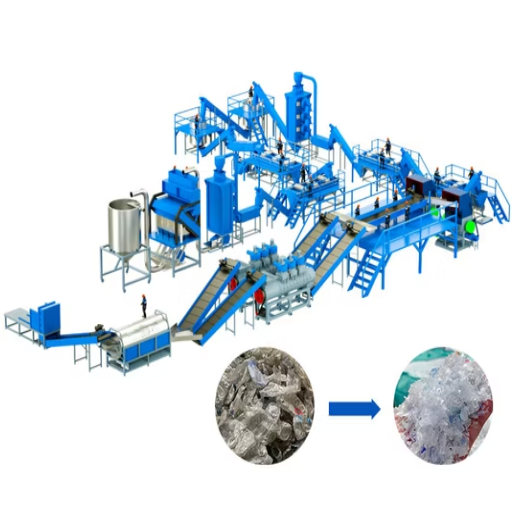
State-of-the-art HDPE recycling lines are able to deal with advanced systems of automated control along with smart sensors, which are aimed at guaranteeing the best possible cleaning, washing, and processing. Such lines easily achieve more than 90% of cleaning efficiency, which is very important due to the high purity demands necessary in final product applications.
Sustainability and Environmental Benefits
Since HDPE recycling lines use a lesser amount of virgin plastics for raw material, it drastically helps to curb carbon emissions, and this also saves energy. These systems are essential in helping reduce plastic waste while assisting in the incorporation of circularity in working procedures in different sectors.
Maintain Quality of End Products
Moreover, every step involved in washing and reprocessing of the waste HDPE basket ensures that it conforms to very high quality standards, even for some of the food contact plastics. This assures users of applications in several sectors with a high demand for consistency in product functionality.
Savings in Cost
With the possibility of recycling a substantial quantity of quality plastics, these structures are also more cost-efficient for producers as they rely less on basic materials for making their goods.
Ability to Serve Multiple Sectors in the Economy
The fact that it can be applied in, amongst others, packaging, construction, and automotive sectors is evidence of how effective considerations of economy integrated into these systems, as they can produce recycled HDPE produced by such lines of high technology popular in contemporary society.
Return on Investment (ROI) for Businesses
By investing in recycling lines, and in particular, HDPE recycling lines, companies obtain advanced benefits such as lowering the cost of materials by significantly diminishing waste generation and entering green markets. For these companies installing such equipment, an economic rationale depends on the idea that the consumption of raw resources is lowered by the second use of such resources. Also, many of the companies embracing advanced recycling systems unlock incentives/reliefs available within their jurisdictions for adhering to sustainable practices. From a rather non-economic perspective, such systems help in the attainment of brand enhancement and customer retention objectives since they align with the demand for environmentally conscious goods. All these together result in short-term cost reduction and long-term enhancement of net economic returns while encouraging green practices.
Sustainability Impact of Recycling Systems
Due to the recycling, consumption, and extraction of non-renewable natural resources is significantly curtailed, and as a result, the environment does not suffer that much. As stated in many sources, such systems facilitate a reduction in greenhouse gases and energy expended to extract and prepare materials, which are the primary causes of changes in the climate. What is more, recycling helps to reduce the amount of solid waste that ends up in disposal upwards, decreasing the need to dispose of land and the methane gas that is formed by decaying organic matter, respectively. They also work towards a model of the economy where parts and products can be reused or modified in order to improve the use of resources and sustainability. When different advanced recycling practices are introduced, the manufacturing process becomes easier, wastes are minimized, and global environmental standards are met, which essentially balances economic development with protecting the ecosystem.
Output Quality of Recycled HDPE
Purity of the raw materials, recycling methods, and presence of additives are the main factors affecting the quality of recycled high-density polyethylenes (HDPEs). As for recycled HDPE, when properly processed extends attributes such as strength, rigidity, and impact resistance like the prime HDPE. In contrast, even minimal contamination of the mix, such as colouring pigments or organic residues, affects the mechanical behavior and appearance. That is why high-grade sorts, thorough rinsing, and ultimately high-quality are necessary. Range of applications for recycled HDPE can vary depending on less demanding circumstances in which the high level of quality requisites standards, geographic attempt work. It can even exist non-compliance, other non-adherent limits face HDPE recycling line; however, of course, a totally different system of control (quality management) is activated.
Technical Considerations for HDPE Recycling

The number of challenges troubling the HDPE recycling line is increasing at a fast pace, and the following factors need to be discussed to yield recyclable materials of the best grade:
⚠ Contamination & Decontamination
Where nonplastic foreign substances (e.g., dyes or organic materials) are present within the materials to be recycled, the quality of the mixed HDPE produced is impaired and has less market acceptance. Therefore, several effective methods of sorting and stringent methods of washing must be implemented to eliminate these contaminants.
⚠ Degrading Material
Multiple runs of recycling tend to fracture the polymer chains, which, on reduction, results in the decrease of its Strength and plasticity. It is relevant to conduct monitoring and testing of the material characteristics after recycling.
⚠ Quality Assurance
Consistency of the recycled products could also be affected by variability in the sources of scrap. Inclusion of established collection and sorting rules can possibly balance the quality of material within a range of batches.
Adoption of high-end recycling innovations and formulated quality maintenance measures towards addressing these challenges is important if HDPE is to be recycled and further applied.
Throughput Capacities of Recycling Lines
HDPE recycling line has a throughput depending on technology, raw material, and efficiency of work. Current technology is capable of sorting, scrubbing, and extrusion of Manufacturing lines intended for recycling from 500 to 3,000 kilograms per hour. Capacities in such systems primarily depend upon the kind of pre-treatment equipment, i.e., shredders, grinders, used, and the ease of cleaning the contamination. As systems advance, they are more economical in the use of energy with longer intervals for trouble-free operation while still delivering the required throughput with a high material quality specification. What is also important, as most large production volumes are managed, technological advances enable automated tendency control, occupational health, and adjustment. Furthermore, the correct use of all these processes and the regular calibration for each machine gives room for increased capacity.
| Line Scale | Throughput (kg/hr) | Typical Application |
|---|---|---|
| Small-Scale | 500 – 800 kg/hr | Local recyclers, pilot facilities |
| Mid-Scale | 800 – 1,500 kg/hr | Regional processing centers |
| Large-Scale / Industrial | 1,500 – 3,000 kg/hr | Large industrial recycling facilities |
Washing Systems for Effective Cleaning
Advanced and provided washing systems function in a way that will guarantee thorough cleaning of the material. Notably, functional systems incorporate several stages in their relationship with pre-washing, intensive rinsing, for instance. Pre-washing will aid in removing any dirt or dust, while the key intensive washing process uses high-pressure water jets, mechanical movement of the vessel, and surfactant-based detergents to effectively clean dirt and oils from the surfaces. It takes care of the final rinsing and resolution of any residue that may be present on the material.
Progressive systems frequently incorporate facilities like a closed-cycle water treatment, which prevents wastage and allows washing to be consistently stable. More devices, for example, sensors in flow, and appliances for automatically making changes, assist in checking the water quality and the performance of the system in real time, leading to efficient optimization of operations. Washing apparatuses that combat abrasive materials must be capable of withstanding wear and tear, and washing equipment components made from certain abrasive materials require durable, high-performance components. Suitable arrangements of apparatus and timely operations run within the perimeter of given settings before any excesses are seen, sustaining the systems in good condition and giving the most efficient output under heavy utilization.
Washing Stages
- Pre-Washing: Removes loose dirt and dust from the surface of incoming HDPE materials.
- Intensive Washing: High-pressure water jets, mechanical vessel movement, and surfactant-based detergents clean dirt and oils from surfaces.
- Final Rinsing: Resolves any residue remaining on the material surface before drying and further processing.
Granulation Processes in Recycling
The granulation process plays a very keen role in the recycling of plastics to make new products easily because granulation involves reducing plastics into similar and the same size granules that represent new raw materials. The practice mostly starts with cleaning and organizing the materials, followed by breaking them down into very small, shredding materials before finally washing them to remove any adhesive, dirt, and even paint. In this regard, appropriately designed and high-performance shredders and granulators with advanced blade designs enable accurate size reduction without wastage. Factors such as blade condition, housing of the granulator, and the available electric motor rating in relation to the HDPE recycling line are the main ones that affect the extent to which a material can be granulated.
Modern industrial blenders are fitted with additional units for some purposes, such as air cooling and dust removal, to perform effectively as well as to improve product efficiency. Also, screening or sieving of the material is undertaken in-line to determine the size grading of the granules which are sent for further processing. It is necessary to replace worn-out blades, adjust the motors appropriately, and check on other systems within the equipment from time to time to avoid unnecessary halts of operations and losses. These techniques also aid in the reduction of the exploitation of new raw materials by making use of wastes that are reworked into granules of good quality, which salted the circular economy at its conceptualization.
Granulation Process Steps
- 1
Cleaning & Organizing: Materials are cleaned and sorted before processing begins. - 2
Shredding: HDPE is broken down into small shredded pieces using advanced blade granulators. - 3
Washing: Adhesive, dirt, and paint residues are washed away from the shredded pieces. - 4
Cooling & Dust Removal: Air cooling and dust removal units improve product quality and equipment efficiency. - 5
Screening / Sieving: In-line screening determines size grading of granules before onward processing.
Choosing the Right Equipment Provider
Finding a suitable equipment producer for a project is very important to tackling operational issues both in the short and long term. This relies on a couple of factors, which are the experience of the provider in producing reliable products and the industry machines in question. Look at how they incorporate cutting-edge technologies, whether they can assist, and whether there are spare parts in case any machine parts break down. Finally, determine whether they are environmentally responsible and seek to develop eco-friendly solutions. Working with a seasoned provider with a proven record, performance components are optimized, and productivity is increased, meeting business objectives.
Factors to Consider When Selecting Machinery
I approach choosing machinery by prioritizing several critical considerations to ensure that it meets operational expectations. Initially, I scrutinize the machine’s suitability for our specific tasks and the industrial regulations within which it will be used. I also take into account the vendor’s proficiency in the state-of-the-art principles and the support that they render in this respect. We cannot afford to forget that spare parts should always be at hand to reduce costs of sitting around and wasting machine hours, and energy conservation remains our primary concern since it is in line with our long-term strategies. The final goal is consistent when planning and caring about reliability, tuning up the machine’s performance, and enabling it to fulfill the intended business goals.
✓ Machinery Selection Criteria
- ✓ Suitability of the machine for specific tasks and applicable industrial regulations
- ✓ Vendor’s proficiency in state-of-the-art principles and quality of support rendered
- ✓ Availability of spare parts to reduce machine downtime and wasted production hours
- ✓ Energy conservation capabilities aligned with long-term operational strategies
Importance of Supplier Experience and Support
In procurement, assessing the expertise and support offered by a supplier is one of the biggest components when it comes to ensuring quality of service or product, and partnerships that work in the long run. An experienced supplier implies already familiar susceptibility with the processes, the depth of the opted for provision regarding the industry; that steps will be carried out in compliance with all who are involved and minimize the inclusion of their processes in yours. Professional inefficiency and inexperience commonly work to inhibit innovation, mitigate problems as they occur quickly, and improve quality control.
Therefore, the availability of adequate technical support equally matters. Strong support systems such as accessible customer care, rapid answer availability, and availability of troubleshooting specialists are some of the things that help to minimize interference and ensure the good running of activities. In this context, however, it is clear that those suppliers that emphasize extensive training and guidance, offer meticulous support documentation in conjunction with preventive maintenance measures, encompass everything towards achieving a more confident and efficient project team and fewer breakdowns.
Last but not least, a trusted partner is expected to express a willingness to cooperate by catering to particular operational requirements, providing solutions that are scalable, and meeting the set deadlines. The blend of vast practical and technical expertise, accompanied by faithful customer-oriented support, is a confirmation that the supplier is not only capable of delivering on the basic needs of the present but also assisting in the achievement of long-term objectives of the organization.
Future Trends in HDPE Recycling Technology
The developments in the recycling technology of HDPE have lately been determined by improvements in the existing mechanical and chemical processes, the reduction of manual inputs, and the application of artificial intelligence. There is an effort in pushing forward mechanical material treatment, where the waste plastic is cut into small pieces, cleaned, and processed into plastic again. This is an effort to produce high-quality, reusable resins without impurity, which can be applied in more than one way. Moreover, chemical processing techniques that turn plastics into derivatives, for instance, pyrolysis as well as depolymerization, are expanding steadily. The techniques are preferable because of the capacity to decompose or break down the HDPE molecules into high-calorie level materials similar to the pure form, and can be used in high-quality applications.
Machine learning and robotization are coming into the forefront by simplifying the processes of sorting and quality checking. Utilize state-of-the-art technology in optical sorters through the enhancement of AI applications in real time, and can distinguish and segregate HDPE from any other kinds of plastics to a very high degree, therefore attaining a great degree of efficiency and low recycling contamination. There is also a growing trend towards the use of closed-loop procedures, where HDPE waste is recycled back into similar products, therefore reducing the need for virgin materials.
Enhancing recovery has also made its way, adding bio-inspired elements to provide the possibility of a recycling concept. It should be noted that these trends denote a good inclination for sustainability and circular economy practices as industry standards and governmental policies seek to impact the environment and meet recycling goals.
| Trend | Technology | Key Advantage |
|---|---|---|
| Advanced Mechanical Recycling | Improved shredding, cleaning, and processing | High-quality, impurity-free reusable resins |
| Chemical Recycling (Pyrolysis) | Pyrolysis & depolymerization | Breaks HDPE to near-virgin quality for high-end applications |
| AI & Robotics Sorting | Machine learning + optical sorters | High-precision segregation; reduced contamination |
| Closed-Loop Procedures | HDPE recycled back into identical products | Reduces need for virgin materials significantly |
| Bio-Inspired Recovery | Bio-inspired processing elements | Expanded recycling concept and enhanced material recovery |
Reference Sources
Effect of Mechanical Recycling on HDPE Properties
Successive mechanical recycling of HDPE leads to molecular changes, including long-chain branching and increased viscosity after multiple cycles. However, no extensive crosslinking was observed, ensuring material reusability.
Recovery Pathway Assessment for Circular Economy
Allocating recycled HDPE to longer-life products (e.g., drainage pipes) is slightly more environmentally beneficial than shorter-life products (e.g., milk containers). Current recycling rates are insufficient to meet the 2030 sustainability goals.
Incorporation of Recycled HDPE in Pipe Resins
Blending recycled HDPE with virgin PE for pressure pipes is feasible, provided the recycled content meets quality standards. Proper sorting and handling of waste streams are critical.
Frequently Asked Questions (FAQs)
How is a pipe conveyor system integrated in the course of hdpe recycling line?
In addition, there is a pipe shredder or conveyor in the line for recycling HDPE applications, which brings rigid material such as milk bottles, bales, or containers of wheelie bins towards the shredder. Conveyor pipes help to contain the material, reducing contamination and dust, protect, and help to reduce the danger that may arise from manual feeding into the shredding stage, where shredded HDPE and polypropylene containing colored material fractions are ground into highly reduced regrinds or flakes. This system of pipes can also be a part of a modular system to develop more effective production for high volumes of materials by minimizing the need for manual work.
Why does a drum washer play a significant role in the HDPE washing line?
HDPE recycling lines employ drum washers for the washing of HDPE flakes since they facilitate an effective combination of washing in hot water, friction, and simultaneous filtration of labels, adhesives, oils, etc. The drum construction assists dewatered flakes entering the dryer or pelletizing unit with minimal moisture loss. Durable, high-quality drum washers with precise filtration features allow the provision of clean, virgin- quality flakes suitable for application in injection technologies or extrusion.
In a plastic HDPE recycling line, is it possible to use PP and HDPE flakes simultaneously?
In its current state, these processes can occur for the HDPE-PP combined streams in the same recycling plant; however, with the end goal of high-quality resin, separation is of utmost importance. Density separation, sink-float tanks in the washing area, and also sensor- based sorting are examples of processes that may assist in the removal of contaminants. In addition, automatic manufacturing of modules containing separation facilities integrated with precision control capabilities of PLC systems and Siemens sensors ensures more accurate separation of materials. In most cases, where better recycling options are sustainable, sorted streams of HDPE and PP result in more premium grade Hdpe flakes as well as PP flakes, ready for pelletizing or straight recycling, continuous reprocessing.
How do wheelie bins and other rigid bales affect the recycling process as a whole?
Solid, uncomplicated regrind that remains steady and level in bins is typically insured by cubers, as is the case with other high-volume regrind flow lines. When the equipment is broken, particularly for the updating of the operations, metals and other non-metallic materials should be removed during the operation process. The fragmentation of plastic chips precedes the complete washing and drying of the material and its conversion into pellets or the direct selling of raw materials. This polymer recycling is dominated by ecologically benign and resource-free processes; only the equipment needs protection, and consumes wear components and high-performance machinery to ensure the availability of the machines in the recycling facility.
What processes and dehumidification systems help to improve pelletizing?
After cleaning, subsequent drying is done through centrifuges, vibrating screens, or drum dryers, which can bring down the moisture to levels that do not interfere with extrusion and pelletizing. The controlled heating and airflow of drying units are always helpful in the removal of extra water content from HDPE flakes, though stringent humidity control and filtration measures should be put in place to avoid any possibility of polymer degradation of the chips. These high-quality dryers with built-in PLC control systems and several sensors dry the flakes to the required consistency for production of flawless pellets or any other downstream injection molding or extrusion activity.
What quality-related problems exist in fighting contamination and helping to attain high-grade polymer flakes?
Some of the problems found in recycling resin include traces of other plastics, particularly labels, together with metal, PVC, or organic matter, which undermine its economic value and affect the subsequent molding process. Contaminants are removed effectively through sorting, magnets, hot water washing, friction cleaners, filters, and detectors to generate contaminant-free, clean flakes. Polymers are checked in a laboratory to ensure that they are pure and free of moisture, as well as any unwanted residues; mixing and manufacturing processes involve blending, pelletizing, and transforming the polyethylene back into premium quality to be reused again. Offering flexible models with extended customer care service supports accuracy and longevity of installation and conformance to the emissions directive to encourage plastic waste recovery.