Get in touch with Kitech Company

How to Recycle Heavily Contaminated Woven Bags?

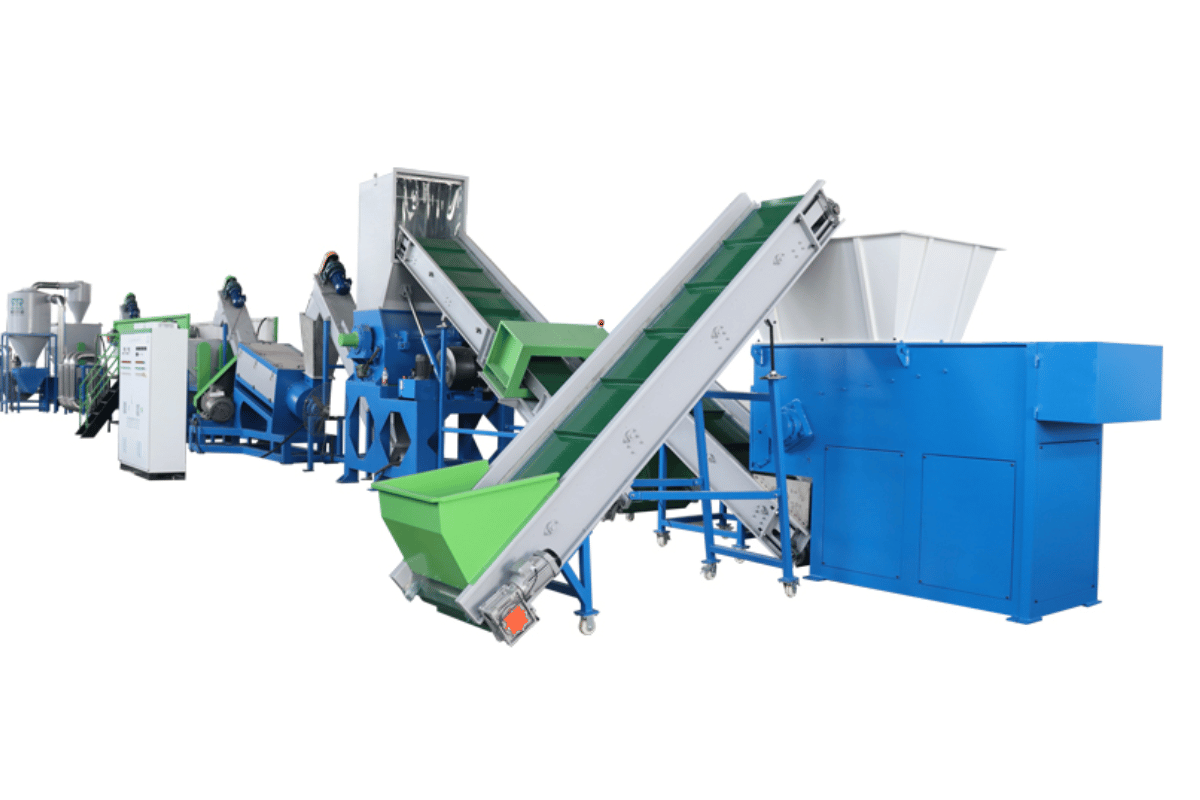
Recycling Contaminated Woven Bags: Comprehensive Guide to Sustainable Solutions
Advanced Techniques, Challenges, and Best Practices for Woven Polypropylene Bag Recycling
Recycling Contaminated Woven Bags remains a significant challenge in innovation and waste management space. Contaminated bags because of their wider use in agriculture are filled with dirty loads, oil, other chemicals and which prevents recycling using the traditional means. This paper concerns with the research on analyzing the possibilities of facilitating the disposal of these materials by recycling them into the production back. By comprehending the essentials of the pollution problem and the ways of applying new methods of recycling, it is possible to cause fewer environmental damages and improve resource productivity as well. That is the mission we are about to accomplish during the introduction of this plan – to break this arduous objective into its structural tasks and procedures.
Understanding Woven Polypropylene Bags
In a Woven Bag, many tangled threads of polypropylene tapes are interwoven together to form woven polypropylene which is a durable and convenient material. In the fields of agriculture, retail, construction, etc. such bags are frequently employed in order to pack items due to their lightweight, high endurance and their imperviousness to moisture and chemical attack. Moreover, the bags of these proportions are quite efficient in storage and delivery of grain, fertilizers, sands and feeds amongst others. Furthermore, the bags can be recycled by melting the fibrous plastic at high temperatures but only where there are facilities where contaminated woven bag recycling can take place.
What are Polypropylene Bags?
Polypropylene bags are a type of durable packaging made from a polymer material known as thermoplastic polypropylene. It can be made strong and light through weaving or extrusion. As the advancement of technology and research goes and as fresh information is being availed, this suggests that these processes are most commonly used when making the bags. These processes have a high benefit in that they cause wear and tear of the material to be efficient when carrying or storing the bags. You can find a lot of these bags in the agriculture industry, building industry or retail industry as they usually hold rice or cereal or cement or fertilizers. They are also gaining increased importance in the field of reusable and sustainable packaging owing to their aptitude for being recycled as well as being fit to the use of eco-systems where extended contaminated woven bag recycling systems are available.
The Weave of Woven Polypropylene
One such material is woven polypropylene that is comprised of strips woven with each other in a designated manner in order to produce a tough and easy to handle fabric. As one may guess from the pattern and surface, there is almost no breakage of threads even just for a few seconds as it can withstand continuation of force rather extraordinarily. There is strength retained during this weaving technique, however some porosity is obtained to allow a free flow of air and this especially good for materials such as grains or fresh vegetables which benefit from aeration. The ease in production processes of these, limited number of useful applications and good results even make it a choice of instrument in the field of industry as well as manufacturing.
Common Uses of PP Woven Bags
1. Food Grains Storage
Those uses are usually intended for polypropylene bags which are held with the contents due to woven plastic construction. Plastic bags for cereals are in high demand with wheat, sugar, rice cereals and several others. These are not heavy containers and have a wide open top for filling in the materials and hold the products inside quite firmly for long durations.
2. Construction Materials
Wet mass of building mixtures is best filled with cement or concrete and if required, reinforcement polypropylene woven bags that include sand and gravel, work with equal performance also with resistance to tears.
3. Retail Shopping Bags
Typically, people opt for reusable PP woven shopping bags rather than single-use plastic ones because they are not considered harmful to the environment. They are meant for definite retail sectors due to the fact that they can be easily customized and are quite tough.
4. Agricultural Products
Used extensively for fertilizers, seeds, and agricultural chemicals, these bags provide excellent protection during transport and storage while maintaining product integrity.
5. Chemicals & Industrial Products
They work like containers for chemicals, resins, raw materials in the manufacturing industry. When dangerous or sensitive contents are involved where other substances may easily interfere, PP woven bags become very useful during such transit.
The Importance of Recycling Polypropylene
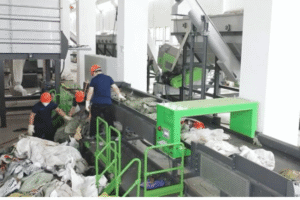
Contaminated Woven Bag Recycling is a crucial component in minimising waste and conserving natural resources. Polypropylene is one of the most widely used plastics in various applications today, and because of that, it’s one of the major contributors to plastic waste when people fail to recycle. As a result, this material does not clog the landfills, neither does it cause any damage, nor does it waste any energy as well as raw materials that would have been used to create something new. More so it supports a policy and practice of waste management that enables returning this material into the economy but in different forms – such as packaging, clothing, and even construction. These practices help as long as this product gets managed well, primarily through the introduction of good recycling techniques.
Benefits of Recycling Polypropylene
Diminishing Landfill Accumulation
Polypropylene waste is taken out from the landfills through recycling. Analysis exposes that 16 percent of plastic waste in the world comes from polypropylene. These major quantities of waste can be avoided through the practice of recycling, and the pressure on filled-to-capacity landfill sites may be decreased.
Saving on Power Utilization
Recycled polypropylene products include a great change in energy use concerning the making of another batch of new polypropylene using unprocessed oil. Studies show that recycled plastic does not consume more than 12 percent of energy, thus, it is more energy saving.
Carbon Footprint Reduction
Recycling of polypropylene also provides a major advantage as far as reducing the plastic production-related greenhouse gases is concerned. If virgin polypropylene is produced, there are products that will emit a great amount of CO2 and if the same polypropylene is used again the emissions can be reduced by approximately 50 percent cutting down the effect of the process.
Preservation of Environmental Resources
Virgin production of polypropylene significantly chips away at the availability of nonrenewable natural resources such as crude oil and natural gas. When such materials are reprocessed this demand is diminished, allowing them to be used for more critical functions.
Economic Viability for Sectors
In its place and in many cases, it is economical for sectors to use recycled polypropylene in place of virgin polypropylene. It is used in the manufacturing of automotive parts, containers, construction completion, and many other durable goods, leading to a reduction in raw materials purchased without compromising the quality of the material.
Environmental Impact of Non-Recycling
There are many issues stemming from the failure to recycle materials including plastics such as polypropylene. Listed below are five identified consequences of non-recycling:
Land Occupation by Used Products
If recycled materials are received in the landfills it aggravates land shortage and sustains the waste management crisis. According to statistics, only waste plastic accounts for around 12% of the landfill globally and approximately 91% of the plastic used reveals that it was not recycled.
High Carbon Footprints
When people do not recycle, the carbon footprint significantly increases as these materials must be made from scratch which is always energy-consuming. Environmental Protection Agency (EPA) estimates that by recycling a ton of plastic, up to 5,774 kilowatt hours of energy is conserved in the manufacture of new plastics. The energy that is instead lost when the plastic is thrown away as garbage or burnt.
Dangers to the Ocean Environment
Improper disposal of plastic materials results in heightened oceanic pollution as approximately 8 million tonnes of plastic issues into the world’s water annually. It disturbs marine environments through ingestion, entanglement, and even destruction of habitats, which poses a massive risk to the onsite ecological species.
Exhaustion of Resources
Unprocessed substance collection provides abundant pollution and over-dependence on finite resources such as oil in the manufacture of fresh plastic. Use of virgin materials limits excess use of resources which is non-renewable thereby causing more harm to the environment.
Contaminated Water and Soil Toxicity
Waste of non-disposable materials such as plastics results in excessive levels of toxic elements invading and damaging soils as well as water mechanisms. Studies have indicated that non-recycled materials such as microplastics alongside other pollutants from water bottles are becoming common pollutants in sources of water used for consumption having adverse impact on the health of humans as well as ecosystems.
Recyclable vs. Non-Recyclable Materials
| Category | Recyclable Materials | Non-Recyclable Materials |
|---|---|---|
| Paper | Newspapers, Magazines | Wax-coated Paper |
| Plastics | #1 PET, #2 HDPE | #3 PVC, Plastic Bags |
| Glass | Bottles, Jars | Ceramics, Broken Glass |
| Metals | Aluminum, Steel Cans | Paint Cans, Aerosols |
| Cardboard | Clean Boxes | Greasy Pizza Boxes |
| Organic | None | Food Waste, Yard Waste |
The Challenges of Recycling Contaminated Woven Bags
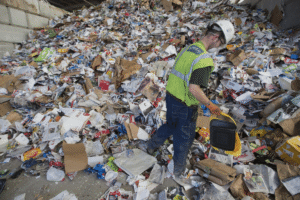
Contaminated Woven Bag Recycling should be assessed properly because of certain reasons, most of which are material-related and substance-related as well. This is because the nature of woven bags is polypropylene which tends to be a very tough plastic that one cannot easily crush to cleanse once it has been in contact with some oils, chemicals amongst other wastes. These types of impurities usually lower the quality of the recycled product thus it is less useful. In addition to this, simply retrieving the woven bags is a tedious process and such methods hardly work in the absence of supplemental sorting units. The above options examined lead to the conclusion that both recycling methods and disposal approaches should be adapted so that woven bag recycling is more practical.
Types of Contaminants Found in Woven Bags
In terms of the recyclability of woven bags and the quality of materials that can be obtained from the recycling, the contaminants content of any kind of woven bag varies greatly and is a major limiting factor. Contaminants can be from the process of manufacturing, usage, or disposal. Following are 5 types of contaminants that are more familiar in woven bags and the descriptions among their examples.
Chemical Residue
Woven bags used in industries or agriculture purposes contain chemicals like pesticides, fertilizers or solvents. Such substances are a hazard while recycling, and need to be handled with care.
Organic Matter and Food Residues
Woven bags that are meant for agriculture or food products’ conveying always has some food residue or organic matter in them. These contaminants cause deterioration of the quality of the material and can be harbored at the warehouses creating pest problems.
Oil and Grease Marking
Whenever bags come into contact with oil or grease during transportation or storage, it causes difficulty in removing such materials from the bags prior to recycling. Such a situation renders the entire recycling process inefficient and less effective.
Mixed Materials
Some of the woven bags incorporate other materials such as plastic liners or films providing a layer in other cases. Such non-woven components cause problems with the models of recycling as more sophisticated methods of separation are required.
Embedded Dust and Soil Particles
Dust and particles of soil or dirt deeply embedded in the fabric of the bag always entails expensive cleaning and recovery. These particles may also induce abrasion to crushing installations thus leading to more inefficiencies.
To ensure the sustainable processing and reconstruction of the woven bags, it is important to identify and eliminate these contaminants in the recycled material.
Impact of Contamination on the Recycling Process
The woven bags recycling with contamination is one of the areas that is of concern for the society as it looks at resource efficiency, cost and environmental dimension of the process as well as recycling. The following five sections analyze in detail the effects of contamination in the woven bags in terms of performance:
Five Key Impacts of Contamination
- Quality Degradation: Any processes including those of recycling or introduction of extruded polymers in practice with containing foodstuff residues, glue or paint – all possible contaminants interfere with the quality of the resultant product. Therefore, these substances have the effect of reducing tensile strength in recycled polypropylene plastics. Hence, such recyclables containing compounds have a limited application for high quality uses.
- Increased Costs: It is difficult to rid impurities from the other materials during processing which in turn calls for more sophisticated techniques or equipment whose analysis will require high energy and water cost. Where incorporation in waste management systems requires more energy in the case where there is wet organic matter and metals, working costs may rise by 30 percent resulting from wear and tear of machinery and processing.
- Impacted Equipment Efficiency: Dirt and sand particles are some of the main contaminants that cause wear and tear of industrial equipment. Studies show that materials that are not clean enough can cut short the operational life of extruders and shredders up to a quarter of the usual time from the continuous usage of the tools.
- Effects on the Environment: Contaminants cause an increase in process wastage because at the end, the remaining residues are burnt or dumped. This pollutes the environment hence the ecological effect that would have come with recycling is negated. Some studies show that if the batch is contaminated, 10-15 percent of the inputs cannot be recycled.
- Creating a Demand Vacuum: Impure recycled materials become an unjustified investment for other industries and even for regulatory bodies and this weakens their proper promotion. Data suggests that contaminated recycled material costs significantly more and in these conditions, fewer investments are made in recycling packages.
In order to reduce these effects and obtain a more effective Contaminated Woven Bag Recycling, it is crucial to separate all contaminants first in a timely manner.
Methods to Assess Contamination Levels
Various methods are employed in the laboratory or industrial setting to measure recycling polymers’ levels of contamination. This is achieved because there are several principles that assist in controlling these activities. Five key principles are outlined below together with their specific descriptions as well as uses.
Spectral Analysis
Methods for example FTIR spectroscopy is the commonly used technique especially in the analysis and identification of certain contamination levels. For example, FTIR is capable of distinguishing chemical bonds that occur in different impurities hence offers both organic and inorganic content contamination activities. Extensive research shows that the degree of polymer sample contamination by FTIR can be assessed to up to 0.1%.
Thermal Analysis
Differential Scanning Calorimetry (DSC) and Thermogravimetric Analysis (TGA) are used to assess the thermal behaviors of recycled materials by identifying foreign substances that cause melting or decomposition to begin at different temperatures. For example, TGA is suitable for estimating the amount of non-polymer residues with accuracy rates of up to 95%.
X-Ray Fluorescence (XRF) Spectrometry
XRF analysis is often used to detect heavy metals and other inorganics in recycled polymer materials. XRF Spectrometry is a completely non-destructive technology that enables the quick examination of very large numbers of samples with detection sensitivity of up to a few parts per million (ppm). This method helps enforcement with the regulation of harmful substances.
Solvent Extraction Analytical Procedure
The solvent-based extraction techniques facilitate the removal of specific contaminants embedded within a polymer via dissolution of the polymer in the appropriate solvents followed by removal of impurities. This approach proves useful when the Contaminated Woven Bag Recycling experiences adhesives, dyes, and low molecular weight impurities. Assessing a given sample quantitatively according to its residue discloses an accurate and detailed concentration of the soluble contaminants.
Optical and Electron Microscopy
High-tech visualization methods such as Scanning Electron Microscopy (SEM) and Energy Dispersive Spectroscopy (EDS) help to show in high definition how contaminants are spread on the surface of the polymer. Such approach ensures effective elimination of the embedded dirt that can include such solid particles as fibers and particles that cannot be eliminated using chemical methods alone.
All of those strategies have a defined outcome and, without a doubt, generally many strategies are applied altogether to have a complete contamination profiling. These approaches enable the industries to improve the quality control of the recycled materials as well as to comply with the high levels of performance and legislative requirements.
Step-by-Step Guide to Recycling Contaminated Woven Polypropylene Bags
Stage 1: Collection and Sorting
Pick up any contaminated woven polypropylene bags, then to ensure that all process steps are followed, place them into various contamination bins depending on the extent and the types of soiling, such that none of the severely soiled bags gets into the next process.
Stage 2: Washing
Do a thorough washing of the already handled bags since some of the surfaces might have dirt, oil or some other materials. Industrial washers should be used to ensure cleaning has been achieved and no other material is present.
Step 3: Fragmentation
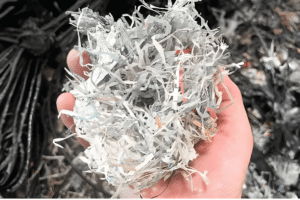
Once the used bags are cleaned, they are cut down into smaller bits of plastic for easy handling. After shredding in a consistent manner, melting or pelleting becomes easy in subsequent steps.
Step 4: Removal of Impurities
Remove through the use of sophisticated filters or decontamination processes of the used bags any materials that might be left behind that are not polypropylene such as labels, glued papers or anything else that would bring impurities.
Step 5: Heating and Repurposing
Convert the shredded fiber by heating it to its melting point and molding or extruding it into granules, or pellets. Recycled PP pellets thus serve as material that new products can be produced from.
Step 6: Quality Control
Examine the fresh recycled material to check for any deviations, consistency, and usability against industry standards. Conduct assessments to ensure that sustainable and functional standards are met.
Step 7: Distribution
Pack and market the polypropylene waste materials to be used for the production of creating new bags, containers, or any other items of high fabrication.
Preparation of Woven Bags for Recycling
Recycling of polypropylene woven sacks comprises within itself several processes that are conducive to recovering the material. Contaminated Woven Bag Recycling disposal to all jobs is a different matter. As preliminary conditions, users must first collect and remove bags apart from the contaminants and other collecting materials such as metal decorations. After all this processing, the bags should be kept clean so as not to contain any dirt, residues, and chemicals if possible. The last phase that these bags are expected to undergo usually involves sophisticated methods of washing, mostly relating to water and detergent high energy content effects.
Bags which have been cleaned and washed must be cut into smaller pieces so that melting and re-extruding would be made easy. The material is filtered to obtain clean polypropylene for recycling. The process in its context lends credibility to perform better the mentioned fractions of fabric when manufacturing, leading to more efficient use of resources.
Cleaning and Sorting Process
Begin by extending a deep cleansing of every impurity on these materials before turning to shredding. Under heat and density separation methods, exclusion of any non-useful and in particular problematic materials will ease enrichment of polypropylene. This ensures it is retained as much as possible either for recycling or preparing new products.
Pelletizing Contaminated Woven Bags
Contaminated Woven Bag Recycling Manufacturing involves several steps, starting with the cleaning and drying process that is employed in order to remove any debris, grease or general residues from the material. Once clean, the material is fed into a granulator fitted with cylinders and a blade for cutting it into smaller parts for better processing. After which, the granulated polymer pieces are introduced into feed tubes for extrusion through molten plastic material in pre-heated zones which produces clean pellets in specific sizes and shapes. As certification depends on its proven advanced stage of readiness and effectiveness of the product output, checks are carried out at each stage of the aforementioned process.
Frequently Asked Questions (FAQ)
1. What Role Is Significant for the Preliminary Reduction of Heavily Contaminated Bags for Recycling?
There exists the possibility of even heavier materials being hard to remove and larger cases causing more issues in the applications following the process. That is why the initial shredding phase has two intentions: Defragmentation – The material is rigid in structural actions and so such work includes separation of the components that attach the already existing fibers. Contaminating Chemicals Breaking – It is widely accepted that crushing of plastics greatly aids dispersion as contaminants including cement and other chemicals clog on the plastic hence subsequent washing is far more efficient.
2. Why Are Chemical Residues in Particular a Concern During Recycling?
Some bags used for transporting chemicals, including fertilizers and some powders used in a variety of industries, cause health as well as technological issues. On the technological front, residues of chemicals themselves that alter the pH of the wash water could cause corrosion of the metallic parts. On the other hand, when it comes to harmful chemicals, different systems of closed water cleaning and air cleaning during the shredding and thermally drying processes are a must owing to the dust and vapor that may be present.
3. What Is the Principle of Rendering Water Soluble, As Well as Insoluble Contaminants in the Wash Water?
Ways of separation are used depending on what kind of pollution is in the product: The active wash phase removes dissolved contaminants like salt, sugars, and fertilizers. The system analyzes the water for replacement and avoidance of excessive sludging. Non-solubles such as sand, metals, and rocks are primarily dealt through buoyancy and gravitational settlement in a tank. Polypropylene flakes float in such a medium for easier separation of larger particles like sand and stones.
4. Is Friction Washer Useful in Bag Cleaning When Hard Dirt Is Present?
For instance, a standard friction washer does not help when it comes to heavily soiled fabrics. Therefore, in such cases, hot washing is used along with detergents (alkalis) or in some cases even sodium hydroxide. Contaminated material is exposed to softer chemical agents first in order to avoid the risk of damaging clean processed materials, and therefore the last rinse of the cycle carries only clean materials void of any adhesive, oily and colored materials.
5. What Happens to Recycled Pellets Whenever They Contain Excess Water?
Bags containing certain types of substances will need to be subjected to particular processes, such as aggressive washing, where the moisture content builds up. In the event of no complete removal of this moisture, this moisture will lead the extruder to release steam, and in the end products ‘foaming’ and bubbles appear. This changes the properties of the produced material. This is why in high quality production, mechanical dewatering or centrifuge is done, and subsequent moisture control is carried out to lower water content below 1% which must be the case for extruder operations.
Reference Sources
- •Recycling for PP Woven Bags: The Process of Collecting, Cleaning, Shredding, Drying and Then Pelletizing – This article outlines the recycling of PP woven bags from the point of collection of used PP woven bags to the clean shredded dried and pelletized materials.
- •Why Is It Necessary to Shred Woven Polypropylene Feed Bags? – This book emphasizes the difficulty of recycling hard shelled PP woven bags and also the need to cut them or shred and prepare for extrusion.
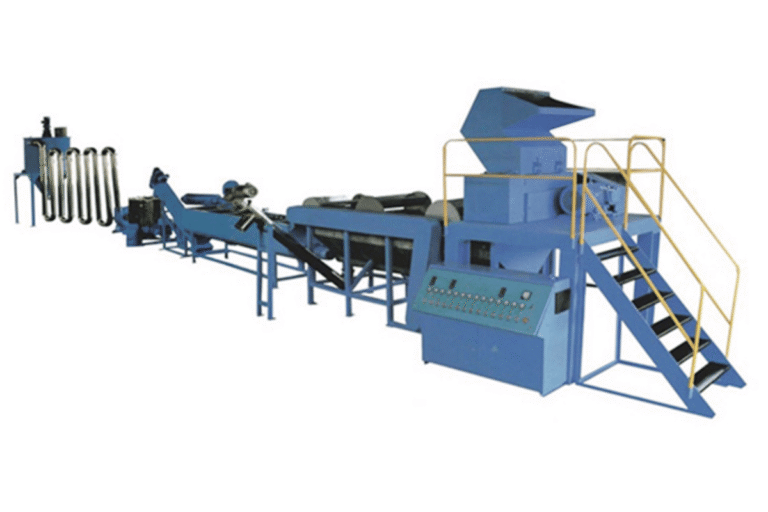
- •Contaminated Woven Bag Recycling System – This contamination processing system describes an innovative technique that produces plastic pellets from contaminated woven bags, which allows their re-use. Recommend reading: PP Woven Bag Recycling Line from Leading China Manufacturer

Trending now