Get in touch with Kitech Company

Plastic Pelletizing Line Cost: What You’ll Actually Pay (by Capacity)


Investing in a plastic pelletizing business is very cost-intensive, and that is one of the major considerations for such an investment. When a person wants to buy any equipment, they expect to spend a certain amount. This amount might be different for different capacities of production within those devices and so on. This reading article is going to discuss the issue and costs of the plastic pelletizing machine. Depending on the final objective of the client, the equipment can also be made within other capacity-related issues, and so there is a different final price. In case this is for expanding the current scale or setting up a new production process, you shall not be worried by this booklet, as it will also give you additional insights besides what you can find prediction-wise within manageable resources for each desired production level.
Introduction to Plastic Pelletizing Machines
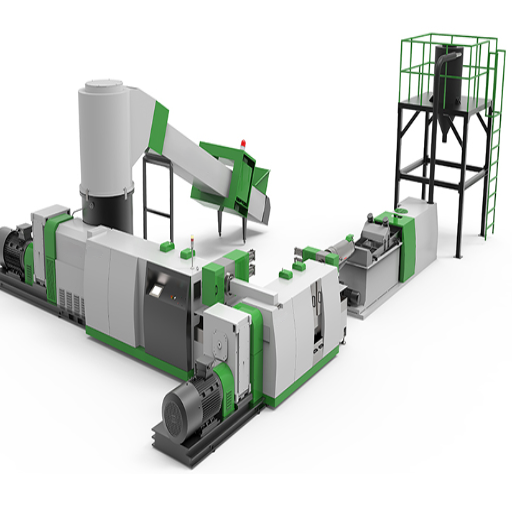
A plastic pelletizing machine is an apparatus designed specifically for the purpose of re-heating plastic materials that are waste or raw formulation and making them into uniform quick to use packed pellets of plastic for production. The activity of such a machine includes the action of extending the extruder, die plate, air cooling device, and cutting blades. Plastic matter is melted and homogenized at this stage, and the strands are extruded out of a die plate. The extruded strands are cooled down and cut to form identical pellets. Such a machine is very commonly used in commercial spheres, especially where packaging, automobile, or building materials are involved. Because it helps in recycling as well as processing plastics into various forms and applications, consisting of making finished products from plastics commercially available in the market.
A Brief Explanation of Plastic Pelletizing Technology
The advancement in the field of extrusion has led to the development of techniques that make plastic recycling much more efficient by way of what is generally termed plastic pelletizing. This involves introducing shredded waste polymers or virgin resin into a machine that melts the material and blends it satisfactorily. Molten polymers are then extruded through a die in the form of a series of strands that either pass through a water bath or air currents to solidify. After the strands have become hard, rotary blades or any other cutting mechanism are employed to cut them accurately in the form of pellets. For higher convenience, sophistication, and production quality purposes, some pelletizers are equipped with such features as digital temperature control, precision cutters, and reach clearance systems. These pellets are provided to various segments such as packaging, automatic parts, construction, and others, as they present an environmentally smart solution for plastic waste recycling and utilization.
Importance in the Recycling and Manufacturing Industries
The role of pelletizing is critical in industries such as recycling and manufacturing to process various raw and processed materials into stable pellets of the right quality. Pelletizing is the process that is used to process plastic waste so that it is reusable, thereby reducing environmental pollution and sustaining the circular economy. In almost all manufacturing, the pellets are the raw material that has already been prepared and is to be used for the various processes within the company. They maximize the use of the machines since the existing equipment is advanced pelletizing technologies that increase the output while minimizing wastage. This is meant to provide organizations in different sectors, including automotive, construction, and packaging, with a strategy to ensure the achievement of sustainable development. The very pelletizing systems are in place for firms to achieve compliance, cost efficiency, and keep the waste of the materials used to the very minimum, among other things, and this is the most important solution to the current industrial problems.
Key Industry Applications
- 🚗 Automotive
- 📦 Packaging
- 🏗️ Construction
- ♻️ Recycling
Overview of Key Factors Influencing Machine Costs
The machinery cost analysis involves several main elements that service providers, as well as industrial clients, take into account. For starters, the initial capital expenditures are contingent on the type, size, functionalities, and automation of the machine. It is worth noting that high-performance and/or specialized machines will usually have higher costs. In turn, materials and components also affect the machine cost significantly because machines made of ruggedized and high-grade materials have a high initial cost but help in minimizing the costs in the long run due to their prolonged working capabilities and high working efficiency. More importantly, the costs of production rise as a function of technological development, because machinery supporting the latest advancements involving the application of AI, IoT or precision sensors demands extra cost of research and development, because of which their cost in the market will be higher than those machines without these features.
For example, energy efficiency and operating cost are also important aspects because although more energy-efficient or high-productivity machines might be expensive to purchase, cost savings are often achievable in the long term. Individual attention and personalization are another important part of the equation, because customized units that serve very specific purposes, in essence, are much more costly than a simple one. The last one includes geographically-specific aspects such as the supply chain, export-import restrictions and tariffs, and the cost of local labor. Taking into consideration these aspects, it is possible for companies to make tactical decisions concerning purchases that keep costs low and within the operational needs.
Factors That Impact Plastic Pelletizing Line Costs
The plastic pelletizing machine cost is determined by many factors, and this is because many things add up to the cost of the line:
- 1
Product or Machine Specifications
In terms of capacity, for instance, and the rate, this goes further to even include how simple or complex the machine is. This is because machines meant for very high production or complex purposes normally cost more. - 2
Material Suitability
Some lines are made such that they can process a range of plastics, and some even more advanced materials. This also increases the cost of the line as additional design work and engineering design effort is needed. - 3
Sophistication Level
A system that is operated fully with most of the controls and logic and computerized operations does not require much human labor during its operation; however, it is costly compared to semi-automatic systems at the beginning. - 4
Specific Requirements for Customization
Pelletizing lines with specific operational aspects or capacity constraints require higher financial outlays as a result of custom engineering and manufacturing considerations. - 5
Geographical and Supply Aspects
The geographic price variances are due to manufacturing location with respect to the rest of the world and exportation of plastic pelletizing machine cost, as well as transportation costs or wage levels in that particular region.
Considering these aspects enables businesses to carry out the necessary assessment and planning towards avoiding plastic pelletizing machine cost unanticipated expenses and modifying the business operations to meet the budget.
Machine Capacity: Small-Scale vs. Industrial-Scale Machines
The ability of the equipment and its suitability for a particular application and operational environment, in some cases, does not rely upon lesser or higher capacities. Small machines are most suited for small production activities, such as for a startup, a niche market, or for test market purposes. In most cases, they are cheaper to buy, but not capable of efficiently handling high-productivity tasks. In contrast, industrial-scale machines are constructed in such a way as to facilitate a high volume of production processes efficiently and hence are appropriate for mass production. In most models, the level of automation, strength, and energy-saving power is high, hence the plastic pelletizing machine cost is high both in acquisition and installation. Whether a person is to opt for small or industrial scale production mainly depends on the volume of production, term money availability, and how far the business can grow.
| Feature | Small-Scale | Industrial-Scale |
|---|---|---|
| Best For | Startups, niche markets, test production | Mass production & high volume |
| Upfront Cost | Lower | Higher |
| Automation Level | Basic / Semi-Auto | Fully Automated |
| Throughput Efficiency | Limited | High |
| Energy Savings | Moderate | Advanced |
Type of Plastic Material Being Processed
When it comes to plastic pelletizing machine cost and efficiency, the material to be used has to be considered in relation to the processing methods and the design of the machine. Plastic being used, comprehensive varieties of thermoplastic resins such as polyethylene (PE), polypropylene (PP), polystyrene (PS), and polyvinyl chloride (PVC) are listed for their versatile nature and ease of melting and remolding. With regard to high strength and temperature levels, engineering resins such as Polycarbonate (PC) and Acrylonitrile-Butadiene-Styrene (ABS) are manufactured. Rough, durable materials that do not deform easily under high temperature applications include, for instance, epoxy resins and phenolics that can be molded. It is important to emphasize that proper material selection is critical to all the above factors, and also the machinery types, especially those that endure high production rates while retaining the quality of the finished parts. Correct and careful selection of materials should be done if one wants to have the advantage of mass production while maintaining high performance at a low cost.
| Material Category | Examples | Key Properties |
|---|---|---|
| Thermoplastic Resins | PE, PP, PS, PVC | Versatile, easy to melt and remold |
| Engineering Resins | PC, ABS | High strength, withstand elevated temperatures |
| High-Temperature Materials | Epoxy resins, Phenolics | Rough, durable, resist deformation under heat |
Automation Level: Manual, Semi-Automatic, or Fully Automatic
The degree of automation is determined depending mainly on the production needs, along with the cost and operational complexities involved. By definition, manual systems are completely dependent on human labor, thus more applicable to a minimum quantity of production, but very ineffective and unreliable. In semi-automatic systems, parts of the process are automated, and some rely on manual inspection of results, making them appropriate in terms of cost versus output levels. In fully automatic systems, there is less intervention for the human operator, as precision and speed are controlled using sophisticated sensors and methods, even for mass production or complicated operations. Consideration should be given to the required production amounts, the expected number or quality, and the technical capacity of the production technology.
Manual
- 100% human labor dependent
- Lowest upfront cost
- Best for minimal production
- Less reliable & efficient
Semi-Automatic
- Partial process automation
- Manual inspection retained
- Good cost vs. output balance
- Mid-range investment
Fully Automatic
- Minimal human intervention
- Precision sensors & controls
- Ideal for mass production
- Highest initial investment
Cost Per Capacity Range
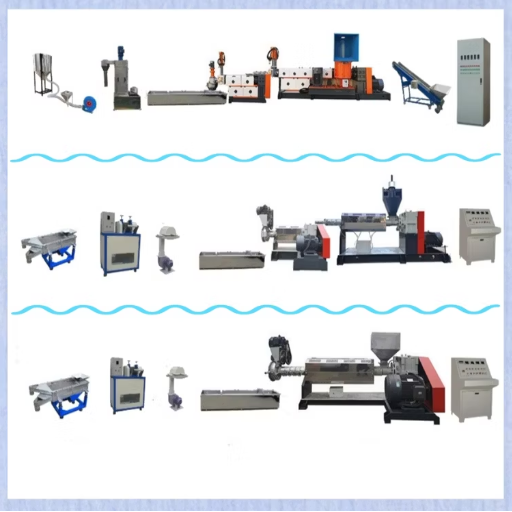
When planning the cost per capacity, there are several things to bear in mind for cost-effectiveness so that operability remains intact. Small-scale production most often incorporates a manual or semi-automatic set-up, which carries a low initial cost, but can result in a high cost per unit due to a low speed of production and the labor-intensive nature of the process. Most of the medium scales utilize semi-automatic machines, which are economical in terms of initial costs as well as efficiency. Large-scale production, on the other hand, incorporates the use of fully automated systems, which, despite their high pre-installation cost, ensure the least cost per unit because of their accuracy, high capacity, and minimal labor. The option should therefore consider the up-front costs, throughput, and the costs of maintenance and subsequent investment returns.
Small-Scale Machines (<100 kg/hour)
Machines with a capacity of up to 100 kg/hour would generally cost less to acquire and operate for small companies that are looking to go into the business without much capital. Factors such as the complexity of equipment and additional enhancements, such as the degree of automation or capacity to handle materials, determine the initial cost of the purchase. Operating costs remain low because the energy required is minimal and maintenance is not taxing, though components that can be termed expendable have to be replaced from time to time. These machines are generally most effective in places where labor is affordable, and productivity remains at a certain limit, making the plastic pelletizing machine cost reasonable to small businesses seeking to expand.
Mid-Range Capacity Machines (100–500 kg/hour)
Machines with capacities from 100 to 500 kg/hour belong to the mid-range ones, as they are very popular because they conveniently balance production cost versus efficiency. These machines have a workable capacity and, with medium-sized food industries, come in handy. They have well-built parts that allow these machines to withstand light to medium-duty performance without compromising the quality of work done. Also, the power consumed in these kinds of machines is less than that in large-scale industries. This is because the plastic pelletizing machine cost components used in these machines are manageable, and further, they are easily accessible. In addition, mid-range machines are equipped with controllers and automation that enable easy and precise manipulation, reducing the number of people required. Their flexibility and expense-effectiveness render them the perfect devices for organizations seeking to expand their activities without wasting efficiency.
High-Capacity Machines for Industrial Use (>500 kg/hour)
Industrial capacity machines are used to carry out intensive activities on a daily basis; normally, they are more than 500 kg/hr and above. The models are very efficient as these are made with the necessary advanced technology that entails auto controls, movements of materials on tap, and high production processes. They are capable of functioning despite circumstances in which most low-tier models would perform peripheral processes and wear out fast; they are now being fitted with heavy-duty parts and will achieve continuous operations without breaking down. However, today’s high-capacity machines incorporate aspects such as the ability to monitor and support the operation in progress and, to an extent, predictive breakdowns, hence optimizing the operation process. The enhancement to include such devices would, however, come at a cost, though the cost of a plastic pelletizing machine would appear to justify it due to improved efficiency and reduced operating costs over a higher anticipated production.
| Capacity Range | Initial Cost | Cost Per Unit | Automation | Best For |
|---|---|---|---|---|
| <100 kg/hr | Low | High | Manual / Semi | Startups |
| 100–500 kg/hr | Medium | Medium | Semi-Automatic | Growth Stage |
| >500 kg/hr | High | Low | Fully Automatic | Mass Production |
Upfront Costs vs. Long-Term Investment
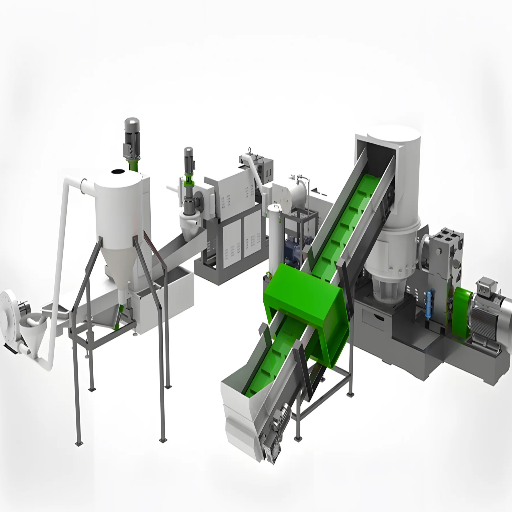
When weighing up the options of upfront costs vs long-term costs, one needs to keep in mind not only immediate expenses but also savings that may be realized in the future. Higher-capacity machines may be expensive to purchase in the short run. However, they tend to pay off the initial plastic pelletizing machine cost as they result in better efficiency, decreased maintenance, and less operational downtime. In the same vein, the cost benefits of such equipment also include lower energy expended and its full operational capacity, which comes in handy in dealing with high initial costs. The cost of the equipment throughout its useful life cycle needs to be taken into account during the process of decision-making about appropriate investments.
Detailed Look at Initial Purchase Costs
Studying initial purchase costs requires focusing attention on a number of primary aspects affecting the upfront cost. Usually, the standard price of the equipment is the most expensive part, and it depends largely on how complicated the machine is, what it can do, and how renowned the manufacturer is. One may also need to pay for shipping and delivery, installation services, or system integration to complement existing structures.
The other important point that should be addressed is the level of customization. Solutions designed in accordance with particular needs are sometimes indeed more suitable to such working conditions, thus helping to avoid plastic pelletizing machine cost changes or inefficiencies. Additionally, warranty protection, as well as service options, should be considered because longer-lasting warranties often come in handy in situations involving bigger and unexpected breakdown costs.
Business practitioners who would like to comprehend the financial aspects of the businesses’ initial costs while keeping up with the goals and operational performance in the long run must be holistic about such initial costs.
Maintenance and Operational Expenses
The costs associated with the operation and upkeep of equipment and systems are often very high and tend to come up over and over again. Such costs are those that recur over time and involve inspections, regular repairs, power consumption, and labor. Achieving proactive approaches, such as preventing and anticipating maintenance, results in minimizing the possibility of unforeseen failures and expensive downtimes.
Health and safety management, housekeeping, energy conservation, equipment, and other factors that cause expenditure without any production taking place are important. The equipment with high energy savings might be expensive at the initial stage; however, with time, such equipment tends to be cost-effective since it is more energy efficient. There is also consideration for how easy it is to get replacement parts or whether the equipment can be integrated with existing systems without any interruption in services. Managing operational costs requires careful coordination, the application of tracking instruments, and the evaluation of the processes periodically to determine whether the objectives of the business and the savings in cost are being achieved.
ROI Benefits Tied to Productivity and Efficiency
ROI is heavily dependent on the productivity and efficiency gains associated with the business. Being more productive implies achieving more outputs from the same or fewer inputs and thereby leading to growth in sales. At the same time, becoming more efficient reduces waste and better makes use of resources, helping to lower costs and improve overall earnings. If practices of business automation, efficient data handling, and smooth operation of processes are adopted, then the results in these issues will be significant and quantifiable. The best-returning investments are those that aim at improving market turnaround time, minimizing duplication of work, or improving scalability because such investments ensure optimal deployment of funds towards the achievement of key performance targets.
Geographic Pricing Variations
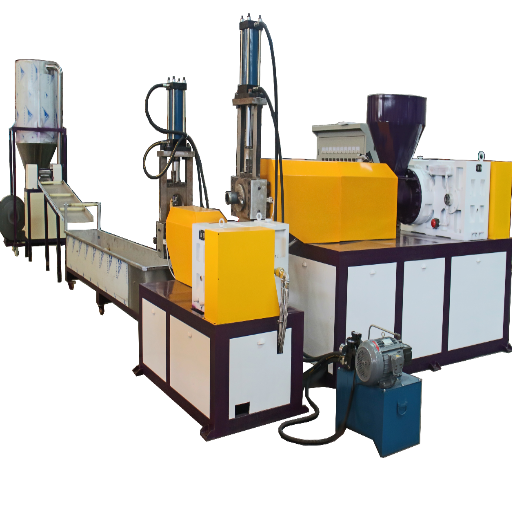
The practice of adjusting the prices of goods and services owing to geographical differences that influence the market structures, costs, and the adjusting ability of the people is known as geographic pricing variations. Some of these aspects could be the cost of moving the goods, the extent to which demand is flexible in the market, the exchange rate, and the differences in rules or taxes. This is a common policy among entrepreneurs as it ensures maximum market share as well as profits in different regions. This would help the establishment in obtaining the desired share of the market without compromising the financial objectives of the company.
Cost Differences Between Locally Produced and Imported Machines
When comparing plastic pelletizing machine cost for local production and import, many important considerations come into play. Machines that are manufactured and sourced locally have their advantages: minimum transportation costs, short-chain supply, and minimum import levies, all adding up to a lower price. The machines, however, may be deficient in features and precision engineering that the imported ones have, making them worth the extra cost. Yet, imported machines normally come with increased logistics costs, tariffs, and possible insufficiencies, but greater effectiveness or cutting-edge designs may be offered. In conclusion, it is always a matter of deciding how much the current expense should be offset by the functional qualities of the equipment and the special needs of production.
Pricing Variations in Key Manufacturing Hubs: China vs. Germany
Countries that serve as manufacturing hubs, like China and Germany, are marked by wide variations in pricing of finished products arising from issues such as cost of labor, availability of raw materials, technology, and policies. Chinese manufacturing processes tend to be much cheaper because of low wages and large volumes, which drive down costs of production, making it the best option for mass production where cost is a factor. In contrast, Germany is known for its high-quality engineering and manufacturing capabilities, which come at an extra cost in terms of initial investment but are much better in terms of quality, effectiveness, and creativity. Also, it is common for German manufacturing companies to adopt innovative automation and sustainability strategies that are costly but help to reduce expenses over time. The initial costs should be compared to production quality, delivery times, and other factors determining the benefit of the region on the whole for the enterprises making the purchases from these regions.
| Criteria | 🇨🇳 China | 🇩🇪 Germany |
|---|---|---|
| Price Point | Lower | Higher |
| Engineering Quality | Good | Premium |
| Production Volume | Mass Scale | Precision / Custom |
| Automation & Innovation | Growing | Advanced |
| Long-Term Value | Good for cost-focused buyers | Strong ROI via quality & efficiency |
Transportation and Taxation Considerations
When determining means of transportation and their taxation in the context of global sourcing, there are multiple areas to consider in order to maximize efficiency and stay compliant. Transportation includes the cost of shipping, travel duration, and the dependability of the companies handling these logistics. For Europe as a region, there are also its structural benefits which make timely delivery easier, though freight may be a bit more expensive than, say, the Southeast Asia region.
In taxation, a few activities are taken into consideration, such as importation or clearing, value-added tax (VAT), and also integrating the international tax laws of the two countries involved in the trade and investment practices. For discounts or waivers, free trade agreements (FTAs) come in handy as they allow for tariff discounting or even complete remission of tariffs. Moreover, practical issues of customs formalities and local duties, such as excise taxes, should be clearly understood to avert legal consequences. Companies have to take into consideration every angle of transportation and taxation in order to optimize their supply chain costs as well as to comply with the existing rules.
Reference Sources
Billing Rates – FY 22/23
This document provides daily rates for equipment like plastic shredders and pellet dryers, offering insights into operational costs.
Billing Rates – FY 23/24
An updated version of the billing rates, detailing costs for plastic shredders and pellet dryers for internal and external use.
Frequently Asked Questions (FAQs)
❓ What sets the overall plastic pelletizing machine cost, and what else is included?
The total cost of plastic pelletizing involves the pelletizer but excludes the price of the machine only. Other devices that need to be purchased include sinks, tailor or twin sets of extruders, granulators, feeders, screen changers, cutters, water system coolers, driers, surcharge or other items such as shred and plastic shred feed them. Sub-total without installation, loading (FOB or CIF), electrical works, manufacturer’s or supplier’s start-up costs or charges. Additional operating expenses such as electricity (kW), spare screws, bars, and blades, and service contribute to the increase in the expenditure per kg of the granules.
❓ How much does it cost to buy a simple plastic pelletizer or granulator for small-scale production?
For minimal or experimental outputs, basic devices like pelletizers or granulators fitted with a lone screw extruder and rudimentary water cooling are available, from refurbished or previously used kits to priced machines that are yet new. New, little-sized counterparts are found within the range of thousands for the few basic instruments to tens, depending on capacity, use of stainless steel, and decorative features supplied. Prices are different across manufacturers and controllability levels of production (such as plastic automatic feeding, for example, screen changer), as well as the presence or absence of an integrated shredder and a centrifugal dryer. Prices of machines in Southeast Asia tend to be affordable, though with the option of a warranty for a duration of one to three years.
❓ In what aspect does extruder screw type affect the price or capacity?
The quality of each cycle depends on only one variable: the number of extruder elements used for extrusion (single versus twin screw) and the size of the respective screws used for each case. Each screw determines the quality of the melt, extrusion capacity, and process flow of each raw material, e.g., PP or PE, PET, and other food packaging films, film recycling scrap materials, contaminated plastics, etc. Although twin-screw extruders perform this function better and cost more than single-screw extruders, they offer better mixing and devolatilizing functions, and recycled processed or sprayed polymers are easier to manage with more pelletizing output and fewer imposing problems on the downstream side. In comparison, single screw extruders come in the least expensive variety as well as the simplest and are mainly used to process virgin PP/PE materials or regrind without contamination. The accuracy of the screw, the type of material used, and any coatings that protect it against wear also change the cost involved in replacing the screw, including the long term return on investment.
❓ What are the additional cost elements beyond the base machine, including shredder and water cooling?
Recycling systems on their own do a lot more than just support extrusion, such as including shredders, plastic shredders, for size reduction, and washing systems for both film and PET recycling. In addition, a screen changer of the extrusion line, a pelletizer machine, and a water cooling system with a centrifugal dryer includes such washing lines, among others, a molded product with a sorter or metal separator. Water treatment, pumps, and filtration are major capital and operating costs. Other resources with associated costs to be considered include water and electricity as utilities, civil works foundation as a construction cost, and labor for the installation schedule. Waste management and scrap handling practices, and frequent replacement of blades or cutters contribute to the cost of unit plastic pellets.
❓ What is the impact of water cooling, discharge, and drying on pellet quality and operating costs?
Cooling with water equipment helps maintain the shape of the pellet and its temperature right after it is cut. There are various designs of water equipment in order to achieve different surface finishes of the pellet and the rest of the drying process. Contamination and cutter damage are minimized through effective water cooling with adequate filtering, although water treatment expenses rise as a consequence. Resins like PET, which have to be dried before extrusion, allow the use of centrifugal or air dryers to expel excess moisture during the process. Cost per operation of extrusion per tonne of plastic pellets depends on other considerations, such as energy (kW) used, water consumed, and processing clarity.
❓ What are some ways to optimize and decrease the plastic pelletizing machine cost per kg of pellets produced?
Compute the return on investment by estimating the capital and operational spending (capital outlay includes extrusion machine, pellet mill, cutter, chopper, installation; operating includes utilities, wages, breakdowns, spare parts, or blades) and the expected output (in terms of tons per month). Lowering cost per kilogram will be achieved by increasing production yield through the application of non-waste technology and proper screw preparation, materials, equipment filtration, minimizing melt leakages, and automation could also bear factors of cost reduction in labor. The delivery period will be shorter if cheap equipment is purchased from known machinery companies or traders, a trendy warranty and spare parts can be bargained, and the extruder to pelletizer set suited to the type of material (PP, PE, PET) will be chosen.
Key Takeaway
Investing in the right plastic pelletizing machine requires balancing upfront cost, production capacity, material needs, automation level, and geographic factors to achieve the best long-term ROI.
Consider capacity range, automation needs, and sourcing region carefully before committing to any purchase.