Get in touch with Kitech Company

Injection Molding with Recycled Plastic: Quality Standards and Material Requirements


Introduction to Injection Molding and Recycled Plastics
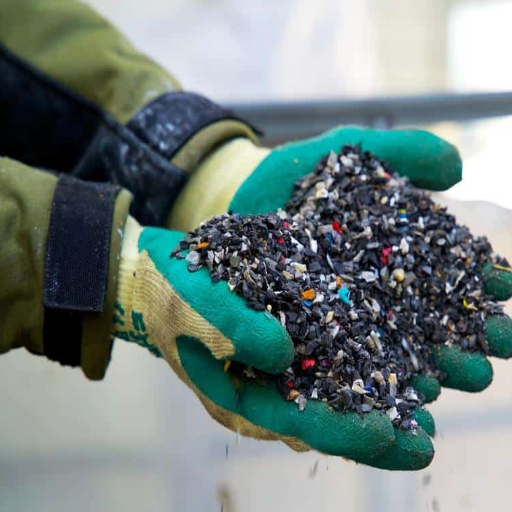
The process of injection molding is highly commercially viable and leads to the production of durable parts when consistent amounts of molten material are introduced into a mold, with quality rising quite high. Recycled plastic use in the process helps conserve resources, minimize the generation of wastes and promote sound environmental practices. For instance, recycled materials must undergo thorough cleansing, sorting, and processing, and weeding out any impurities in order to maintain the present structure of the final product, making the scenario more interesting.
After preparation, the materials can cushion the effect of incurring more virgin plastic in the packaging, as they can serve as a replacement without problems. Material properties such as the melt flow index and tensile strength are familiar to manufacturers, and they have the responsibility to check the compatibility of every application with the material. Hence, recycled plastics come in handy in injection molding – it lowers the cost while maintaining the benefits of environmentally friendly building.
🌿
The Importance of Sustainability in Manufacturing
It is imperative to note that the manufacturing sector plays a critical role in driving sustainability because its absence of this, it means more deterioration of the environment, wastage of the resources available now, and ultimately economic progress, which is very transitory. This involves the adoption of measures that seek to mitigate waste generation, decrease the level of energy used, and above all, make the best out of available raw materials.
Through the application of methods such as lean manufacturing, a circular economy, agreements for renewable energy use, and other measures, industries help in the reduction of carbon dioxide during production and other activities, and at the same time, enhance their capacity and cost efficiency. On the other hand, it is necessary also to mention that the growing consumer awareness and pressure, which is pushing the manufacturers toward the construction of solutions like biodegradable plastics, closed loop systems, and the regulatory measures that mandate the marketing of green products.
Therefore, sustainability in manufacturing aims at fostering the development of industries while species are conserved and the environment is not destroyed. This sets the foundation for a more sustainable and bearable economy.
Value Proposition of Recycled Resins in Injection Molding
When using recycled posed an injection molding, it is motivated by numerous objectives, both economic and environmental. To begin with, it helps cut raw material costs, but this doesn’t translate to the result sporting far worse performance than standard products. Many recycled resins have now attained enhanced qualities similar to those of virgin resins, and thus, the difference in the qualities no longer exists for some applications because such resins are available on the market.
💰
Cost Reduction
Helps cut raw material costs without the result sporting far worse performance than standard products.
🌱
Eco-Friendly
Reduction of air pollutants and promotion of waste minimization measures, reducing landfill use and returning plastics to a circular economy.
🔧
Adaptability
Adjustable to meet consumer and regulatory needs across automotive, consumer goods, and packaging industries.
It is possible to adjust recycled resins to precisely what is needed by each consumer or regulatory body, thus ensuring that these can withstand the rigors of automotive, consumer goods, or packaging industries. By making such adjustments, manufacturers can meet their environmentally conscious targets, the applicable regulations, and the image of their company, without sacrificing the cost of production or productivity.
Overview of Recyclable Materials in Injection Molding
Injection molding uses recycled plastic raw materials that are mostly thermoplastics such as polyethylene (PE), polypropylene (PP), acrylonitrile butadiene styrene (ABS), and polyethylene terephthalate (PET). It is because these substances can be remelted and molded repeatedly with little to no change in their properties, and hence, you can say these are very conducive to eco-friendly production.
Polyethylene (PE)
Polypropylene (PP)
ABS
PET
Polypropylene (PP)
ABS
PET
Primarily, recyclable thermoplastics have their usability benefits, and the capability of recycling helps a lot to reduce plastic generation and the final cost of production. A good illustration is closed cycles of production where enterprises actually have a possibility to make use of waste materials emerging in the process of work. In addition, the development of advanced materials has made it possible for consumers to use recycled plastics, which offer increased strength and elasticity while maintaining strict standards in the manufacture of products for automotive, electrical, and medical industries.
The use of recyclable materials also adheres to various environmental laws, including the Packaging and Packaging Waste Directive within the European Union, or the Resource Conservation and Recovery Act in the United States. These alternatives rely less on newly manufactured plastics, help minimize the use of fresh plastics, lessen carbon emissions, and encourage the use of industrial materials on more than one occasion.
✅ Best Practices for Molding with Recycled Materials
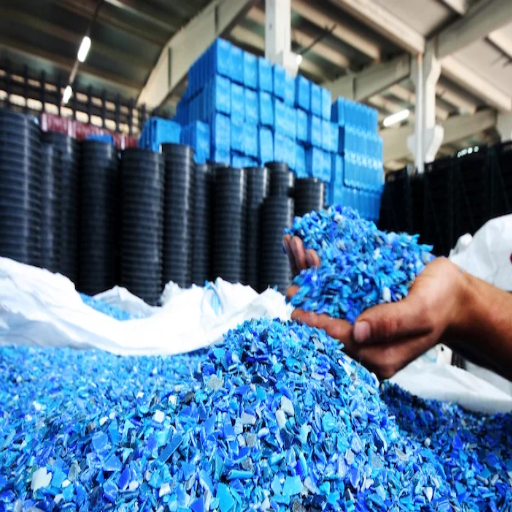
In the process of molding by means of recycled materials, it is important to examine the properties of the material and determine whether they correspond to the performance that the product is going to be produced with. Key steps include:
- Evaluation of the melt flow index, the contamination levels, and the thermal stability
- Drying the recycled material for eliminating moisture, as it may affect the quality of the product
- Appropriately setting equipment parameters including temperatures, pressures, and cooling times due to the different properties of recycled resins
- Checking if the machinery is in good condition, because of the particulates that may be in the recycled material
- Testing the product well to see if it has met the standards and functions
Optimizing the Injection Molding Process
Achieving effective solutions to the problems encountered in the injection molding process is possible by employing a number of measures. To start with, it is highly necessary to critically assess designs for molds vis-à-vis aspects such as provision for vents, cooling channels, position of gates, among others, as these all contribute to the length of time taken to produce a product as well as its quality. Second, one has to pay attention to the variety of materials that one utilizes. Another concern is the optimal choice of the resin to be used, which, by the way, has particular characteristics as indicated, which is usually done to achieve the required consistency and quality of the product while avoiding any losses. The use of appropriate equipment for advanced process control allows instant monitoring of elements like temperature and pressure that helps to keep the process steady under all cycles.
🛠 Preventive Maintenance
Maintenance of the range of mechanical parts remains the second most important agenda. Effective performance of machines is often hampered by usage for a long period; thus, preventive maintenance and calibration for machines are essential.
🔬 Scientific Molding
Materials, machinery, and sound are key components of the scientific molding approach to reduce production variation. Optimal settings such as filling, packing, and holding are established for each part and material.
🤖 Automation & AI
The use of snake robots and machine vision systems to control the entire production process optimizes all man-machine activities, with data analysis serving as a baseline for training personnel.
Handling Regrind and Recycled Pellets
The use of impurities in the form of regrind in injection molding and other eco-friendly products like recycled plastic is being used more often and in some cases with modifications. Key considerations include:
1
Develop certain material principles and procedures to obtain the permitted percentage ratios of regrind to a particular part and application, to avoid excess usage which would affect the mechanical characteristics of the item. Usually, it is advisable to limit the regrind content in the material to virgin ranges of 70/30 to 80/20, depending on the degree of tolerances and demands of performance and usage.
2
Ensure proper and comprehensive cleaning and drying of the regrind; otherwise, contaminants or variations in moisture contents will affect the process and the quality of the parts. Condensing dryers for hygroscopic substances such as PET are important.
3
Conduct routine evaluations, such as melt flow index (MFI) tests, to ensure the homogeneity of the recycled pellets and reinforce the rigorous quality assurance process.
4
Leverage automated material work devices to increase accuracy and ensure that virgin and regrind materials are well blended, reducing operator-related mistakes to the minimum possible levels and improving process efficiency.
Ensuring Consistency with Plastic Types
One of the major prerequisites for working with distinct types of plastics is to keep them within the same range. This can be facilitated through the application of sorting and categorization techniques.
- Use optical sorters or near-infrared technology to detect and separate polymers of different composition and color. This prevents the contamination of other materials with low-cost plastics and ensures the polymer being removed is pure.
- Delineate the requirements for every kind of plastic going into production and its corresponding parameters, for example, melting point, flow index, and the possibility of its occurrence with other materials.
- Conduct regular compatibility testing of different plastic mixtures to guarantee the soundness during the process.
- Stay loyal to selected raw materials and providers to significantly reduce inequality at the input level.
These considerations would help to achieve profound levels of quality and safeguards against rule effects within the system at this stage.
Benefits and Applications of Recycled Plastic Injection Molding

Over time, recycled plastic injection molding has become more popular due to its environmental and economic advantages. This method cuts down on waste and the use of virgin plastics in production as a result of reusing plastic materials, and therefore, it helps in conserving the environment. There is also an economic advantage in the reduction of costs by using cheaper recycled feedstock in comparison to virgin material.
From a user’s viewpoint, injection molding recycled plastic components is prevalent in automotive, consumer, and packaging industries, among others. Longer-lasting components, such as automotive parts, common domestic utility items, and eco-friendly packaging, can be manufactured with accuracy and ease. This supports the cyclic model by reducing waste and producing high-grade components consisting of waste materials, indicating the role of this technology in the current green manufacturing.
🌍
Environmental Impact and Sustainability Benefits
In the dire times of rampant consumerism and industrial activities, the process of injection molding recycled plastic comes as an environmental rescue. Rather than manufacturing everything afresh, this paradigm uses recovered plastics that have ended up in the trash or in the industrial waste, and limits the destruction associated with conventional affairs, let alone wastage of scarce resources on the above emission of greenhouse gases.
Also, many products that are made of recycled plastics consume much less energy than if produced from virgin materials, thus resulting in low levels of carbon dioxide release. On top of this, it encourages the circular economy where the materials are used over and over again, rather than disposed of, thereby causing harm to the ecology. This visionary approach opposes the present-day plastic pollution and international protocols towards sustainable ecology, which seeks to be in equilibrium in the distant future.
💵 Cost Savings in Manufacturing
The use of recycled raw materials in production processes has a positive impact on the cost of production.
- Companies do not pay as many utility bills since the energy used for recycling plastics is less than that used to process new plastics.
- Recycled materials are generally cheaper than plastic resins, thus translating into savings for businesses.
- The incorporation of recycling technologies reduces the costs of waste management quite significantly since the amount of materials that need to be landfilled or burnt is greatly decreased.
- Various tax breaks and grants that governments provide in order to promote such positive efforts further improve the economics.
All the above aspects give evidence that apart from the good environmental practices of recycling, there are production savings concerning the use of injection molding practices, injection molding recycled plastic.
Industries Adopting Recycled Plastic Practices
Sustainable strategies have increasingly found utility in most manufacturing sectors, including recycled plastics, which help to mitigate the ever-growing dependence on entirely new resources.
📦
Packaging
The current lead in commercial sectors, package production has the busiest embrace of recycling measures, involving the recycling of plastics mainly for the manufacture of bottles, films, and packaging. This helps to reduce the amount of materials used as well as fight the forces of consumerism engrossed with the pursuit of “green living”.
🚗
Automotive
The use of recycled plastics in car interior parts, dashboard parts, bumpers, and the like is common in the automotive industry in order to achieve weight reduction and hence fuel economy in some cases.
🏗️
Construction
It has become accepted in the building trade that some building products are injection-molded recycled plastic products, as in the case of composite decking, stormwater pipes, and insulating material.
These industries are examples where, if one looks at the use of injection molding of recycled plastic, the emphasis is not only on the ecology agenda, but also on the economics of designing and building the products.
Quality Control in Recycled Plastic Injection Molding
Quality control in recycled plastic injection molding looks at all aspects of the process to ensure the final products produced are of quality. It takes into consideration the quality of raw recycled materials, checking for contaminants, assessing the flowability of the material, and monitoring the process to avoid occurrences of warpage or short shots. There are various sophisticated methods, such as in-process monitoring, spectroscopic techniques, and material property testing, that help to enforce this requirement. Such moves help manufacturers to overcome the challenges which are unique to recycled plastic and facilitate quality production without causing the earth’s destruction.
Ensuring Part Integrity and Performance
To enhance the efficiency and reliability of parts, a great deal of attention is given to the selection of materials, precision engineering, and the mainstream processes of quality control. Design issues, such as high stress points and weak zones, are resolved or highlighted within an advanced FEA before manufacturing is commenced, or sometimes even takes place. Several assessments of material properties, including tensile strength, impact, and temperature resistance of impact material, are also done in order to verify its appropriateness for a major function. Inline inspection mechanisms are provided, which may be made using ultrasonic infra-red, which serves to locate flaws during the manufacturing, supporting a reduction in defect rates. Another aspect integrating the above measures is the maintenance of the operational quality of end parts when the recycled materials are included in the composition of the parts, enhancing reliability as well as ecological considerations.
Implementing Quality Standards for New Products
The typical order of processes that exists in order to define the quality requirements and specification of newly evolved products is typically strict in order to be possible to achieve the proposed standards. Such processes include: analyzing the applicable directives like ISO 9001, which serves as a guideline designed to assist an organization’s quality management system creation. Risk analysis approaches such as FMEA are used within the development stage to pinpoint potential areas of weakness before they advance further.
Additionally, product trials form an important longitudinal thread as they entail overlapping and sophisticated procedures, including weather change testing, strength testing, and interdependencies testing. Once in manufacturing assembly, standard deviation or SPC is tactically used to measure the accuracy during production. In point of fact, there is a feedback throughout the whole development process — prototypes, beta tests, operation — allowing for a process of improvement.
In conclusion, the effectiveness of utilizing QC is guaranteed by working together in the course of product design, selection, assembly, and post-production activities of the product quality management system. With this strategy, one is able to build a defectless product which is more saleable and more sustainable in the market than new products.
🔭 Future Outlook for Recycling in Injection Molding
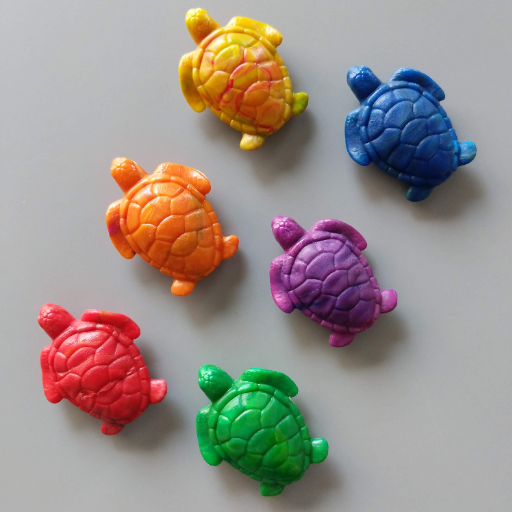
The progress of injection molding lies in new technologies in the materials used, its processing without losing much of its properties, and the need to comply with the regulations in force. Closed-loop recycling, which includes processes such as chemical conversion as well as improved depolymerization, allows the retrieval and recycling of whole polymers without worrying about their tonal properties being different from those of the virgin polymers.
Minimal contamination inherent in any post-consumer and industrial wastes is resolved by enhanced automation and quality control systems backed by artificial intelligence, redefining reusable materials from such wastes. Also, worldwide governments and companies are helping achieve this goal by enforcing laws and adopting technologies towards this end. All these measures are aimed at increasing resource conservation with reduced emissions, resource wastage, and utilizing recycling approaches within the injection molding of companies.
Innovations in Chemical Recycling
All unwanted synthetic waste can be collected and redesigned, reshaped back to its original high-grade that is essential for the mass production of consumer goods.
🔬 Melt De-Polymerization
PET and similar plastics are reverted to their monomers through heat, chemical, or enzymes, commonly known as catalysis.
🔥 Pyrolysis
A xerogenic cracking of mixed plastic waste by heating it in situ, without oxygen’s presence, to yield synthetic oils and gases, both of which can be utilized in synthetic chemistry as small molecule building blocks for new synthetic compounds.
💧 Solvolysis
Makes use of solvents to technically and precisely separate and recover particular polymers from each other for reuse.
New technologies aim at the development of sorting and preprocessing waste streams using machine learning and automation in waste management in order to improve the purity of received input materials. Pilot plants are being expanded, and technologies improved in order to solve, inter alia, energy-consuming and cost ineffective, scale up. All these developments combined hold promise to supplement mechanical recycling, reduce reliance on landfills, and help achieve sustainable growth sooner or later.
🌾
The Role of Bioplastics in the Industry
Bioplastics and other polymers made from natural resources are the cornerstones of the industry as they provide opportunities for a shift away from the also efficient polythene derived from petroleum feedstock. The benefit of utilizing sources other than traditional plastic is that they are environmentally friendly because most of them contain corn or sugarcane, which are compostable under appropriate conditions.
In modern society, bioplastics are encouraged as they enable the reduction of the amounts of greenhouse gases and use of non-renewable resources, but at the same time promote the development of the sectors of packaging, agriculture, and also consumer goods in general. But I understand that there are also issues such as scale, cost, and disposal that also have to be dealt with in order for their promise to be kept.
Emerging Trends in Recycled Plastic Technology
Innovation in the field of technology used for recycling plastics is evolving quite nicely, as there is an increased emphasis on providing sustainable alternatives for the management of plastic waste. A circular economy lets waste management take place to a large extent, but even where people do accumulate waste, the commodity is then a resource subject to a waste treatment system. This is a large step forward for the recycling industry by chemical means, which allows the technology to be much broader in scope and efficacy for applications where high-quality recycled materials are needed, such as food-grade and medical fields. Such restrictions and degradations are not controlled by mechanical recycling, which allows for the recycling of a wide spectrum of plastics.
Use of Robotics and Artificial Intelligence for Sorting has greatly enhanced performance in the area of waste separation. The new technologies are able to detect and separate different plastics with high accuracy, resulting in less contamination of the recycled material.
Aside from the recycling plastic projects, new upcycling technologies are also turning certain plastic types considered waste into high-value compounds. As an example, certain equipment for processing plastic bottles into reusable building blocks is proposed in the market. This type of technology is not only prizewinning but equally supportive, where there is a high necessity to reach sustainability in the matter of plastics production and use, and the creation of the circular economy.
Reference Sources
The study examined how multiple recycling cycles impact the recyclability, fluidity, and tensile properties of polypropylene (PP). It found that repeated recycling degrades material properties but remains viable for certain applications.
Adding carbon fibers to recycled high-density polyethylene (rHDPE) significantly improved its strength and modulus. Injection molding was found to produce superior mechanical properties compared to other methods.
❓ Frequently Asked Questions (FAQs)


Trending now