Get in touch with Kitech Company

PET Flake Price Trends: What Drives the Market


Understanding the price behaviors of flakes of PET is very important to businesses and all other stakeholders who may be operating in sectors of manufacturing, recycling, or even packaging, where both lowering costs and ensuring sustainability are of utmost priority. This is because the market for PET flakes is not localized in one area due to the interdependence of various economic, ecological, commercial, or rather industrial factors; rather, it is a very sophisticated matrix. This post will try to highlight the key factors that cause pet flake price volatility due to factors such as demand for the product, the cost of raw materials, as well as policies and technological development concerning recycling. In so doing, the intention is to provide an insight into what exactly constitutes the market of PET flakes and what can be expected by the stakeholders, so that they keep abreast of the environment and retain their business.
Introduction to PET Flakes and Market Overview

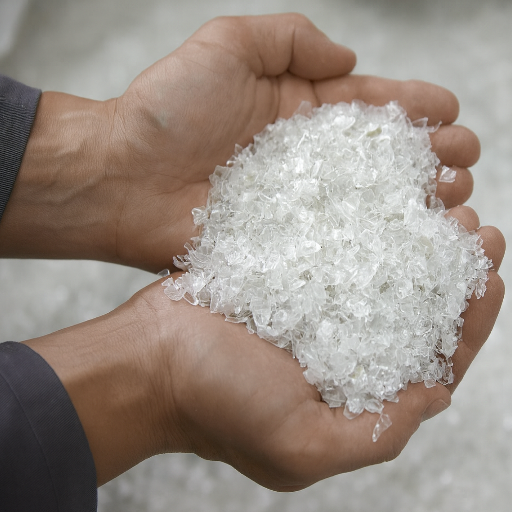
The waste generated from plastics commonly used for packaging and extruded products is stringently separated. The collected polythene waste is then cleaned, shredded, and turned into PET flakes. These materials hold a proportionate importance to the development of sustainable packaging and manufacturing since they allow the utilization of recycled and cheap materials instead of petroleum. The market for PET flakes is dependent on, amongst other things, the worldwide consumption of plastics, chemical recycling technologies, and policies which promote the adoption of the circular economy. Given the current growth in green solution needs, PET flakes are now being used in the manufacture of textiles, food packaging, and construction, among many other applications, hence contributing to the process of sustainable development.
Definition and Explanation of PET Flakes
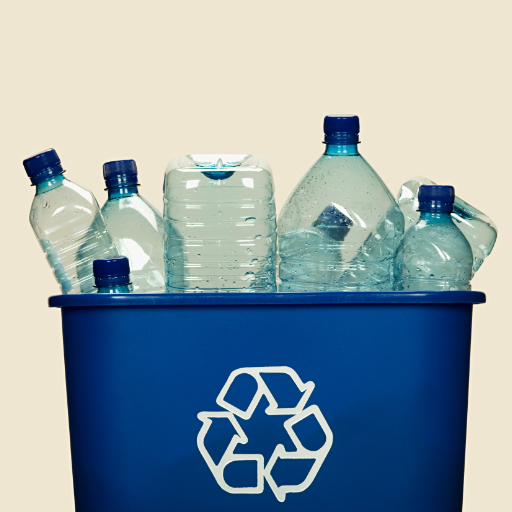
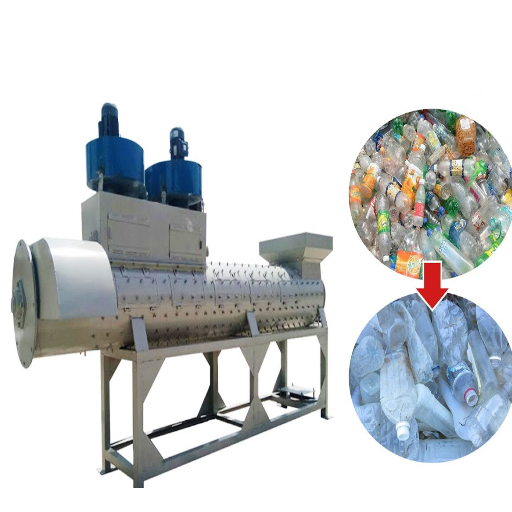
Polyethylene terephthalate or PET flakes are small plastic material cuttings obtained from PET materials, like bottles and containers, in the mechanical recycling process. These particulates (flakes) could be used for any number of purposes, including the production of PET kinds of packaging, fibers, and even machine parts. The recycling process generally consists of collecting, segregating, washing, crushing, and sometimes further purification to develop special high-purity flakes for specific requirements.
PET flakes have some obvious evolutionary advantages; they are light, strong, and impervious to moisture and chemicals. Their usefulness is all the more significant because it is in line with policies aimed at preserving the environment by allowing reusing without needing to use primary plastic. Most importantly, there are high-quality PET Grade Flakes that can reach food standards and industry ones, which facilitates creating recyclable packages and durable textiles. PET flakes play a key role in the development of sustainable production and the achievement of circular economy objectives worldwide.
Importance of PET Flakes in the Plastic Recycling Industry
There is no denying the importance of PET flakes in the plastic recycling sector due to their numerous uses and their high value when used. PET flakes come from recycled polyethylene terephthalate bottles and containers and can be used to make various products such as textile fibre, food-grade containers, or industrial materials. The manufacture of PET products is focused on reducing waste, as the material is 100% recyclable and the characteristics remain the same even after some recycling cycles. Due to growing environmental laws and corporate social responsibilities, PET flakes have globally witnessed a rise in demand. Also, enabling advances in recycling processes has maintained the quality and ensured that they adhere to the uncompromising requirements needed for several uses and applications. PET flakes are highly contributory in reducing plastic pollution as well as promoting economic growth in the recycling industry by completing the circle.
Key Factors Influencing the PET Flake Price
There are multiple major factors that affect the price of polyester hotwash flakes, which can be grouped into market changes, market economics, and environmental regulations. One of them is the price of the raw materials, especially the used PET bottles. As the rates of collection, the quality of the materials, and also the costs of transportation vary, so does the cost of implementing PET flakes. The other factor is energy prices, which have a lot of significance as the recycling process involves washing, drying, and extrusion, which consumes a lot of energy. However, energy cost changes can impact the production cost a lot, hence impacting the pet flake price.
Thirdly, another aspect is that market demand for recycled PET (rPET) products comprises the pricing of such industries’ packaging, textiles, and construction. However, increased efforts such as pursuing ‘sustainability agendas’ by mainstream organizations have led to pent-up demand, which in turn boosts the price when there is a scarcity of supply of rPET products. Finally, internalization of rules may be adopted by the state, promoting recycling, banning plastic, minimum recycled content, all with an effect of influencing PET prices. The pet flake price is therefore a result of several such factors.
🛢️ Raw Material Costs
Prices of used PET bottles, collection rates, material quality, and transportation costs all directly affect the production cost of PET flakes.
⚡ Energy Prices
Washing, drying, and extrusion are highly energy-intensive processes. Energy cost changes directly and significantly impact total production cost.
📈 rPET Market Demand
Sustainability agendas across packaging, textiles, and construction sectors create pent-up demand that boosts prices when supply is scarce.
📋 Regulatory Policies
State directives on minimum recycled content, plastic bans, and additional taxes on virgin plastics influence PET demand and pricing equilibrium.
Factors Driving PET Flake Price Fluctuations
Effect of Supply and Demand on PET Flake Price
The changes in the levels of supply and demand for pet flake prices are actually related in many ways. Breakdown in supply chains is caused by insufficient post-consumer PET bottle availability or inefficient collection and recycling systems; as a result, the price goes up. However, when the uptake of recycled content in packaging and garments decreases, the available materials tend to increase in price, leading to increased prices.
Energy Cost and Transportation Cost
The cost of energy has a considerable impact on the manufacturing of PET flakes, as production is undertaken, the cost is very high. Likewise, there are variations between the regions in the cost of moving the raw materials for processing or the finished products due to the cost of fuel or infrastructural barriers, making the prices unstable.
Regulatory Effects on Pricing
The costs associated with PET, especially from the flake form, are considerably influenced by state governments and their directives on recycled materials content. For example, plastic products set recycled plastic content minimums or levy additional taxes on primary colors, which can increase the consumption of PET, thereby resulting in increments in prices and a change in market equilibrium. Such causes can help the claims of the main players in the market to prepare the forecast and tackle variations in the prices and other costs.
Impact of Raw Material Costs and Crude Oil Prices
The pet bottle flake business is massively affected by the cost of raw material it uses in its structures, especially due to the dominance of crude oil. This is because one of the major materials in the production of PET, EO, and TA is manufactured out of crude oil. PET product, in turn, is correspondingly measuring the price of crude oil because it primarily affects the cost of virgin resin, and by extension, the price of recycled PET flakes. For instance, any increase in crude prices will increase the costs of producing virgin plastics, which will accordingly indicate more utilization of recycled plastics, which implies an increase in pet flake price.
When, instead, the price of oil rises, the advantage of using recycled PET is also lessened as the prices of virgin plastic fall. Global crude oil prices and economic environments, as well as other unforeseen events such as political unrest, production cuts in OPEC countries, and changes in demand for oil, will also affect the projected cost of raw materials as prices rise.
These factors require careful observation of crude oil prices and the costs of raw materials, since these changes will affect market strategies. Costs are hedged through the use of transfer pricing, the distribution of sources and resources, and better recycling regulations and practices.
Influence of Recycling Rates and Waste Management Practices
The material supply and prices are closely determined by the recycling pace and methods or systems applied in handling waste materials. This is especially true in such sectors that use large volumes of recycled content, such as plastics and metal. A sustainably high recycling rate reduces the externalities of sourcing virgin raw materials, thereby slowing down the rate of natural resource limitations and the increase in costs of materials. This is, however, opposed by low levels of recycling, in which the rarer the needed raw materials become, the more expensive the process of acquiring them becomes, and further destruction is invited to the environment.
Efforts directed towards the installation of appropriate solid waste management systems perform an important function in enhancing the effectiveness of recycling processes. More effective utilization of material is possible due to innovations in sorting technology and deeper cuts taken to develop the system, as well as stressing policy tools, for example, expanded producer responsibility (EPR) initiatives, that cause manufacturers to use more environmentally friendly materials. Besides that, boosting recycling implementation is also where public education and involvement come in to help the goal, while ensuring a circular production approach with as minimal an environmental impact as possible.
Transportation and Energy Costs Affecting Production
Transportation and energy expenses have recently emerged as crucial dimensions of manufacturing practices in most sectors. High fuel costs, for instance, translate directly into high transport costs, hence the increased cost of transporting raw materials or products from one point of development to another. This becomes even more crucial in firms that engage in long-haul supply chains. At the same time, energy costs impact the operations of manufacturing facilities since both electricity and fuel are needed for equipment, facility heating, and meeting production deadlines. To alleviate this burden, it has become common for businesses to incorporate measures, such as energy-saving innovations, supply chain shortcuts, and even local relocations. In addition, changing fuel prices and disturbances in the international energy markets make the above uncomfortable issues even more challenging, calling for the need to have a sustainable, balanced energy mix for supply stabilization and continuous operations. All these factors combined point out the necessity to come up with new production methods in reaction to the changing energy and transport conditions.
Global PET Flake Market Trends by Region

Asia-Pacific’s Dominance in PET Flake Production
Asia-Pacific occupies a leading market share for pet flakes manufacture for a reason, and this is because of the comparatively low cost of labor, access to sufficient resources that have proven to be a cheap source of production, the use of proper recycling appliances, and supportive government policies. The principal countries where sophisticated recycling methods and creating a PET recycling supply chain have been achieved are China, India, and Japan. Moreover, the heightened interest in processing economies that are circular in nature and consumer durable industries that use PET precisely in packaging, textiles, and other goods enhance the market. However, even as this shows progress, the region still suffers because of waste separation and the plastic waste problems caused by irresponsible behaviors in various regions. There is a reason why the Asia-Pacific region is important in the global pet flake market.
Market Trends in Europe, Focusing on Sustainability Initiatives
Europe has taken the leading position regarding promoting sustainability in the pet flakes market, due to very strong policies and high standards on the environment. The emergence of the Single Use Plastics Directive and the EU Green Deal are among the key drivers aimed at curtailing plastic usage and boosting waste recycling. Therefore, such policies have spurred the adoption of such practices by industry and businesses, including the use of rPET in the production of packages and products for everyday consumption.
Over the years, brands across various industries have been making commitments towards the use of higher percentages of recycled content in their products. Many are now adopting the EU’s goal of not less than 25% recyclable plastic, and in this case, PET in beverage bottles by 2025. In addition, one cannot forget the so-called chemical recycling technologies, which are getting wider and wider use nowadays due to the possibility of extracting the PET with minimal deviations in quality from waste masses. Those, coupled with the control functions of market forces, suggest that the PET flakes raw material market will not lose this primary position.
North America’s Growing Demand for Recycled PET (rPET)
The North American market for recycled PET (rPET) has seen a significant rise in demand thanks to elevated levels of consumer awareness and the institutionalization of policies on sustainable development and other brand-specific initiatives. Such leading companies work diligently in making promises about the portion of rPET used in packaging going higher, where, in some instances, aims are pushed beyond limits, with an expectation of 50% of rPET by 2030. This increase in demand is further supplemented by policies in place to grow the markets, for example, through plastic recycling regulations and state-based limits on the use of plastics, among them the provision for 50% recycled content within plastic bottles in California by 2030.
There is a further motivation for these initiatives, since with the development of mechanical and chemical recycling technologies, it has now become possible to increase the amounts of recycled PET collected and improve the quality of the collected PET. Evolution of PET recycling infrastructure, in this regard, is backed by the Circular Economy for Plastics movement and the investment of companies and governments to improve the recycling or reuse of materials. The knowledge is in place among consumers that manufacturing processes impact the environment, and as a result, there is a growing demand for eco-friendly products, which in turn affects buying behaviors and leads to encouraging growth in plastics towards better sustainability.
Emerging Markets and Their Contribution to Global Supply
Significant emerging economies have come up fast because they have tailored their productive capacity, acting as centers where goods are manufactured and technology is improved. Given the low costs of such labour and the need for infrastructural development, almost every region in the world has managed to become a textile, electronics, motor vehicle, and parts goods-producing region. China, Brazil, and India stand out among the strongest global exporters, thanks to the ability of the three countries to utilize their economic advantages and form alliances with all countries. Furthermore, their incorporation enhances the development of the global supply chain, so there is less reliance on one particular market and thus the spread of risks in case of any upheavals. As much as there are challenges such as political unrest and intrusive government policies, these markets continue to receive huge pots of direct investment funds, most probably due to their relevance on the global level.
PET Flakes and Their Role in the Circular Economy
♻️ Circular Economy Contributions at a Glance
- Made from recycled PET packages (bottles, covers) — eliminating the need for virgin plastic
- Used to fabricate new plastics, textiles, and industrial products — keeping materials in-loop
- Reduces the share of residential waste going to landfill and suppresses plastic ocean pollution
- Closes the loop — consuming materials within the economy rather than discarding them
- Improvements in post-consumer recyclate quality continue to broaden their range of applications
Polyethylene terephthalate (PET) flakes are central to the promotion of the circular economy model, which encompasses both resource efficiency and the minimisation of waste generated. Such flakes are made from recycled PET packages, including bottles and covers, which are used to fabricate new plastics, textiles, and even industrial products. This procedure lessens the reliance on new plastics, which are often not eco-friendly and therefore not environmentally beneficial for manufacturing processes.
The ability to consume PET waste flakes directly offers waste management solutions by reducing the share of residential waste going to landfill and suppressing the occurrence of plastics in both oceans and land. They represent another characteristic regulation in terms of closing the loop by consuming the materials within the economy, other than throwing away the used scopes. As a result, the improvement of the quality of PET post-consumer recyclates or even flakes became possible, and their applications strengthened with a wider effort to cover more ground. This is indicative of their growing importance in the global economy, where circularity is partly adapted to the countries.
The Importance of PET Flakes in Reducing Virgin Plastic Dependency
PET flake price reduction offers the industry the level of confidence necessary for easier process integration. They help reduce the need for crude oil by offering a reuse option and the environmental effects from the start of the production of plastics. Significant among these applications is the packaging of food material, production of fibers, and non-food containers. In all cases where such processes are implemented, the need to use virgin polymer resins is significantly reduced or sometimes even eliminated. There were studies that had led to the development of processes of making recycled PET (rPET) that satisfy or even surpass the properties of virgin PET, and this kind of utilization is perceived as a completion of a closed cycle system in industrial and consumer segments. Incorporation of PET flakes within the borders of the industry will greatly minimize gaseous emissions and electricity use for energy purposes, an agenda well enshrined in campaigns against plastics and for sustainable development.
Advancements in Recycling Technologies Driving Market Growth
In the PET market, the segment of recycled products is subjected to the effects of changes brought by contemporary technological innovations. This includes the use of multiple advanced sorting mechanisms based on artificial intelligence and NIR spectroscopy, which greatly enhances the possibility of accurately separating recyclable PET within waste streams. For one, even the process of making plastic bottles using the depolymerisation method, which is essentially chemical recycling, was achieved. Before the invention of the technologies, it was impossible to recycle highly contaminated PET bottles. On the other hand, owing to the availability of the technologies discussed above, the application areas of this technology have been extended.
The worldwide markets are thriving today because of the availability of scalable modular systems, which are provided for easier integration into existing recycling plants, cutting down on operational expenses and outlays. Additionally, other developments in this area, such as bio-recycling or the use of closed-loop systems, are also increasing in popularity and favour, enabling close to full recovery. With these developments in the industry, the challenge of how to maintain the supply of high-quality rPET to the desired markets is addressed, while also supporting stringent standards, including that of environmental protection, and the very quest of the consumers towards sustainable products, bringing more and more business towards a circular development.
PET Flakes as a Sustainable Solution for Packaging Industries
PET flakes are the answer to sustainable packaging. It is an economical, efficient, and environmentally friendly packaging material. PET flakes are flakes of post-consumer recycled products, such as bottles, cut up into sizes that can make new packages with less in use of the environment. Moreover, they are lightweight compared to other materials and thus produce less carbon emissions while being used for transportation, whereas PET, being a plastic material, withstands an extensive cycle of use. In addition to this, there are severe safety risks related to food-grade safety, changing the need for alternative materials, including recycled post-consumer PET. All these factors culminate in the pet flake price that is dominant in the market.
The practice of repurposing PET as flake enhances waste management tenets of self-reliance within the waste loop without the imperative need for virgin resources. Recent debts in sorting and washing technologies mean that the quality of rPET has risen and has enabled manufacturers in the packaging industries to make packages with strengths similar to those of virgin PET. From the industry’s perspective, this is scalable and will be able to meet the ever evolving legal requirements for recycled materials in packaging, where environmental considerations and the effective policies in place help promote the consumer’s preference towards the corresponding products.
Finally, the use of PET flakes in packaging facilitates the achievement of the business sustainability strategy, as waste and carbon emissions are reduced, thereby lowering the operating expenditure. After all, the industries that embrace the use of PET flakes will benefit from strengthening their public image as they will be seen fighting for the greater good of humankind, a sustainable and progressive change in economic development.
Future Outlook of the PET Flake Market

The market for PET flakes is expected to grow due to rising demand for green plastic materials, given the steady increase in such regulations and consumer preferences for more sustainable products. Technological developments in recycling technology, such as better sorting and efficient washing, are expected to increase the availability and the quality of PET flakes to satisfy the demanding needs of user industries. Furthermore, attempts on a global scale towards the reduction of plastic waste and enhancing circular economy principles may lead to more pronounced growth of the market. Eventually, the companies investing in pet flake would obtain a strategic advantage and would be the ones leading the new sustainable ways of doing business in an appropriate and environmentally friendly way. Another factor that will contribute to the successful implementation of these investments is the pet flake price reduction.
Predicted Market Value and Growth Trajectory for PET Flakes
~$8B
Market Size (2022)
7–9%
Projected CAGR (2028–2030)
>$1B
Expected Consumption Threshold (Next 10 Years)
50%
rPET Target by 2030 (Leading Brands & California)
Based on current trends, the world is expected to break the billion-dollar barrier of PET flakes consumption within the next ten years, since sustainable beautification of plants, textiles, other industries, and the economy at large is on the rise. Statistics from the market show the pet flakes industry was at approximately eight billion USD during 2022. Where during the period of 2028 to 2030, the markets will record a compound annual growth rate of between 7 and 9%. Such indicators include more stringent policies discouraging the use of plastic, effective recycling methods, and, hence, the utilization of rPET in Manufacturing. Besides, the growing concern for the environment among consumers enhances the use of recycled materials and, in turn, leads to increasing demand and value of the market.
Integration of AI and IoT in Recycling Supply Chain Management
A strong combination of AI and IoT in the management of the supply chain of recycling brings a positive ripple effect. Due to the introduction of AI to the supply chain, it is now possible to facilitate effective prediction of waste generation, as well as improve separation outcomes and ensure high quality, all thanks to advanced data analytics. IoT-based platforms enable the instrumentation of sensor networks to monitor the functioning of equipment as well as the movement of materials in real time, so that preventive measures can be taken in order to avoid wear and tear. Therefore, these advances are essential in improving one’s ability to make decisions, lower the costs incurred in the operations, as well as meet environmentally sustainable objectives with more accuracy and success.
Emerging Opportunities for Stakeholders in the PET Flake Industry
The importance of environmental sustainability, along with the principles of the circular economy, opens attractive prospects for the participants of the pet flake market. There is a need for increased content of recycled materials in packages by the Authorities and the international organizations. This increases the demand for premium pet flakes. Developments of advanced recycling methods, such as chemical recycling and enhanced sorting capabilities, allow for purity improvement of the flakes as well as broadening areas of application of the flakes. More particularly, such an area is where flakes are used for packages, mainly in the packaging area, which is also used for the production of textiles and car parts without compromising the quality.
What is more, organisations in the value chain, i.e., waste recyclers, feedstock and plastic manufacturers, can enhance their operations by reducing wastage, improving the quality of waste materials, and setting up networks that recycle every product back into a profitable product. The development of the Internet of Things, or IoT, and the introduction of machine learning devices enhance the existing technology to help the actors in the supply chain increase both the visibility and the usage of the recycled content and fulfill the attitudes of the suppliers of such recycled content, as well as the government. It is for such complex institutions and pillars that the pet flake price is engaged by numerous sectors within society.
Final Takeaway
Stay Ahead of PET Flake Price Movements — Invest in the Circular Economy
By understanding the interplay between crude oil prices, recycling rates, regional regulations, and technological advancements, stakeholders can make smarter sourcing, procurement, and investment decisions. As the PET flake market continues its strong CAGR trajectory toward 2030, businesses that embrace rPET early — supported by AI-driven supply chains and circular economy frameworks — will secure both a competitive and environmental advantage.
Reference Sources
PET Bottle Recycling for Sustainable Textiles
Key Findings: This paper discusses the process of obtaining PET flakes from bottle waste, including sorting, washing, grinding, and drying. It highlights the role of PET flakes in sustainable textile production.
Key Findings: This study examines the high energy consumption and costs associated with treating opaque PET, comparing it to the market cost of virgin PET.
Frequently Asked Questions (FAQs)
What changes the pet flake price for concerned baled PET scrap or PET bottle scrap?
Pet flake price depends on the raw material quality (how clean empty pet bottles are, if pvc or pp is found), if the material is hot washed as opposed to cold washed, quality and color (transparent pet vs. colored), current recycled pet flakes and derived economic applications like polyester or pet sheet, i.e. capacities available from pet bales and/or baled pet scrap, freight or trade routes (whether China, India or any other place), and raw material costs worldwide in USD per MT. There are also price changes with the season’s collections on other washing materials like washed 100 and mixed plastics, pet or scrap HDPE/ ldpe amongst other materials.
For what reasons do most industries tend to use hot-washed pet flakes over cold-washed or washed 100?
Cleaner concentrates are more preferred because their polycontent is generally less, and the smell or shred costs are minimized, as well as a reduction in the inherent PVC content of the cleaned PET resin flake – especially required for polyester fiber, sheet pet waste, or clear pet bottle reclaim. Hot washing produces high-quality polyethylene terephthalate, which bears uniform coloration and very little PET dust, thus making it better for granulation. Although cheaper alternatives, like cold washing and washing options that comprise of 100% recycled flake assets, including unwashed people product flake, exist, there is lesser resale quality, especially when excessive scrap or mixed plastics flakes are present. Hot washing flushes the higher than cold-washed final products, hence the justification for the higher pet flake price per metric ton.
How is bottle pet different in terms of quality as well as pricing compared to pet bottle flakes?
The term “cotted drink” in this context typically refers to material taken exclusively from polyethylene terephthalate (PET) bottles and therefore produces better quality PET bottle flakes than those sourced from mixed plastic waste containing plastic bottles in general. The higher the clarity of PET bottles, the higher the demand and price of PET bottle flakes for food-grade recycling or high-quality fiber. Factors such as color, contamination of fractions by polyvinyl chloride (PVC) and polypropylene (pp), determine the quality and pricing of the materials. Suppliers providing packaging in bulk, bags, or palletized bales will offer prices in terms of USD per MT depending on the quality.
In what way does international (for example, China, India, and Chinese sellers) trade affect the supply and the pet flake price?
Movements of goods across nations impact expenses associated with logistics operations, as well as the lead times and reliability of supplies. India and China are key players with regard to sales markets as well as sources of supplies. China most times supplies pet flakes in wholesale and in large quantities or volume, but India may have preferable prices for different grades. Changes in trade regulations and policies regarding plastic waste and commensurate tariffs may affect demand and supply. It is prudent for buyers to check the certificates of suppliers and ask for samples of either hot or cold-washed flakes packed in bags or thrown bulk, and confirm they can supply a specific mt load at the agreed price and terms, or prefer to do spot deals instead.
In what way are the Energizers, as they are called, affordable?
Vendors present the goods in varied configurations from loose bulk bins, compacted bales of pets, packaged bags (25 to 50 kg), or even pallet loads. Getting bulk quantities (mt) lowers unit cost, and prices are always given in usd and per mt. Confirm the form of the pet flakes offered, whether in sheeting, hot flake only, or with glass lumps. Note domestic restrictions (due to washed container 100 percent claim), documents warranted for both domestic and international shipment, and that the supplier should be well versed in the export restrictions towards states such as China and India.
Where can I Buy Premium Quality Pet Flakes at the Best Price or affordably without compromise on the quality?
To get better pricing, create competition, strip down specifications, and consolidate quotations from sips ( i.e., factory direct and traders), break down pricing into grades, hot vs. cold washed, color, and packing. Explore the benefits of bulk buying every month, signing long-term agreements, or buying mixed plastics pet only where possible. Do not forget to take out lightweight plastic costs pvc or pp if any are involved in recycling. Used for a pet if an acceptable high-quality pet is application-specific, like a pet film or a pet sheet for an industrial.
What are the most common uses of clean, sustainable, and good-quality pet flake price materials?
Clean recycled bottle-mediated PET flakes help reduce environmental pollution as they have several practical uses, such as polyester fiber manufacture, extruding into a PET sheet, bottle-bottle recycling, cropping (or chips) for PET clear bottles, and other plastic substrate applications, among other inquisition agents. Clear PET charges are for British Slimline space-saving bottles and other prestige products that exceed suppliers’ limits of affordability. Misuse or regulatory issues of ‘recycling’ or any recycled material content may result if the flakes contain pvc, pp, hdpe or any other plastic toy impurities.


Trending now