Get in touch with Kitech Company

LDPE Agricultural Film Recycling: Complete Process

Key Takeaway
Recycling black LDPE mulch film is a cornerstone of sustainable modern agriculture. By transitioning from disposal to a structured recycling process, farmers can mitigate microplastic pollution, reduce carbon footprints, and achieve significant cost savings through a circular economy.
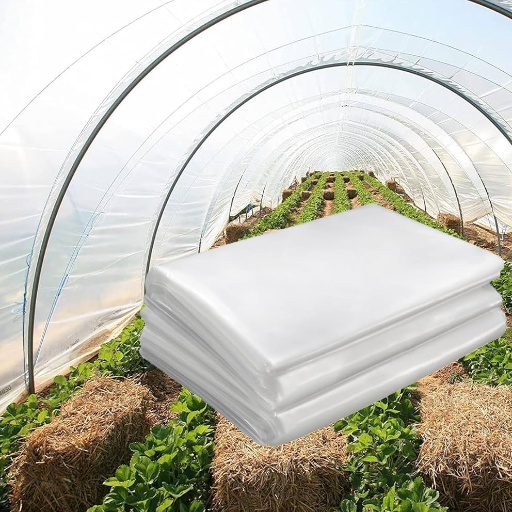
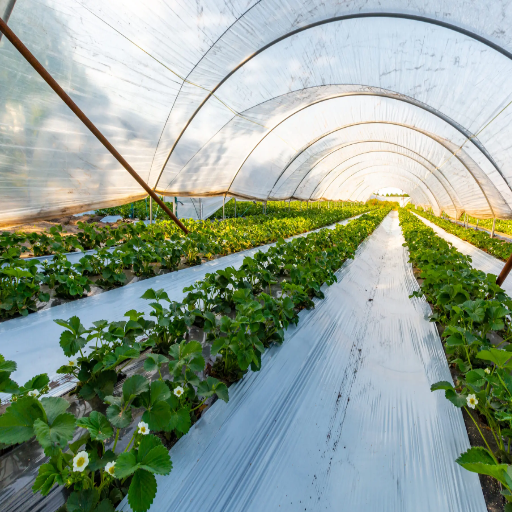
Farmers widely use black agricultural mulch film made of Low-Density Polyethylene (LDPE) to protect soil from erosion, save water, and increase yields. While popular, these plastics present a negative environmental impact if not correctly handled, as residues tend to accumulate in the ecosystem. In this article, I shall explain the LDPE film recycling process and why it is essential for plastic waste management. We will investigate critical issues, including cleaning methods, storage after removal, and rewashing steps. This detailed guide highlights the importance of processes that contribute to sustainable modern agriculture.
Importance of LDPE Film Recycling
LDPE film recycling plays an essential role in mitigating environmental pollution and preserving limited resources. In agriculture, where these films are predominantly used for mulching and crop protection, they frequently become plastic waste. There is no desire to send LDPE films to landfills—where they take centuries to decompose—especially when they can be repurposed. The recycling process promotes a circular economy by reprocessing existing films into new goods, minimizing the use of non-renewable resources and reducing greenhouse gas emissions. This activity is vital for environmental protection and fosters integrated sustainable farming practices supported by relevant policy initiatives.
Environmental Impact of LDPE Waste
The improper disposal of LDPE waste poses major threats to the environment. The impact can be understood through these five critical points:
⚠️ Important Note
LDPE materials can persist in the environment for over 500 years, making immediate recycling efforts crucial to prevent long-term ecological damage.
- 1Sustainability IssuesLDPE takes more than 500 years to rot in landfills, leading to massive waste accumulation that disrupts natural cycles.
- 2MicroplasticsDegrading LDPE turns into microplastics, which enter ecosystems, soil, and water bodies, eventually penetrating the food chain.
- 3Threats to Aquatic OrganismsMarine life often ingests LDPE waste, mistaking it for food, which leads to starvation and fatal internal injuries.
- 4Greenhouse Gas EmissionsManufacturing and burning LDPE releases methane and CO2, contributing to climatic temperature extremes.
- 5Land and Soil ContaminationImproperly disposed agri-plastics deplete soil nutrients and drop production levels, impacting food safety.
Benefits of Recycling Agricultural Films
- ✓Minimization of Environmental Hazard: Reduces plastic damage to water bodies and soil ecosystems.
- ✓Save Natural Resources: Reclamation reduces the production of virgin plastics, saving manufacturing energy.
- ✓Halt Soil Degradation: Removing thin plastic films from soil prevents toxicity and fertility loss.
- ✓Encouragement of Eco-Friendly Practices: Supports circularity and responsible waste management in farming.
- ✓Cost Savings: Produces merchandise like building materials, reducing the need for expensive raw construction components.
Regulatory Considerations in Plastic Recycling
To maximize efficiency, various environmental and societal statutes must be observed, including regulations against the abuse of waste plastics. This legal framework requires proper coding for different plastic materials and limits on emissions and wastage. Operations may need to meet global standards like ISO, though local laws vary. Compliance is imperative to safeguard the environment from plastic pollution.
Technology and Processes in LDPE Film Recycling
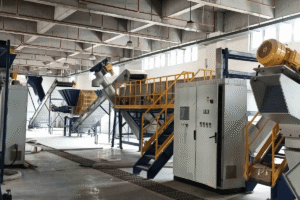
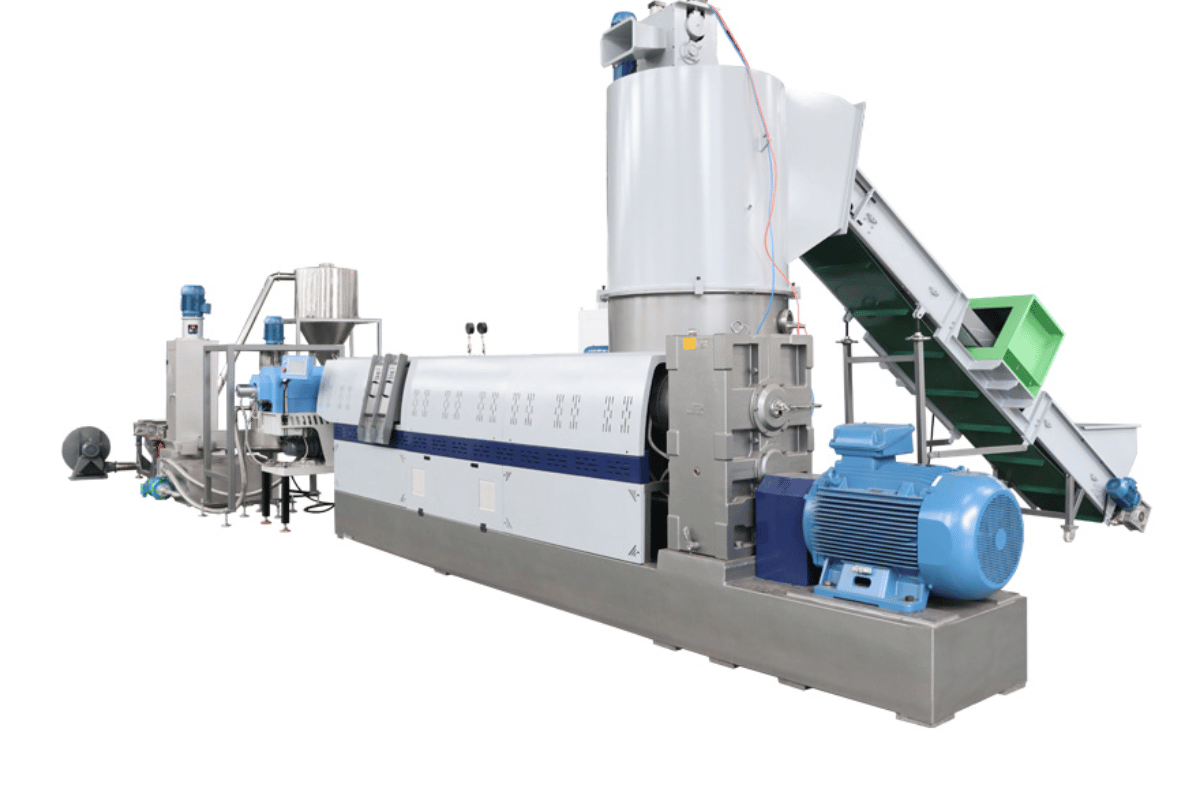
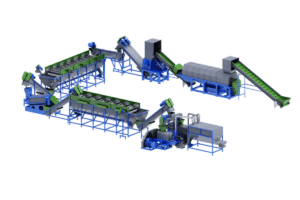
The LDPE film recycling line targets maximum efficiency without changing the material’s composition. The process begins with collection and separation using mechanical or optical systems to distinguish LDPE from other plastics. Cleaning allows for the removal of soil and residues. After cleaning, the film is cut to size and processed through a thermal matrix system. Innovations like superior filtration during extrusion ensure high-quality recycled products, creating a closed-loop system for various packaging and industrial sectors.
Overview of the Recycling Process
The complex process of recycling LDPE film consists of five unique stages:
| Process Step | Description & Statistics |
|---|---|
| 1. Collection & Sorting | Using IR spectroscopy or density methods to separate LDPE with 95% accuracy. |
| 2. Washing & Readying | Intense cleaning to remove pollutants; poor cleaning causes 15% material loss. |
| 3. Shredding & Pelletizing | Grinding into 5–15 mm particles followed by melting into uniform pellets. |
| 4. Extrusion & Filtering | Self-cleaning filters remove up to 99.9% of contaminants during melting. |
| 5. Manufacturing | Achieves 20-40% savings in raw material costs for new film and bags. |
Film Washing Line Technology
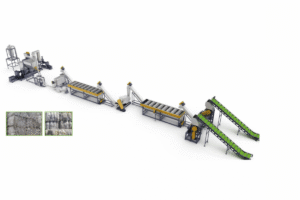
The film washing line is crucial for recovering post-industrial and post-consumer materials. Key components include:
- Pre-Washing Design: Removes over 50% of loose impurities like squalor and vegetables.
- Dicing Equipment: Breaks film into 30–50 mm flakes to facilitate cleaning.
- Friction Washer: Uses high-speed action to remove glue and oil with 90% efficiency.
- Steam Water Tank: Operates at 80-90°C with detergents to remove heavy contaminants.
- Spin Dryer: Reduces moisture levels to less than 5%, ideal for extrusion.
Pelletizing and Processing Recycled Material
Pelletizing transforms cleaned polymer into homogenized beads. An extruder heats and melts the plastic, forcing it through a die to form strands. Once cooled, these are cut into standard pellets. Pellets simplify handling and enhance the consistency of the material for applications in packaging and construction.
Benefits for Sustainability in Film Recycling
Recycling films prevents plastic from entering landfills and reduces the need for energy-intensive virgin material production. This process minimizes greenhouse gas emissions and fosters efficient resource use, achieving a long-term structural equilibrium for the environment.
Reducing Carbon Footprint through Recycling
95%
Energy savings when recycling aluminum vs. primary production
Recycling significantly reduces greenhouse gas emissions. Processing recyclables reduces the need for raw material extraction. Furthermore, diverting waste from landfills lowers methane generation, proving that recycling is an effective method in the fight against global warming.
Contributing to a Circular Economy
A circular economy aims to extend resource life and avoid waste. Clean recycling enhances produced goods and limits the use of virgin materials. This system involves designing products for longevity, repairability, and recyclability, supporting sustainable growth for future generations.
Innovations in LDPE Film Recycling
Recent innovations include Near-Infrared Spectroscopy (NIR) for accurate LDPE identification and chemical recycling (depolymerization) to break LDPE into its base components. These techniques overcome challenges posed by co-extruded structures, increasing recycling value inexpensively.
Key Considerations When Choosing a Recycling Line
- Material Consideration: Ensure equipment matches specific plastics (LDPE, HDPE, PET).
- Product Quality: Assess if the system can produce high-grade materials for manufacturing.
- Energy Consumption: Choose machines that minimize power use without compromising speed.
- Capacity: Evaluate the throughput speed against facility timelines.
- Durability: Select long-lasting machines with easy serviceability.
- Cost: Balance initial capital with long-term maintenance and electrical costs.
- Compliance: Ensure meeting local and international environmental standards.
Evaluating Recycling Machines and Equipment
When comparing machinery, concentrate on these metrics:
- Capability: Can it process your volume of waste?
- Suitability: Is it designed for your specific waste categories?
- Energy Consumption: Is it cost-effective and environmentally friendly?
- Ease of Repairs: Are spare parts accessible to avoid stoppages?
- Automation: Do “smart” features limit labor needs?
Capacity and Efficiency of Recycling Lines
Industrial lines feature high throughput and process optimization. Effectiveness is measured by contamination levels in the output and energy consumption. Optical sorting and automatic separators greatly increase efficiency, provided the equipment is regularly calibrated.
Cost Factors in Setting Up a Recycling Plant
Expenses for a recycling plant fall into five key areas:
- Initial Capital Investment: Land, buildings, and core machinery (shredders, conveyors).
- Technology: Advanced systems like optical sorters have higher upfront costs but better efficiency.
- Operational Costs: Labor, utilities, and repairs.
- Compliance: Costs associated with permits and environmental laws.
- Input Material: The recurring cost of securing recyclable waste.
Tips for Maximizing Efficiency in LDPE Film Recycling
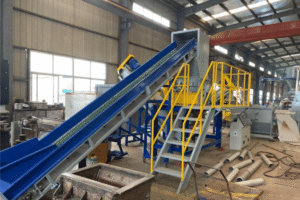
Maximizing efficiency requires improving collection rates, manipulation of materials, and processing capacities. This can be achieved through effective systems and innovations in recycling implementation.
Best Practices for Operating Recycling Machines
💡
Pro Tip
Regular machine tuning can increase efficiency by up to 15% and prevent costly emergency repairs.
- 1Timely UpkeepRegular maintenance avoids breakdowns and boosts efficiency by 15%.
- 2Pre-Processing SelectionPre-sorting can make a 20% difference in recovery rates by preventing cross-contamination.
- 3Operator TrainingTrained operators can increase output by 25% and minimize accidents.
- 4Energy ManagementUsing energy-efficient machinery can reduce consumption by 10%.
- 5Automation SystemsStandardized automation can increase overall production by 30%.
Optimizing the Film Washing Process
To optimize washing, control factors like water temperature, flow rates, and chemical dosing. Effective filtration systems maintain a clean water supply, reducing repairs. Real-time monitoring allows for gauging efficiency and drawing improvement plans from the data collected.
Monitoring and Improving Recycling Processes
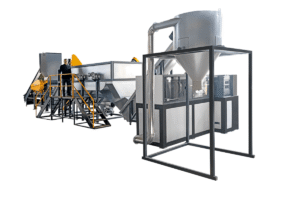
Set benchmarks and performance indicators for material sorting efficiency and recovery. Deploying AI-based sorting systems improves accuracy. Quality control checks identify shortcomings, while employee training and revised servicing schedules keep practices up to date.
Reference Sources
- Aceretech LDPE Film Line: Tailor-made system with 1000kg/hr throughput.
- Wiscon Plastic Film System: High-quality, low-power/water consumption line.
- Retech Washing Line: Covers crushing, hot washing, and rinsing technology.
- Shuliy Recycling Machine: 40m line manageable by 2-3 people.
- Boxin Washing Line: Modular, energy-saving design for dusty films and bags.
- Recommend reading: Complete Agricultural Film Recycling Line for PE Film Washing & Recycling Pelletizing
Frequently Asked Questions
1. What is an LDPE Film Recycling Line?
It is a facility that treats used LDPE films to convert them into reusable plastic granules through crushing, washing, drying, and pelletizing.
2. What are the regular components of the process?
A typical arrangement includes a Shredder/Crusher, a Washing System (friction washers), Dewatering Equipment (centrifuges), a Heat Dryer, and a Pelletizing Machine.
3. Why is specialized cleaning equipment essential?
Washing systems are vital to remove dust, resins, labels, and glues. These contaminants compromise the quality and price of the final plastic products.
4. What factors should be considered when choosing a line?
Key factors include the quality of raw material input, capacity requirements (kg/hr), the desired purity of the final pellets, water/energy productivity, and the level of PLC automation.