Get in touch with Kitech Company

How to Recycle Mulch Film: Complete Technical Guide

Key Takeaway
Effective mulch film recycling is essential for modern agriculture. By transitioning from improper disposal to structured recycling using specialized machinery, farmers can protect soil health, reduce emissions, and turn plastic waste into valuable economic resources.
Many people dispose of mulch film using the cheapest, most efficient, and most effortless ways without considering the effects plastic waste has on the environment or the agricultural economy. This guide provides a detailed description of the recycling process and the materials involved to promote effective and proper use. From the essence of mulch film to advanced recycling methods and best practices, this comprehensive resource supports agricultural producers and users in reducing environmental damage and material waste. By the end of this guide, readers will understand the necessary steps for dealing with mulch film waste to foster a greener agricultural sector.
The Importance of Recycling Mulch Film
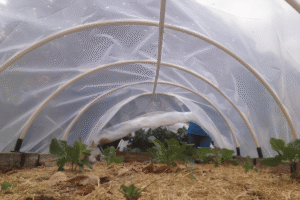
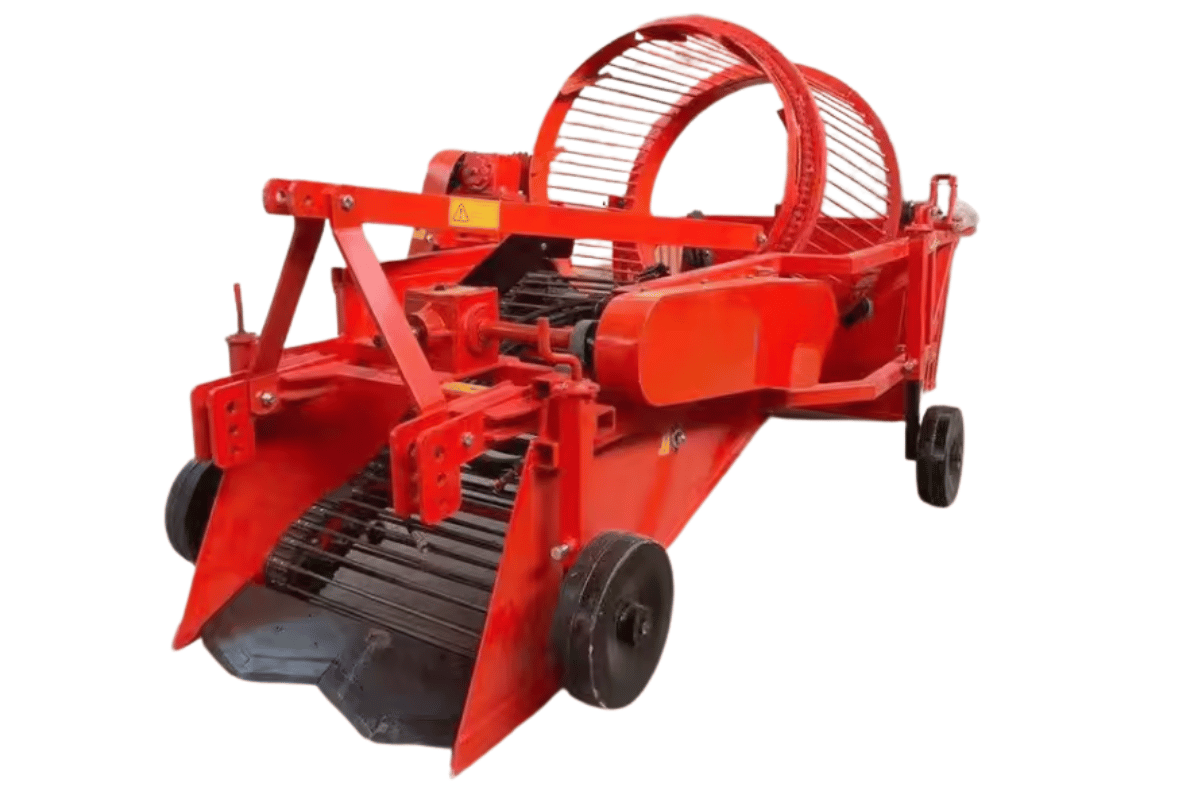
Mulch films act as protective covers for soil, preventing weed growth and moisture loss. Usually manufactured from polyethylene plastics, they do not decompose naturally, making the disposal of used films a significant waste management concern. Fortunately, the challenge of recycling these materials is addressed by the Mulch Film Recycling Machine. This device breaks down used materials to be refabricated into secondary plastic products, decreasing material loss. Additionally, because soil contaminated with plastic residues leads to high operational costs in the agricultural sector, recycling helps prevent these long-term issues. Consequently, saving the environment and reducing costs without wasting resources is a reality thanks to modern recycling facilities.
Environmental Benefits of Recycling
- 1
Decreasing Emission GasesMaterials including aluminum, paper, and plastics are often produced through energy-intensive processes; significant energy savings are realized through recycling. For example, recycled aluminum offers 95% energy savings compared to production from bauxite, resulting in fewer emissions. The EPA found that for every ton of paper recycled, up to 17 trees are saved and one extra ton of CO2 emissions is avoided.
- 2
Conserving Raw MaterialsRecycling helps preserve limited resources. For instance, recycling one metric ton of glass saves more than one metric ton of raw materials, including sand, soda ash, and limestone.
- 3
Reducing Landfill UsageAgricultural film mulch often presents disposal problems, but the Mulch Film Recycling Machine can help solve this issue. By collecting and recovering waste, we avoid burying plastic, reducing land-use conflicts and methane emissions from landfills. Recycling one ton of steel prevents waste from entering landfills and saves approximately 2,500 pounds of iron ore from being mined.
- 4
Minimizing Soil and Water ContaminationRecycling is instrumental in controlling toxic materials. Proper management can mitigate approximately 70% of the ecological impact of electronic waste, preventing toxins such as lead and cadmium from leaching into soil or water bodies.
- 5
Reducing Energy UsageImplementing recycling across industries saves vast amounts of energy. One ton of recycled plastic saves about 5,774 kWh—enough to power an average household for six months. This demand reduction promotes the “greening” of the energy sector and helps keep the natural environment closer to equilibrium.
Economic Advantages for Farmers
Recycling and reuse practices help farmers economically by reducing costs and increasing profit levels. Below are five main advantages backed by evidence:
| Economic Advantage | Impact Details |
|---|---|
| Decline in Input Costs | Compost from green waste can reduce chemical fertilizer use by 30%. |
| Enhanced Soil Productivity | Organic matter can improve yields by 5% to 10% over time. |
| Fuel & Energy Savings | Anaerobic digesters using waste can save up to 40% in energy costs. |
| Value-Added Products | Biochar production can earn an extra $5,000 – $10,000 per year. |
| Grants and Incentives | USDA schemes can cover 75% or more of waste reduction mechanism costs. |
These reasons demonstrate that the positive impacts of recycling are not limited to the environment but extend across various economic sectors, including technologically advanced agriculture.
Reducing Waste Plastic in Agriculture
The agricultural sector has a high saturation of plastic waste, making management strategies inevitable. For instance, instead of burying plastic mulch, farmers can use biodegradable mulch that depletes during the use period. It is vital to prioritize plastic recovery even in greenhouses, irrigation liners, or silage, where plastics are often left in the soil. To truly reduce waste, the use of single-use plastics for tasks like covering cut parts should be addressed. In conclusion, the government and private sector must establish efficient collection and recycling policies to manage agricultural plastic waste. The Mulch Film Recycling Machine and similar systems work directly to reduce the environmental burden on farmers.
Understanding Mulch Film Recycling Machines
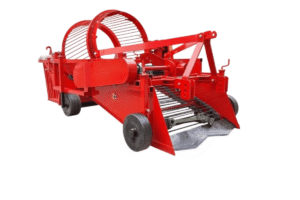
A Mulch Film Recycling Machine is robust machinery designed to recycle used agricultural plastic. These machines employ shredding, washing, and dewatering methods to effectively convert film into pelleted or reusable forms. New-generation equipment can handle plastics of various sizes and configurations, even when contaminated with soil, minerals, growing mediums, or green waste. Farmers and recycling companies use this equipment to implement zero-waste goals, reduce ecological impact, and promote the sustainable use of agricultural plastics.
Types of Recycling Machines
- •
Shredders: These reduce bulk plastic waste into small scraps using a rotator with sharp blades. Modern blades can cut through both thick and thin films easily, with industrial-class shredders handling multiple tons per day. - •
Washing Systems: Fundamental for removing dirt, pesticides, and organic matter. These use friction washers, hot water tanks, and detergent injectors to clean films at high speeds. - •
Drying Units: Mechanical dryers like centrifugal or thermal units remove water. Sophisticated machines can reduce moisture content to less than 1%, preparing material for the next stage. - •
Pellet Production Machines: These use high temperatures to melt and force plastic through punch plates to create small pellets. Some units include features to remove bubbles or solid particles during melting. - •
Separating Mechanisms: Utilizing optical sensors, air jets, or vibrating screens, these systems sort plastics by thickness, material, and color to improve productivity.
Using these machines in tandem allows for complex recycling lines that treat agricultural films with high waste requirements while maintaining ecological efficiency.
How Film Recycling Machines Work
The structure of a Mulch Film Recycling Machine includes processes to handle dirty and aged agricultural films. The process begins with a pre-wash stage that uses mechanisms to reduce heavy pollutants like mud and residue. Shredded material is then created using primary cutters or high-torque shredders to reach the required dimensions.
During shredding, the material enters a two-stage washing system. Cleaning devices and tanks use density separation to remove heavy impurities like stones and metal particles. Temperature-controlled dryers then prepare the material for extrusion. In the final stage, high-quality recycled pellets are produced through melted plastic extrusion. Modern machines use sorting sensors and AI-based quality control to increase recovery rates and reduce contamination. This process effectively manages waste, reducing landfill disposal and encouraging environmentally friendly production. Once connected to a power source, the machine can conduct the full recycling cycle.
Key Components: Shredders and Crushers
In the recycling of waste polyethylene agricultural films, shredders and crushers provide primary protection against film bulk. Shredders use intricate components to handle long plastics with precision, preventing clogging in subsequent feeding equipment. Crushers further sieve large fractions to create a uniform matrix. This material can then be used as feedstock for extrusion. Both mechanisms are built to handle harsh, dirty agricultural plastic waste and are often considered the “microorganisms” of the Mulch Film Recycling Machine.
The Recycling Process of Mulch Film
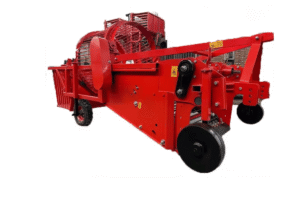
A mulch film recycling machine recovers plastic from farms and brings it to recycling centers. Once there, the film is cleansed of dust, debris, and soil in the initial steps. Shredders and mixers break the plastic into fine, homogeneous particles. Any remaining pockets are thoroughly washed and dried. Finally, the cleaned plastic is heated and turned into pellets or shareable articles available for fabricating other commodities. This ensures appropriate plastic management in agriculture and curbs negative environmental attributes.
Collection and Sorting of Film Waste
To recycle used film, it must be gathered and separated properly. Agricultural film waste is typically delivered from various farm sites. The waste undergoes sorting to remove soil, vegetation, or eco-insulation film. This may involve manual sorting or advanced techniques like optical sorting machines. Appropriate collection and sorting systems are critical for maintaining the quality of the new products prepared from recycled material.
Washing and Drying Processes
The washing process is vital for removing dust, soil, glue, adhesives, and residue. Water and specialized cleaning chemicals are used alongside mechanical agitation. Afterward, the material must be dried using centrifugal drying or heated air. This is essential because the material is unacceptable for subsequent processes unless the moisture content is significantly low. These practices are necessary to improve the final condition of the recycled product.
Pelletizing Recycled Plastic
Turning plastic into small pellets is a significant step. Clean, dry plastic is loaded into an extruder, where it is heated and softened to flow through a die. The resulting strands are chopped into short cylindrical shapes by a rotary knife. These pellets are essential for production, as they allow plastic to be easily transformed into new products without waste.
Choosing the Right Mulch Film Recycling Machine
💡
Pro Tip
When selecting a machine, prioritize the “Washing Capacity.” Since mulch film is often the dirtiest type of plastic waste, a weak washing system will lead to poor quality pellets and frequent machine downtime.
Prior to buying a machine, evaluate these aspects:
- Dirt Issues: Choose models with strong pre-wash systems to handle high levels of soil and residue.
- Size: Determine the loading capacity and ensure it is compatible with your waste volume and future growth.
- Products: Ensure the device can handle specific plastics like LDPE or LLDPE without operational breakdowns.
- Energy Reduction: Select a machine that balances low energy consumption with high productivity to justify operational costs.
Factors to Consider: Capacity and Type
Assess the capacity and type of the machine to meet your workflow requirements. Consider these five points:
- ✓
Capacity: Check output in kilograms or tons per hour against your waste production. - ✓
Material Compatibility: Confirm it handles LDPE, HDPE, and multi-layer films. - ✓
Pre-treatment: Look for built-in systems that minimize the need for manual cutting or washing. - ✓
Output Specs: Ensure pellet size and purity levels meet industry requirements. - ✓
Energy Consumption: Use machines with variable power settings to manage costs effectively.
Cost-Effectiveness for Businesses
Acquiring equipment involves balancing initial costs against the payback period. This depends on energy usage, maintenance, and the ability to recycle various flexible materials. High-capacity machines with durable components are often more effective because they reduce downtime and produce higher-quality recyclables. Cheaper machines can also be beneficial by removing resource restrictions and reducing waste, making the Mulch Film Recycling Machine very user-friendly for businesses of all sizes.
Innovations in Recycling Technology
Recent progress has focused on efficiency, automation, and accuracy. Optical sorting systems with high-tech sensors now identify and separate materials precisely, reducing contamination. Advanced technologies like chemical recycling can break plastic into basic molecules, allowing for multiple recycling cycles without quality loss. Furthermore, AI integration has improved automation, allowing machinery to change settings easily and reduce manual operation. These advances enhance efficiency while assisting in reducing adverse environmental impacts.
Best Practices for Mulch Film Recycling
- 1
Gathering and Classification
Remove mulch film immediately after harvesting to minimize sand and moisture. Classify substances by nature and clear away non-recyclables. - 2
Washing Stage
Clean films with water to prevent damage to equipment and ensure high-quality output. - 3
Dry Storage
Keep cleaned sheets in a dry area to prevent additional moisture and transport them without further contamination. - 4
Selection of Facility
Work with recycling centers specifically equipped to handle agricultural plastics like PE or PP films. - 5
Education and Engagement
Communicate the purpose and functioning of the recycling process to stakeholders to encourage program participation.
Proper Maintenance of Recycling Equipment
Proper maintenance ensures stable conditions and long-term use. The following are five best practices for maintenance:
- Cleaning and Surveillance: Routinely clean equipment to avoid clogging and conduct physical examinations for cracks or corrosion.
- Greasing Wear Surfaces: Lubricate bearings, chains, and gears to avoid friction and overheating as specified by the manufacturer.
- System Calibration: Periodically calibrate electronic sensors and control panels to ensure accurate measurements.
- Component Substitution: Replace worn parts like conveyor belts, blades, and filters before they cause mechanical failure.
- Planned Maintenance: Implement a maintenance program based on the operation manual, using professional staff for exhaustive testing.
Maximizing Efficiency in the Recycling Process
To maximize recycling percentages, organizations should focus on organizing collection and sorting. Advanced techniques like magnetic separation and optical sorting decrease contamination. Waste streams should undergo regular assessments to identify problem areas. Furthermore, training personnel on correct recycling methods reduces contamination at the source, ensuring that collected garbage is turned into high-quality secondary material.
Collaborating with Local Recycling Programs
Effective waste management necessitates integration into local recycling practices. These programs provide the infrastructure for movement and processing of materials. Collaboration between communities and waste management professionals—including communication and awareness programs—leads to an increase in reused resources and a reduction in landfill usage, encouraging a shift away from waste entirely.
Reference Sources
- Agricultural Film Recycling Machine (Wanrooe): Describes machines for Greenhouse, Mulch, and Banana Film.
- Recycling Machine of PE Agricultural Film (KITECH): Discusses recycling lines for red mulch and onion films.
- Mulch Film Recycling Equipment (Lianda Machinery): Focuses on waste plastic and agricultural film processing.
- Economical Mulch Film Recycling (KITECH): Details sediment removal and shredding processes.
- Plastic Film Recycling System (Wiscon): Supplies low-energy consumption equipment for film washing.
- Recommend reading: Complete Agricultural Film Recycling Line for PE Film Washing & Recycling Pelletizing
Frequently Asked Questions
1. How does a Mulch Film Recycling Machine work?
It handles highly polluted LDPE mulch films by converting soiled waste into clean plastic pellets through size reduction, vigorous washing, dewatering, drying, and pelletizing.
2. Which are the major phases in the recycling process?
The essential stages include Shredding (size reduction), Washing/Rinsing (soil removal), Dewatering (mechanical moisture extraction), Thermal Drying, and Pelletizing (extruding into granules).
3. Why is specialized equipment required?
Mulch films are often contaminated with up to 50% soil and sand. Conventional machines cannot handle this weight; specialized machines use pre-washing and scrubbing to eliminate heavy contaminants without damage.
4. What materials can be handled by these machines?
While designed for LDPE/LLDPE mulch films, they can also process tunnel covers, silage bags, and greenhouse films depending on the contamination level.
5. What are the environmental and economic benefits?
They prevent landfill disposal and field burning, reducing soil and air pollution. Economically, they transform waste into valuable plastic, creating a closed-loop system that reduces reliance on virgin polymers.


Trending now