Get in touch with Kitech Company

What is Agricultural Film Recycling?


Agricultural film recycling serves as a crucial method for maintaining sustainable farming operations because it solves the rising environmental issues that stem from agricultural plastic waste problems. The agricultural sector uses substantial amounts of plastic films every year, which include silage wraps and greenhouse covers, and mulch films to boost their operational efficiency and increase their agricultural output. The environment suffers from severe pollution problems because people throw away these materials in the wrong way. This blog investigates the fresh techniques along with existing difficulties and recycling advantages that agricultural film recycling brings about through its waste reduction, resource preservation, and environmental protection efforts. The article explains agricultural plastic recycling processes, which help establish modern agricultural practices and advance environmental sustainability initiatives.
♻️
Introduction to Agricultural Film Recycling

The process of agricultural film recycling involves collecting and cleaning plastic films, which farmers use for their operations, including mulch films and greenhouse covers, and silage wraps. The practice of this method prevents plastic waste from building up in landfills and the natural environment while it saves resources through the transformation of waste materials into usable products. The recycling of agricultural films leads to two benefits because it decreases pollution while enabling the circular economy and sustainable farming methods to function effectively.
Definition and Purpose of Agricultural Film Recycling
What is Agricultural Film Recycling? Agricultural producers more often than not engage in crop-growing activities that require the use of sheets of plastic, such as mulching sheets and greenhouse coverings, in most cases, packing silage to use in feeding livestock. Another term that can be used would be conversion. This way, farmers manage to keep the plastic out of land disposal systems and also save the environment from pollution that could occur. This second process uses the idea of circular economy, where after plastics are reclaimed, they are reincarnated in the development of products. It assists in sustainable farming in the sense that it helps farmers reduce the cost of production, especially in terms of waste management. In order to achieve this very well, it must be done practically by having in place systems that already have existing collection mechanisms, as well as systems that integrate modern cleaning technology and effective cooperation between farmers, recyclers, and the state.
Types of Agricultural Films
🌱
Mulch Film
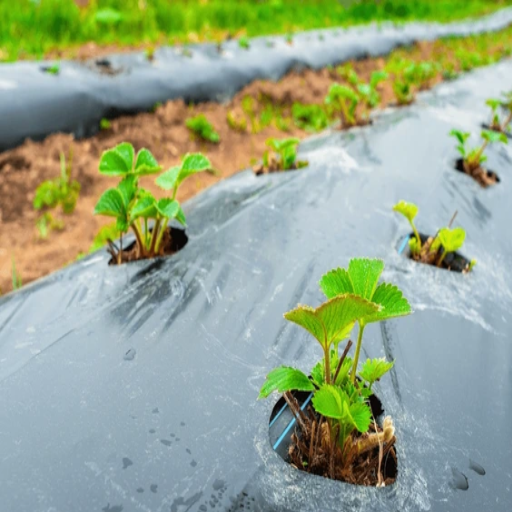
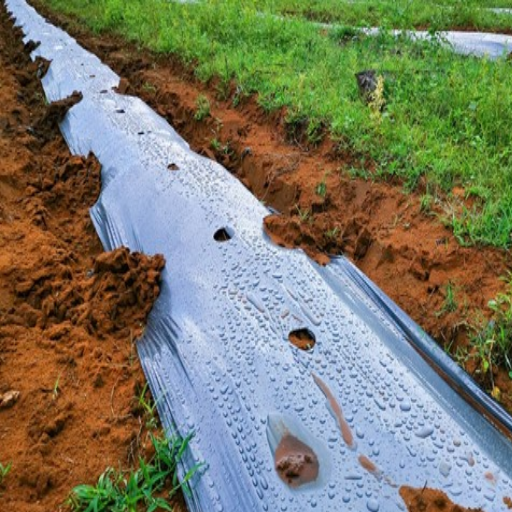
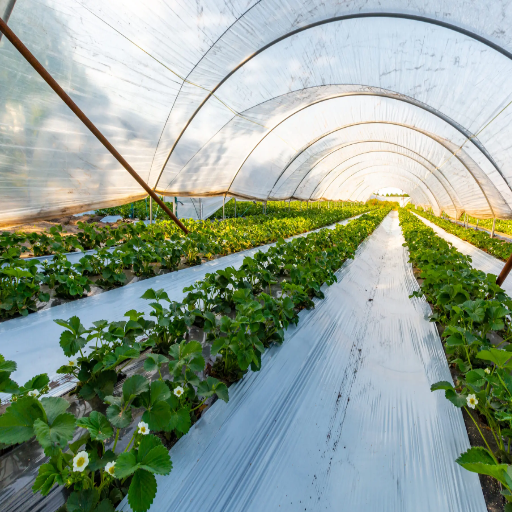
Film mulch coats the agricultural area, primarily helping prevent soil erosion and hence having three major positive aspects. The films provide suitable conditions for the growth and development of the plants, which in turn enhances crop yield and productivity and reduces the use of chemicals for weeding. Mulching films are available in varying thicknesses and colours, allowing farmers, who opt for it, to choose, with their particular crop and weather conditions in mind.
🏡
Greenhouse Covers
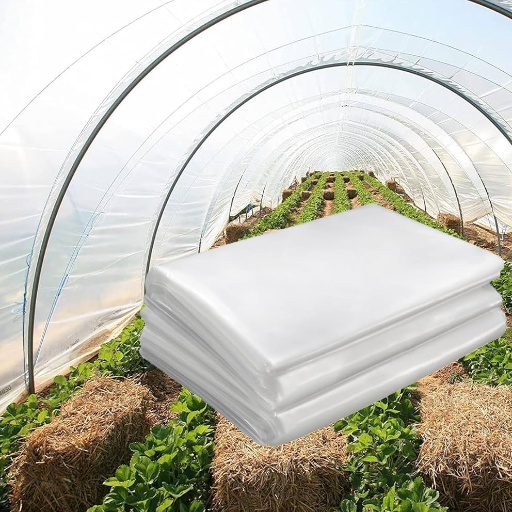
Greenhouse covers function as specialized films that control light passage and greenhouse temperature and humidity levels. The films use permanent polymer materials such as polyethylene and polycarbonate, which include UV protection for extended product lifespan. The advanced models of this system provide anti-condensation and light-diffusion features, which create optimal growing conditions for plants that sustain high-value horticultural and floricultural activities.
🌾
Silage Stretch Wrap
Silage stretch film is used for wrapping silage, hay, and other green fodder crops so that they remain airtight at all times. These plastic films help in erecting a barrier against air and water infiltration, and hence, the hay can be preserved by controlled fermentation. Silage wrap polyethene films have multiple layers along with great tensile strength and puncture resistance, which helps farmers cope with livestock feeding and waste minimization.
Importance of Sustainable Agriculture and Waste Management
Sustainable farming is enhanced by the silage stretch wrap practices, as there is minimal feed wastage and deterioration of stored fodder. The practice brings about the effectiveness of livestock production systems. The wrap is able to maintain airtight seals, therefore eliminating losses through contamination by oxygen or microbial activity. Therefore, there is less feed being used. The system optimises the manner in which resources are utilized, hence lowering emissions. Modern-day silage wraps are biodegradable and recyclable, contrary to the case of original wraps, which allow waste management systems and reduce the adverse effects of agricultural plastic pollution. The requirement of having it be tough, reusable, and efficient emphasizes its significance in promoting farming techniques that do not rely on non-renewable energy sources excessively.
🌍
The Environmental Impact of Agricultural Film Usage
🌡️
GHG Emission Reduction
Modern agricultural films have been proven to reduce greenhouse gas emissions empirically. Their crop quality is maintained, thereby minimizing storage losses and transportation costs. There is also reduced demand for processed food, which is associated with lower energy production and fewer emissions across all the processes of the supply chain. Additionally, there are existing recyclable and biodegradable film options that add value to environmental conservation against plastic waste.
💧
Resource Efficiency & Sustainability
Contemporary agro-films are designed to help use limited resources of water, fertilizers, and soil, therefore, reducing the amount of input required for farming. These agricultural methods attain their objectives because they reduce any adverse environmental effects of the farming process. Recyclable and recyclable films allow farmers a chance to start using waste minimization and reuse, which reduces their dependence on conventional waste handling and disposal systems and helps to protect the environment from plastic dangers.
⚠️
Challenges in Implementation
Eco-friendly agricultural films are beneficial and should be adopted by all; however, there are a couple of barriers faced by small-scale farmers that hinder such a practice. There should be regulations for more sustainable agriculture, which would include government support such as incentives and subsidies, and enhancing education. This will help to address such barriers.
Challenges Posed by Used Agricultural Plastics
The problem of increasing agricultural plastics that are discarded on land and sea constitutes a significant threat to the environment, besides challenging operational capacity. It is polyethylene films that are most commonly used in agriculture, which do not break down and remain in the environment permanently, creating an aesthetic as well as a degrading problem since these materials tend to accumulate in soil and water ecosystems. Gas emissions with toxic components, such as those caused by burning or the mismanagement of materials, add more than just waste to our environment; instead, these gas emissions aggravate the plight of the environment further. Application of plastics in most agricultural soils deforms the clay soil texture because plastic hinders the flow of water or the growth of plant roots, hacking productivity. The presence of contaminants such as dirt, pesticides, and organic matter in the agricultural plastic waste renders the plastic recycling process more complex, hence leading to waste management issues that involve cost and time factors. The present issues call for swift resolution to the disposal mechanisms by adopting new ways to use and dispose of biodegradable Materials and expansion of recyclable services in order to minimize adverse economic and health impact.
The Role of Recycling in Reducing Agricultural Plastic Waste
An efficient mechanism for the management of agricultural plastic wastes involves recycling. This process enables recycling agricultural films and drip/lay flat irrigation pipes, helps ease climacteric phenomena, and reduces the amount of plastic flowing into aquatic bodies. Recycling calls for the engagement of real persons aiming to deal with materials like plastics from all the dirt, soil enhancement chemicals, and plant residues that such emecues carry. Scholars are involved in research work aimed at exploring innovative technologies such as chemical recycling and pyrolysis to reclaim agricultural plastic waste. The establishment of regional storage facilities, complemented by bounties to the farmers, can significantly enhance the recycling activity. If such measures are taken and new recycling technologies are introduced, the use of plastic waste in agriculture will become more environmentally friendly.
Key Statistics on Agricultural Plastic Waste Globally
| Metric | Data / Finding |
|---|---|
| Annual global plastic consumption (agriculture) | 12.5 million tons (films, irrigation pipes, nets) |
| Share used for plastic mulch films | ~43% of total agricultural plastic |
| Plastic waste in developing nations per year | ~6.5 million tons; mostly improperly handled |
| Europe’s share of global agricultural plastics | ~30%, generating ~1 million tons of waste/year |
| European recycling rates (by country) | 20%–50%, depending on infrastructure availability |
📌 Key Finding: Agricultural plastics are contaminated by dirt, chemical residues and organic matter and cause trouble in recycling calling for the introduction of improved recycling systems. Effective waste management of agricultural plastic entails two critical considerations: efficient collection and proper recycling.
⚙️
How Agricultural Film Recycling Works
The process of agricultural film recycling includes multiple essential steps that guarantee effective material processing through sustainable methods. First, the films are collected through specialized collection systems designed to handle the high contamination rates typically associated with agricultural plastics. The collected materials undergo pre-treatment processes, which include washing and shredding to remove all soil, chemical, and other impurities. The facility uses advanced separation technologies to sort plastics according to their specific types and quality levels.
Before any recycling takes place, plastic films have to undergo pre-treatment, where impurities are eliminated before the conversion of recovered films through either mechanical or chemical recycling takes place. In mechanical recycling, everything begins with the melting down of materials, which are then molded by companies into pellets to help manufacture new products out of plastics. Chemical recycling helps in the breaking down of polymers back to their original molecular structure, and this assists in the production of high-quality plastics that have anatomical properties comparable to those where Canabaud occurred. This is how circular aspects are included in an agricultural film recycling, i.e., the circular economy, because these technologies and systems serve to decrease waste.
Step-by-Step: Collection, Cleaning & Preparation
- 1
Farmer Storage & Segregation: Farmers store and segregate plastics, which include films, nets, and pipes, according to their material type and cleanliness standards, to reduce contamination risks.
- 2
Collection via Specialized Programs: Collection processes are usually conducted through specialized programs or local initiatives, which create drop-off sites and arrange for pickups from customer locations.
- 3
Sorting at Facility: The collection process delivers plastics to facilities that contain advanced technology for sorting operations. The facilities use mechanical separation methods together with optical sorting systems and density-based techniques to classify materials according to their polymer content and product quality.
- 4
Pre-Shredding: The process continues with pre-shredding, which breaks the films down into smaller pieces that are easier to handle.
- 5
Washing Stage: For the washing stage, a combination of highly pressurized water jets, mechanical washers, detergents, and surface active agents is used in order to ensure the removal of dirt and contaminants that are deeply adhered. More sophisticated washing systems employ tanks where floating and settled contaminants are separated from plastics, and the heavier particles are allowed to sink, whereas the lighter ones are extracted by floating.
- 6
Drying & Pelletization: The washed, cleaned films proceed to the drying unit, which can be considered one of the most important aspects as far as drying and post–drying stages are concerned. The primary purpose of this is to make sure that the quality of the recycled materials is preserved, which is necessary to reach the correct standards of the use of natural raw materials in the industry, with the possibility of reuse of the materials.
Recycling Methods: Mechanical vs. Chemical
| Feature | Mechanical Recycling | Chemical Recycling |
|---|---|---|
| Process | Collection, cleaning, shredding, reprocessing — no chemical structure change | Pyrolysis, depolymerization, or gasification — breaks down to molecular/monomeric forms |
| Output Quality | Secondary raw materials (packaging, containers, textiles) | Virgin-quality materials, including food-grade plastics |
| Cost | Lower cost, more accessible | High cost, resource-intensive |
| Best For | PET, HDPE, and PP materials | Contaminated or hard-to-recycle waste |
| Key Challenge | Contamination and material degradation reduce output quality | Serves as a backup system; not a primary method |
🔄 Combined Role: The global recycling system depends on both methods because they create methods to reduce plastic waste pollution while supporting circular economy development.
✅
Benefits of Agricultural Film Recycling
🌿
Environmental Benefits
Agricultural film recycling helps address the issue of plastic waste, which otherwise would end up unused in landfills, because it creates plastic waste that is harmful to both the soil and the water, as well as prevents plastic waste from going to landfills. It reduces the emissions of greenhouse gases because there is less demand for the production of plastic material, thus artificially decreasing the consumption of fossil fuels.
💰
Economic Advantages
Farmers obtain cost benefits from agricultural film recycling because it provides them with ways to handle their used plastics, which would otherwise result in disposal fees. It creates a secondary market for recycled materials, which develops economic activities through its support of the recycling industry.
🔄
Resource Conservation
Agricultural film recycling recovers plastic materials, which they use to create new products while decreasing the need for new raw material acquisition. The practice of resource preservation follows circular economy principles because it maintains resource value until resources reach their complete lifespan.
Reduction in Landfill Waste and Environmental Pollution
What is Agricultural Film Recycling? It is the act of saving the greater part of the used plastics from the rubbish bins in order to ensure greater waste management in the landfills. This process avoids and reduces the harmful influence that waste plastics have on the existing environment because they decay very slowly and generate harmful plastics and dangerous chemicals in the surrounding vicinity. Also, the process cuts down the burning of plastics, which removes them from the carbon dioxide and aerosols that are emitted in the air during waste burning. Agricultural plastics recycling means an improvement in the quality of soil and water, from less pollution through more effective waste handling systems and technologies.
Economic Benefits for Farmers and Industries
If farmers collected and recycled agricultural films after use, they would considerably help themselves and the corporate world at large. To the farmer, recycling helps as costs such as those paid for land filling or incineration services get eliminated. Recycling programs help in more ways than one, as the services offered are similar but at a reduced cost, and hence internal funds on operational expenditures improve. In the case of industries, such recycled agricultural films give the industry a cheaper option of secondary raw materials, such as plastic pellets used in the process of recreating products. This technique reduces the manufacturing cost and applicable plastic content while enhancing the supply chain sustainability components. The lifting of unemployment in collection, processing, material regeneration, and other recycling plant roles is another dynamic economic condition fostered by the recycling society.
Contribution to Creating a Circular Economy in Agriculture
In a world struggling with overpopulation and space constraints, the agricultural industry can play an essential part in the development of a sustainable economy. It does this through natural, friendly practices that diminish waste and enhance resource allocation. The current aim is to, first of all, collect organic pre-consumables, and together with crop remains, manure, not leaving out wastes such as kitchen refuse, they recycle them into compost or bio-fertilizer; these steps are beneficial to the soil, leading to less reliance on inorganic fertilizers. Precision agriculture and circular systems optimize the use of available resources without wasting energy through watering and nutrient application to wasteful levels. Also, Agricultural circular economies employ green energy technology such as biogas obtained from waste from the farms, operating their machinery there by minimizing carbon emissions. Such practices reduce the negative environmental impact and increase the vigor of the agricultural system or its profitability. While closing material loops and utilizing renewable resources, it is possible to obtain sustainable food production in agriculture – a solution that involves the support of global efforts towards preventing loss of biodiversity across the globe and combating the effects of climate change.
🚧
Challenges in Agricultural Film Recycling

The main obstacle that hampers agricultural film recycling efforts resides in contamination problems. The cleaning and sorting operations face difficulties because agricultural films become extremely dirty with soil and pesticides, together with organic materials. The different types of films contain multiple polymer materials and additional components, which create recycling difficulties because each recycling material needs its own special processing method. The absence of proper collection infrastructure in various locations results in residents discarding used films through improper methods, which include incineration. The low market demand, together with unstable recycled plastic prices create economic challenges for recyclers, resulting in decreased funding for agricultural film recycling projects. The material design challenges require solutions that need better collection systems and recycling incentive programs for recycling activities.
🧪
Contamination Issues
Organic debris such as soil and pesticides, as well as crop residue, also get mixed up in the films during their life usage, which makes it necessary for the washing and separation techniques to be repeated over and over again, which increases the difficulty of the process and the cost of recycling.
🏗️
Technology & Infrastructure Gaps
Presently available recycling technologies and infrastructure systems can’t manage materials that possess complex structural arrangements or are laced with contaminants. The lack of unified guidelines on sorting and collection of materials poses a great challenge in attaining very high recycling rates.
💸
Cost & Logistics
The collection requires specialized equipment and labor. Transportation costs increase because films are large and lightweight. Advanced cleaning machinery increases pre-processing costs. Unstable market prices for recycled resin reduce financial viability.
Contamination Issues in Used Agricultural Plastics
Previously inserted agricultural plastics accumulate contaminants, particularly due to remnant organic material, including earth and chemicals, as well as plant residues adhering to the surfaces of the films. Multiple washing and separation procedures are essential for cleaning and recycling operations due to the contamination, which makes the process much more difficult than expected. Effective sorting and recycling operations become problematic due to the presence of various plastics in agricultural use. They usually include polyethylene (PE) and polypropylene (PP), which makes them suitable for different applications. More so, the process of recycling products turns into an uphill task due to the presence of different polymers in the products or different layers of materials within one product. The presence of non-recyclable material like metal staples and ropes, as well as plastic waste, increases the level of contamination, and therefore, the cost of effective recycling becomes unsustainable and practically impossible. The solution to the existing issues calls for improved cleaning methods as well as better-designed agricultural plastic for easy collection and efficient sorting at the collection points.
Current Limitations in Recycling Technologies and Infrastructure
These technologies and their respective infrastructure systems, even as it is known at present, cannot manage materials that are composed of various types or structured in such a way that there are still contaminants present, hence one of the main problems facing those concerned in the recycling business today. It is less efficient to follow the cost per ton market due to the reason that there are no collection or separation standards for the materials, making it cumbersome to maximize recycling processes. The solution lies in the investment within the system for new technologies and research in terms of composing methods for different materials, as well as working together to create operational standards among interested agencies.
Cost and Logistics of Recycling Agricultural Films
Given the type of material and the operations needed, recycling agricultural films is a process that is dependent on both money and resources. The expense of reclaiming used films is a major component of this, as specialized tools and manpower are required to collect, wash, and classify wastes that are mostly plastic with severe levels of contamination in most cases. The shipment costs also balloon as the films need to be loaded in compressed form, and yet they are also too bulky and too lightweight. The machines used in cleaning and pre-processing of agricultural films are sophisticated and, as such, require more time in operation because they have to filter out several contaminants, such as soil and other organic matter.
Recycling systems that operate at economic viability require both market conditions and the existing demand for recycled plastic resin. Industries must invest in centralized collection points and establish scalable logistics systems to reduce transportation costs. The cost-effective recycling of agricultural films requires organizations to collaborate through subsidies, public-private partnerships, and regional recycling centers. The organization of complete strategies that combine these components will help solve economic and logistical challenges while creating better recycling methods for agricultural films.
Conclusion
Agricultural film recycling stands as a vital pillar of sustainable modern farming. By redirecting plastic waste away from landfills and transforming it into reusable raw materials, the practice protects ecosystems, empowers farmers economically, and advances the circular economy. While challenges in contamination, infrastructure, and cost remain significant, the combination of advanced recycling technologies, government incentives, and cross-sector collaboration offers a clear pathway toward a cleaner, more resource-efficient agricultural future.
Reference Sources
Cornell University – Recycling Agricultural Film Plastic: Best Management Practices
This resource offers insights into best practices for recycling agricultural plastics, challenges, and emerging technologies.
Retech Machine – Agricultural Film Recycling Guide
This guide provides a comprehensive overview of the recycling process, machinery, and technologies involved in agricultural film recycling.
Frequently Asked Questions (FAQs)
What is the recycling of agricultural film, and how does the recycling process work?
What is Agricultural Film Recycling? The practice of recovering and reusing covers from greenhouses and shielding film from other materials begins with collection. The procedure includes washing, which can be practiced hot or with friction for the removal of dirt, pest chemicals, and organic waste before sieving processes for fines and pelletizing or extrusion of the clean flake into usable recycled pellets either for downstream or for mixing with new plastics.
What recycling equipment and machinery are used in agricultural film washing and recycling?
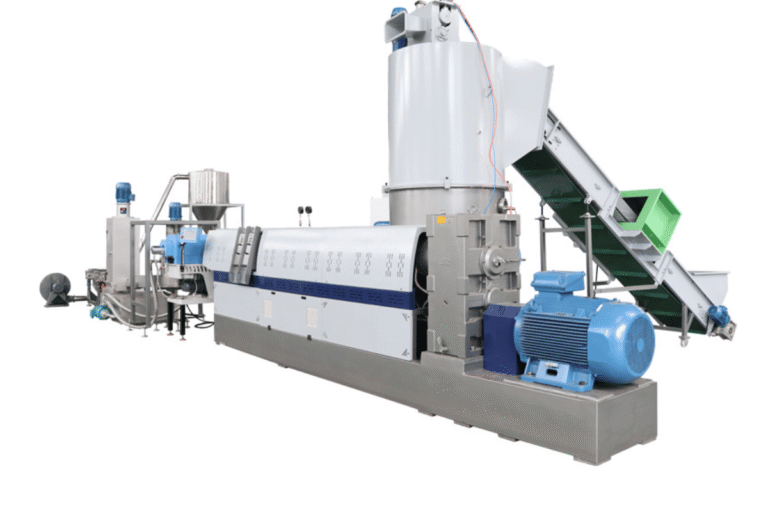
Recycling of plastic films is carried out using normal machines such as balers to Bulike baled collected films THAT can be shredded or granulated to form flaked films, hot and friction washers, water management, as well as filtration systems, drying, extrusion or pelletizing, and finally some of these pellets will be packed downstream. There are some other machines, such as conveyors for handling the materials, screens or sieves, and heavy-duty defense against stones or metal that are also needed in this process. Mainly, it becomes difficult when the companies do not incorporate special machines with a well-designed line for recycling purposes.
How does washing, recycling, and pelletizing remove contaminants and produce recycled pellets?
The pelletizing process of washing and recycling involves several stages, including friction, chemical or hot washing to remove surface residues and soiling, and finally, through filtration and drying, breaking down the material. The clean film flakes are fed into an extruder, which performs the operation of melting and filtering along with the optional dispensing, and then goes through a pelletizer in order to produce the recycled pellets. For the production of recycled pellets, this is suitable for mixing with virgin plastic or using it for the development of new products; appropriate filtration, moisture management, and additives are important.

Trending now