Get in touch with Kitech Company
How to Choose the Right Woven Bag Washing Line


For recycling woven bags, one cannot afford to compromise on the efficiency or precision. The backbone of a recycling process is represented by a good-quality woven bag washing line. This enhances productivity inasmuch as it ensures that the recycled material indeed adheres to the strict standards of the industry. Nonetheless, myriad possible options may make it difficult to decide on the right kind of washing line to acquire. This paper aims at shading light on various aspects that need to be put into consideration, ranging from operational demands to technical features, in order to make the right choice or judgment towards such an investment. This is the manual for you if you need to augment the scale of your recycling department or if you need to refresh some old machinery. Proper knowledge about this will help one make a wise investment decision.
Understanding Woven Bag Recycling Systems
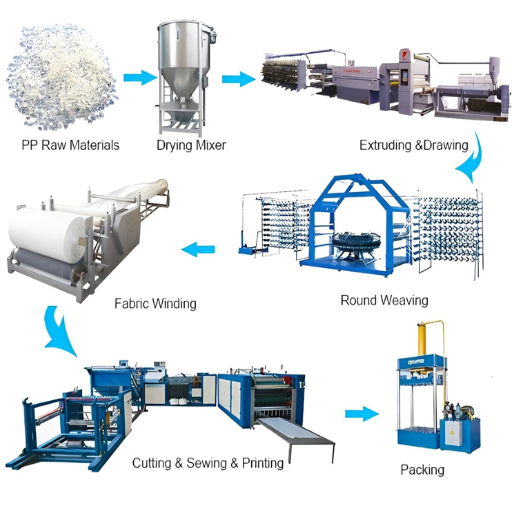
Repurposing services for used woven polypropylene (PP) bags, also known as woven bag recycling systems, work to save as much raw material as can be reused in the future. Most woven bag recycling systems have three major parts:
STAGE 1
🔍 Pre-wash and Sorting
This initial step is important in getting rid of dirt, foreign materials, unsuitable, and inappropriate items, thus reusable items are separated from the entire waste. In some cases, there are automated sorting systems, and they are advantageous in terms of their accuracy and effectiveness.
STAGE 2
🌊 Shredding and Washing
The bags are broken down into smaller pieces and then thoroughly cleaned to get rid of any contamination left over. The high-speed cleaning washes ensure that the recycled material is of good quality.
STAGE 3
⚙️ Pelletizing
After the wash, the chips are fed to a pelletizing machine for suitable compaction, where raw materials are converted for new manufacturing. All three stages are vital to preserve the properties of the construction materials and optimize their applications in recycling.
Importance of Recycling Woven Bags
When you recycle woven bags, it helps to limit adverse environmental effects and consumption of raw materials. Polypropylene (PP) is the fabric that is commonly used to make woven bags, as they are tough and widely used in agriculture, construction, packaging, etc. Recycling of such bags cuts down on the size of plastic waste at landfills as well as prevents environmental pollution through reckless dumping. Moreover, it spares the construction of pp woven bag pelletizing machine plants that generate fresh material and the energy-intensive machinery that powers them. This aids in reducing emissions of greenhouse gases.
In addition, synthetic fibers extracted from used woven bags can be innovatively used to make fresh products such as composite containers, furniture, or even a variety of woven bags, hence augmenting the circular economy. Developing a culture of recycling reduces the impacts of microplastics in the environment, particularly in water bodies, and advances the agenda of sustainability within organizations by lowering their carbon footprint. To conclude, a strong woven bag recycling system remains imperative in the pursuit of waste management, in energy consumption, and surmounting sustainability issues worldwide.
Overview of the PP Woven Bag Washing and Pelletizing Processes
The roles of washing and pelletizing of polypropylene (PP) woven bags in recycling are particularly important, as they help the material to be recycled and reused in different industries. The process involves the following basic steps:
1
Cleaning / Pre-Cleaning
PP woven bags that have been gathered need to be sorted either manually or mechanically to remove any impurities, such as metals, papers, or other plastic materials that are not PP. Then they go through a prewashing stage where they are cleaned of loose dirt, sand, and oil in order to provide a cleaner product to be used later on.
2
Shredding / Size Reduction
Once the bags have been cleaned, they are put into a shredder or crusher to reduce them into small flakes. This process increases the surface area penetrated by the washing solutions in the next stages, and ultimately helps to remove the dirt more effectively.
3
Friction / Turbo Washer and Hot Wash
Both high-speed friction washers and hot washing systems treat shredded flakes. While surface contaminants are removed by friction, cleaning solutions and hot water help soften and remove sticky components such as heavy oils, glue substances, and biodegradable matter completely washed away. Continuous filtration of the water is crucial in sophisticated washing systems so that the cleaning remains effective.
4
Rinsing and Drying
Upon completion of the cleaning process, any remains of chemical solutions, as well as contamination, are flushed out of the materials by rinsing with clean water. Effective drying technologies are embodied in appropriate drying systems that include centrifugal and hot-air dryers that are used to decrease moisture on the flakes to an allowable level for extrusion.
5
Extrusion and Pelletizing
In an extruder system, the dried PP flakes are melted and homogenized. In the molded state, the material is passed through a filter to remove every particle present before being cut into pellets of desired sizes using water-ring pelletizing, strand pelletizing, or die-face pelletizing. The pellets can then be transported in bulk or reintegrated into finished products.
6
Quality Inspection and Storage
Pellets are subjected to various quality control measures to ensure that they are uniform, clean, and of appropriate shape. If found OK, these pellets are kept in suitable environments to avoid any possible contamination factors until they are due for release.
Such processes work in conjunction with each other to help in the efficient conversion of PP woven bags into finished recycling pellets, which are designed with their versatility for use in numerous industries all over the world, as well as caring for the earth.
Key Machinery Involved, Including PP Woven Bag Pelletizing Machines
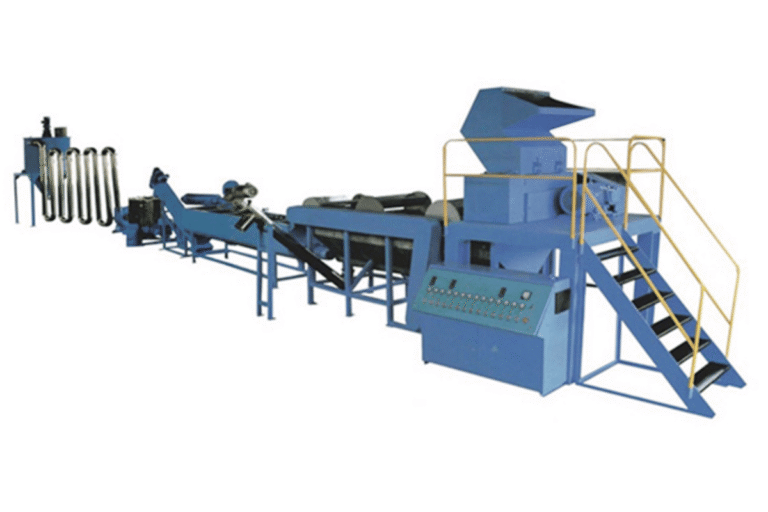
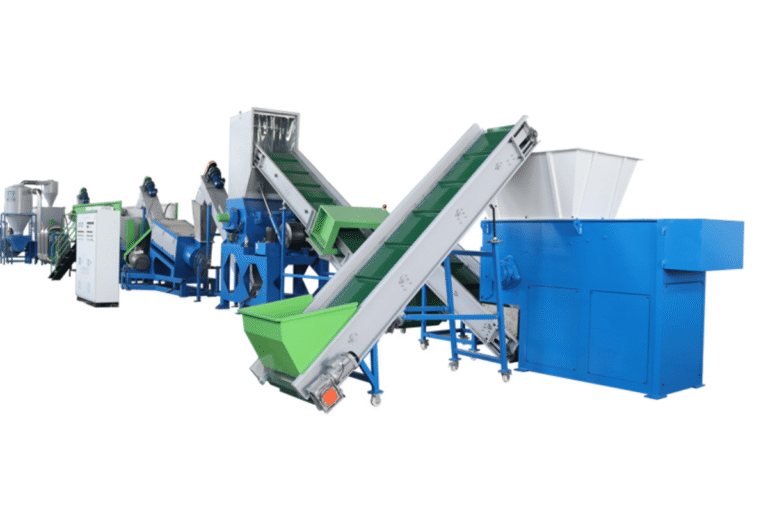
The production of high-quality reprocessed PP granules from recycled PP woven bags encompasses multiple stages for size reduction, cleaning, drying, and pelletizing that is only achievable through innovations in equipment fabrication. Most notably, it includes the following:
Furthermore, they all work in harmony to ensure that any disposed of PP woven bags can be turned into usable pellets for injection molding, film extruding, and other plastic-making processes. It is of paramount importance that all pp woven bag pelletizing machines and their accessories are properly set up and function accordingly to help maintain the good quality of the products.
The Role of PP Woven Bag Pelletizing Machines in Recycling
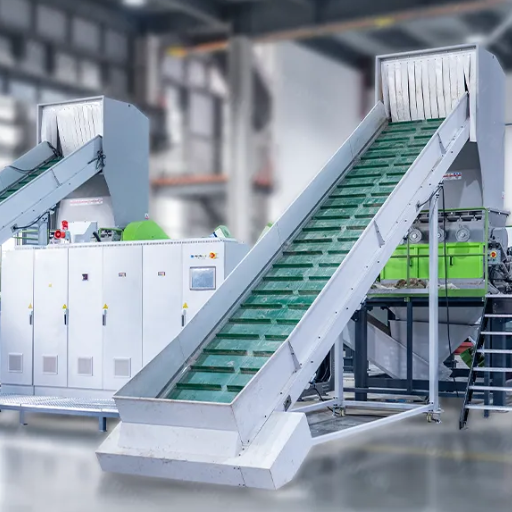
The significance of plastic recycling in waste management has led to the invention of PP woven bag pelletizing machines, which help in the conversion of waste plastic into industry-rated plastic pellets. The installation of these machines ensures efficient recovery and utilization of material for the production of plastic. Such approaches aim to reduce wastage, decrease the impact of greenhouse gases, and facilitate an eco-friendly society by recycling polypropylene, which is used in various processes in the manufacturing of goods. Effective use of updates of such systems will enhance the recycling capacity, which is in line with the global efforts to address plastic pollution. Quality of the output and optimization of the resources are secured with the help of accurate machine adjustments and proper maintenance procedures.
Functionality of Pelletizing Machines
Extruders are an essential part of any plastic waste recycling system, squeezing a learned polymer – for example, polypropylene – into very useful and uniform pellets that can be used in other manufacturing processes. The function of these machines is to melt the plastic materials and extrude them in the form of strands through a die plate, then cut the strands into uniform-sized pellets. The process can be broken down into three distinct stages: feeding, extrusion, and pelletization — all of which must be conducted under pre-set conditions of pressure, temperature, and machine effectiveness, otherwise the expected results will not be achieved.
User-friendly pelletizing systems today offer multifunctionality for applications connecting many material viscosities and compositional diversity. As appropriate, including the water-ring, strand, and underwater pelletizing systems, more advanced features are included in these systems. They help achieve accuracy in pellet size control, minimize power consumption, and enhance process efficiency. Moreover, these options have a modular structure that does not hinder any of the recycling processes until they are worn out, and also allows for easy maintenance, especially for the optimal efficiency of changing materials.
Benefits of Incorporating Pelletizing into Washing Lines
The inclusion of pelletizing systems in recycling washing lines simplifies the entire process of plastic material to several important benefits. The first is that it should improve the homogenization of material in general and the quality of the product for further use. This is to say that high-quality products can be obtained only when there is uniformity in the production of the products. The second is that pelletizing reduces waste material into recycled plastics in granule form, which is very easy to handle without any difficulty. Granule plastics after recycling and processing are stable and ready for storing and transporting, as well as processing activities. Finally, what these pelletizing systems do after extruding is to reduce moisture so as to enhance extrusion and mold injection productivity, thus saving costs and energy for production. Recording all these advantages for recycling, a sustainable and thriving business model can be developed.
Compatibility with Different Materials and Washing Lines
Present-day pelletizing mechanisms are flexible enough to cater to any material, be it PP, PE, PET, or any other type of plastic. Such a flexible system allows the effective processing of different recycling materials such as articles, films, and fibers. Most importantly, the designs of these systems consider different types of washing lines, including cold or hot wash, float sink, and friction washers, and allow integration into any of them. The latest material drying systems, which are compatible with the standard ones and more advanced ones, are used in moisture control treatment and pellet production as well. Moreover, these pelletizing systems are of great use in accommodating both conventional and advanced layouts, thereby providing versatility during expansion of an operation, depending on the specific need, as well as increasing the efficiency of the process.
Key Factors to Consider When Choosing a Woven Bag Washing Line
While buying a pp woven bag pelletizing machine washing line, one should ensure that the following variables are considered to make sure effective processing with no downtimes:
📊 Processing Capacity
Identify the page, the page’s length, and the space it will be covered with no impediment tone.
🧪 Material Compatibility
Check if the washing line can process the specific materials of woven bags or the material to be rinsed, including the level of contamination.
⚡ Energy Efficiency
Ensure that the system offers the lowest energy consumption in order to save on the running cost, and does not sacrifice washing efficiency in any way.
🤖 Technology Integration
Find out if the washing line incorporates friction washers, improved drying systems, or automated controls, among other capabilities.
🔧 Durability and Upkeep
Consider machinery made of durable material and simple engineering for ease of upkeep and durability in use.
📐 Space Constraints
Consider the size of the wash line in relation to the space available in your establishment, and whether there shall still be sufficient space for functionality and service.
Taking an approach of such considerations makes it possible for firms to determine the right washing line according to their requirements, optimize performance, and enhance recycling activities.
Capacity Requirements for Industrial or Small-Scale Operations
The need for the capacity for washing lines changes vastly according to whether the performance is for industry or small-scale. For industry performance, the concern in the equipment is high throughput or, where possible, over several tons per hour, because the production and recycling demand is high. This calls for rugged machinery development to run production continuously, improved automation, and very few stoppages. In contrast, the small-scale endeavors are oriented towards cost-saving or flexibility, and the machines usually operate at under one ton per hour. Such systems secure a modular type of design that allows for the option to increase the levels of production, which is performance-enhanced.
One of the primary considerations when choosing the optimal size of the equipment is the assessment of the acceptable input volume and rate of operation while ensuring the possibility of reaching a certain level of quality of processing. Important also is the energy consumption and the cost of production, which should be evaluated with reference to the requirements of the processing plant for it to be cost-effective. This capacity and its constraints will enable the machinery to understand which solutions are so effective at that cost and that level of scale to the solution operators.
Material Specifications and Residue Contamination Levels
When it comes to the installation of process equipment, this equipment also encompasses instruments used in non-technical as well as technical industries. With respect to the industry particle size, shape, temperature, and moisture content, competency with the requirements of these systems is surely expected, as it can render the system dysfunctional due to poor installation. Each incident of upset must have the residue level identified, quantified, and, where possible, stopped at the source in order to minimize equipment downtime, rejection of products, or violation of regulations. It is advisable that the operator processes his wastes, such as dust, biological residues, or hazardous residues, at the end of the process.
Removing residues from materials to acceptable limits before they reach the main process line makes their deliberate successful processing possible and is accomplished through the use of careful precautionary cleaning, sorting, and separative technologies. Ensures best practices, includes regular measurements and timely corrections of technological and operational settings in relation to the contamination level in order to preserve reliability and specification. This helps maintain production within the requirements of the particular technologies being adhered to, ensuring the level of throughput is increased without causing defects in the product and causing wear to the equipment, such as within the economic targets set.
Energy Consumption and Operational Efficiency
Reducing the consumption of energy is imperative in manufacturing to cut down expenses and decrease the pollution caused by the activities. Most notably, it involves investing in better equipment, consistent checkups to avoid wastage, and using intelligent systems for managing and controlling energy consumption. Furthermore, automation tools may also prove advantageous, considering their capacity to increase the efficiency of the process by cutting down the excesses and saving energy. Benchmarking of energy-consuming processes enables the identification of areas that are not economically viable for a quick fix after making recommendations based on reliable data. These approaches can lower the use of power and also help in meeting the requirements for sustainability at the same time.
Steps to Optimize a PP Woven Bag Washing Line
Step 1 — Conduct Process Audit
Start by analyzing the washing line as a whole, examining where energy or water overconsumption occurs to a great extent. Record the areas of inefficiency and clogging to concentrate effort on smoothing.
Step 2 — Advance with Equipment Replacement
In case there is an old machine, then replace it with a more efficient one, especially for vital parts like crushers, dewatering machines, friction, etc. Make sure that all the machinery is up to date.
Step 3 — Introduce Water Recycling Technologies
In order to reduce water usage, install state-of-the-art water cleaning and recovery units. Apart from the obvious advantages, this strategy also helps to cut the costs of working overtime significantly.
Step 4 — Improve the Flow Design
Assess the configuration of the washing line and re-engineer the processes to reduce unnecessary operations, viz., handling or transferring material. Combining equipment can result in efficiency improvements and less idling.
Step 5 — Implement Enabling Automation
Add an integration of automation systems such as conveyors, sensors, and programmable logic controllers (PLCs) to enhance quality. This also reduces the amount of work done to intervene manually as well as errors committed.
Step 6 — Prevent Equipment Reservoir Failure
Allocate a preventive maintenance mechanism to each production line in order to avoid the risks associated with poor machinery performance. Health monitoring equipment allows recognition of breaks, degraded and asynchronous working components well in time, thereby preventing such expensive unscheduled downtimes.
Step 7 — Enhance Skill
Maintenance as well as machine operators should make it a habit to attend such sessions, which will help them to know how to organize and carry out operational and remedial activities on the equipment in order to sustain its performance as well as its lifetime.
With the help of these features, it is possible to improve the efficiency of the pp woven bag pelletizing machine at these amenities whilst cutting down on costs and the pollution caused.
Pre-washing Preparation and Sorting Techniques
To achieve the highest quality in washing PP woven bags, it is indispensable to ensure prior sorting of the bags and preparing them for washing. The following best practices are offered for the operation of these functions based on available professional literature:
- Inspection of Material and Eliminating Loose Dirt: Each PP woven bag batch before its recycling should be examined for any non-PP contents to remove dirt, biodegradable waste, or even hazardous elements. This kind of removal system also protects the system from wear and tear and increases the quality of the recycled product.
- Material Sorting: Put the washing bags into draw mats based on the type of material, color, and age contamination levels. Hindering considerably filthy or wax bags from relatively cleaner ones ensures that pre-cleaning guidelines are applied where needed in order to better manage the resources.
- Cleaning Mechanically: Loose dirt and sand, along with other small particles, should be removed using air blowers, mechanical shakers, or screens. It helps avoid overloading the downstream washing equipment and reduces the consumption of water and detergents.
When all of these elements are employed within a facility, it helps in proper inspection followed by perfect classification and pre-cleaning methods; therefore, facilities can optimize pre-washing operations, streamline work processes, and achieve higher grades in the wash after the wash.
Integration of Advanced Water Filtration Systems
Advanced water purifiers and filters that considerably increase the operational efficiency of water-based industrial processes are now being implemented in conjunction with large washing processes. Reverse osmosis systems, ultrafiltration systems, and active carbon systems effectively remove impurities such as sediment, oils, metals, and other chemical components from water. With the help of these systems, water can be used more than once, thus significantly decreasing the amount of wastewater, such as discharge that needs to be treated before it leaves the processing plant.
Newly developed innovative filtration systems can be tailored to suit different industries, thereby addressing environmental concerns, especially in the use of fresh water. Then again, coupled with monitoring gadgets and automated control systems, it is possible to tailor water quality measures within the process and prevent system breakdowns. Erasing the need for these technologies, one can reach the same goals to use less water in a more eco-friendly way when washing components at the facilities.
Maintenance Practices to Ensure the Longevity of Equipment
Structured maintenance processes should be adopted for the minimum wear and tear of machinery over time. To begin with, routine inspections need to be done to check for such things as wear, corrosion, or misalignment before they become expensive to repair. Lubrication intervals need to be observed to avoid wear and tear of the moving parts in a machine system. Furthermore, cleaning activities are very important in eliminating any dirt, debris, and other foreign materials that may cause the machine not to operate.
Anticipation of issues through scheduled, preemptive measures that achieve restoration measures like the replacement or adjustment of machine parts should be the primary aim of a preventive maintenance program. Diagnostic and condition-monitoring devices, the likes of vibration analysis or thermal imaging, provide precision which makes it easy for measures to be taken at the appropriate time. The operators must also be trained on how to use the equipment and spot the minor defects of a pp woven bag pelletizing machine. Proper record keeping of all scheduled and outstanding maintenance helps to maintain records and identify which issues are on the rise, thereby enhancing the productivity and reliability of the system.
Economic and Environmental Benefits of PP Woven Bag Recycling Equipment
💰 Economic Benefits
- Cuts raw material costs by converting waste PP into usable materials
- Minimizes use of virgin plastic and production costs
- Income realized from selling recycled products
- Creates new employment opportunities in recycling
🌿 Environmental Benefits
- Reduces solid waste ending up in landfills
- Alleviates pollution caused by plastic disposal
- Lowers greenhouse gas emissions by reducing new plastic production
- Avoids wastage of non-renewable resources through recycling
PP woven bag pelletizing machine gives a huge advantage both to the economy and to the environment. Therefore, the use of this technology aids the cause of sustainable development as it allows growth in the economy without affecting the natural environment.
Cost Savings from Material Recovery
The introduction of material recovery systems really helps companies cut down on their costs of raw materials and the disposal of waste. Some valuable materials like metals, plastics, and paper also constitute sanitization, and after their heating, some fresh materials must be bought. What the business does is recycle such high-priced materials back into the production process, thus lowering the need to purchase such pristine materials. Also, in some areas, landfillings are very expensive, so companies also benefit in that they do not pay as much money as they would have paid, as well as footing other external costs of regulation. With better technology for separating the waste and mechanization of the process as well, complements the otherwise recovery process. This method saves not only resources as much as possible, but also works in a lucrative manner of maintaining the operation sustainably and cheaply.
Reduction in Landfill Waste
Limiting the amount of waste that is taken to landfills comes first, as it helps lessen the effects of global warming and enhances the prudent use of natural resources. Through the use of effective waste management programs and emphasis on recycling, the amount of non-biodegradable materials dumped in waste fields is minimized in order to control waste and build up space more efficiently. This practice is in line with environmental objectives as well as the drive to cut down on costs, proving a dedication to working for better waste outcomes.
Impact on Reducing Carbon Footprints
Diversion of waste away from landfills is one of the most effective carbon abatement strategies, which works by reducing the emission of methane, a strong greenhouse gas found in the process of organic matter breakdown within the landfill. While recycling and composting help to decrease carbon emissions by reducing the amount of energy used in the production of new items from raw materials. Reuse and circular economy, as part of sustainable waste management strategies, lower the reliance on industrial activities that emit high levels of carbon. This synergy works in very measurable, resource-saving, non-deforesting, and minimizing-fossil-fuel-usage ways that encourage the practice of carbon emission reduction proportional across the planet.
Final Takeaway
Invest in the Right Washing Line — Build a Sustainable Recycling Operation
By carefully evaluating capacity needs, material compatibility, energy efficiency, technology integration, and long-term maintenance requirements, you can select a PP woven bag washing line and pelletizing machine that maximizes output quality, minimizes costs, and contributes to a greener, more sustainable future.
Reference Sources
The Product Strength Analysis of Woven Bags Made from Recycled Plastic Wastes
Key Findings: This study explores the use of recycled plastic waste as a raw material for manufacturing woven bags, analyzing the quality and strength of the final product.
A Review of Recycling Methods and Reuse of Carbon Fibers
Key Findings: Discusses the need for continuous flow machines for industrial applications, which could be relevant for pelletizing processes in recycling PP woven bags.
Frequently Asked Questions (FAQs)
How would you define a pp woven bag pelletizing machine? What are its functions?
One apparatus of the pp woven bag pelletizing machine is a highly efficient production system for the conversion of old or used pp woven bags, big bags, and even cement bag cutoffs into pelletized plastics. Within this case, the operation can be as simple as merely changing the blade or a woven bag shredder, washing machine, and dryer, air or any other, the individual screw or separate twin screws degassing and extrusion dry vacuuming, and pelleting ice, especially the water jet or the water cutting complete with the strand. Some departments involve loading of material through the barrel of the extruder, where the material is plasticized, degassed, and extruded before being cut or pelletized to make plastic pellets ready for recycling.
Where does the recycling machinery of woven bags fit in the line of plastic and the whole recycling plant?
The recycling machinery known as the woven bag recycling machine has essential importance as one of the segments of the plants or full lines, including devices like the granulating line that has a conveyor, compactor, belt conveyor, washing machine, and extruder. It is included in recycling systems aimed at enabling high productivity and conserving energy; the entire system, however, needs only systematic arrangement, control of the speed of supply of raw materials, and a metal detector if necessary, to avoid breakdown and serve the granulator and extruder.
For film pelletizing machines or film recycling, what are the types of extruders and pelletizers used?
The basic film is processed by a single-stage extruder, such as extruders, which have been the workhorse for many film pelletizing machines and film recycling lines. The more complex designs for the machines, where contamination and compounding are problematic, are designed with a twin-screw extruder. There is a water ring pelletizer model, strand lines, and centrifugal/plate versions of pelletizers. Factors such as the construction of the die head, vacuum systems, and downstream equipment to dry and pellet the final product influence the overall quality of the pellets at the end.
What do a granulator and a plastic granulator do in a granulating line, as well as in granulate manufacturing?
Both the granulator and the plastic granulator sever woven bags and plastic parcels to smaller pieces known as flakes before an extrusion continues. In order to obtain a uniform extrudate, a woven bag granulator is very often used, then a conveyor belt or chute with a loaded magnet or a typical metal detector. To this end, it should be noted that in such a way, the capacity of the extrusion process increases as a result of the uniform thickness or size of the particles for extrusion; also, such provision allows the extruder to produce and vent better to put forward uniform pellets or plastics granules.
How does a twin screw extruder compare with other options, like a co-rotating twin screw extruder for pelletizing and drying for recycling solutions?
Brought to life by twin screw extruders are greater mixing, enhanced vacuum and degassing performances, and comfort with pure and even tricky raw forms. These, i.e., twin screw extruders, are highly applicable in pp woven bag recycling solutions where there are possibilities of compounding and addition of additives or masterbatch. Twin screw extruders can be combined with a pelletizer and a drying pelletising system, guaranteeing constant pellets and plastic granules with no moisture fluctuations and sufficient thermal post-processing.
What is the scope of maintenance and operational safety features concerning a pp woven bag pelletizing machine and plastic granulating facility?
Some of the most important elements of maintenance and safety are regular inspection of screws, barrels, die heads, vacuum degassing systems, periodic cut cleaning and replacement of granulator blades, as well as controlled feed speeds. Safety devices include emergency stop buttons, metal detection, appropriate safety features for conveyors and pelletizers, and temperature and pressure controls that operate the systems safely. Production efficiency does not decrease when machines are used at normal conditions due to the timely services rendered.
Trending now