Get in touch with Kitech Company

PVC Pipe Recycling: Why It Needs a Dedicated Line

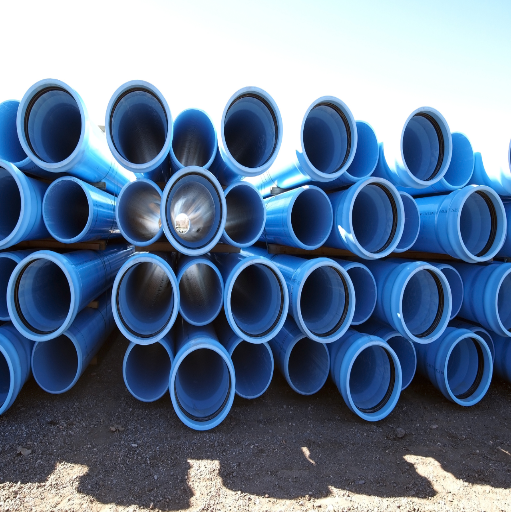
Polyvinyl chloride or PVC is a plastic that is hugely common across the globe within organizations as it is durable, adaptive, and cost-effective. But, when it comes to recycling the pipes made of PVC, certain factors make the recycling process different from plastic in general. The purpose of this blog is to delve into those factors and explain why a specialized line is needed for PVC pipe recycling, highlighting the technological obstacles, prevailing in the environment, and the economy. Knowing the above-mentioned aspects, we are capable of designing better recycling schemes that would reduce losses and achieve the objectives of sustainable recycling of waste products with adequate use of materials made from PVC. No matter if you’re an engineer in the construction sector, an active participant in green solutions, or a decision-maker, this post will engage you and present a straightforward and well-organized explanation of what is blocking PVC pipe recycling and why it is important to have a separate recycling line for them.
01
The Importance of Recycling PVC Pipes
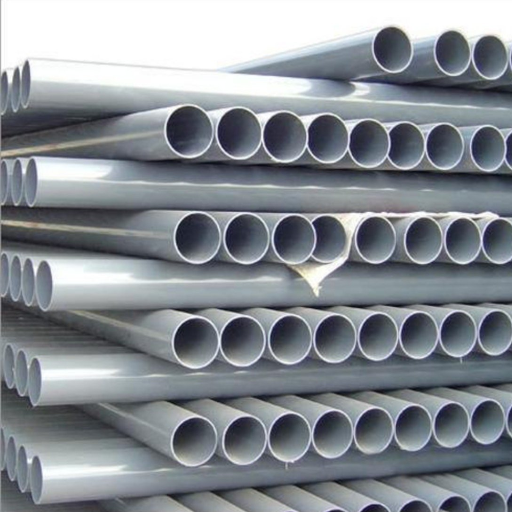
Efforts to reduce environmental damage and preserve scarce resources are incomplete without PVC pipe recycling. It is hard to think of a construction activity without the use of polyvinyl chloride (PVC), which is a strong material, although it consumes a lot of power and resources in its manufacture. Collecting used PVC pipes for recycling is useful in waste gas and solid waste management by reducing landfill waste, lessening the carbon footprint of new PVC, and preventing the overuse of raw materials. Recycling is also beneficial because it enables the continued use of PVC, which has a long functional life. A circular economy thus takes care of, besides enhancing the sector’s sustainability. There are innovations and technologies that help various members of the supply chain in the PVC sector to collect and process waste, causing minimal environmental impact.
Overview of PVC Usage in Construction and Plumbing
Polyvinyl chloride, or simply PVC, is a recognized thermoplastic polymer owing to its versatile and durable properties, besides being affordable. PVC is widely employed in the building industry due to its ability to withstand adverse weather, corrosion, and chemical attacks, thus optimized for use in pipes, window frames, siding, and flooring. It helps in the reduction of replacement of such materials because it is light, thereby easing installation, and it also has a long useful life.
Plastic pipe revolutionized building as it did not react in water, unlike metallic components that easily corrode over time. It is used in cold and hot water installations, sewerage systems, and pressure pipelines for this reason, among others. More specifically, a type of PVC known as CPVC is used in cases where there is hot water because it has better heat resistance properties. Therefore, it is clear that these characteristics make Polyvinyl chloride imperative in today’s infrastructure development because it provides affordable, efficient, and durable solutions. However, society needs to think of the possibilities of PVC pipe recycling due to its extensive utility for many years to come.
Environmental Impacts of PVC Waste
Due to the nature of PVC waste, it is a problem in solid waste management as it is non-biodegradable, and most of the particles can have a very negative impact on the environment during their lifecycle. When not disposed of properly, PVC may remain in the landfill for decades because it contains toxic additives such as phthalates and stabilizers that may leach into soil and water. Also, thermal treatment of waste, especially that consisting of PVC products, generates harmful dioxins and related substances and hydrogen chloride gas, which cause air pollution affecting health as well as the environment. PVC plastic recycling is complicated under normal conditions; its form usually makes efficient processing difficult, and thus, to either downcycle or deposit into landfill facilities is favored. Factual statements outlined herein exemplify the urgent demand for appropriate policy measures and advanced recycling methods, as well as innovative clean substitutes, in order to lessen the environmental impacts caused by PVC.
Benefits of Establishing Dedicated PVC Recycling Systems
🗑️
Reduces Landfill Waste
Reduces the amount of waste PVC disposed of in landfills, cutting the extent of soil and water pollution due to toxic additives like phthalates and heavy metals leaking into the environment.
🌍
Curbs Greenhouse Gas Emissions
Minimizes the production of primary PVC, which is a very intensive process in terms of the amount of energy consumed and reliance on fossil-based feedstock, directly reducing GHG emissions.
🔄
Recovers Valuable Materials
Provides opportunities for the recovery of useful materials, such as chlorine and hydrocarbons, which is beneficial in the protection of resources and especially in the promotion of a circular economy.
⚗️
Drives Innovation & Infrastructure
It is cheaper to develop specific infrastructure, which shall lead to innovative growth of the sector and a favorable environment for high-performance mechanical and chemical recycling of PVC waste.
💼
Economic & Employment Growth
Can be considered as an action code to promote the economic growth of a nation by fostering employment and secondary markets of recyclables, creating lasting value across the supply chain.
02
How PVC Pipes Are Recycled: Processes and Challenges
The main purpose of PVC pipe recycling is to recover valuable material in more than just one step of processing, keeping its structure sound and firm. First, the pipes are collected and sorted to remove impurities, which might be mixed plastic substances or other debris. After this, the pipes are cut into a specified dimension before further processing can be done. The most common form of recycling is usually mechanical, where the pieces of PVC plastic are melted and remoulded into new forms of products. Depolymerization, for instance, is an advanced recycling process that can convert PVC plastic into its chemical constituents to achieve the highest possible purity of the recovered materials.
Nonetheless, this view has not settled all concerns, as there remain other issues, such as additives and stabilizers to PVC formulations, which may affect the recycling. It is also based on additional factors such as inadequate waste collection and the resistance of PVC to wear and tear, which is used for extended periods of time, thereby reducing the frequency of material retrieval. These efforts need to be backed by better recycling infrastructure, an advanced collection system, and increased cooperation between actors within and outside industries and governments to increase the effectiveness of PVC pipe recycling, new materials, and other products.
The PVC Pipe Recycling Process — Step by Step
1
Collection and Sorting
Pipes are collected and sorted to remove impurities, which might be mixed plastic substances or other debris. Proper initial sorting is critical to end-product quality.
2
Cutting and Sizing
The pipes are cut into a specified dimension before further processing can be done, preparing them for either mechanical or chemical treatment.
3
Mechanical Recycling
The most common form of recycling is where pieces of PVC plastic are melted and remoulded into new forms of products. This method is cost-effective for uncontaminated PVC streams.
4
Chemical / Advanced Recycling (Depolymerization)
An advanced recycling process that can convert PVC plastic into its chemical constituents to achieve the highest possible purity of the recovered materials — ideal for heavily contaminated waste.
Challenges in Separating PVC from Other Construction Waste
Many bottlenecks are involved in removing plastics from the waste stream, especially where PVC pipe recycling is concerned. For one, PVC is usually made up of other substances like adhesives or paints, and at times, composites are added, making it extremely difficult to extricate. Also, it is very hard to distinguish between PVC and the closely related plastics that are plastic-type, such as Polyethylene or Polypropylene. These require the application of NIR sensors for separation and, at best, can only be manually performed. In any case, these procedures are very expensive and take a long time. A further issue that arises is the impurity of recyclable materials present, which makes it hard to deal with recycling, as even minute non-recyclable materials make PVC unusable. Also, less use of garbage trucks for waste collection and restricted availability of recycling centers make it harder to remove PVC from waste. Hence, helping to set up better facilities to keep and sort the waste is essential.
Energy Consumption and Economic Considerations
Different materials and methods of recycling determine the energy intensity of the recycling process, and this can greatly vary. For example, mechanical recycling of plastics uses less energy than chemical or feedstock recycling. Unfortunately, contamination and material quality limit the process. In addition, during PVC pipe recycling, more energy is consumed when, for instance, processes such as depolimerization or pyrolysis, which are less economically viable, and these processes customarily increase the utilities’ payment and other bituminous needs. It is economically cheaper to recycle because the production of new materials is reduced; still, it can be costly to collect, clean, and transport the recyclables, which may make this cheaper economy expensive sometimes. To avoid high operational costs and the amount of carbon emissions caused by the recycling process while achieving economic potentials and land environmental objectives, technology improvement, government support, and alternative sources of energy must be sought.
| Recycling Method | Energy Use | Economic Viability | Best For |
|---|---|---|---|
| Mechanical Recycling | Lower | Higher | Clean, uncontaminated PVC streams |
| Depolymerization | Higher | Lower (currently) | High-purity material recovery from contaminated waste |
| Pyrolysis | Higher | Moderate | Mixed or heavily contaminated plastic waste streams |
03
Environmental Benefits of PVC Pipe Recycling
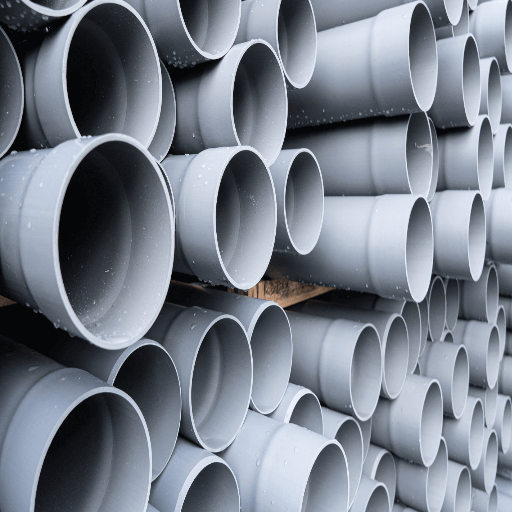
Using recycling helps to lessen the environmental impact, especially PVC pipe recycling, since it decreases the amount of raw PVC that has to be produced, a process that needs a lot of energy. It also helps to counter pollution since PVC wastes are generally not disposed of in landfills because of their reusability. There is also a noticeable improvement in terms of lower production of new materials due to the recycling of PVC and the fossil fuels consumed while producing them. Since PVC can be recycled, this helps in enhancing environmental friendliness by lowering manufacturing costs and the level of damage to the environment for materials meant to last long.
Reduction of Landfill Waste and Greenhouse Gas Emissions
The success of recycling of the PVC pipe, as a single practice, assists in reducing overflow of land waste disposal sites, given the fact that PVC, because of its nature, will last forever in landfills. Modern techniques of recycling PVC waste include sophisticated mechanical or chemical treatment technology that allows the reuse of a lot of waste instead of simply discarding it, reducing overall environmental impacts considerably. Moreover, recycling lessens the need for raw materials extraction and energy-using operations, which represent quite a huge part of those anthropogenic activities resulting in the generation of GHGs. Including recycled PVC-based products also allows CO2 reduction or saves fossil fuels to some extent for industrial purposes, which is consistent with the aim of sustainability and contributes to the circular economy. There is, therefore, a marriage of waste management and climate change management, making PVC pipe recycling an important practice in the international environmental agenda.
Conservation of Natural Resources Through Material Reuse
The importance of reusing materials is that it helps to preserve the natural environment through less dependence on natural resources, since less extraction is carried out. The use of metals, plastics, and textiles is reduced when certain materials are reused, meaning there is no need to destroy the environment through mining, logging, and drilling – all of which are high-energy-consuming and destructive activities. A lot of energy used in mining aluminum, for instance, can be conserved if the metal is reused rather than made from scratch. Also, it helps in lessening the consumption of landfill space, which in turn helps in preserving land and preventing the addition of pollutants into the soil and water. On the other hand, the cyclic approach incorporates techniques such as the reuse of built construction waste or extension of the life of manufactured gadgets, which prolongs the utilization of the materials available, therefore promoting sustainability and resource efficiency in all operations. For instance, PVC pipe recycling is not just limited to industrial focus areas outside agriculture.
Positive Effects on the Circular Economy
There is no doubt that the circular economy has contributed significantly to resource efficiency and sustainability in more than one way. Implementation of strategies to cut down on waste production and increase the recycling of materials helps businesses minimize their dependence on nonrenewable resources, lessening the strain on the environment. On the economic front, firstly, circular economic practices increase competitiveness due to the possible reduction in costs of production and value creation through product and material innovations. From a social perspective, the circular economy promotes employment opportunities in recycling activities, PVC pipe recycling, remanufacturing, and efficient logistics, among other areas that contribute to the enhancement of the local economies. Further to this, it reduces the necessary extraction of high-heat processes for raw materials and destruction of wastes, which attacks the core of the climate change issue. In sum, the circular economy offers an innovative approach to the management of resources within the ecological equilibrium and economic recovery.
| Dimension | Impact of PVC Pipe Recycling on the Circular Economy |
|---|---|
| Environmental | Reduces GHG emissions, raw material extraction, landfill overflow, and soil/water contamination |
| Economic | Lowers production costs, creates secondary material markets, and increases industry competitiveness |
| Social | Generates employment in recycling, remanufacturing, and logistics; strengthens local economies |
04
The Role of Dedicated Recycling Lines in PVC Reprocessing
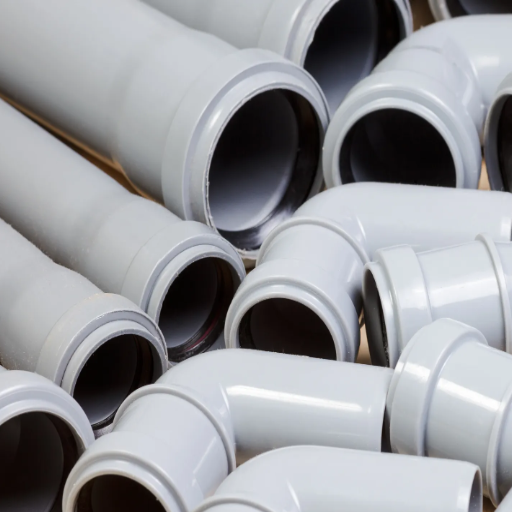
The inclusion of separate recycling lines is an integral factor in successful PVC re-materialization. They have the ability to process PVC structures by providing systems for their separation, purification, and granulation. The collection of PVC waste and its preparation for re-utilization play an important role in this particular case. It assures that dedicated recycling lines for PVC waste produce sleek, good-quality recyclates without contamination for various uses, including habitation waste-pipe, PVC window and door manufacturing, and PVC flooring production as well. Otherwise, these system designs are meant to save resources in terms of energy as well as materials and thus sustain the lifecycle of PVC.
How Specialized Recycling Lines Streamline the Process
The new range of equipment for PVC pipe recycling facilities aims to improve PVC recovery and reuse by introducing advanced equipment and innovative technologies alongside operational procedures. This assembly wastes no resources since there are effective sorting waste separation systems, optical waste separation systems, density waste separation systems, as well as electrostatic precipitations, today known as pure waste separation. Last, but not least, granulation and grinding are in place for determining the ideal sizes of PVC before packing and processing.
Such approaches are also good for processes where thermal and mechanical recycling are involved. Heat controlled Extruders are used for the plastic waste reprocessing with high precision without causing a significant increase in thermal degradation, which preserves the integrity of the material, making it suitable for recycling. Moreover, in such systems, there are intelligent controls and sensors that determine various factors such as temperature, pressure, or flow of the material instantly, thereby maximizing the output and minimizing the wastage of resources. In addition, the contemporary recycling systems often employ water treatment systems with incorporated recycling loops, which vastly decrease the amount of water that is wasted during the process and also help protect the environment.
The incorporation of all these outlined characteristics into a single operation makes certain recycling lines energy efficient, speedy, and ensures recycling of even high-quality PVC brittle plastic waste. These advancements are not only necessary from a green perspective but also help in cutting down the operating cost and thus help in the advancement of waste management and PVC pipe recycling in particular.
Dedicated Lines vs. Mixed-Material Recycling: A Comparison
⚠️ Mixed-Material Recycling
Recycling procedures which deal with the mix and various types of waste, focusing on a material or a group of materials: plastics, metals, paper, and glass, among others. These systems necessitate advanced sorting and separation equipment, like optical sorts and eddy currents. This compilation has accomplished great strides, though it is inherently less efficient in that, due to the incidence of impurities and the incompatibility of the materials in the systems, it normally yields low-value products or processes that are not cost-effective.
✅ Dedicated Recycling Lines
Oppositely to what was previously discussed about the general production lines, the dedicated production lines are configured in such a way that they work with one specific kind of material, such as PVC, PET, or aluminum, each. Processing only one material allows for precision without contamination and clean, recycled output. Moreover, dedicated lines consume less energy and costs in the long-term since there are no high demands for sorting, as is the case for multi-material processing facilities. Such a specialization assists those sectors or products that would want to manufacture high quality re-usable materials, meeting the standards for quality and the requirements for environmental management.
Success Stories: Facilities with Dedicated PVC Recycling Lines
810K+
Tonnes recycled/year
(VinylPlus, Europe)
3,000+
Tonnes diverted
(Vinyl Council, Australia)
05
Barriers to Implementing PVC Pipe Recycling Lines
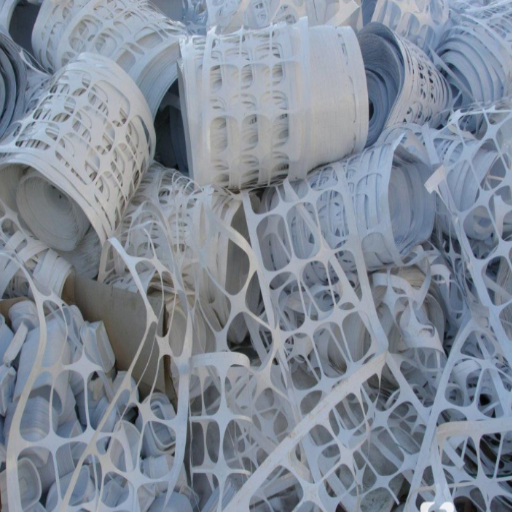
There are many technical, logistical, and economic hindrances to the adoption of PVC pipe recycling lines. First, the technology of collecting and sorting PVC pipes in different plastic products is hardly available; it rather results in opportunities to employ more people. Second, a higher possibility of polyethylene and other components contamination in the recycled PVC plastic may discourage end users. Furthermore, the most important obstacle to the processing of PVC is the investment outlay – the cost incurred for purchasing specialized recycling machines, and still, the PVC process is energy-consuming. Lastly, regulations are not always clear and close enough to the end users, and there is not enough pull from the market to use post-consumer PVC materials and therefore establish recycling plants. Overcoming these issues can’t be done without cross-sectoral cooperation in policy, business, and technology improvement.
🔬 Technology Gaps in Sorting
The technology of collecting and sorting PVC pipes in different plastic products is hardly available, requiring expensive NIR sensors or manual intervention to distinguish PVC from similar plastics.
🏭 High Capital Investment
Capital investment in and maintenance of sophisticated recycling plants impose an enormous cost, which is inhibitory in small-scale enterprises, particularly alongside energy-intensive processing requirements.
🚛 Logistics & Infrastructure Gaps
Using physical infrastructure and/or delivering services to separate PVC — including collection, transportation, and sorting — is a challenge many firms simply do not have the resources for.
📢 Low Public Awareness
The lack of outreach and education in the surrounding population results in inadequate material acquisition, leading to a compromise on the entire recycling value chain from source separation onwards.
📋 Unclear Regulations & Market Pull
Regulations are not always clear and close enough to the end users, and there is not enough pull from the market to use post-consumer PVC materials, making it harder to justify establishing recycling plants.
Financial and Logistical Obstacles Faced by Municipalities and Businesses
Considerable financial and logistical barriers often stand in the way of regional authorities and business communities’ implementation of sustainable recycling strategies involving PVC. To begin with, capital investment in and maintenance of sophisticated recycling plants impose an enormous cost, which is inhibitory in small-scale enterprises, particularly. The cost of running such recycled plastic plants in terms of energy use as well as labor requirements makes economics all the more difficult. At the same time, using physical infrastructure and/or delivering services to separate PVC minimization includes collection, transportation, and sorting, among others, which many firms do not have. In addition, the lack of outreach and education in the surrounding population results in inadequate material acquisition, leading to a compromise on the entire recycling value chain. Addressing these issues calls for strategic funding, active public or private participation, and the development of the same recycling systems across the region.
Lack of Awareness and Educational Initiatives About PVC Recycling
In light of the absence of information as well as initiatives regarding PVC recycling, I think that educating the public through mass education campaigns about the merits of PVC recycling for both the environment and the economy is very important. The use of community establishments, social media platforms, and educational centers will ease and ensure the provision of basic and accurate information on PVC waste management as well as the implications of such waste. Moreover, encouraging the partnership of the industry players with the government can help in providing relevant materials as well as a unified communication strategy to facilitate understanding and participation from the public.
Solutions and Incentives to Overcome These Challenges
1
Public and Corporate Investment in Advanced Technologies
There must be public and corporate lavishing of funds to developing and implementing new technologies in waste management, including chemical recycling of extremely contaminated and mixed wastes, where mechanical recycling cannot be a solution. Incentivizing firms to take environmentally friendly methods of dealing with PVC waste, for example, in the form of reduced taxation or government grants, may enhance innovation and persuade even more companies to do the same.
2
Extended Producer Responsibility (EPR) Schemes
The adoption of Extended Producer Responsibility — EPR schemes — would be one approach to tackling PVC pipe recycling, as this reassignment of the burden promotes the effective collection, recycling, and disposal of all polyvinyl chloride items from the manufacturers. Within EPR regimes, waste generators can put in place practical return procedures that facilitate consumer interaction and adherence to the concept of green design to ensure plausible recycling of plastics.
3
Mass Education and Community Engagement Programs
The main purpose of the mass education programs will be to inform the public about how harmful PVC waste can be to the environment and the role of recycling in managing this type of waste. Programs like the provision of incentives for PVC pipe recycling, collaboration with community stores, and technological use to record and visualize everything that has been done so far are ways to encourage participation in proactive environmental-friendly efforts. All these contributed to remarkable successes in minimizing the harm that PVC debris does to the environment.
Summary
Key Takeaways: PVC Pipe Recycling
- ✔
PVC pipes are non-biodegradable and contain toxic additives — making dedicated recycling an environmental and public health imperative, not just a sustainability preference. - ✔
Dedicated PVC recycling lines outperform mixed-material facilities in output purity, energy efficiency, and long-term cost-effectiveness. - ✔
Global programs like VinylPlus (Europe), the PVC Recycling Association (Japan), and Vinyl Council of Australia demonstrate that specialized PVC recovery is achievable at scale. - ✔
Key barriers — capital costs, logistical gaps, low awareness, and regulatory ambiguity — require cross-sector cooperation between industry, government, and communities to overcome. - ✔
EPR schemes, government grants, and mass education programs are proven levers for accelerating PVC pipe recycling adoption and building a more sustainable circular economy.
Reference Sources
Published on ScienceDirect, this review explores various PVC recycling methods, challenges, and separation techniques.
A Brief Review of Poly(Vinyl Chloride) (PVC) Recycling
Published on PubMed Central, this paper reviews various methods of PVC recycling, emphasizing mechanical recycling as the most recommended approach.
Frequently Asked Questions (FAQs)
How Do I Get Rid of PVC Pipes?
People dispose of PVC pipes respectfully after looking at the plastic type and checking whether it is in any way fouled or not. PVC can be recycled – it is accepted as a material in some recycling bins, but not all. Any recycling facility or company requests that pipes should be clean, classified, and free of any coatings, paints, glues, and cable fasteners. Thus, you should find out if the facility or company can take the waste pipes and take them there. In the case where the center does not exist, you may practice some green vice such as putting out in the garden old pipes or donating them to shelters for people doing construction or even other industrial works instead of throwing these out or carrying at any landfill.
Do you think PVC pipes are recyclable?
Plastic pipes made of polyvinyl chloride (PVC) can be recycled in some areas compared to other sorts of plastic, such as polyethylene terephthalate (PET) or high-density polyethylene (HDPE) manufactured plastics. Recycling centers that are not outright ban PET plastics normally gladly take polyvinyl chloride, among other plastics, as well, provided, first, that it arrives completely unused and uncontaminated by any object. The traditional method of recycling PVC consists of separation, cutting into small pieces, washing from impurities, and reconstruction. Chemical recycling is a further approach that some wholesalers use, but not all who accept PVCs, so it is best to consult those willing to recycle before assuming they will take in the product.
Can PVC pipe recycling options coexist with disposing of PVC pipes in bins?
Putting PVC in the regular trash can is legal in some places; however, it is not an eco-friendly way: landfill disposal is not beneficial for the environment and allows for no recycling alternatives for the material. Nowadays, most cities prefer incineration or recycling of different waste, e.g., house permits smart and mechanical separation of construction wastes, hence waste diversion facilities are available for the containers and materials such as dismantled plumbing, yet, most importantly, refer to the current waste legislation or the waste facility where the waste is located.
In what ways is PVC treated in the recycling program or pickup services?
The recycling programs and pickup services differ: some city/provincial waste pickup programs allow the collection of small amounts of construction plastics or may coordinate the collection of bulk items, while some programs require waste to be delivered to recycling facilities or centers. For larger quantities, recycling operators and industrial recycling facilities might provide pick-up, separation, and mechanical reduction of waste types. Kindly check the product range and costs from each program.
What are the dangers of recycling PVC — the potential generation of hazardous wastes and harmful chemicals in recycling PVC pipes?
That’s correct, since PVC incorporates various chemicals, including stabilizers and phthalates, which could create hazardous conditions if PVC itself is not handled with care, and also chlorinated among other chemicals when it burns. One can also say that PVC-containing waste that has been contaminated through industrial wastes and any other form of contamination should be regarded as a hazardous waste and taken to the nearest center for the collection of hazardous waste or recycling centers that can properly deal with it in order to prevent the accumulation of waste.
How is it normally that PVC pipe recycling goes for the mechanical or chemical?
Under the cost-effective method of recycling PVC, PVC is sheared off into smaller pieces, then cleaned and melted to create regranulate for further use in production. Under chemical recycling, PVC is degraded to monomers or industrial chemicals, which are as good as natural extracts. The level of filth, the size of the project, and the recycling plant affect the decision; usually, clean materials are processed using mechanical methods, whereas complicated waste can be brought to chemical recycling, which is quite difficult for industrial action.
Related Posts


Trending now