Get in touch with Kitech Company

PE Film Washing Line Price: What Factors Affect Cost

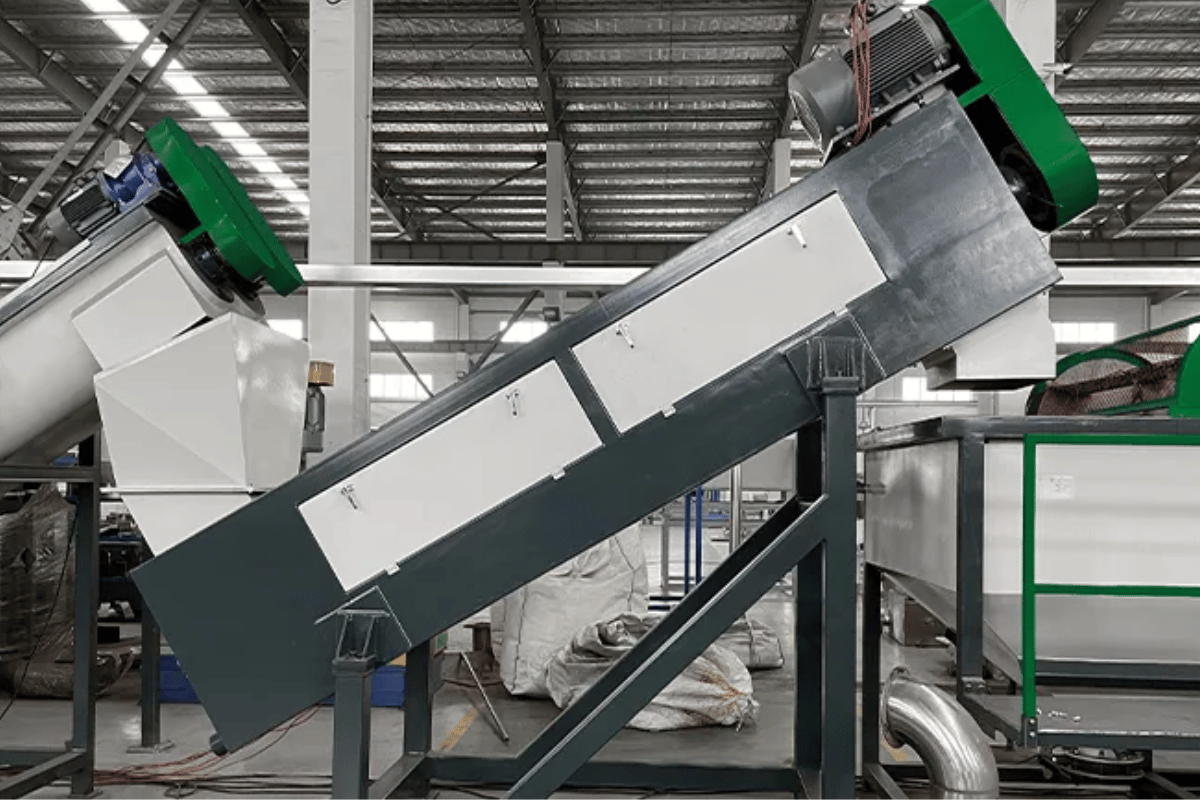
The cost of a PE film washing line is a critical factor for businesses involved in plastic recycling and waste management. The investment requires understanding multiple variables which need to be studied in depth. The pricing of products depends on various factors which include the machine’s design and capacity and the specific elements and technologies selected by manufacturers. The guide will provide you with practical strategies which will help you achieve a fair compromise between your quality requirements and budget restrictions whether you operate a small facility or need to plan industrial recycling operations.
Understanding Film Washing Lines
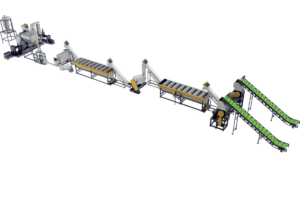
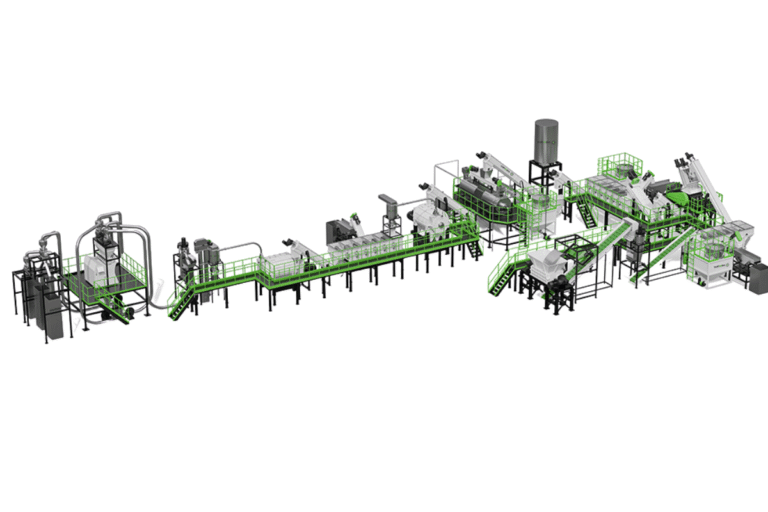
Film washing lines serve as dedicated systems which function to remove contaminants from plastic films which contain both polyethylene and polypropylene materials. The lines require multiple essential procedures which start from pre-washing and continue through shredding, washing, rinsing, and drying to complete their operation. The main goal involves eliminating dirt and oil and adhesives and ink from the material to transform it into a state suitable for regranulation or additional processing.
The film washing lines function effectively because they combine mechanical cleaning with water-based cleaning methods to produce high-quality results which serve as necessary tools for modern plastic recycling facilities. The basic operation of their system stays the same because all systems use similar functions to achieve maximum material cleaning and recovery results.
What is a Film Washing Line?
The developed system for film washing lines operates as a complete mechanism which executes the cleaning and recycling procedure for plastic film waste that comes from packaging and agricultural and industrial applications which use polyethylene and polypropylene materials. The systems use advanced mechanical systems together with water-based cleaning methods to eliminate all types of pollutants including dirt and oil and adhesive residues and label materials from the plastic waste.
The main components of a film washing line operate together through various systems which include shredders and friction washers and sink-float tanks and thermal dryers and separation units to achieve optimal material recovery together with high product quality. The latest research shows that modern film washing lines now use efficiency-improving technologies which include automated sorting systems and energy-efficient motors and microfiltration equipment to achieve their cleaning goals while using less water.
The systems function as essential components of the circular economy because they convert post-consumer and industrial plastic film waste into high-quality raw materials which industries can reuse for manufacturing.
Components of a Plastic Film Washing Line
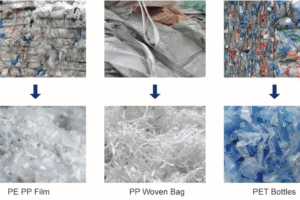
The plastic film washing line consists of multiple components which work together to achieve their dedicated tasks that optimize the process of cleaning and treating plastic materials. The main elements of the system are examined in the following section.
Shredding System
The industrial shredder starts the process by converting large plastic films into small pieces which workers can handle. The step serves as vital material preparation work that makes ready the material for upcoming processing steps while it boosts the efficiency of all following processing systems. The pre-washing stage involves removing loose dirt, sand, and residues from the plastic films.
Friction Washer
The friction washer operates by high-speed blades that rotate to scrub plastic surfaces and remove dirt particles plus oil substances. The process establishes cleaned plastic materials that meet required quality levels for successful reprocessing operations. The separation tank uses density-based separation to separate heavy contaminants which sink to the bottom while plastic films float on top.
Drying System
The washing process uses centrifugal dryers plus thermal drying systems to eliminate moisture from the plastic films which become clean for later pelletizing or storage. Modern drying technologies use heat recovery systems which enhance their power-saving performance. The plastic films undergo cleaning and drying processes before they advance to bulk packaging which prepares them for recycling center delivery.
The system achieves its goal of recycling contaminated plastic waste through the combined operation of all elements which create pure recyclable materials that meet current environmental standards and legal requirements. The advanced washing line systems monitor their operations in real time to achieve maximum production output while decreasing their energy usage.
How do Film Washing Lines Function?
Film washing lines function as a complete system which processes contaminated plastic film waste into reusable materials. Plastic film waste collection begins with pre-washing or shredding equipment that will decrease material size while extracting all heavy contaminants which include dirt and sand and metal particles. The materials proceed to a friction washer which uses high-speed paddles to scrub the film surface and eliminate remaining contaminants.
The advanced systems use hot washing tanks to combine heated water with detergents for removing difficult-to-remove adhesives and grease and oil stains. The separation tanks use density differences to isolate heavier contaminants from the lighter plastic film which has been cleaned. Dehydration units such as centrifuges and thermal drying systems operate to extract all excess water content from the material until it reaches a state that is dry and suitable for pelletizing extrusion or other post-processing operations.
The system enables dynamic adjustments for washing parameters while it maintains energy efficiency through its design. The combination of these systems with automated sorting technologies achieves the highest level of accuracy and environmentally friendly plastic recycling which meets both environmental regulations and market requirements for high-quality recyclates.
Factors Influencing the Price of PE Film Washing Lines
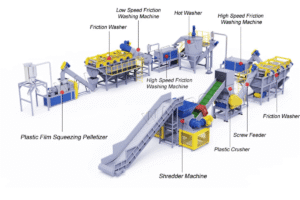
The price of PE film washing lines is determined by multiple important factors which buyers must assess according to their particular needs together with their operational requirements to find the most affordable solution.
Production Capacity
The cost of larger machines which handle more material increases because their design requires more space and advanced technology.
Automation Level
The cost of fully automated systems with advanced control features exceeds the expenses required for semi-automated or manual systems.
Material Quality
The equipment cost depends on the material durability which describes how long materials will last through use because higher-quality materials need higher investment.
Energy Efficiency
The design of energy-efficient systems requires advanced engineering procedures which increase their initial costs while providing future financial benefits.
Technology Integration
The implementation of advanced components which include water filtration systems and precision shredders leads to major increases in total product costs.
Material Costs for Plastic Recycling Machines
The material costs for plastic recycling machines largely depend on the type and grade of materials used in their construction. The recycling process needs high-quality steel and durable components to meet its operational requirements, which results in higher initial costs. The materials deliver extended durability and operational efficiency, which makes them a valuable long-term investment.
The advanced technologies require additional material costs because they include sensors and specialized coatings, but they deliver substantial performance and durability enhancements.
Supplier Variability and Market Trends
The recycling industry encounters operational challenges because of material cost problems and supplier availability issues. Price changes and supply interruptions occur because of differences between manufacturing capabilities and production quality and geographical factors. The variations are further impacted by worldwide market trends which include changes in raw material prices and trade regulations and economic developments.
The organization needs to examine supplier reliability while developing multiple sourcing options to reduce potential risks. The organization can achieve stable operations together with cost management through ongoing market trend research and development of strong supplier partnerships.
Lead Time and Delivery Considerations
The supply chain operates through a combination of delivery times and delivery methods. The complete duration of an order exists as the elapsed period which begins with order initiation and ends with final delivery while including all processing and manufacturing and transit time elements. Production schedules together with inventory levels and customer commitments face disruption through any inefficiencies or delays which occur during these operational stages.
Accurate lead time forecasting serves as a critical requirement for organizations which need to achieve workflow optimization and disruption reduction. The performance of on-time delivery holds equal importance because it affects both customer satisfaction and operational efficiency. The organization needs to implement strong logistics management systems which will help them track delivery capabilities and work together with their logistics partners to achieve reliable delivery schedules.
⚠️ Important Consideration:
International shipment planning should consider multiple factors which include geographic location and carrier reliability and customs clearance times.
Cost Breakdown of the Recycling Process
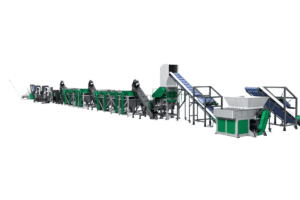
The recycling process requires multiple steps which generate additional costs throughout its entire operation. Understanding these cost components helps businesses plan their investments effectively.
Sustainable operations need recycling systems that balance market demand with recycling system expenses to achieve economical efficiency.
Initial Crushing and Its Impact on Cost
The first stage of crushing operations in recycling systems works as an essential process which destroys materials through crushing to create smaller pieces that are easier to handle. This step not only provides better handling capability but also improves the efficiency of following processes which include sorting and purification. Recent market research and trend analysis show that this process stage produces major effects on the total expenses which recycling facilities face.
The material density, hardness, and desired output size are key factors that influence the equipment’s operational efficiency and cost. The wear-and-tear costs from abrasive materials together with power expenses create a major effect on production costs. The application of energy-efficient machines together with automated monitoring systems should happen because it helps decrease operational expenses while keeping production standards. This method increases economic viability while making sure that environmental sustainability objectives remain intact.
The Importance of Washing in Plastic Recycling
The washing process functions as a fundamental component of plastic recycling because it determines both materials quality and operational efficiency and recycled products success. Plastic waste contamination which includes food residues and adhesives and dirt leads to lower recycled plastic quality which results in reduced market value and limited product availability.
💡 Key Research Finding
Recent studies demonstrate that recycling processes which use recycled materials have manufacturing defects that occur at 25% higher rates when washing procedures do not meet proper standards. Advanced washing systems which combine efficient agitation methods with thermal processes and detergent applications achieve over 95% contamination removal which enables higher production of pure resin that can be reprocessed.
The insights show that consumers want recycled products which meet high-quality standards while regulations push businesses toward sustainable production methods, so washing processes help companies meet both market demand and environmental requirements. Advanced washing technologies together with real-time monitoring systems enable industries to achieve increased material cleanliness and better processing efficiency while they contribute to circular economy implementation.
Final Drying and Pelletizing Costs
The drying process and pelletizing process costs depend on three main factors which include energy usage, machine productivity, and employee work needs. The operational costs of advanced drying systems which use energy-efficient technologies will decrease because the system prevents heat loss while it maximizes its energy consumption throughout its operation.
The implementation of automated pelletizing systems enables factories to cut costs because it helps them produce products more efficiently while needing less worker involvement. Although companies must spend more money to purchase modern equipment, the reduced costs of energy and labor which follow will decrease their total business expenses. The accurate assessment of expenses needs three specific elements which include required production capacity, existing material types, and local power pricing.
Comparing PE and PP Film Washing Lines
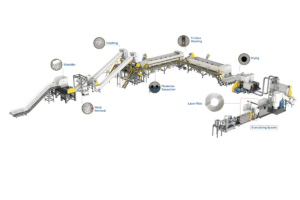
The main distinctions between PE (polyethylene) and PP (polypropylene) film washing lines arise from their respective material properties and their respective processing methods. The washing and recycling process for PE films requires less energy because their materials adopt a softer and less dense form which makes the process easier to accomplish. The processing of PP films needs stronger equipment because they maintain their shape better and their melting point reaches higher temperatures.
The washing lines both use the same shredding, washing, drying, and pelletizing process but their configurations differ because they must handle the distinct mechanical and chemical properties of different materials. The cleaning process needs to focus on soft adhesive removal because PE films get contaminated by these adhesives while PP films need special methods to handle their more difficult cleaning challenges.
Differences Between PE and PP Recycling Processes
The recycling processes of PE and PP show distinct differences because their melting points and contamination levels and cleaning methods and drying processes and end products show different patterns.
The table presents a brief comparison which shows the main characteristics that differentiate Polyethylene (PE) recycling from Polypropylene (PP) recycling, thus assisting decision-making while maximizing recycling efficiency.
Cost Implications of Using Different Materials
The financial requirements for recycling PE (Polyethylene) and PP (Polypropylene) materials depend on various elements which include material availability and processing challenges and market requirements for recycled products. The latest industry data shows that PE films require lower raw material expenses because their production rates exceed their current use in packaging materials. The equipment needs extensive cleaning procedures because it accumulates dust and adhesive substances which need special equipment for their removal.
The raw material cost of PP films exceeds PE film costs. The material requires businesses to spend more money on powerful equipment which can handle its difficult nature yet this expense becomes more affordable because of reduced expenses for cleaning and sorting activities. The market for recycled PP materials needs high-quality products especially in automotive and industrial sectors which results in premium prices that create long-term savings for companies operating in these sectors.
Current business trends indicate that companies should evaluate material-specific costs and benefits through investment in technologies which will decrease contaminants and enhance product yield. This process establishes operational cost savings for the business while ensuring compliance with recyclate market standards which supports both financial success and environmental protection.
Price Range Analysis for PE Film Washing Lines
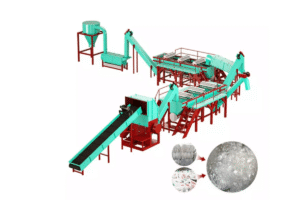
Understanding the typical price ranges for different scales of PE film washing lines helps businesses budget appropriately for their recycling operations. The customized nature of the product results in a wide range of pricing based on capacity and features.
📋 Note:
These figures are estimates for the machinery manufacturing cost and may exclude shipping, installation, and auxiliary infrastructure.
Choosing the Right Film Washing Line for Your Needs
The selection of a film washing line requires assessment of multiple essential elements to achieve peak performance at the lowest operational expenses. The study of specific areas will improve your decision-making process because those areas will help you reach operational objectives while satisfying market requirements.
Selection Criteria Checklist
- Assess material processing needs to determine required system capacity and capabilities
- Follow established quality standards which specify needed cleanliness and purity requirements
- Evaluate all operational expenses including energy and water efficiency assessments
- Select systems with minimal environmental impact
- Ensure system supports future enhancements and process modifications for business expansion
Frequently Asked Questions
1. What Are the Primary Factors That Determine the Cost of a PE Film Washing Line?
The full financial requirement needed to build a Polyethylene (PE) film washing line depends on multiple technical and operational factors. The most significant cost drivers include:
- Throughput Capacity: Higher production lines (2,000 kg/h capacity) than 500 kg/h capacity require installation of larger motors and their supporting parts which results in major cost increases.
- Contamination Levels: The input material quality determines how complex the system needs to operate.
- Automation Level: Fully automated systems with centralized PLC control exceed the cost of manually operated systems.
- Component Quality: Premium metallurgy and top-tier electrical components directly impact initial capital expenditure but ensure long-term reliability.
2. What Is the Typical Price Range for a Standard PE Film Washing Line?
The customized nature of the product results in a wide range of pricing. However, general market estimates for 2026 suggest the following ranges based on capacity:
- Small Scale (300-500 kg/h): Entry-level systems require a minimum investment of $40,000 to $80,000, suitable for cleaner feedstock.
- Medium Scale (500-1,000 kg/h): Standard industrial lines generally fall between $80,000 and $200,000 with hot washing and efficient drying systems.
- Large Scale (1,000 kg/h+): Integrated lines start at $250,000 but can reach $500,000 with advanced water treatment and sorting technologies.
3. Does the Geographical Origin of the Manufacturer Impact the Price?
The place where a product is manufactured determines its selling price. European and North American machinery is often priced at a premium which results from higher labor costs and strict regulatory adherence. The cost of production remains lower for Asian manufacturers who operate at expanded international company presence. The equipment requires evaluation based on engineering standards and component sourcing and after-sales support regardless of the manufacturer location.
4. What Hidden or Additional Costs Should Be Considered When Budgeting?
The project total cost consists of multiple cost elements beyond machinery purchase price. A comprehensive budget must account for:
- Shipping and Logistics: Heavy industrial equipment transportation requires multiple shipping containers.
- Installation and Commissioning: Professional installation needs on-site engineers for assembly, wiring, and calibration.
- Infrastructure: Facility requires improved flooring, dedicated electrical power sources, and proper water drainage systems.
- Water Treatment: Effluent treatment plant to process wastewater represents a separate but essential expenditure.
- Spare Parts Inventory: Upfront stock of essential spare parts protects against operational interruptions.
5. Is It More Cost-Effective to Buy a Complete Turnkey Line or Separate Components?
The purchase of a complete turnkey line provides operational benefits that create unified operational control. A turnkey solution ensures that all components from the shredder to the dryer operate as a unified system which uses matched capacities and synchronized controls. The process of buying components from separate vendors creates initial savings but results in higher operational expenses because of integration problems and slowed processes and incomplete technical assistance.
6. How Does the Inclusion of a Water Treatment System Affect the Overall Price?
The implementation of a closed-loop water treatment system increases the initial capital costs which results in a 10% to 20% increase in total project expenses. The operational savings from this investment typically lead to financial recovery. The water treatment system enables process water recycling which leads to major drops in fresh water usage and waste discharge expenses. The component serves as a mandatory compliance expense for regions that implement strict environmental regulations.
Conclusion
The article has led you through the main elements which determine the expense of a PE film washing line so you can select the best option for your particular business requirements. Understanding multiple variables including machine design, capacity, automation level, material quality, and technology integration helps businesses make informed investment decisions.
The guide provides practical strategies which help achieve a fair compromise between quality requirements and budget restrictions whether you operate a small facility or need to plan industrial recycling operations. The selection of a film washing line requires assessment of multiple essential elements to achieve peak performance at the lowest operational expenses.
Evaluating material-specific costs and benefits through investment in technologies which will decrease contaminants and enhance product yield establishes operational cost savings while ensuring compliance with recyclate market standards which supports both financial success and environmental protection.
Key Takeaways
- ✓ Small-scale systems (300-500 kg/h) range from $40,000-$80,000
- ✓ Medium-scale lines (500-1,000 kg/h) cost between $80,000-$200,000
- ✓ Large-scale operations (1,000 kg/h+) require $250,000-$500,000+ investment
- ✓ Water treatment systems add 10-20% to total project costs
- ✓ Advanced washing systems achieve over 95% contamination removal
- ✓ Turnkey solutions provide better long-term value than separate components