Get in touch with Kitech Company

The Complete Guide to Agricultural Film Recycling: Process, Equipment & Business Opportunities(2026)

This guide encourages readers who want waste to be converted from residues to recyclable products — business people, farmers, recyclers, and authorities who want to look at new technologies and the possibility of the market. Within these pages, you will see the logic governing this kind of transformation of waste and the business opportunities that exist at the intersection of environmentalism, economy, and agriculture.
Understanding Agricultural Film and Its Environmental Impact
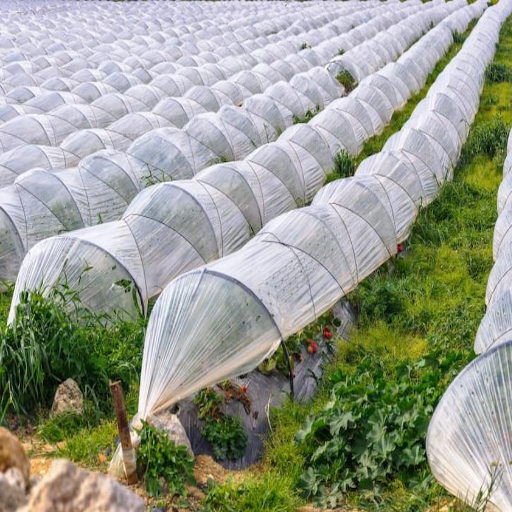
Plastic used mainly in farming for purposes such as wrapping silage, covering greenhouses, and mulching is called agricultural film. Though this has had a positive effect on the yields and efficiency of crop growth, it has been very harmful to the environment because of the limited plastic use after recycling and persistent plastic residues in the natural surroundings. This is particularly because if these films are not disposed of properly or they degrade, it can also lead to soil contamination and damage to animals in the ecosystem. The mitigation measures include asking for more responsible use, promoting biodegradable materials for uses as large as possible, and enhancing agricultural film recycling to help reduce the accumulation of plastic waste.
What is Agricultural Film?
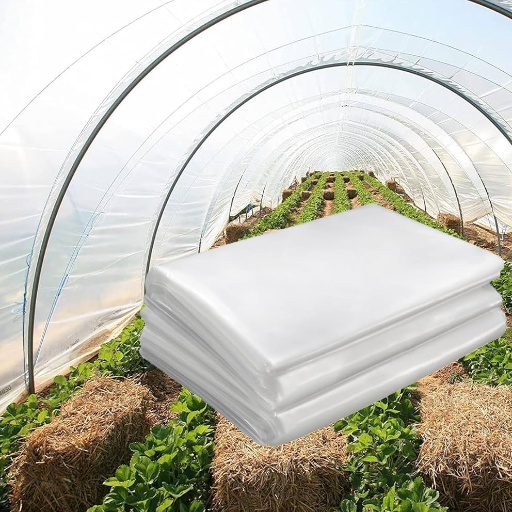
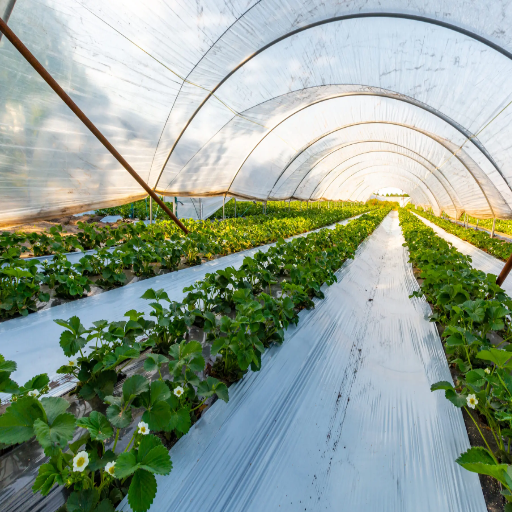
Plastic sheets are used for enhancing the productivity of farming, protecting the soil, etc. The most commonly used is the agricultural film. This film has many different purposes, such as hothouse films, mulching films, silage films, and fumigation films. Their major functions include soil temperature control, water retention, weed control, and crop protection against harsh weather conditions.
Derived mostly from polyethylene (PE), polyvinyl chloride (PVC) or more plastics, the agricultural films are constructed to be robust as well as weatherproof. These films, however, become an environmental concern since there are few options on the way of agricultural film recycling because a large portion of the agricultural films is discarded.
There is a need to resort to eco-friendly means such as biodegradable films and improved recycling of agricultural films, to reduce their environmental effects.
| Film Type | Primary Use | Common Material |
|---|---|---|
| Mulching Film | Soil temperature control, weed suppression, water retention | Polyethylene (PE) |
| Greenhouse (Hothouse) Film | Crop protection, climate regulation | PE / PVC |
| Silage Film | Forage/silage wrapping & preservation | Polyethylene (PE) |
| Fumigation Film | Soil disinfection | PE / LDPE |
⚠️ Environmental Consequences of Plastic Waste in Agriculture
The environmental and financial impact of plastic waste accumulation in agricultural settings is severe. Plastic materials, including non-biodegradable films, are known to break down to microplastics that pollute soil, pools, and water bodies. The presence of microplastics in soil breaks down the soil structure and causes immobilization of microbial populations, closing down the available nutrients in the soil, and together these factors dramatically decrease crop production.
Littering of agricultural plastics has a negative impact as it can involve plastic swallows, suffocations, or animal entanglements. The use of incineration as a disposal practice for plastic waste is very rampant. This practice is associated with the release of unpleasant gases to the environment that can cause air pollution and increase global warming.
Mitigating these effects involves waste management, advancing the use of biodegradable materials, and other measures, such as increased recycling activities, among others.
Importance of Recycling Agricultural Plastics
In fact, the problem of improper disposal of agricultural plastics is solved when recycling them, since it brings both environmental and economic advantages. Another example is that plastic films, mulching, tubes, and the like could go towards recycling instead of manufacturing processes to produce, say, plastic lumber, fence posts, or containers for albums, and instead would help conserve virgin plastics and other resources. This means that recycling prevents a significant amount of plastic waste from ending up in landfills or in water or air, and thus prevents further pollutants from being deposited on land or in water bodies or even in the air.
Most of the changes that are required are to the process. Agricultural plastics frequently possess foreign materials like soils, chemicals, and plant materials, which make their remanufacture difficult and the process more expensive. Also, the existence of different plastic types and the absence of efficient collection systems impede recycling. To improve recycling rates of agricultural film recycling, different methods and techniques can be used, in which materials are pre-sorted on the farm, washed, or cleaning facilities are set up all on site, or improved recycling technology is bought or constructed on site.
Challenges in the Agricultural Film Recycling Process
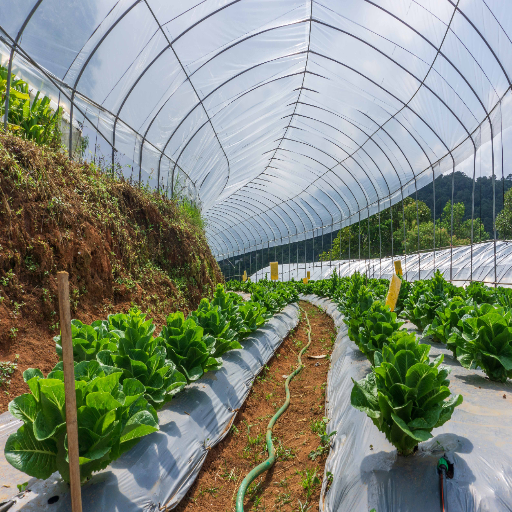
Addressing the issues faced in agricultural film recycling can be carried out through an array of strategies. First, the collection strategies can be enhanced by designating drop-off stations or organizing geographical collection programs, which have the potential to radically transform the collection of recycling materials. These two strategies aim at improving the collection of materials for recycling healthful and mass instead of drainage and scattering. In addition, there should be a blending of attention to activities of primary cleaning of films in the field, for example, the scrubbing away of soil and crop remnants, which is a factor of high importance in this case. Besides, launching trends in optical scanners and chemical composition of plastics has become a technique helping in the precise selection and removal of different types of plastic. Finally, it should seek to identify the roles played by farmers, processors, and politicians to promote all innovative measures, including the installation of strategies in recycling practices. Used strategically, these actions can adequately ensure the triumph over the limitations of agricultural film recycling.
🧪 Contamination Issues in Recycling
Contamination is a problem that affects to a high degree the efficiency of recycling processes. This is especially true for recycled plastics and agricultural film recycling. Therefore, soil, food (stains), pesticides, and other chemical substances tend to stick to the surface of the recyclables, making the separation and cleaning operation more demanding and expensive. When contamination levels are very high, there is a tendency for the recycled materials to be of poor quality, leading to their limited applicability and the efficiency of the recycling plant.
Prevention methods, which are typically put in place to prevent contamination, include presorting procedures, washing treatments, and educational campaigns designed to promote source recycling. Enhanced sorting techniques to include optical sorting and artificial intelligence (AI) systems are employed more widely to remove such defects when recycling is undertaken. Reducing contamination is key to increasing recycling successes because it allows for the production of better-quality recycled materials.
🚚 Logistical Challenges in Collection and Processing
Numerous logistic-related problems can be experienced during recycling, which are mostly associated with the infrastructure, efficacy, and economics of the whole process. A big problem is the absence of uniform collection schemes, since this and other variations of the programs for municipalities result in differences in the recyclable material streams. Likewise, there have always been inefficiencies in transportation, and one of the ways expenditure is very high is through sparse collections and the necessity of cleaning contaminated refuse.
Moreover, the majority of the processing plants stopped operating primarily due to lack of provisions or use of vintage, therefore inefficient, equipment which could no longer cater to the increased number of materials coming in. These and many other complications indicate improving the existing facilities, the logistics chain, and procedures of handling the recyclable materials within the different regions are something that should be bedrock of the policies regulating this sector.
⚙️ Current Limitations of Recycling Equipment
Despite progress made in conservation and waste management, challenges and drawbacks remain in the use of recycling equipment. Indeed, it’s getting more difficult to properly sort multicomponent and lighter-density items such as layers of materials for packaging or certain plastics, making the removal of all impurities practically impossible without affecting the end product. This is because many systems make use of fairly crude devices and techniques, which are slow and cumbersome, creating inefficiencies.
Many also use machines that perform accurate sorting thanks to optical supplies, but when faced with small pieces or very dirty items, this operating principle slows down their capacity to recover materials. Most facilities have outdated capacity, resulting in problems in connection with expanded volumes of recyclables within present-day waste collection systems. Overcoming these restrictions will necessitate well-maintained facilities, infrastructure expansion, and both research and financial input to achieve the efficiency gains and waste reduction necessary.
Innovative Solutions for Agricultural Film Recycling
To enhance agricultural film recycling, it is necessary to integrate various efficient methodologies due to the complexities of contamination and also the suitability of suitable processing. Soil and pesticide residue from film products can be removed promptly with modern cleaning equipment, which improves the quality of the material for recycling. Also, systems of statistics, such as farm collection and primary sorting on the field, are helpful, which diminishes pressure on recycling plants and helps with efficiency. More effective methods, such as automated response systems in some case recounting to the issue of separations of different plastics, are supportive of high recovery levels. Also, there can be the development of machinery that can deal with large amounts of thin polyethylene films, which are immensely bulky. It is very important to have active collaborations involving manufacturers, recycling units, and policy makers, in order to build a well harmonized net that facilitates a closed cycle of agricultural film recycling.
🔬 Technologies Enhancing Recycling Efficiency
Significant reduction of inefficiencies and holistic improvement of recovery levels are made possible by developments in recycling technology. Some of the optical sorting systems with the use of artificial intelligence incorporate near-infrared (NIR) spectroscopy to correctly detect polymers for segregation, even in mixed wastes. These systems remarkably lower the level of contamination and improve the recyclates.
Moreover, there are chemical recycling techniques such as depolymerisation and pyrolysis to restore plastics to their original monomers and materials, or fuel, respectively, which is a useful means for those materials that are unable to undergo mechanical recycling.
Also, new inventions such as enzymatic chemical recycling of plastics are suggestive of the ability to attack target polymers, especially PET, while minimizing power consumption and maximizing the yields and quality. Incorporation of these methods into waste management strategies achieves more than efficient allocation of resources, as it also contributes to environmentally friendly production processes.
| Technology | How It Works | Key Benefit |
|---|---|---|
| AI Optical Sorting (NIR) | Near-infrared spectroscopy detects polymer type in mixed waste streams | Lower contamination, higher recyclate quality |
| Depolymerisation | Chemical process breaks plastics back to the original monomers | Handles films unsuitable for mechanical recycling |
| Pyrolysis | Thermal degradation converts plastic into fuel or raw material | Recovers energy value from heavily contaminated film |
| Enzymatic Recycling | Enzymes target specific polymers (especially PET) for breakdown | Low energy, high yield & quality output |
Successful Programs and Initiatives in Agricultural Film Recycling
In many regions, lessons from models employed have proven to be effective and practical solutions for addressing agricultural film recycling issues due to compounded contamination and complicated collection processes. In Canada, for instance, they have set up drop-off sites through the Cleanfarms campaign, where plastic films, baler twines, and grain bags that are used are collected, and in addition, they have also given education to farmers that will help them to handle and classify the materials as required. In the same context, the AIMPLAS (Plastics Technology Center) from Europe has embarked on creating various ways of treating, shredding, and even recycling highly polluted films for reuse in agriculture or industry. In America, for example, the Recycling Agricultural Plastics Program (RAPP) involves the cooperation of farmers, societies, and recyclers to offer an overarching program that addresses agricultural plastics waste. It further underscores the need for elaborate systems that center on strengthening existing infrastructure, involve all relevant parties, and invest in technology to increase recycling as well as lower pollution levels.
Case Studies of Effective Recycling Practices
Key Takeaway: All these scenarios have shown that without systematic planning, active participation of all stakeholders, and application of an appropriate approach, it is almost impossible to increase the levels of agricultural film recycling.
Best Practices for Farmers to Prepare Agricultural Film for Recycling
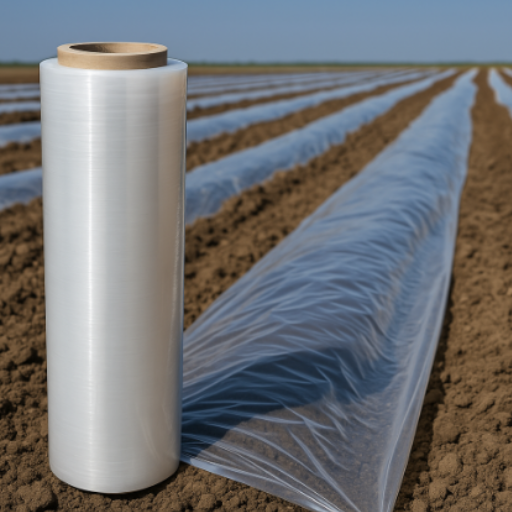
🧹 Cleaning and Sorting
Dirt, debris, and organic substances should be taken out of the agricultural film. For purposes of recycling, cleaning, drying, and making sure non-contaminated film exists, enables enhanced quality and cuts down costs.
🏠 Proper Storage
Keep the film dry and clean so as to avoid moisture, mud, or animal waste contamination. Pack in appropriate bags or containers that the recycling program may have provided.
🗂️ Segregation
Separate pieces of other types of plastic (such as silage wrap and greenhouse film) if this is what the recycling center requires. The reason for such requirements is that certain materials cannot be recycled with others.
📦 Volume Preparation
If possible, save space by baling or napping the film as is appropriate. This allows for easy transportation as well as storage space and transport to collection places.
💬 Discussions
Members of the Agricultural Film Recycling program must remind their associations/clubs/teams of the growth of the crop in the field (rather than on the black water). In order for the program to be fair and clean, strategic and structural considerations have to be addressed.
Steps for Cleaning and Sorting Agricultural Film
Step-by-Step Process
- Remove Non-Film Material: Before the cleaning process, remove all the solids carefully, i.e., such objects as stones, dirt, or natural residues. This is due to the fact that contamination causes greater expenses during the recycling process and also in waste disposal.
- Film Staging or Sorting: It is all the more imperative to stage agricultural films into narrow film types, for example, polyethylene, cellulose, clear, colored, and black. Depending on the implementation, most films shall be a better composition for recycling rather than increasing pollution between various film types.
- Spray Water Before Cleaning the Film: Storm it out, especially if it is a heavy-duty film that has been immersed in pesticides, mulches, brimming with fibers, or is simply dirty. A useful tool for this purpose can be a garden hose or a power washer, but this will also add more water that needs to be recycled, which is not healthy.
- Dehydrate the Films: Moisture of hygienic plastic films is recommended to avoid the growth of molds and waste weight in the course of harvesting and reprocessing of the same films. Spread the film on elevated surfaces to facilitate air drying.
- Wrap or Press the Film: After washing and letting the film dry, wrap or press it into bundles or bales, respectively. It is advisable to make use of baling machines since baled film provides easier manipulation, transportation, and storage.
- Check and Mark: Make a concluding inspection to ascertain that all the contaminants are eliminated and the film is segregated properly. Mark the bales according to any particular instructions in the program to facilitate processing in the recycling facilities.
With the above guidelines, one can greatly improve the effectiveness and longevity of an agricultural film recycling program, complying with the set interruption and other limitations of the entire legal system.
Guidelines for Proper Storage and Transportation
In order to preserve the quality of the film and make its recycling effective, agricultural film should be appropriately stored and transported. This is done by means of the following:
🌿 Storage Conditions
It is important that the stored agricultural film is clean and dry and is in an environment that has good ventilation. This is important, as it reduces the risk of the film getting contaminated with soil, water, or any vegetative matter. It is not advisable to leave the film in the sun for extended periods as it is a ultraviolet sensitive material and will degrade, thus not making it possible to recycle the film.
📋 Preparation for Storage
Excess waste materials should be removed from the film, and the soil should also be shaken off before the film is stored. The film should be rolled or folded in a tidy manner without any sharp or unnecessary folds that will lead to damage to the film before processing in the recycling chain.
🏷️ Segregation
To minimize cross-contamination, different sizes and types of plastic, i.e., silage wrap, greenhouse film, irrigation tubes, etc., should not be mixed together. Each lot of such materials should be adequately marked for easy identification and optimal processes.
🚛 Transportation Logistics
Contamination and weathering of the film during transportation should be mitigated by employing covered vehicles or enclosed containers. Bales or rolls should be properly secured to stop any movement or damage from occurring on the road.
💰 Load Optimization
Maximizing the utility and cost of transport by compressing and turning film into a bale, where applicable, is essential. It saves space, handling is easier, and the cost of transport is reduced.
The outcome of these storage and transport measures is that agricultural film recovery remains in excellent condition, thus aiding effective and sustainable recycling.
Recommendations for Working with Recycling Facilities
Best-Practice Recommendations
- Establish Transparent Communication: Call your local facility that performs agricultural film recycling and ascertain the types of films that they can take, such as silage wrap, greenhouse covers, among others. Also, ask whether the films must be clean, dry, and free of soil, rocks, chemical residues, or any other contaminants.
- Work on Logistics Together: Engage with the facility to appreciate their collection mechanisms, such as drop-off locations, picking frequency, and baling expectations, among others. Some facilities may even offer a site visit for inspection, or baling operations, to reduce the processing and transportation costs.
- Understand the Chemical Capabilities of the Equipment: Several recycling facilities work with different levels of complexity in plastic waste materials and suggest different methods to obtain a product. Convert the selected facility into the sustainability boundary that you expect by recycling ends in a form of plastic film recycling or other composite materials.
- Ponder Partnerships: Establishing long-term partnerships with recycling facilities aids in the recycling process. Constant involvement can give ideas on market developments, technological advances, and policies that govern the recycling of agricultural films.
- Know the Rules: Work more effectively to protect normal client compliance with the regional, state, or national standards that are associated with rubbish collection and management. More so, it prevents any risks of non-compliance as well as enhances the effectiveness of a recycling program.
Economic and Regulatory Benefits of Participating in Recycling Programs
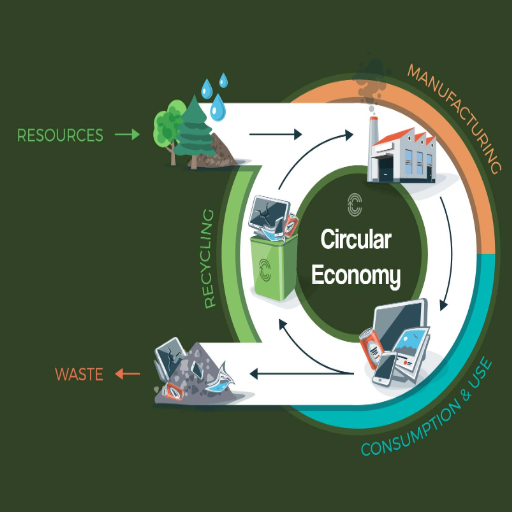
Involvement in agricultural film recycling initiatives comes with several financial and regulatory benefits. One of the benefits of recycling from an economic point of view is that it helps in minimizing the costs of waste disposal by reducing the amount dumped in landfills, which is usually expensive for any agricultural business. In addition, several of these programs provide rebates or other incentives for recyclables, lowering the cost of operations, which can also serve as an income source.
In terms of regulation, most of these recycling services help agricultural enterprises or individuals to avoid any punishments or negative consequences, such as fines for waste materials. Most of the regulations are designed in such a way that they are not only achieved but are also customer-friendly in the sense that they reflect the stance of society on environmental issues. In most cases, good taste promotes recycling. These advantages, in sum, help make costs easier to bear while promoting the fulfillment of legal and environmental obligations.
💵 Cost Savings & Profit Opportunities
Cost-cutting becomes apparent, and profitability builds thanks to the introduction of recycling programs and appropriate treatment of waste. Waste disposal batteries can be solved through the recycling of collecting plastic or metal, organic, or inorganic waste. Furthermore, selling to the manufacturing industry waste products that have been recycled generates income. There are also measures for energy recovery from waste, like biogas, and factors for utility costs recovery in the institutions. Extensive utilitarian practices not only save but stays within the law and expand the client base, as thought for ‘green-marketing’ focused customers. Accordingly, economic operations are adopted in an environmentally friendly manner, which is, in turn, yet another factor in cost reduction and profitability.
📜 Government Incentives & Regulations
Several countries across the world have undertaken different measures by enacting laws, regulations, and policies to encourage the use of recycling and waste management practices that are sustainable. The list includes tax reliefs, grants, and subsidies that are offered to businesses that incorporate recycling practices within their business models. Moreover, measures such as legislative enactments on obligatory recycling restrictions and even landfill taxes are meant to mitigate the levels of waste disposal in landfills to enhance the recovery of more materials. These regulations do not just facilitate adherence; they themselves bring about the potential for innovation and adoption of processes that are sustainable in terms of the environment, along with profits.
| Benefit Category | Examples | Who Benefits |
|---|---|---|
| Cost Reduction | Lower landfill fees, reduced disposal costs | Farmers, agricultural businesses |
| Revenue Generation | Selling recyclables, energy recovery (biogas) | Recyclers, processors |
| Regulatory Compliance | Avoidance of fines, EPR adherence | Producers, distributors |
| Government Incentives | Tax reliefs, grants, subsidies | Businesses, farmers |
| Market Expansion | Green-marketing to eco-conscious customers | All agricultural enterprises |
Long-term Sustainability Benefits for Agriculture
Sustainable systems in agriculture entail many different factors and focus on attaining positive outcomes without compromising anyone. These systems benefit from methods such as planned rotations of crops, no-till practices, and applicable pest control, which all help improve the condition of the land. Soil erosion is also reduced as there is less need to use many chemicals, such as fertilizers.
Looked at from an agricultural point of view, there are various techniques that allow farmers to reach high outputs within land care, minimizing the effects of greenhouse gases. Moreover, different schemes, such as precision farming, which is based on the science of optimizing all input resources, including water and fertilizer, enhance efficiency and reduce wastage.
Apart from that, these practices are eco-friendly and at the same time protect agricultural film recycling against any climatic changes and ensure that in the future, food is available to everybody at all times in abundance. This brings to light how important it is to work and be geared towards sustainability within the agricultural sector.
Summary
Agricultural film recycling sits at the crossroads of environmentalism, economy, and modern farming. By understanding the types of film in use, acknowledging the real environmental cost of mismanagement, adopting proven cleaning and sorting practices, leveraging innovative technologies, and engaging with structured recycling programs, farmers, businesses, and policymakers can collectively transform a widespread waste problem into a sustainable cycle of resource recovery — benefiting both the land and the bottom line.
Reference Sources
Ag Plastics – Cornell Cooperative Extension Tioga County-Read more on Cornell Cooperative Extension
This source discusses the challenges and opportunities in recycling agricultural plastics.
Recycling Silo Bags and Other Agricultural Plastic Films-Explore the guide from the University of Wisconsin Extension
This guide provides a step-by-step approach to recycling agricultural films effectively.
Recycling Agricultural Film Plastic: Best Management Practices-Access the presentation from Cornell University
This presentation highlights challenges, new equipment, and emerging markets for recycling agricultural plastics.
Frequently Asked Questions (FAQs)
What are the available ways for farmers to recycle agricultural film, and what is the procedure for recycling agricultural film?
For instance, mulch, greenhouses, and recycling of any silage wrap, etc., is possible. Farmers can collect all those films, sort them by polymer type (LDPE, HDPE, PP), remove any dirt and plant remnants, and take them to a nearby recycling center in one piece. Also, agricultural films are recovered – this means and includes all segments of films in particular – sorting, shredding, washing, re-pelleting or extrusion; using these and agricultural film recycling methods offers benefits which include waste handling, Ly decreases pollution, aids in averting waste from preliminary consumption plastic waste to second consumption agriculture applications.
In what way do washing, recycling, and pelletizing generate recycled pellets that may be used for agricultural applications?
Once the shredding film and all of its dirt and debris are washed off and dried, they are then put through an extruder where the plastic melts and is filtered to eliminate remaining contaminants. The molten plastic is then pelletized, turning into a useful recyclable product that may be used for covering greenhouses, replacing mulch film, or other items for farming. The quality of the pellets goes hand in hand with: uniformity of the processing waste of the treated plastic (LDPE/HDPE), efficiency of filtration and degasification of the gases, and extrusion parameters adjustment, if necessary, to achieve maximum properties typical for unmodified polymers.
Is agricultural film recycling at the farm, or on a prototype scale, feasible?
Sure, it is possible. Pilot projects and systems of decentralized facilities for collecting can be such a solution that does not envisage extensive haulage of waste, involves farmers more, and incorporates activities related to material management and cleaning at farms into agricultural film recycling. In sustainable methods, there is an insistence on source segregation, minimum waste, where regional reuse or a reuse center in the framework of the Sunfield methodology, or another local source of recycling, is involved, and the recycled materials enter a production process instead of waste disposal in landfills, thus conserving resources and reducing environmental damage.
What are the difficult varieties of polymers and contaminants while recycling agricultural film?
LDPE (the bulk of mulch and silage film) is primarily used in polyethylene greenhouses, whereas most rigid aero plastics can’t be used for such constructions. Mixed polymer structures or multi-layered films make the processing even more complex, as they find it hard to obtain contaminant-free materials. Shredding, washing, and even filtering the soil, fertilizers, pesticides, remnants of crops, glue for baling, rope, and heavy fouling dust, among others, as contaminators. Tangible damage to extruders and the yield of quality recycled matter are inevitable if these contaminants are not contained.
How can such pellets be used in the subsequent agricultural practices such that agricultural film recycling actually makes sense?
It is possible to manufacture more agricultural film, greenhouse films, bale wrap, or even other agricultural-related packaging devoid of food using repurposed plastic. Agricultural film usage, hence, is also likely to contribute to addressing the issue since they help in waste minimization through composting. Still, the use is oral, where the type of polymer, the restraint, and the level of cleanliness of the pellet will influence the quantity of usage and the exact type of products in question.
What program, model, or facility is required to expand the scope of agricultural film recycling to more farms and broader territories?
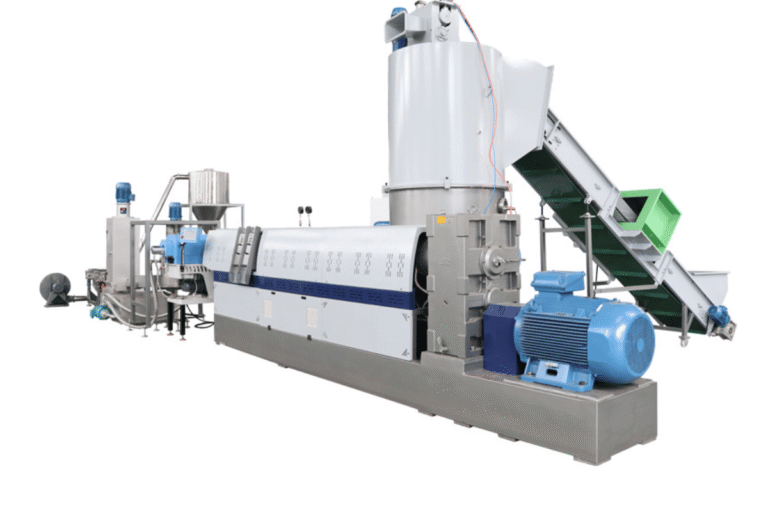
To scale up, there is a need to have collective collection programs, outreach to farmers, a list of materials that can be accepted, regional recycling centers, investment in machines like agricultural film recycling units comprising shredders, agricultural film washing and recycling systems, extruders, pelletizers, and also recycled material markets. Among other measures, there are pilots, collaboration with recycling centers, policies to lower residue, and standard operating procedures for stacking and storage of spent agricultural film to achieve low contamination and easy transportation.