Get in touch with Kitech Company

LDPE Film Washing Line – Agricultural Film Recycling

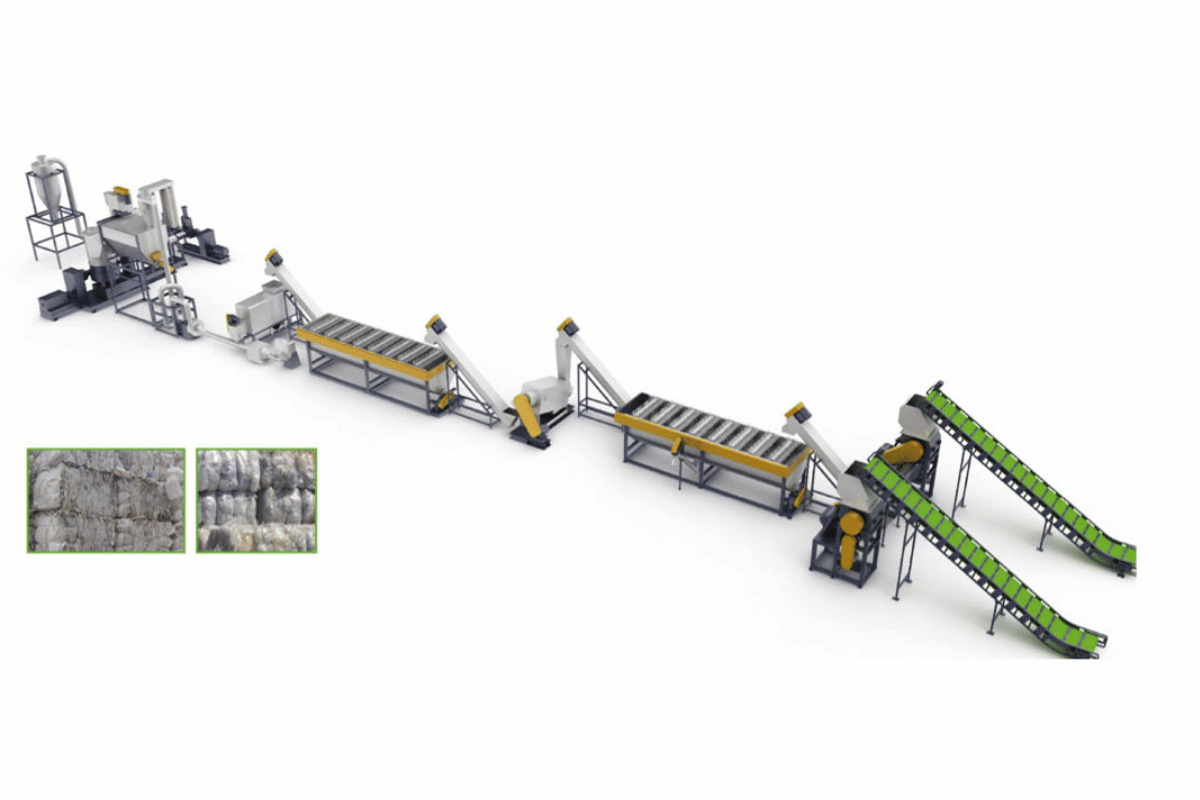
LDPE Film Washing Line: Complete Guide to Agricultural Film Recycling
The recycling process for agricultural films which includes Low-Density Polyethylene (LDPE) films has become a central objective of sustainable agricultural research efforts. Farmers now use plastic films more than ever before which includes mulch films and greenhouse coverings and silage wraps and this development creates additional waste that people improperly dispose of in landfills or in natural environments.
The LDPE film washing line serves as an essential solution for this problem which enables a complete process that transforms polluted agricultural plastics into clean reusable materials. The article assesses how LDPE film washing lines operate and why these systems matter for contemporary recycling methods which support the circular economy. The readers will learn how this technological solution protects the environment while advancing fresh approaches to manage plastic waste.
Importance of Recycling LDPE
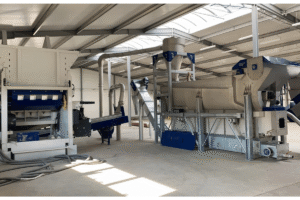
The process of recycling LDPE (Low-Density Polyethylene) needs to occur because it benefits the environment by reducing pollution while it preserves natural resources. People use LDPE material in plastic bags and food packaging and agricultural films because these products need to be discarded after use which creates waste that overcrowds landfills and contaminates ocean waters. Recycling this material decreases the requirement for new plastic production which results in reduced fossil fuel usage and lower greenhouse gas emissions. The process converts discarded LDPE into new materials which enables sustainable waste management and creates a circular economy system that continuously repurposes resources. The practice of recycling LDPE serves as an efficient solution to combat the worldwide problem of plastic waste.
Environmental Impact of Plastic Waste
Plastic waste causes environmental issues which result in ecosystem damage and harm to wildlife and human health. The five impacts which scientists confirmed through their research work and data analysis represent essential elements of their findings.
Marine Ecosystem Disruption
Estimates indicate that more than 14 million tons of plastic waste enter the ocean every year which amounts to approximately 80 percent of all marine debris discovered in oceans. Microplastics which form when plastic breaks into smaller pieces through environmental conditions have been discovered in the digestive systems of more than 700 marine species which experience health problems and reduced chances of survival.
Greenhouse Gas Emissions
The production and incineration of plastics create substantial greenhouse gas emissions which reached a total of 850 million metric tons in 2019. Current predictions indicate that total emissions will reach 2.8 billion metric tons by 2050 which will worsen climate change impacts.
Land Pollution and Soil Degradation
The improper disposal of plastic waste particularly affects single-use plastics which end up in landfills and open spaces. The research demonstrates that microplastics can permeate soil systems which leads to decreased soil fertility and disruption of natural nutrient cycling processes that harm agricultural production.
Threats to Terrestrial Wildlife
Plastics which exist in land environments present major dangers to terrestrial animals because they can consume plastic waste or get caught in plastic materials which results in serious injuries or death. Research shows that 20 percent of terrestrial animals tested for plastic waste consumption have plastic waste in their stomachs which demonstrates how widespread this problem has become.
Human Health Implications
People now regard microplastics as a rising threat because they exist in both drinking water and food sources. The World Health Organization study found that approximately 90 percent of bottled water brands worldwide tested positive for microplastics, which raises concerns about the health effects of long-term consumption, especially its potential to disrupt hormone function.
The urgent need for policies that tackle plastic waste proves essential because these major effects demonstrate how important it is to develop new solutions through international partnerships.
Benefits of LDPE Recycling
The recycling process of low-density polyethylene (LDPE) delivers multiple benefits through its combination of technical progress and environmental safeguards and economic advantages. The recycling of LDPE provides five major benefits which are described below:
Reduction in Landfill Waste
The recycling of LDPE materials from plastic bags and shrink wraps and bubble wraps leads to a major decrease in waste that would have gone to landfills. The Environmental Protection Agency (EPA) reports that around 27 million tons of plastic waste enters United States landfills each year, but recycling LDPE provides an effective solution to decrease this problem.
Energy Conservation
The recycling process for LDPE consumes much less energy than the manufacturing process which uses raw materials to create new plastic products. Research indicates that recycled LDPE usage results in energy savings between 60 and 70 percent when compared to the energy needed to produce plastic from new materials.
Lower Greenhouse Gas Emissions
The recycling of LDPE materials reduces carbon emissions because it decreases the requirement to create new plastic materials which generate high carbon emissions during production. The recycling of one ton of plastic waste results in the prevention of approximately 1.5 tons of carbon dioxide emissions which helps decrease the total environmental impact.
Cost Efficiency in Manufacturing
Manufacturers can achieve production cost savings by using recycled LDPE which enables them to produce products with pre-existing materials. The packaging and construction industries achieve economic sustainability through their access to low-cost recycled plastics which remain in constant supply throughout the market.
Preservation of Natural Resources
The recycling process of LDPE decreases the need for raw materials which include crude oil and natural gas. This process helps to maintain limited resources so that future generations can use them while it decreases the environmental damage which comes from resource extraction operations.
Role of Agricultural Film in Plastic Pollution
The agricultural film industry encounters two major difficulties because its wide distribution system along with its incorrect waste disposal methods lead to extensive plastic waste contamination which produces serious environmental damage. I understand that while these films are essential for improving crop yields and protecting soil their durability and large-scale application create environmental problems because they become waste. The disposal of agricultural film waste results in microplastic pollution which permanently harms soil and water systems because it remains untreated. The developing environmental crisis requires me to endorse eco-friendly practices which include improved recycling systems and the implementation of compostable products.
Features of an LDPE Film Washing Line
The LDPE film washing line has been developed to complete the washing process of low-density polyethylene (LDPE) films which will make them appropriate for recycling. The system consists of three main components which function together to achieve its intended purpose.
1
Pre-Washing and Sorting Units
This system enables operators to remove heavy contaminants which include sand and stones and large debris before they start the main washing operation.
2
Shredding and Size Reduction
This system uses advanced shredders or crushers which transform film materials into smaller uniform pieces that can be easily cleaned and dried.
3
Friction Washers
This system uses high-speed friction to scrub film surfaces for the purpose of removing dirt and labels and adhesive residues.
4
Hot Washing System
The system creates a washing environment which uses controlled heating to dissolve stubborn contaminants that include oil and grease.
5
Separation Tanks
The system employs water-based density separation to separate LDPE films from both heavier impurities and non-polymeric materials.
6
Drying Mechanisms
The system uses centrifugal dryers and thermal systems which work together to extract all moisture until the films reach complete dryness for their next processing stage.
7
Automated Control Systems
The system provides users with programmable controls which enable them to operate machines while operators can monitor activities for process control which ensures operational consistency and efficient work execution.
The recycling operation achieves success because its components work together to sustain material purity while they minimize waste production.
Benefits of a Recycling Washing Line
The recycling washing line system provides essential advantages which contemporary recycling facilities require for their successful operation.
Improved Material Recovery
The process successfully eliminates all unwanted substances from recycled materials which include dirt and adhesives and oils to produce cleaner recycled materials of higher quality.
Environmental Sustainability
The system decreases landfill waste through its ability to reuse materials while it simultaneously decreases environmental pollution.
Operational Efficiency
The combination of automated controls with streamlined work procedures results in decreased energy requirements and decreased staffing expenses.
Cost-Effectiveness
The system achieves lower operational expenses through its operational machinery which generates efficient performance and its ability to decrease waste handling costs.
Versatility
The system can handle various plastic materials which enables it to meet different recycling requirements.
The recycling washing line system functions as a fundamental element which enables recycling operations to achieve both sustainable practices and efficient functionality.
Technology in LDPE Film Washing
The washing systems for LDPE films use advanced mechanical systems together with chemical methods to achieve their cleaning and contamination elimination goals. The system uses friction washers to achieve its operation because they create high-speed rotational force which scrubs away dirt and impurities from surfaces and it uses float-sink separation tanks to separate LDPE films according to their water density characteristics. The system uses hot washing systems to remove persistent contaminants which include adhesive materials and oil substances. The technologies maintain material integrity while producing high cleanliness levels which enable LDPE films to be recycled and reused effectively.
Efficiency of Film Crushing and Washing
The film crushing and washing process achieves its effectiveness through two main factors which include the mechanical operations and the quality of input materials. efficiency rates typically range from 85% to 95% when modern systems are employed. The advanced blade designs which crushers use together with the washing tanks’ normal water discharge and the hot washing systems’ exact temperature management create high-efficiency operations. The combination of automated feedback systems with AI-based monitoring systems works to improve operational precision while decreasing resource waste and energy use. The process of implementing these technological improvements results in successful LDPE film processing which achieves complete recycling readiness through minimal material waste.
Benefits of Using a Film Washing Line
The recycling process of plastic films which include LDPE materials benefits from multiple essential advantages that a film washing line delivers. The system guarantees complete purification because it removes all impurities including dirt and adhesive materials and residue contaminants which leads to better recycled material quality. The system achieves its highest operational efficiency to produce usable plastic at maximum output which results in decreased processing waste. The new washing lines use modern technology to improve operational efficiency because they use less water and energy yet maintain their system performance. The combination of these advantages establishes eco-friendly recycling methods which produce superior recycled plastics that can be used in multiple industries.
Improving Plastic Recycling Processes
Advanced Separation Technologies
Recycling facilities achieve 95% sorting accuracy through their use of optical sorters and near-infrared (NIR) technology which allows them to separate different polymer types. The process creates cleaner materials which leads to better results in recycling operations that follow this step.
Decontamination Efficiency
Modern washing systems achieve decontamination rates above 99% which enables them to remove all adhesives and oils and labels from contaminated materials. The process produces recycled plastics with high purity levels which can be used in high-performance applications.
Energy Reduction in Processing
The latest developments in mechanical recycling technology have decreased energy needs by 30% when compared to conventional recycling techniques which results in reduced carbon emissions during the recycling procedure.
Closed-Loop Recycling Systems
About 75% of materials in closed-loop recycling solutions can be reused for the same purposes as their original uses. The practice reduces resource demands while it helps build a system that supports circular economic development.
Chemical Recycling Advancements
The development of chemical recycling methods through pyrolysis and depolymerization enables the transformation of complex plastic waste into fundamental monomer components. The processes achieve a recovery rate above 85% which enables the recycling of hard-to-recycle plastics into usable materials that would have gone to landfills.
The Role of Advanced Technologies in Plastic Recycling
Current plastic recycling methods rely on cutting-edge technologies to achieve optimal environmental performance and operational effectiveness. The industry reached significant achievements because it adopted new technological solutions, which enabled better material recovery and reduced energy usage and waste creation. The following advanced technologies bring revolutionary changes to plastic recycling processes:
- Optical Sorting Systems
Optical sorting systems use artificial intelligence together with advanced sensors to achieve precise identification of different plastic materials. The system uses near-infrared (NIR) spectroscopy to identify polymer types which results in precise material separation that achieves 98% contamination rate reduction. - Hydrothermal Processing
Hydrothermal processing uses superheated water that operates under pressure to transform plastic waste into its fundamental monomer components. The technique shows high recycling efficiency for PET because it produces clean raw materials through minimal chemical use which results in lower emissions than standard mechanical recycling methods. - Chemical Recycling
Chemical recycling uses pyrolysis and depolymerization methods to transform plastic waste materials into valuable feedstock and hydrocarbon products. The methods enable recycling of mixed plastics and degraded plastics which normally present processing challenges, leading to successful material recovery that reaches 90% efficiency. - Automated Robotic Sorters
Robotic arms use machine learning algorithms to perform fast sorting tasks while they handle different plastic waste materials. The system achieves high-speed performance by using a capacity of 70 picks per minute which increases overall sorting line output while it decreases the need for manual work and boosts operational performance. - Blockchain for Recycling Transparency
Recycling organizations increasingly adopt blockchain technology to monitor and authenticate the entire process of recycled plastic materials. The system allows tracking to start from collection and continue through processing until it reaches end-product application which helps organizations meet sustainability requirements while maintaining traceability in their supply chain.
The system uses its technologies to improve recycling results while developing an economic system that converts plastic waste into reusable products that do not harm the environment.
Cost-Effectiveness for Agricultural Operations
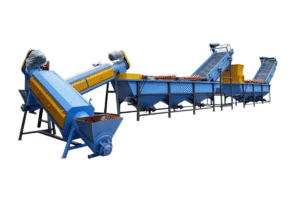
The agricultural operations achieve cost-effectiveness through resource optimization together with advanced technology implementation. The main business strategies use precision farming which applies data-driven methods to water and fertilizer and pesticide use for waste and input cost reduction. The operational expenses decrease significantly when solar-powered irrigation systems are used as renewable energy sources because these systems operate over long time periods. The methods provide essential benefits to sustainable and profitable farming because they boost productivity while reducing unnecessary costs.
Enhancing Sustainability Practices
Organizations will develop better sustainability practices through their implementation of new technological insights. Farmers use AI-powered tools which include predictive analytics and machine learning models to track their crop health throughout the day while they use advanced weather forecasting and pest detection methods. The combination of these technologies with sustainable farming practices enables agricultural operations to achieve efficient resource usage and waste reduction which leads to higher productivity. The combination of traditional ecological principles with advanced AI technologies demonstrates an innovative solution to worldwide agricultural problems which also protects environmental sustainability.
Choosing the Right LDPE Film Washing Line
The selection process of an LDPE (Low-Density Polyethylene) film washing line requires assessment of three main factors which include capacity needs and contamination levels and energy efficiency. The first step involves determining daily material processing requirements of the washing line because this information helps establish equipment capacity for your production needs. The assessment requires you to examine the present contaminants in LDPE film because certain systems exist which can treat heavy contamination through their advanced hot washer and friction washer cleaning processes. The selection of systems needs to include energy-efficient design features which include efficient motors and water recycling systems because energy efficiency serves as a critical factor for lowering operational expenses. The washing line must maintain compatibility with downstream recycling processes which include film pelletizing to achieve proper workflow integration. The selection process should focus on systems which originate from established manufacturers that demonstrate successful performance in processing LDPE film materials.
Key Considerations for Industrial Use
Processing Capacity
The washing line needs assessment to determine its capacity for processing the expected amount of LDPE film waste material. Industrial systems should operate at high throughput rates which typically range between 500 kg/h and 2000 kg/h to meet their requirements.
Energy Consumption
The system requires an energy efficiency assessment for its complete system which consists of its motors and pumps and dryers. Electricity consumption in systems that use advanced energy-saving technologies decreases by 30% which results in substantial cost savings for businesses throughout extended time periods.
Water Usage and Recycling
The washing line must use water recycling systems which reduce water waste through their operation. Closed-loop water systems in industrial settings enable water to be reused at a 90% rate which promotes sustainable practices while reducing environmental impact.
Contaminant Removal Efficiency
The system needs to be tested for its capability to eliminate contaminants which include sand and oil and adhesives from LDPE films. The recommended systems should have multistage separation units that can achieve cleaning efficiency levels of 95% or above.
Integration with Downstream Equipment
The system needs to be tested for compatibility with downstream recycling operations which include extrusion and pelletizing machines. The integration of different workflows enables recycling processes to maintain consistent material quality while achieving optimal operational efficiency throughout the entire recycling cycle.
Comparing Different Recycling Machines
The assessment process for recycling machines dedicated to LDPE processing needs to evaluate performance metrics together with operational efficiency and technological advancements. Recycling machines present different operational capabilities because their technical specifications determine their maximum output and energy requirements and material handling capabilities. Industrial-grade machines which operate at high capacity can process 1,500 kilograms of LDPE per hour whereas smaller machines serve facilities which need to process 300 kilograms per hour.
Advanced motor systems together with heat recovery technology systems enable machines to operate with 30 percent lower energy needs when compared to traditional equipment. The development of automatic impurity detection systems together with AI-based sorting technology has resulted in machines achieving enhanced accuracy in eliminating contaminants which leads to better material yield and quality.
High-end equipment stands apart from other products because it offers complete integration with intelligent monitoring systems which work with Industry 4.0 standards. The system provides complete visibility into performance together with predictive maintenance capabilities which help to maintain equipment longevity while minimizing operational interruptions. Recycling machine selection requires stakeholders to evaluate their necessary operational capabilities together with the machines ability to meet future industry developments and environmental compliance requirements.
Tips for Selecting the Best Washing Recycling Line
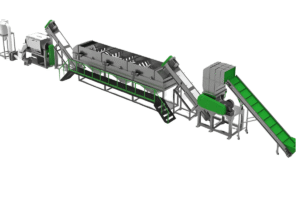
Materials That can be Processed and Output
Check whether the washing line is designed to wash the plastics or materials that you have like for example HDPE, PET, LDPE and so on. Check the output rate of the system and whether it will match the production requirements. For example, there should be daily throughput volumes of about 500 kg/h up to more than 3000 kg/h in the appropriate system.
Energy and Water Utilization
Choose the system that is designed with minimum water and energy consumption. Recent versions come with a closed-loop water filtration system whereby consumption could be reduced to almost 70% thus cutting the running costs and saving on resources.
System Hierarchies with Built in Controls
In your search, consider the automated systems offering real-time monitoring. It is possible to rely on the control systems implemented in such equipment as PLCs and intelligent sensors introduced into the manufacturing system since less human intervention will be possible resulting in faculties being maintained. For added convenience, opt for those systems that contain enabling features for remote viewing.
Durability Quality and Repairability
The construction of the manufacturing process equipment and the materials which it is made of should be timely taken under consideration during the purchase of such equipment. Corrosion and abrasion resistant alloys, i.e. stainless steel, parts are available. Also, there are systems that are configured in a manner that individuals can simply cut some of the components in those systems when maintained.
After Sales Services and Coverage
In terms of the installation and operation of the machine, especially the LDPE film washing line, it is crucial that users are exhaustively trained on how to operate the new machine. This can be supported by having sound regulatory frameworks and equipping an efficient costumer care unit to handle any issue that may arise. It is therefore essential that the manufacturer of the equipment provides adequate training on the operation of the equipment to the direct users if the equipment has to be used within the warranty period. In order for stable work, it is necessary to have a reliable supply of training, spare parts and technical support from the supplier afterwards. Choose the producers who extend the warrant coverage of at least one to two years, on vital devices i.e hill reducers, washing systems, and motors among others. This acts as a buffer in case of any potential accident.
Also, every reliable manufacturer produces an LDPE film washing line in different configurations, with different capacities depending on the market and on the customer’s requirements.
Reference Sources
- LDPE Film Recycling and Washing Line – Aceretech
Describes a customized LDPE film washing line with a focus on efficiency and resource promotion. - LDPE Film Washing Recycling Line
Highlights a high-efficiency washing line for contaminated LDPE films and bags, with modular design and energy-saving features. - Step-by-Step Guide: How LDPE Film Washing Lines Work
Explains the processes involved in LDPE film washing lines, designed to clean and prepare post-consumer LDPE film for recycling. Recommend reading: Industrial PE Film Washing Line Complete PP PE Recycling Solutions
Frequently Asked Questions
1. What Is the Designated Function of a Low-Density Polyethylene (LDPE) Film Washing Line?
The LDPE film washing line functions as a complete washing system which performs all necessary procedures to process post-consumer and post-industrial LDPE waste which consists of agricultural films and packaging films and shrink wrap. The system uses several washing processes which both eliminate impurities and convert the material into refined LDPE flakes. The recycling operation produces material which manufacturers transform into new plastic items through the processes of re-pelletizing and production work.
2. What Are the Essential Components and Processing Stages of a Standard LDPE Film Washing Line?
The LDPE film washing line operates through a complete system which executes multiple processing steps that require dedicated equipment for each specific function.
Size Reduction
A primary shredder or granulator converts baled or loose LDPE film into smaller pieces that possess consistent size attributes. The material requires this step because it establishes the conditions that result in optimal efficiency during all subsequent activities.
Washing and Separation
The initial step of this process uses a friction washer to perform heavy-duty scrubbing which removes all outside contaminants. The process starts with a sink-float tank which identifies low-density LDPE material that has a density below 1.0 g/cm³ and separates it from PET and metal contaminants.
Hot Wash System
The industrial hot wash tank utilizes heated water together with an alkali solution to eliminate stubborn contaminants which encompass oils and glues and organic debris.
Dewatering
The high-speed centrifugal and screw press dewatering machines eliminate most process water from the LDPE flakes after all washing operations have been finished.
Thermal Drying
The thermal drying system for this process uses hot air circulation until the material achieves its equilibrium moisture content which must remain under 5 percent for proper extrusion stability.
3. How Does the System Manage Heavily Contaminated LDPE, Such as Agricultural Films with Soil?
The system requires its multi-stage design because it needs to treat materials which have high contamination levels. The pre-washing process or trommel screening process enables operators to remove all loose heavy debris which includes rocks and soil from the system. The high-speed friction washing process uses aggressive mechanical scrubbing to remove all dust particles which had stuck onto the surface. The hot washing stage progresses through multiple steps which dissolve organic matter and various other residues. The system achieves effective processing through its combination of mechanical action chemical treatmentand density separation operations which enable it to process heavily soiled LDPE to achieve high purity standards.
4. What Is the Significance of the Final Moisture Content for Recycled Ldpe?
The final moisture content needs to reach a minimum level because it acts as the main quality control standard. The water in the LDPE flakes will turn into steam if their moisture content exceeds the threshold during the melt extrusion procedure. The process creates void spaces which lead to reduced mechanical strength and variable material properties inside the molten polymer. The production of high-value processable recycled material depends on an efficient thermal drying system.
5. What Are the Principal Challenges in the Operation of an LDPE Film Washing Line?
Operating efficiency requires organizations to control multiple critical factors which affect their operations. The waste stream from incoming materials contains various non-LDPE plastics and paper labels plus abrasive materials which create challenges that require process changes and equipment that can withstand heavy demands. The presence of abrasive contaminants such as glass and sand causes major damage to shredder blades and screws plus other parts which requires maintenance to prevent equipment failure. The process needs proper filtration methods to maintain water quality because this aspect affects both cleaning efficiency and environmental regulations.
6. What Are the Environmental and Economic Benefits of Implementing This Recycling Technology?
The environmental impact of LDPE film washing lines reaches its peak because they function as waste reduction systems which eliminate substantial amounts of plastic waste from both landfills and incineration facilities to promote circular economic processes. The process minimizes land requirements while it prevents dangerous substances from entering the environment. The process establishes a dependable recycled polymer source which decreases the need for fossil fuel-based resins that come from newly extracted resources while it decreases the environmental impact of plastic manufacturing. The technology converts waste material that has low market value into industrial feedstock which creates business opportunities while supporting sustainable resource management practices.