Get in touch with Kitech Company

How to Process High-Sediment Woven Bags?

How to Process High-Sediment Woven Bags: Complete Technical Guide
Dewatering Methods, Washing Processes, and Recycling Best Practices
The essential procedure which processes high-sediment woven bags operates as a fundamental requirement for all industries which handle bulk materials together with construction debris and agricultural products. The bags contain sediment together with debris which makes it difficult to use them again or throw them away. The guide explains all necessary practices and equipment and methods which organizations need to handle high-sediment woven bags efficiently while maintaining their operational performance and environmental regulations. The article provides a technical roadmap which helps you clean recycle or repurpose these bags while solving major obstacles in the process.
Understanding High-Sediment Woven Bags
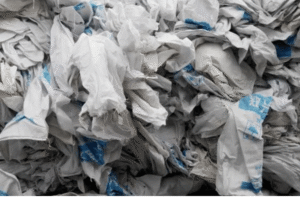
Engineers designed high-sediment woven bags to function as sturdy containers which they built to transport materials that contain high levels of particulate matter. The bags get made from tightly woven polypropylene or polyethylene materials which provide high tensile strength and protection against tearing during heavy weight situations. Their primary function enables safe transportation and secure storage of heavy and abrasive materials while their design protects against spillage and contamination.
What are High-Sediment Woven Bags?
The specially designed high-sediment woven bags serve as industrial containers which handle and move materials containing high sediment quantities. The bags which manufacturers create from tightly woven synthetic polymers use polypropylene as their main material for building strength and filtration and weight capacity. Their advanced weave patterns and optional lamination allow them to retain fine particulate matter while permitting controlled drainage of excess liquid, making them highly effective in applications involving wet or sediment-laden materials. These bags find extensive use across various industrial fields including construction which requires dewatering slurries and environmental services which need sediment filtration in water treatment and agriculture which requires transporting wet soil or organic materials.
Challenges of Processing High-Sediment Woven Bags
The operation of woven bags that contain high amounts of sediment faces multiple difficulties which arise from the abrasive properties of sediment and the resulting operational requirements that affect equipment and materials. The woven fabric experiences wear and tear because of extended contact with coarse particles which diminishes its strength throughout time. The design of these bags needs to have proper permeability because their current state leads to bag clogs which obstruct proper filtration and drainage processes. The bags become challenging to handle because their weight limit creates a situation where handling becomes dangerous and damages occur.
Importance of Dewatering in Bag Processing
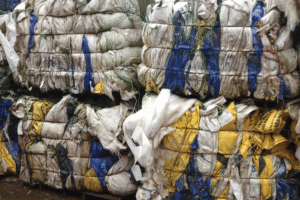
The dewatering process enables bag processing to reach its fullest operational capacity because it meets environmental standards which decrease operational downtime. The following five details demonstrate the significant value of this process:
1. Reduction in Transportation Costs
The weight reduction achieved through water content reduction in bags leads to decreased transportation costs. Research shows that dewatering reduces material weight by 40 percent which results in cheaper logistics costs.
2. Improved Waste Management
Dewatering provides a better method to manage and dispose of sludge and residual materials. The disposal process becomes safer and more effective because dry or semi-dry waste materials present reduced risks of leakage and contamination.
3. Enhanced Filtration Efficiency
Dewatering enhances the filtering capacity of filtration bags by preventing material accumulation while facilitating the separation of solid and liquid materials. Industrial application case studies demonstrate that process optimization enables facilities to achieve process throughput increases of up to 20 percent.
4. Environmental Compliance
Industries achieve compliance with liquid waste disposal regulations by decreasing water levels in their waste streams. The EPA and other regulatory agencies set water discharge limits that require dewatering to prevent legal problems and monetary penalties.
5. Longevity of Equipment
Proper dewatering protects equipment by reducing excessive moisture and associated corrosion risks. Controlled dewatering extends the lifespan of filtration bags and mechanical systems by 30 percent which helps to decrease replacement and repair expenses.
Dewatering Techniques for High-Sediment Woven Bags
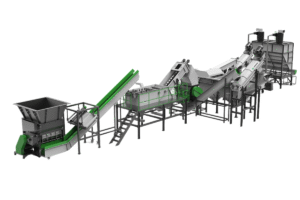
The dewatering of high-sediment bags requires an assortment of proven methodologies capturing the following strategies:
Gravity Drainage
The technique employs natural gravitational forces which allow the drainage of water through the fabric of these woven bags. This is the simplest and most effective method during the first phase of water removal.
Pressure Filtration
The technique works by employing hydraulic and mechanical apparatuses in transporting the water across the bag’s wall. This technique works very well in reducing the moisture content of heavily contaminated material.
Centrifugal Separation
The woven bag with the water is put in a spinning centrifuge in order to remove water from the bag. This method is most suitable in case of high amounts of sediment as it facilitates speedy drying.
Vacuum-Assisted Dewatering
This is a process whereby vacuum equipment is utilized in a continuous manner to perform water removal from the content in the bag. The system enables operation for long durations without causing build up in the system.
There are three things that should be looked into while determining the best techniques to employ and these are the type and load of the sediment, the moisture content to be achieved and the capacity within which the operations are to be undertaken.
Woven Bag Washing Processes
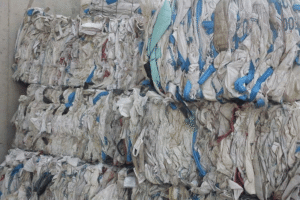
Bag cleaning has emerged as an important aspect that requires the process to wash the bags effectively without putting stress on the materials and if possible adding no harmful chemicals. There are different cleaning techniques that are used and that in most cases include surface prewash to remove any dirt on the surface, soaking to remove already embedded dirt and mechanical washing. It is advised that proper application of detergents is encouraged to clean the woven bags.
Steps in Woven Bag Washing
1. Segregation and Examination
The unit of woven bags is distinguished by the type of material they are made of, the level of cleanliness and the capacity for reusing them before being processed for washing. Such procedure avoids the cleaning agent not being compatible with the wash load and does not lead to contamination of different bags.
2. Preparation
Preparation involves clearing room of debris and any litter using air blowers and screens. Specific cases may also require the use of certain chemicals or cleaning agents, application of which is affected manually or by machinery. This stage prepares the washing line processes.
3. Soaking
Bags are lowered into baths filled with warm water and gentle detergent or degreasers to easily break down oils and dirt embedded within the fabric. Water for soaking is maintained at 40-60 degrees Celsius to enhance dirt release without damaging the fabric.
4. Washing by Machines
Bags are cleaned with rotary washing machines or tunnel washing machines. The principle uses hot water (60°C – 90°C) with detergent solution and mechanical action. Washing duration is adjusted according to the degree of contamination with 10 to 30 minutes being the optimal limit.
5. Rinsing
After this step the bags go through several stages of rinsing in order to free them from the detergent. The use of water under pressure at ambient or warm temperature is done in several stages so that all the substances used in cleaning are removed.
6. Drying
The dried woven bags are structured with dry air in order to maintain their forms. Hot air or conditioned humidity dryers are used and temperature should not exceed 80°C-100°C.
7. Quality Inspection
When the treatment is complete, each of the bags is scanned and checked for any tears, damages, stains, or other visual imperfections using both human and machine inspection. Computer aided technology ensures that bags not meeting quality standards are not reused. Faulty bags are patched or otherwise dealt with.
8. Packaging and Storage
Bags that have been laundered are classified, folded up, and packed in lots for storage or shipment. Storage facilities are maintained in a dry and sanitary condition to avoid any form of contamination.
Friction Washing for Enhanced Cleaning
Washing that uses friction is meant to clear the surfaces of woven bags and achieve perfect cleaning due to deposits removal. The high speed rotating mechanisms work because they scrub against the surface as they rotate and this results in the removal of dirt, oil and residue from the surfaces. Without such a technique, particles that penetrate deeper into fibers of a bag that would otherwise seem useless can be removed. Such process uses friction for better cleaning thus less water is required to clean wet surfaces hence very efficient and promotes environmental care.
Best Practices for Recycling High-Sediment Woven Bags
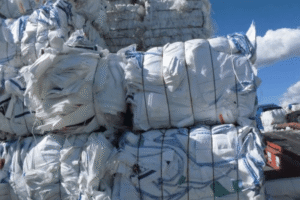
Comprehensive Approach to Handling Woven Bags
Remove Sediment First
Pre-cleaning of the bag before reclamation takes place is necessary. The removal of sand or dirt helps to minimize waste and improve processing efficiency.
Identify Bag Type
Ascertain the type of woven bag, whether it is PP Woven Bags or other materials, to limit raw material recovery loss and improve the efficiency of recycling processes.
Examine for Contaminants
Inspect the bag for oil, chemicals, or other hazardous materials. Bags that are highly contaminated may require some form of treatment and may be impossible to recycle.
Use Proper Facilities
Use facilities that appropriately cater for the recycling of these materials. Such facilities will guarantee effective and safe re-transformation of the material.
Encourage Reusability
Promote the reusability of the bags before they are recycled as much as it is practically appropriate. Such an approach minimizes waste generation and conserves natural resources.
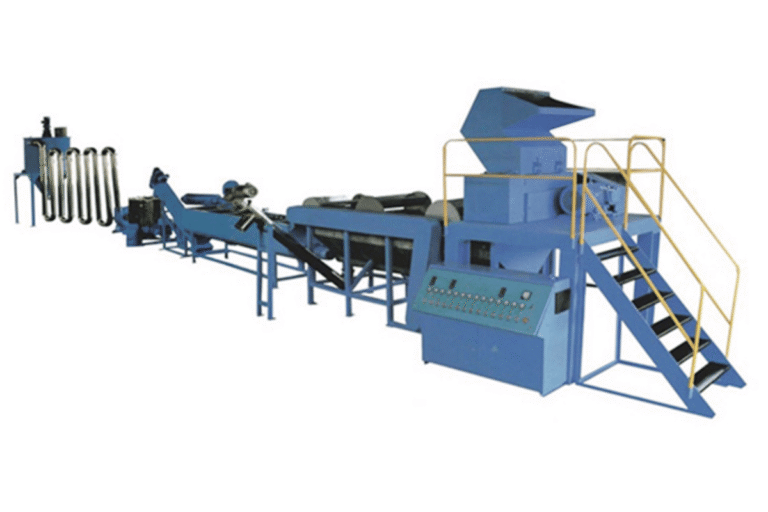
Designing an Efficient Recycling Line
Six Key Components of Efficient Recycling
- Materials Sorting: Install either automated sensors or manual separation of woven bags from other materials. Effective sorting of the input material avoids contamination and promotes the remaining material of higher value.
- Washing and Preparation: Provide for wash tanks that will clean off the woven products such as dirt, grease or residues. It enhances the effectiveness and strength of the product after processing.
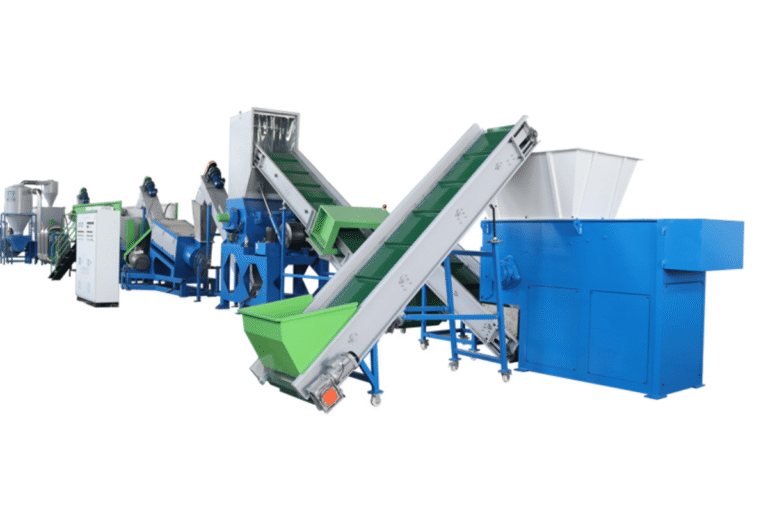
- Size Reduction and Granulation: Incorporate shredders and granulators in the recycling process which break bags into specific sizes depending on reprocessing needs so that the feedstock is always of a standard.
- Heat Treatment: Where woven bags are of polypropylene material, melting systems can be put in place to pelletize the material. The level of heat applied must be controlled because the materials have specific temperature conditions.
- Energy Efficiency: Plan the production line incorporating machines with enhanced energy efficiency and also consider recovery systems for reduction of cost of operation and effects on the environment.
- Safety and Compliance: Safety should be given paramount attention and no machine should be used unless totally safe for operation. Regulatory compliance should also be strictly adhered to in order to give quality assurance.
Tips for Effective Processing of High-Sediment Woven Bags
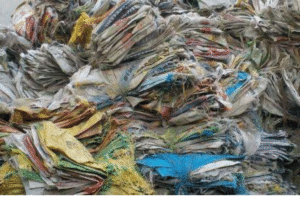
- ▪Pre-Sorting and Inspection: Ensure the respective bags are free of any prospective foreign material which may cause contamination. The objective is to conserve the workability of the machines and ensure that the constructed product is adequately clean.
- ▪Upgrade Washing Facilities: High sediment requires high pressure system washing at its implementation. Temperature of water used and the detergents are dictated by the woven bags introduced into the system.
- ▪Prevent Clogging: At high levels of sediments, it causes filtration to become more demanding, therefore requiring detailed filtering by special fine filters. It helps prevent any obstruction and facilitates the process.
- ▪Regular Maintenance: All processing machines require scheduled corrective maintenance in order to avoid any clogging of the machines and downtime.
- ▪Monitor Sediment Levels: At every stage of the operation, it is necessary to check the level of sediment deposited to ensure that the machinery is working effectively.
Frequently Asked Questions
1. What Are the Primary Challenges When Recycling Woven Bags with High Sediment Content?
Operators face two main challenges when they process woven bags that contain PP raffia and FIBC Big Bags because these bags contain excessive sediment. The operation faces challenges which include abrasive materials and the equipment’s filtration systems that become blocked. The shredding blades and crusher knives experience fast wear because of the abrasive sediment which consists of sand and soil and mineral dust. The washing tanks experience major sludge problems because fine particles enter them which causes filters to become blocked and water quality to decrease.
2. Is Pre-Washing Necessary for High-Sediment Woven Bags?
Any material with heavy soil needs to go through a mandatory pre-washing process which is also known as pre-soaking. The process requires a slow-moving sink-float tank or trommel screen to complete its initial phase before entering the main size reduction stage. The operators who remove heavy sediment at the beginning of the operation process will achieve two benefits because they will decrease granulator blade wear and protect the washing system from excessive mud and debris.
3. How Does the Shredding Process Differ for Woven Bags Compared to Rigid Plastics?
Woven bags design their structure to create flexible wrapping which makes shredding operations difficult because these bags wrap their material around the rotating shafts. The initial cut of high-sediment bags should use single-shaft shredders which include wear-resistant rotors instead of granulators. The shredder requires a hydraulic ram system which pushes lightweight bags toward the rotor. The process of wet shredding which uses water spraying into the cutting area offers two main benefits because it helps to lubricate blades while it removes loose sediment material through cleaning.
4. What Is the Most Effective Method for Separating Fine Sediment from Plastic Flakes?
Friction washing represents the most effective mechanical technique which achieves complete deep cleaning. The high-speed friction washer operates by using centrifugal force and kinetic energy to scrub plastic flakes. The equipment operates with an aggressive shaking motion which breaks loose all soil particles that stick to the woven material. The unit operates before entering a sink-float tank where heavy sediment sinks to the tank bottom which enables its removal while the lighter PP/PE material floats for collection purposes.
5. How Often Should Filtration Systems Be Maintained When Processing Dirty Material?
The standard filtration schedules used for material processing become ineffective when operators handle high-sediment feedstock. The extrusion process requires continuous melt filtration systems which include laser filters and back-flush screen changers. The systems automatically eliminate contaminants from the melt stream while production continues. The washing line water filtration system requires automatic self-cleaning filters to stop wash water from reaching a point where suspended solids build up and cause dirt to redeposit on the plastic.
6. Why Is the Drying Process Critical for Woven Bag Recycling?
Woven material has a high surface area which enables it to absorb excessive moisture along with fine silt particles. The material requires complete drying until it reaches moisture content below 3-5% because remaining water will change into steam when it enters the extruder which results in foaming and voids appearing in the final pellets. Wet sediment filtration proves more difficult during extrusion because the wet sediment remains attached to the material. The material needs both mechanical dewatering through centrifuge and thermal drying to become ready for pelletizing.
Reference Sources
- •PP Bag Recycling Machine | WANROOETECH – The recycling process receives explanation through its various steps which include shredding and water rinsing and friction washing and pelletizing.
- •Dewatering Bags – How Do They Work? – The article shows how filtration bags function to remove water from both sediment and debris.
- •How to Recycle Used Woven Bags – The article shows effective recycling through its demonstration of strong cleaning methods and its use of multi-circulation water treatment. Recommend reading: PP Woven Bag Recycling Line from Leading China Manufacturer

Trending now