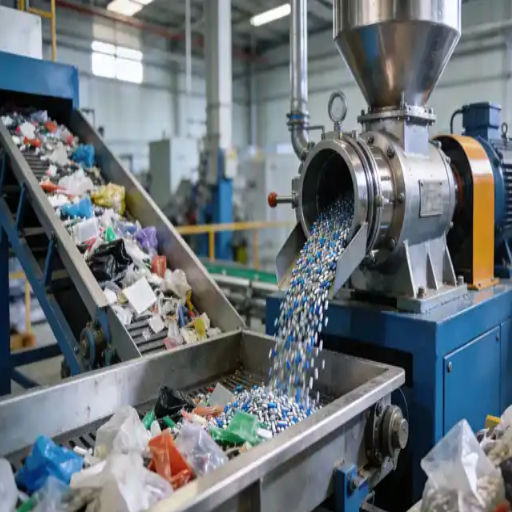
Get in touch with Kitech Company

Thermoplastic Recycling: Complete Guide to HDPE, PP, PVC, ABS, and PS


Thermoplastic recycling contributes significantly to reducing the increasing surface disposal problems and facilitating a greener production approach. Thermoplastics such as HDPE, PP, PVC, ABS, and PS are among the most utilized materials for various purposes, including packaging, construction, and electronics industries. They are hard to understand in relation to the recycling of these groups of plastics due to the differences that exist in their chemistry, contamination, and the market need for these products. With this target in mind, the present book aims at shedding light on the recycling of these major thermoplastics and giving you an invaluable understanding of their properties, recyclability, and what cases can be considered useful for problem solving casestudies. The information provided in this manual will be relevant to anyone who is involved in areas such as manufacturing or best practices for the environment. Concerns about how and why one should recycle thermoplastics, as well as how this in turn enhances sustainability, will be very clear in this resource.
Introduction to Thermoplastic Recycling
There is a strategy that is referred to as thermoplastic recycling, which is about collecting thermoplastics and converting them into other materials so as to reduce the wastage of resources. Some thermoplastics like Polyethylene, polypropylene, Polyethylene Terephthalate, etc., have properties that allow them to be melted and molded over and over again with very little reduction in their original properties, hence they can be easily recycled. The manufacturing of new high-quality products out of recycled ones is called the process of recycling. The recycling process involves the materials recycling operations: collection, sorting, cleaning and dismantling, and other operations of material upgrading, such as grinding and repacking into pellets or other usable forms. A closed-loop system involves the use of materials in a circle and does not have any adverse effects on the environment; it allows the materials to be used in the production of other products.
Definition and Importance of Thermoplastics
The type of polyester, which is known as thermoplastics, is one where the substances become soft or can be reshaped at higher temperatures and become firm again as it cools. And this enhances the cyclic nature of the behavior of thermoplastics that is present to a minimal level in thermosets that cure and can never be reformed. This particular characteristic comes from the fact that they have a rather linear or have few branches in their structural form, enabling the chains to be moved in relation to each other upon heating.
Thermoplastics are remarkable for good reasons, and that includes their coming in different forms, while still being managed in a fuel-efficient manner characteristic of the thermoplastic recycling principle, as well as the fact that they can be re-used which is desirable. Thermoplastic sheets are known to cover vast areas of consumption, raw material sources, and finished products squarely. Two common industries are the automotive industry and the medical industry due to their lightweight properties, strength against a certain attack compared to weight, unlike metals, and the ability to make parts from chemical-resistant materials. As if this is not enough, products from these kinds of manufacturing can be open to remelting and reshaping, thereby cutting down on the production of new material using a waste elimination philosophy.
Current Landscape of Recycling in the Circular Economy
Thermoplastic recycling contributes to the circular economy by closing the waste loop and enhancing resource usage efficiency. Instrumental as it seems, recycling does not occur at the same rate in all parts of the world, and not all materials are recycled equally. For instance, metals, paper, and even glass are more frequently recycled than plastics. However, it’s still an uphill battle as infrastructure is missing, recycling is contaminated with other forms of waste, and recycling costs often outweigh economic gain.
To resolve such problems, however, technological solutions are under consideration, which include chemical recycling of plastics, whereby polymers are broken down into their constituents, such that high-quality materials are obtained. Therefore, policy frameworks and market-oriented policies are coming up with extended product liability schemes and recyclable designs for products that integrate recycling. Nevertheless, although progress is noticeable, for the full potential of thermoplastic recycling to be realized as part of the circular economy, all actors, namely governments, industries, and consumers, must join hands under one agenda of building effective structures, raising awareness, and focusing on innovation, which is sustainable.
Overview of Recyclable Thermoplastics
Thermoplastics are a group of polymers that can be easily heated and reformed by tempering, which helps to reuse them sustainably. Polyethylene terephthalate (PET), high-density polyethylene (HDPE), polypropylene (PP), and polystyrene (PS) are the most commonly recycled thermoplastics. A major portion of such products, such as packaging materials, manufacturing products, and consumer goods, is made out of these materials because of their useful characteristics, including versatility and strength.
Collection, assessment, cleaning, stripping into pellets, and shaping them into new items are the standard steps in recycling thermoplastic materials. Chemical recycling, on the other hand, is being developed to deal with such problems by converting the polymers back to their original state of monomers in order to gain materials with high purity. This is aimed at overcoming some of the barriers, such as persistent problems due to thermoplastic recycling, including contamination as a result of recycling energy, which is usually consumed with high intensity and infrastructure presence in certain regions.
The enhancement of thermoplastic recycling on a global scale entails better systems for waste sorting, designing materials with sustainability rather than merely applicability in mind, and raising policies such as plastic producer responsibility. Government and industries must work hand in hand with consumers and explain ways of disposing of the durable polymers to prevent their wastage.
Understanding the Recycling of Thermoplastics
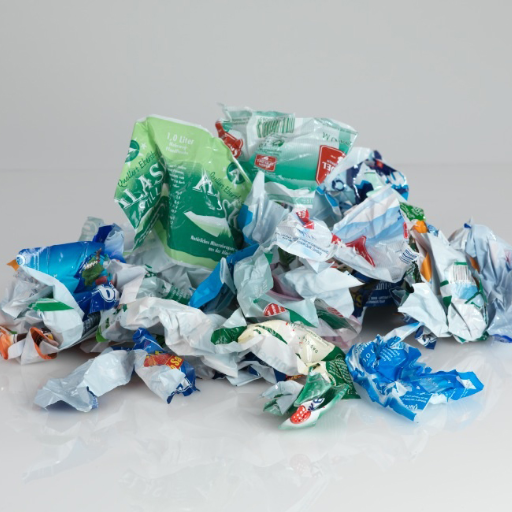
The process of recycling thermoplastics follows a simple procedure comprising several interrelated steps. Initially, the plastic wastes are gathered and categorized by type and polymer composition. A good sorting process is needed to avoid any in-process material compatibility issues. After that, the plastics undergo a cleaning phase to get rid of contaminants, which could include food particles or labels that might hinder the process of recycling plastics. After cleaning, materials are cut into small pieces and even into balls, where they are melted and transformed to form new shapes.
This approach helps to maintain the qualities of the thermoplastics for reuse in a myriad of other functions. Recycling, however, entails a number of effective and efficient ways of sorting the known materials, homogeneity in the materials collected, and reduction in the amount of waste in the entire recycling process.
Types of Thermoplastics: HDPE, PP, PVC, ABS, and PS
High-Density Polyethylene: HDPE is a kind of tough and long-lasting thermoplastic that is utilized in making bottles, pipes, and containers used to store things. Its high strength-to-density aids in heavy applications, whereas resistance to chemicals and moisture makes it useful for items produced in industries and for consumers. HDPE is considered to be one of the more sustainable plastics, given that it can be recycled easily.
Polypropylene: Polypropylene is a thermoplastic recycling material type that has a spectrum of uses due to its higher versatility, robustness, and, most notably, fatigue resistance. Additionally, it can stand elevated levels of temperature. It finds a lot of applications in making automotive parts, food packaging and storage boxes, clothing, and even in hospital equipment. Attributes like chemical inertness and light-weight nature increase the commercial usage of PP in innumerable sectors.
PV ( Polyvinyl Chloride): In building components such as pipes, window frames, and floors, PVC comes as a versatile and strong plastic made in soft or hard form. This material is appreciated for its tensile strength, resistance against wear and tear, as well as its longer lifespan. Enhanced polyvinyl chloride is applicable in the making of medical tubes, wires, some goods, and some of the goods. Attempts at being ecologically conscious led to a collective change in attitudes and practices towards thermoplastic recycling, especially to minimize the effects of PVC on the environment.
Acrylonitrile Butadiene Styrene (ABS): ABS is known to have toughness that makes it challenging, as it is a thermoplastic that is prone to impact; however is commonly used in various electronic devices, automobile components, and also Lego bricks. This material can be easily worked with or designed, which makes it perfect for producing parts of machines by engineers or 3D printing. On the other hand, its chemical stability can also be a hindrance when recycling.
PolyStyrene (PS): Polystyrene is a polymer that is commonly seen in packaging, disposable cutlery, and insulation material due to its thermal-resistant properties. It includes both solid and foamed shapes, the latter being referred to as expanded polystyrene (EPS), which is the most common material for protective packing. The problem with PS is that it is recyclable but has an extremely low density, yet occupies considerable volume, and collecting and recycling such material is a challenge.
It is important to appreciate the very special characteristics of these thermoplastics in order to make an appropriate blend of materials and assist with good polythene thermoplastic recycling practices.
Mechanical Recycling Techniques for Thermoplastics
Thermoplastic recycling is a critically important physical method of treating waste plastics so as to enable recovery without the modification of molecular structures. Typically, this scope of operation is divided into four major stages:
Gathering & Sorting: Plastic waste is gathered, screened, and sorted into various types depending on the type of polymers and degrees of contaminants. The emergence of near infrared technology (NIR) and several automatic sorting machines enables keeping the purity of materials.
Crushing and Cleaning: Within this stage, already sorted plastics are cut into small flakes for ease of processing. The process of cleaning eradicates any impurities like soil, glues, or food particles from the recycle, thus making it suitable for its intended application.
Melting and Processing: The said cleaned flakes are reprocessed into pellets. Alternatively, these pellets can transform into new plastic products manufactured using mostly these pellets and, in some cases, virgin plastics for better quality.
Quality Control: Recycled materials under this category are extensively tested to ensure that the tensile strength, thermal stability, and molecular weight, among others, meet the processing and application standards.
While there are substantial environmental advantages of the thermoplastic recycling process, such as less waste going to landfills and increased conservation of natural resources, mechanical recycling has its own limitations. Recycled materials’ properties tend to deteriorate over time, and contaminants decrease the recycled material’s quality. The mechanical recycling process needs proper advancements in sorting technologies and the increased use of labels on materials in order to improve the process in both its efficiency and the quality of the output.
Challenges in the Recycling Process
Many challenges exist within the recycling industry, and they all hinder its efficiency. One of the primary concerns is the fact that the process can get contaminated with materials that are not supposed to be recycled and products that have not been cleaned properly, causing high costs of processing and poor end products. Contamination is not the only challenge of the recycling process, but also the range of different materials governs this process because of the different kinds of plastics and composites; they must be perfectly separated in order to preserve the mechanical properties of the recycled product. There is also no sustainable labeling of the products and materials, which makes it difficult to operate and utilize recycling facility machinery perfectly. Economic issues like global supply and demand constraints for materials prepared for recycling also take away from the attractiveness of the projects. Solving these problems entails the development of advanced waste management strategies, more stringent enforcements as well as public education for the success of the thermoplastic recycling systems this world seeks.
Plastic Waste Management and Recyclability
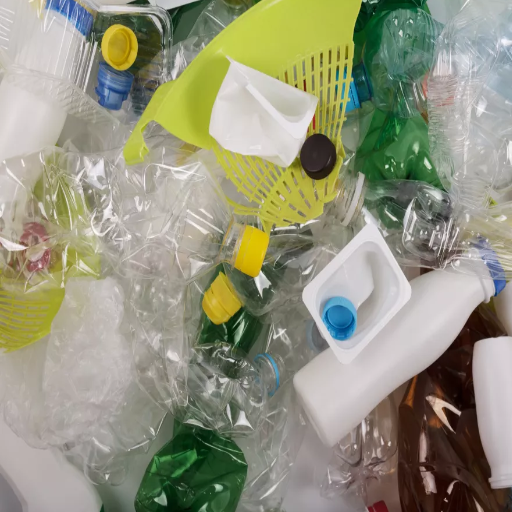
The challenges of managing plastic waste efficiently and recycling are intertwined and need strategies that manage the characteristics of plastic. Different efficiency percentages of recycling take into account the type and status of the plastic; for example, only Polyethylene Terephthalate and High-Density Polyethylene can be effectively recycled. It is common for the waste of different plastics and their unwanted elements during recycling to degrade the final recovered materials. However, these problems can be solved in technical terms by the invention of various new technologies, such as technology sorting, chemical recycling, or recommendations to produce goods from materials that are possible to recycle. Also, worldwide collaboration and more aggressive observance of the principles of ’sustainability’ will facilitate the timely improvement of thermoplastic recycling within the concept.
Sources of Plastic Waste and Their Impact
Lots of sources can be attributed to plastic waste, such as packaging, disposable objects, industrial waste, and other products thrown away. The largest component of plastic waste is packaging, which is primarily in the form of bottles, plastic wrappers, and food containers of food, which presents the greatest challenge due to their ubiquity and limited functional life. The issue also arises with the tendency to use unnecessary single-use plastics, which are sometimes as subtle as straws, as well as the cutlery, or even tiny beads in cosmetic products, which are harmless in terms of waste until they serve a purpose.
There is an extensive and complex ripple effect of plastic pollution. Marine life may suffer significantly due to the accumulation of plastic waste in their ecosystem, with the animals either ingesting the plastic, getting entangled in it, or getting dehydrated because of the destruction of their habitats. As the masses degrade and their texture forms fine plastic, they are known as microplastics, and they can enter the food web. This is an ever increasing threat not only to animals but even to humans. The harmful chemicals in plastic waste also leach into the soil and groundwater. All these factors retard the performance of the land ecosystems that are associated with agriculture. In order to combat this international problem, changes have to occur within the patterns of production, consumption, and waste disposal systems.
Assessing the Recyclability of Different Thermoplastics
Thermoplastics can be recycled depending on their chemical properties, how easily they can be separated from other materials, and whether they can still be used without drastic changes. In the case of thermoplastics, the following are particularly relevant.
Polyethylene Terephthalate (PET): PET is well known as an easy-to-recycle plastic in bottles and food-stuff containers. The reason for this phenomenon lies in the fact that PET has a very dense structure of molecules. PET can be remanufactured into fibers, containers, and other products with no major impact on the quality of plastic as such, and thus it is one of the most eco-friendly plastics.
High-Density Polyethylene (HDPE): This resin is a very good candidate for thermoplastic recycling as it is used mainly in milk containers and buckets for detergents. It has the strength and chemical resilience to allow such a process to occur, although there can be challenges relating to additional waste, such as partially food or labels, which means multiple cycles may not be possible.
Polyvinyl chloride (PVC): Due to the release of harmful components during its processing, it is difficult to remanufacture like other types of plastics, resulting in a low recycling rate. These plastic bottles can only be recycled in specialized plants, but even in these plants, the global plastic recycling rate remains low due to their complex composition.
Polypropylene (PP): Polypropylene (PP) is widely used in food containers, automotive parts, and similar applications; however, despite its high recyclability, there are still some infrastructure deficiencies in the collection and reuse of this plastic. Nevertheless, efforts to address these issues are intensifying as recycling systems develop.
Low-Density Polyethylene (LDPE): Present in packaging that contains plastic and films, reports have shown that the recycling of LDPE is not too prevalent because washing and segregation of very lightweight materials prove hard. Even if one can do it, most of the time, more resources and energy are inevitable.
Polystyrene (PS): Most people know it as Styrofoam. For recyclers, it may be defined as a compound with low density that can be recycled, although not so frequently, despite the oftentimes available technology. Most of the time, the material is downcycled into walls with foam insulation or some other material that can work as a filler.
To conclude, a better thermoplastic recycling process is only obtained through substantial investment in happy technology advancements, such as recovery technologies, understanding better waste management, and encouraging more consumers to follow rules in order to avoid contamination in some areas and improve recycling in others.
Strategies for Reducing Contamination in Recycling
Combating contamination in recycling systems requires multiple approaches, including enhanced civic education, infrastructural development, and policies. To start with, advocacy campaigns must focus on concrete recyclable particulates sorting process notably cleaning them electrics, which would otherwise interfere with the recycling of these items secondly Food and Drug recovery centers equipped with new generation technologies, i.e. optical sorters and artificial intelligence systems are necessary to limit contamination It is important to add that there is the introduction of more strict rules and regulations i.e. fining for improper disposal or recycling and rewarding for proper procedures which can in turn ensure compliance and better recycling practices. At the intersection of waste management, new approaches, and human geographical behavior, the prevention of contamination within recycling systems is possible.
Innovative Recycling Techniques and Applications
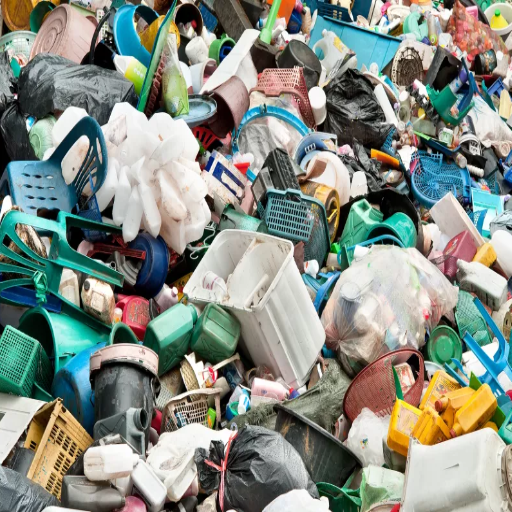
One of the primary goals of waste management is to reduce the environmental hazard generated by waste. In this regard, thermoplastic recycling innovation is a key contributor to this objective. Plastic recycling facets of the 20th century advanced to chemical recycling levels. Into the present day’s ecosystems, plastic waste is present almost everywhere, and state-of-the-art chemical recycling can regenerate high-grade plastics in significant amounts. ([1] [2] ) There is also the innovative approach referred to as enzymatic recycling, which involves the use of enzymes to break down materials such as PET into its reusable components with ease. In Clariant recycling, they include structural modifications of the materials recycled by mechanical processes, which often occur because of the system and equipment having high levels of contamination and damaged materials. Indeed, most of the disincentives of mechanical recycling can actually be turned into opportunities for innovation to build highly efficient recycling systems that contribute to the circular economy.
Current and Emerging Recycling Technologies
The advancements in recycling technologies seem to be rapid and necessary, given the advancement in the waste structure, and the incessant need for restoration. Contemporary systems, for instance, mechanical thermoplastic recycling, which is based on shredding and reprocessing of plastics, metals, and other materials, have their shortcomings, such as existing contamination and material degradation in the long term. Subsequently, new approaches have emerged in the form of chemical recycling technology, which enables the conversion of plastics to their constituent monomers for more effective reuse. At the same time, means such as enzymatic recycling have been actively used to make the most of human biology’s constructed processes of polymer degradation mechanisms towards PET, therefore promoting closed loops. In addition to the above, it is also observed that scientists are delving into newer, more advanced sorting mechanisms based on AI and robotics in order to improve the precision and eradicate the impurities. The ability to incorporate these enhancements within the prevailing recycling infrastructure will be essential for raising the level of material recovery and promoting a sustainable change towards building a global model of circularity.
Application of Recycled Thermoplastics in Manufacturing
Reusing plastic made of thermoplastic polymer is a common factor in many industries. Depending on the material taken to production, recycled thermoplastics have been successfully applied to packages, or even to automotive plastics, construction industry materials, and consumer products. For example, a beverage bottle, fabric, and tray in contact with food have recycled hard type plastic used (rPET), or there are recycled polypropylene (rPP) containers designed for storage, vehicles, and water supply. The latest developments in mechanical and chemical thermoplastic recycling facilitate the preservation of the components of plastics to the extent that most applications that previously used virgin plastics have been substituted with these recycled ones.
Focusing on the closed-loop system in the manufacturing sector accelerates the complete cycle of thermoplastic recycling. This is a technique that minimizes raw materials consumption, negative consequences on the environment, and complies with the concept of sustainability. Some elements, such as sorting or cleaning, have been refined, and as a result, there is a steady availability of high-quality recycled materials that fit into the production system. Manufacturers who manufacture mainly recycled thermoplastics, therefore, cut operational costs while at the same time assist in implementing circular economy policies and decrease the carbon footprints of their businesses.
Current Market Trends in Thermoplastic Recycling
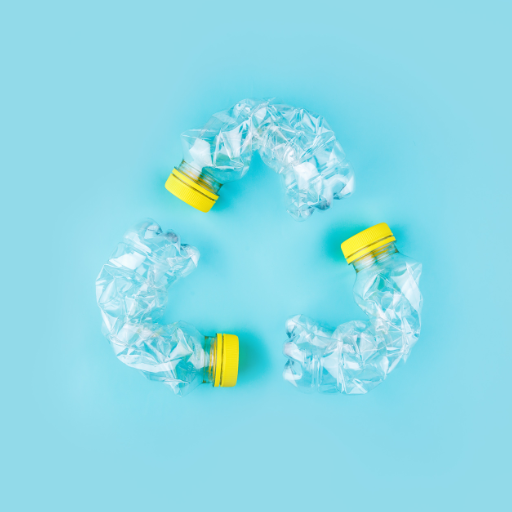
Within the scope of present tendencies on the acquisition of thermoplastic recycling, the main focus is on the minimization of costs, the rate of recovery of materials, and the achievement of the objectives of sustainability. Technological advances, including the deployment of advanced sorting technologies, chemical recycling procedures, and artificial intelligence, have been greatly instrumental in assisting in these advancements. There is also a heightened regulatory and consumer focus on offering greater quantities of recycled content in the manufacturing process, thus compelling producers to add more recycled raw materials in the new products. The call for closed-loop processes and circular economies in the industry indicates an increasing trend toward improving the economic and environmental aspects of thermoplastic recycling. Altogether, these trends reflect the increasing convergence of innovation, policy, and market wants towards developing a sustainable thermoplastic space.
Recent Advances in Recycling Technologies
During thermoplastic recycling, new technologies in the past few years have enabled more efficient and effective methods of dealing with these materials. Processes using scalable and more efficient methods of chemical recycling, such as depolymerization and pyrolysis, help to convert the polymers into monomers or components that do not cause cancer and thus produce recycled plastics that are nearly the same as new plastics. On the mechanical recycling front, thanks to technical developments, high-level automatic sorting machines with artificial intelligence and NIR spectroscopy are now in place for accurate sorting. Furthermore, enzymatic recycling is a new method that has been brought into the picture, for example, for polyethene terephthalate (PET) plastics, which involves the application of certain enzymes and bringing the plastics back to raw materials even at undesired temperatures. These improvements not only enhance the variety of materials that can be recycled but also improve the shortcomings of closed-loop processes, which were reasons for their impracticality in the past. Altogether, these advancements are transforming recycling as we know it, providing more economical and efficient ways of scaling up the process.
Regulatory Trends Affecting Thermoplastic Recycling
The rules around thermoplastic recycling have transformed so much so that new principles have been introduced in the law and even practice, trying to build circular economies, diminishing the harmful impact on the environment. I think more recent developments have seen, among other things, enhanced policies towards the EPR, which requires manufacturers to take responsibility for the waste treatment of their products. The new rule curtailing the export of plastic garbage and the growth of the recycling rate also leads to technological advancement efforts for the processes of recycling. All these interventions, in one way or another, constitute and offer an opportunity for the introduction of the principle of responsibility and, at the same time, encourage the sustainable development of the thermoplastic industry.
Market Demand for Recycled Thermoplastics
Demand for recycled thermoplastics arises out of ecological concerns, statutory requirements, and economic benefits. Major sectors like packaging, automobile, and FMCG are prone to using recycled thermoplastics in meeting green and recycling obligations. Evidences show that there has been an increase in recycling practices due to the growing consumer trend for green products and new commitments by corporations to cut down their carbon footprints. A significant portion of post-consumer plastic waste, especially polyethylene (PE), polypropylene (PP), and polyethylene terephthalate (PET), is collected for the purpose of thermoplastic recycling; besides, the addition of mechanical means and advancement of chemical techniques have improved these materials for enhanced use. Moreover, with the global institutions promoting waste circularity, it has leveraged the market condition further and made the recycling of thermoplastics an indispensable in the manufacturing process in the foreseeable future.
Reference Sources
A Comparative Bibliometric Analysis on Plastic Waste Recycling
This study explores trends in plastic waste recycling within the framework of the circular economy. It highlights the significant environmental impact of current plastic production and disposal methods, emphasizing the need for sustainable practices.
Thermoplastic Elastomers: Emerging Trends and Applications in Rubber Manufacturing
This research highlights the growing use of thermoplastic elastomers (TPEs) in various industries due to their recyclability and sustainability.
Estimation of Quality Indicators of Ecological Thermoplastic Fiber Materials
The study focuses on producing fibrous materials from recycled thermoplastics using blowing methods. It provides a methodology for calculating fiber dimensions and highlights the environmental benefits of using recycled materials.
Frequently Asked Questions (FAQs)
Mechanism of operation of HDPE recycling, and its most popular uses?
In Mechanical recycling, HDPE (High-Density Polyethylene), which is a thermoplastic, is usually recycled by cleaning the collected HDPE, shredding it, and melting it to form pellets for usage in other products. It is used to make items like drainage pipes, durable types of plastic used in construction, such as plastic timber, and even detergent bottles, among other products that need plastic because recycled HDPE is highly resistant to moist environments.
Why is the recycling of PVC troublesome, and what strategies need to be applied?
Due to the presence of chlorine and other additives in Polyvinyl Chloride (PVC), the recycling of PVC can be quite troublesome because it may produce toxic gases during the process of recycling. In dealing with such issues, advanced chemical recycling techniques and special air classifiers have been developed to enable improved recycling with less PVC in landfills.
How does chemical recycling help in the process of Acrylonitrile Butadiene Styrene and Polystyrene plastics recycling?
Considering that both Acrylonitrile Butadiene Styrene and Polystyrene are thermoplastic polymers of high molecular weight by conventional standards, chemical recycling may provide an effective option to prevent them from ending up in landfills. Depolymerization and pyrolysis are some of the most effective ways to deconstruct this plastic and create recycled thermoplastics that can be used commercially.
Is a thermoplastic recycling process equal to reproducing virgin material with respect to the likes of the Shelby GT 500?
Based on the recycling process and the material composition, recycled thermoplastics can achieve structural attributes similar to those of virgin materials. The advancements in additives and processes improve the performance of recycled thermoplastics in terms of stability and color, among others, to satisfy market requirements. However, the main advancement in the thermoplastic recycling industry is the molecular design of the polymer constituents of the blends.