Get in touch with Kitech Company

Complete Guide to PP Woven Bag Recycling Line

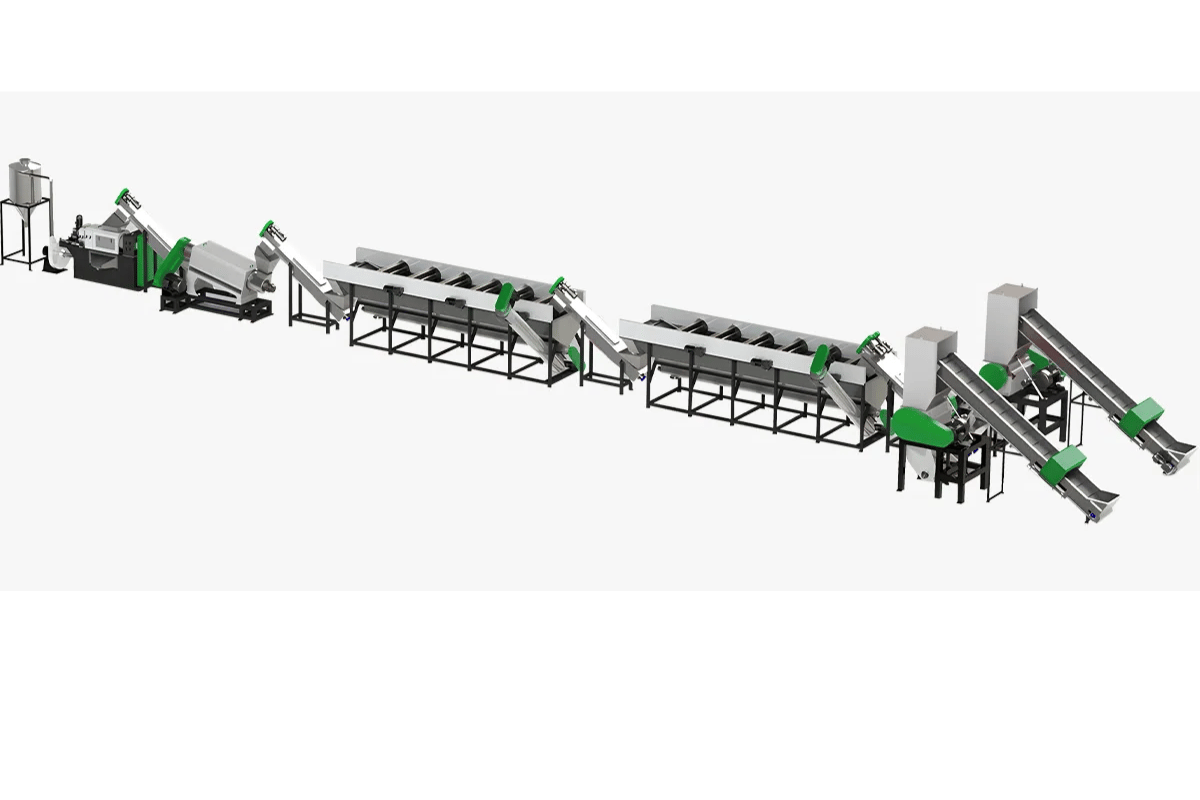
PP Woven Bag Recycling Line: Complete Technical Guide
The world faces an escalating environmental challenge because human consumption of plastic materials keeps rising which creates an immediate requirement for ecological recycling solutions to address plastic waste management issues.
The industrial and manufacturing sectors obtain their main recycling possibility through the use of polypropylene (PP) woven bags which serve as packaging for agricultural products and chemical substances and construction materials. The guide establishes operational efficiency through its examination of essential elements and operational procedures that make up a PP woven bag recycling line.
Importance of Recycling PP Woven Bags
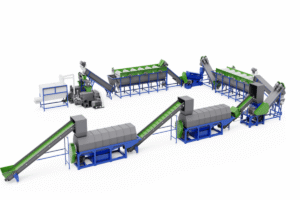
The process of recycling PP woven bags creates two environmental benefits which include decreasing pollution and preserving natural resources. The bags contain polypropylene which is a type of plastic that maintains its strength for an extended time but will not decompose which causes them to remain in the environment for hundreds of years when people dispose of them incorrectly. The recycling process of these bags stops plastic waste from entering landfills and waterways which results in major environmental protection. The recycling process uses existing polypropylene to create products which saves both energy and raw materials while eliminating the need to produce new plastic through resource-intensive manufacturing. The practice creates two advantages because it protects ecosystems while it establishes a sustainable circular economy that minimizes waste production.
Environmental Impact of PP Woven Bags
Durability and Reusability
PP woven bags possess exceptional strength which enables multiple uses thereby decreasing the need for disposable plastic items. Studies indicate that a PP woven bag, if reused at least 10 times, can significantly offset its environmental footprint compared to a conventional plastic bag.
Resource-Intensive Production
The manufacturing of PP woven bags requires the extraction of non-renewable resources which include crude oil and natural gas. The production process for polypropylene needs approximately 1.98 kilograms of petroleum to create 1 kilogram of the material which demonstrates its high resource requirements.
End-of-Life Challenges
PP woven bags become landfill waste because people fail to recycle them properly due to insufficient recycling facilities although they can be recycled. Approximately 14% of plastic packaging materials worldwide get collected for recycling which creates major difficulties in waste management processes.
Energy Consumption in Recycling
The recycling process of PP woven bags decreases the requirement for new materials, but it requires substantial energy to complete recycling operations. The energy requirement for polypropylene recycling averages between 0.7 and 1.0 megajoules per kilogram, which results in greenhouse gas emissions when non-renewable energy sources power the recycling process.
Microplastic Pollution
Improper disposal methods for PP woven bags enable their degradation process to create microplastic particles, which remain in ecosystems for extended periods. Microplastic contamination is increasingly detected in soil, waterways, and even within food chains, posing risks to both environmental and human health.
Benefits of Recycling Polypropylene
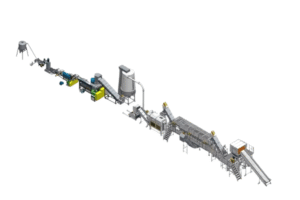
Reduction in Greenhouse Gas Emissions
The recycling process of polypropylene creates major environmental advantages because it reduces the need to create new polypropylene which consumes large amounts of energy and produces high levels of CO₂ emissions. Research shows that producing polypropylene from recycled materials requires about 88% less energy than making the product from basic petrochemical materials.
Minimization of Landfill Waste
The recycling process of polypropylene protects the material from reaching landfills where it would need hundreds of years to break down. The process of repurposing discarded PP materials enables substantial waste volume reduction which leads to landfill space savings and decreased environmental harm.
Conservation of Finite Resources
The production of virgin polypropylene uses non-renewable fossil fuel resources that include crude oil and natural gas. The recycling process of PP enables businesses to decrease their dependency on these non-renewable resources while they operate their business activities through better management of raw material resources.
Economic Benefits through Material Recirculation
The recycling process of polypropylene creates a circular economy because it transforms waste materials into useful products. This leads to stronger economic development because it improves material usage efficiency and decreases manufacturing expenses while providing support to businesses that rely on polypropylene materials.
Reduction in Microplastic Pollution
The recycling process of polypropylene eliminates all dangers which emerge when plastic materials start their natural process of decomposition. The process of repurposing material stops its incorrect disposal which would lead to microplastic production that damages ecosystems and human health.
The recycling process of polypropylene functions as an essential component which builds a sustainable future by using resources effectively through the resolution of various environmental challenges and economic problems.
Economic Advantages of Woven Bag Recycling
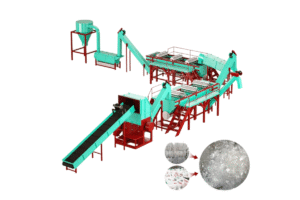
- Reduction in Raw Material Costs
The recycling process of woven polypropylene bags leads to an extensive decrease in requirements for new material extraction. The reprocessing of used bags enables industries to achieve raw material cost reductions which research shows can reach 30 percent in manufacturing operations. - Job Creation in Recycling Industries
The recycling sector provides employment opportunities across various stages, such as collection, sorting, and processing. This creates economic benefits for local communities because data shows that 35 jobs become available whenever 10,000 tons of materials receive recycling treatment. - Lower Waste Management Expenses
The process of diverting woven bags from landfills results in reduced municipal solid waste generation. The system reduction means the waste management systems face less financial pressure while the organization saves millions each year on disposal and landfill operational expenses. - Enhanced Resource Efficiency
Recycling extends resource life which establishes a circular economy system. The process decreases the need for limited resources such as petroleum-based plastics while it sustains economic viability. - Boost to Secondary Markets
There exists strong market demand for recycled polypropylene granules and materials which manufacturers use to create different products. The system creates opportunities for secondary market development which leads to business growth through environmental sustainability partnerships and increased revenue generation.
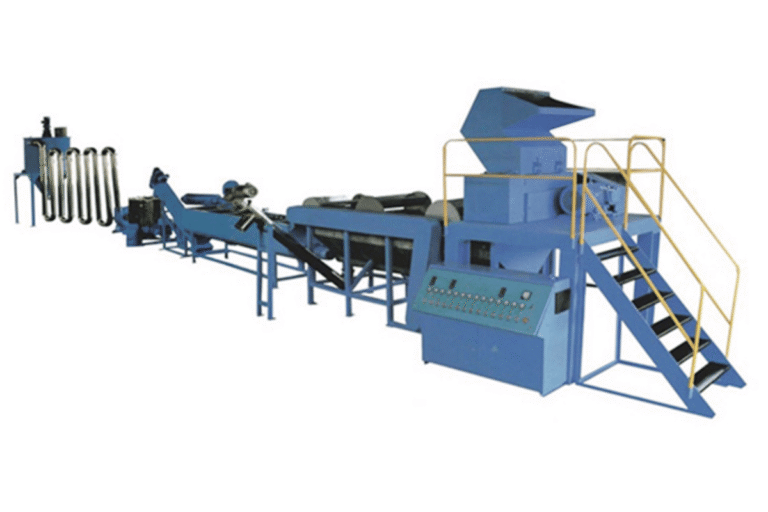
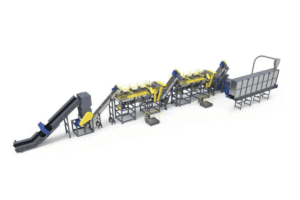
Key Components of a PP Woven Bag Recycling Line
1
Shredder
The system breaks large woven bags into smaller pieces which workmen can use for their subsequent processing activities.
2
Washing Unit
The system removes all contaminants from shredded material to create recycled material that meets industry standards for high-quality output.
3
Separation System
The system employs density and physical attributes to separate materials while it successfully eliminates non-polypropylene impurities from the procedure.
4
Dryer
The system continues to dry the purified polypropylene material until it reaches a complete state of readiness for extrusion purposes.
5
Extrusion and Pelletizing Unit
The unit converts processed polypropylene material into granules or pellets which serve as the raw material for producing new products.
6
Quality Control System
The system evaluates final product quality to determine whether it meets all required standards that permit material reuse in manufacturing.
Functionality of Shredders in Recycling
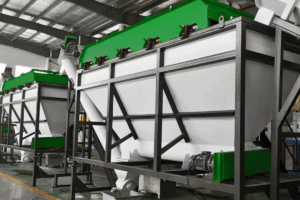
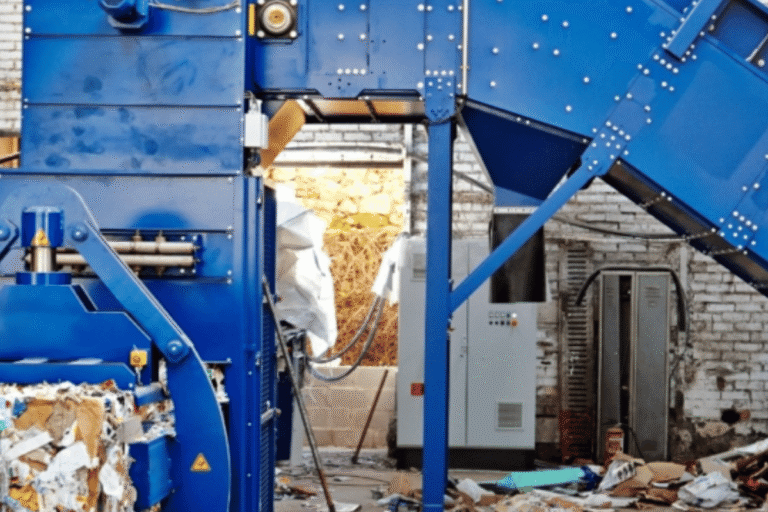
The recycling process receives its primary support from shredders because they transform materials into smaller portions that recycling facilities can better handle. The operational efficiency of recycling processes which follow it through sorting and cleaning and reprocessing procedures receives improvement from this method. Shredders deliver five vital functions which the recycling process needs for its operation.
Size Reduction
The process of shredding waste materials leads to reduced waste volume which results in more efficient waste handling through both transportation and storage and waste processing activities. Plastic waste can be shredded into small flakes which become suitable for washing and melting processes.
Material Separation
Advanced shredders use their technology to separate composite materials into individual components which enables more precise sorting of the materials. The situation requires packaging materials to undergo separation because effective recycling depends on the identification of plastic and aluminum and paper content within multi-material packaging.
Contaminant Removal
Shredding exposes hidden contaminants which include dirt and adhesives to subsequent cleaning systems that need to operate with greater efficiency. The recycled material has to meet strict quality standards to be acceptable for use.
Uniform Particle Size Production
Shredders create particles with consistent dimensions which enable material transportation during both extrusion and remanufacturing processes. The standardization process determines both the product quality and its practical application.
Optimization of Downstream Processes
Shredders prepare materials for downstream processing which leads to operational improvements in both pelletizing and extrusion and thermal recovery processes. The improved process continuity results in decreased energy needs and increased total work output.
The Role of Granulation in the Process
The process of granulation transforms shredded materials into consistent particle size which enables better performing downstream operations. The following list presents five important ways that granulation benefits recycling operations and manufacturing processes.
1. Particle Size Uniformity
The process of granulation transforms materials into particles that have specific size dimensions which match multiple industrial processes including molding and extrusion and compounding. Processing materials becomes easier because the uniform particle sizes enable better material movement while the processing operations maintain their expected performance standards.
2. Improved Material Handling
Granulation produces granules of uniform size, which improve the efficiency of transporting materials between different locations. The system prevents material binding by eliminating clumps while maintaining a continuous flow to the processing machinery.
3. Enhanced Surface Area
Granulation increases the surface area of materials which becomes essential during melting and chemical treatment processing. The increased surface area of materials enables faster reactions, which require less energy to achieve their desired outcomes.
4. Contaminant Removal
The process of granulation enables operators to separate various materials which include their contaminated parts from the rest of the mixed materials. The process of item breakdown into smaller pieces enables better identification and removal of non-conforming components or impurities.
5. Energy Efficiency in Downstream Processes
Granular materials require less energy to be processed further. For instance, uniform granules in extrusion and injection molding processes enable more stable melting which helps facilities to use thermal energy more efficiently.
The essential functions of granulation enable industrial and recycling operations to achieve exactness together with operational effectiveness and environmentally friendly practices.
Best Practices for Optimizing Efficiency
- 1. Implementation of Efficient Automation Solutions
The automated systems that operate through advanced technology need to perform their repetitive tasks because this system will improve operational efficiency while reducing human errors. The system uses sensors and monitoring tools to provide real-time data analysis which enables decision-makers to make informed choices. - 2. Regular Maintenance Needs To Be Conducted
The team needs to conduct scheduled maintenance on all systems and equipment because this approach protects against unexpected downtime while achieving maximum operational efficiency. The team should resolve small problems immediately because this practice prevents major operational interruptions. - 3. Personnel Need Complete Training
The team members need complete training to learn how to operate tools and follow processes. Staff members who receive proper training will boost productivity through their ability to decrease errors and enhance operational processes. - 4. Data Analysis Needs To Be Implemented
The team should collect operational data which they will analyze to discover patterns and operational deficiencies and areas that need enhancement. The team needs to use data-driven insights to improve their processes which will result in enhanced system performance. - 5. Workflow Design Needs To Be Optimized
The team should analyze current workflows to identify operational improvement opportunities and process optimization possibilities. The team should conduct process layout assessments and resource allocation evaluations to identify and remove operational bottlenecks and redundant tasks. - 6. Energy-Efficiency Measures Need To Be Implemented
Energy-efficient technologies together with energy-saving practices which will help the organization decrease waste and reduce its operating costs. The process helps achieve sustainability goals while improving future operational efficiency.
Tips for Effective Woven Bag Crushing
1. Ensure Proper Material Sorting
The process requires you to divide woven bags from all other waste materials because this practice prevents contamination during the crushing process. The process of proper sorting establishes a stable crushing operation which protects equipment from damage through the presence of unapproved materials. The research demonstrates that when materials receive proper sorting scientists can achieve up to 20 percent increases in processing productivity.
2. Utilize High-Quality Crusher Blades
Construct your crusher blades using materials that will maintain their cutting edge through extended use which includes high-carbon steel and tungsten carbide. The optimal crushing performance requires you to check blades at regular intervals and replace them according to your findings. Blade maintenance procedures which operate at maximum efficiency will result in energy savings which reach 15 percent.
3. Control Feeding Speed and Volume
The feeding system needs to operate at a constant speed which protects the crusher from experiencing overload situations. The automated feeding system enables operators to control the feeding process, which helps achieve consistent material flow while protecting equipment from excessive stress. Equipment that experiences overload conditions will see its useful life reduced by 30 percent when operators fail to control these situations.
4. Maintain Consistent Moisture Levels
The moisture level of woven bags needs to remain below 10% because this range enables effective crushing operations. The presence of excessive moisture causes materials to stick together, which results in higher processing resistance that creates blockages and waste energy.
5. Conduct Regular Maintenance and Inspections
The team needs to conduct regular inspections to assess the condition of essential equipment parts which include motors and bearings and conveyor belts. The process of timely maintenance work reduces operational interruptions while guaranteeing secure connections between work areas. The research demonstrates that regular maintenance practices lead to a 25% increase in the effectiveness of crushing operations.
Reference Sources
- PP Woven Bag Recycling and Pelletizing
The research examines ACERETECH’s two-stage plastic recycling system which transforms PP woven bags into reusable materials through its eco-friendly recycling process. - PP Woven Bag Recycling Washing and Pelletizing Plant
The facility handles complete recycling operations which involve shredding and water rinsing and friction washing to process PP woven bags used for rice and cement packaging. - How to Recycle Woven Polypropylene Feed Bags Efficiently?
The study presents recycling methods that enable the recycling of woven polypropylene feed bags into production lines for further use. - Recommend reading: PP Woven Bag Recycling Line from Leading China Manufacturer
Frequently Asked Questions
1. What Are the Essential Stages of a PP Woven Bag Recycling Line?
A complete PP woven bag recycling operation consists of multiple vital phases which convert contaminated waste materials into pure recycled products. The typical process includes:
- Shredding/Crushing: The process of size reduction transforms large woven bags into smaller flakes which are easier to handle.
- Friction Washing: The high-speed friction washing system uses its washers to scrub the flakes and remove dirt, sand, and paper labels which are stuck to them.
- Floating/Sinking Separation: The float-sink tank separates PP flakes which float from denser contaminants like sand and soil which sink.
- Dewatering: The washing process uses a mechanical dewatering machine which includes a centrifugal dryer and a screw press to extract water from the washed flakes.
- Thermal Drying: The hot air drying system decreases moisture content to the level which allows extrusion processes to occur.
- Pelletizing/Granulating: The extruder receives clean dry flakes as input, which the machine transforms into uniform pellets through the processes of melting and filtering.
2. Why Is a Dedicated Shredder or Crusher Necessary for PP Woven Bags?
The production of PP woven bags requires the use of stretched polypropylene tapes, which create a highly elastic and durable material. Standard granulators cannot process this material because it will wrap around their rotors, which leads to equipment failures. A heavy-duty single-shaft shredder or a specialized crusher is engineered to effectively shear these fibrous materials into consistent flakes, ensuring a smooth and continuous flow to the subsequent washing stages.
3. What Are the Main Challenges Associated with Recycling PP Woven Bags?
Contamination stands as the primary challenge. PP woven bags which cement and sand and fertilizer and agricultural products use, become contaminated with fine particles and moisture and residues. The removal of this contamination process must occur because high-quality recycled pellets require this step. The fibrous characteristics of the material create another challenge because they need specialized equipment to reduce its size and handle material without causing system blockages.
4. How Is Ink and Printing Removed from the Surface of the Bags?
The primary method for removing surface printing occurs during the friction washing process. The PP flakes undergo intense friction through high-speed paddles which lead to effective ink removal from their surfaces. The addition of hot water and, in some cases, a mild caustic solution can enhance the cleaning efficiency, dissolving and lifting the ink from the plastic surface so it can be washed away.
5. What Is the Function of a Float-Sink Tank in the Process?
The float-sink tank utilizes the principle of density separation. Polypropylene has a specific gravity of approximately 0.92 g/cm³, which is less than water (1.0 g/cm³). Therefore, the clean PP flakes float on the surface of the water. All denser materials that include sand and dirt and glass and metal fragments which remained after the initial cleaning process, sink to the tank’s lower section. Material purity needs to reach this stage because it serves as the main method for achieving high purity levels.
6. Why Is Thorough Drying so Critical Before Pelletizing?
The PP flakes will release steam during the extruder’s high-temperature operation because any moisture content remains in the material. The molten plastic contains voids and bubbles which cause the production of porous pellets with low mechanical strength. A final moisture content below 1% is imperative to ensure the production of dense, uniform, and high-value recycled pellets suitable for manufacturing new products.