Get in touch with Kitech Company

PET Bottle Baler Machine: Role in the Recycling Line


Introduction to PET Bottle Recycling
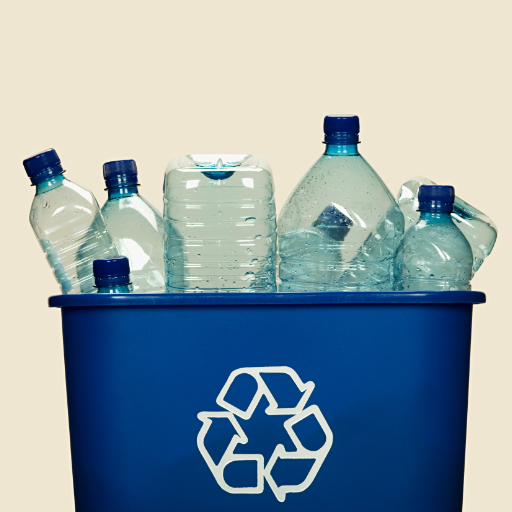
Recycling of PET bottles is a vital undertaking that seeks to curtail plastic pollution while fostering ecological balance. It entails the collection of polyethylene terephthalate (PET) bottles, washing these containers, and processing them into materials like pellets and flakes. Once the material is obtained, it is utilized in making other commodities, mainly the ones encased in plastic such as packaging, textiles, construction renders, and the like. PET recycling offers numerous benefits, including resource savings and the reduction of air emissions from manufacturing processes, and discourages throwing these bottles in landfills, thus becoming one of the greatest challenges in today’s waste management practices.
Importance of Recycling PET Bottles
Roughly speaking, recycling plastic, specifically PET bottles, helps the planet in its efforts of steady development by diminishing pollution levels on land and in water bodies. PET contains resins that are renewable and can be recycled and converted from one form of product to another without losing the original chemical structure. This significantly limits the need and reliance on crude-derived plastic products.
60%
Less energy needed vs. primary production
PET bottle recycling achieves this effect by lessening the amount of energy needed in its production, up to 60% less than that for a primary construction. It also generates fewer greenhouse gases, thereby contributing to environmentally friendly practices. Moreover, it eliminates the problem of plastic solid waste accumulation that seems to be growing all over the world and in developing countries, where garbage looks like it is littering even more. Plastic-filled bags, which may be used once, find their way into most of our water bodies and green spaces. Plastic made from PET resin is quite versatile and finds use in the production of packaging materials for food, clothing, and the building industry in their essential process of circularity.
Overview of Baling Technology
The principle of a baler involves the application of a machine that is used to process materials in the form of a bale; this would enable the users to handle, transport, and store such materials with great ease. Industries like recycling, agriculture, waste management, and others need balers for processing various material types, ranging from paper, plastics, metals, to hay and straw.
The current baling machines available in the market are categorized into two broad categories: horizontal and vertical subgroups. Each of these categories offers varied solutions depending on the usage. Horizontal bale presses work well for processing centers with high processing capacities and where materials’ feeding is done continuously. While vertical presses work for small-scale processing or in instances where space is limited, and size is an issue. Even further, with technology coming into play, automatic balers, for instance, have emerged with the incorporation of advanced tying systems, incorporation of real-time monitoring systems, and energy-friendly components, thus improving productivity and sustainability of the baling activity.
Baling technology is known to be efficient because it can considerably compress the materials, thereby reducing the space taken for storage as well as transportation costs. In addition, baling also enhances the safety of handling materials, and it supports environmental laws regarding waste disposal through best practices. Employment of balers in any industry is crucial and supports the achievement of a sustainable and efficient economy.
How Baling Machines Fit into the Recycling Process
In order to manage waste effectively, baling machines improve the handling of recyclables for recycling, facilitating their gathering, compression, and preparation for any type of handling. These machines are utilized for compacting and baling various items, including but not limited to paper, cardboard, plastics, metals, and textiles, into tightly packed bales for ease of transportation. The square density assists in the consolidation of the recyclables, so that it becomes cheaper in terms of transporting the recyclables and, for that matter, reduces logistic expenses. After compaction, the waste can be organized, packaged, and shipped to recyclers or treatment plants for recycling or into products that can be used.
Baling machines are especially effective in this regard since they conveniently pack bulk items into smaller units, whose disposal is more manageable and greatly boosts the operational efficiency while assisting their users to meet the waste management standards. Their role is augmented by the automation in such machines that spares a lot of headaches to laborers as they do not have to repurpose the heavy bottles and other materials into feeds, and also increases the output of the pet bottle baler machine while making its operation faster. As a result of its functionality, it provides necessary support to the development of the economy of circularity, that is, the economy in which products are reused, and the negative impact on the environment is minimized.
Types of PET Bottle Baling Machines
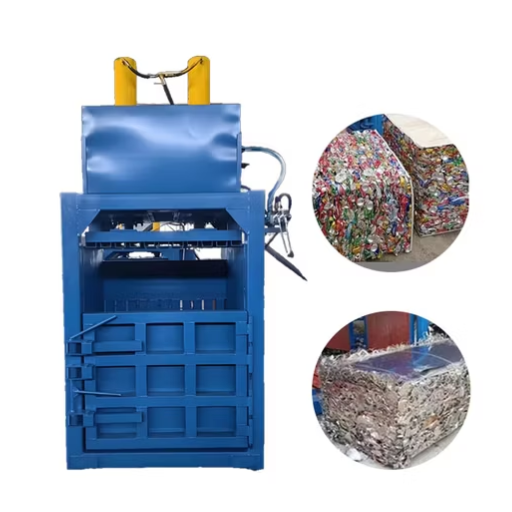
Pet bottle baler machine is available in different models, and these have been manufactured keeping in mind the particular size of operation.
Type 1
Vertical Balers
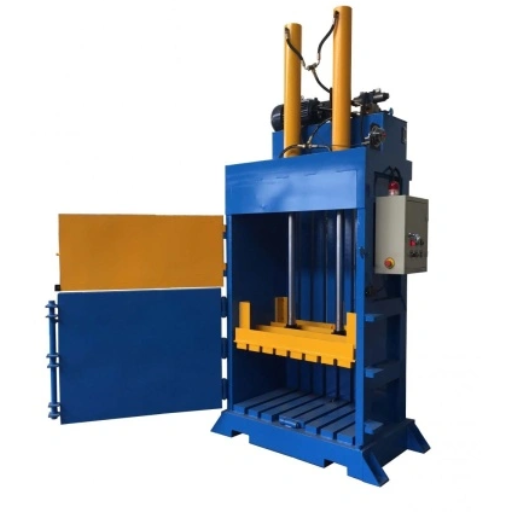
The balers of this category can be considered as cost-effective and compact solutions that are ideal for facilities that deal with a fair number of PET bottles. However, a vertical baler machine is quite easy to load (manually), and such machines occupy a small area, which makes it very convenient to use them in any area, especially where space may be at a premium.
Type 2
Horizontal Balers
With their horizontal configuration, horizontal balers rank high in capacity and can best be used in cases where large amounts of bales are to be compacted. Heavy-duty horizontal baling machines, which facilitate speeding up the process, are mostly used with these balers due to the incorporation of automatic tying mechanisms and conveyors in most heavy-duty horizontal balers.
Type 3
Closed-Door Balers
In case of a need for higher compression of the bales, closed-door balers will be more beneficial for the users. Used mainly for recyclable materials and PET bottles, they allow bales of equal size with reduced thickness.
Type 4
Two-Ram Balers
Powerful and productive twin ram balers are designed for processing materials of large sizes, including PET bottles, and do not require the materials to be sorted in advance. They are built with two compacting RAMs that enhance the operational flexibility of the baler and the packaging density of the product. No wrapping is required, and it saves good space, reducing the cost of transport.
Vertical vs. Horizontal Baling Machines
| Factor | Vertical Balers | Horizontal Balers |
|---|---|---|
| Size & Footprint | Smaller; designed for limited spaces | Larger; requires more physical space |
| Production Volume | Low to medium daily recycling output | High volume; higher output capacities |
| Automation | Primarily manual filling and compression | Fully or partially automated; conveyor feeding systems |
| Material Types | Cardboard, paper, soft plastics | PET bottles, aluminum cans, and large corrugated containers |
| Cost | Cheaper, simple to operate and maintain | Higher purchase and operating cost |
| Bale Quality | Adequate for low/mid production | More compact and consistent; better transport/storage |
Finally, the selection between vertical and horizontal balers depends on the amount of waste that needs compression, available space, financial resources, and the nature of the activity carried out by the business.
Manual PET Bottle Baling Machines
A pet bottle baler machine, used mainly in the context of small/medium recycling plants, has a low cost and wide application. As the name suggests, security solutions can only be achieved by loading the PET bottles into the chamber and operating the machine manually. Unlike bigger machines, the smaller ones would not provide enough space and automation, and can, however, be quite sustainable for the low production-oriented company.
The pro of these balers is any processing machines that incorporate all the functions, including their size and simplicity, especially when there are no facilities that can be used for installation. These are the most applicable for those economies that have space issues and limited finances. The bales produced in this equipment are usually heavy and durable, and facilitate easy and quick transportation as well as storage, and besides that helps one to meet the required material recovery measures.
However, one drawback they presented is that the rate of production cannot be more than the rate of automated machines, and also segmentation of the population targeted towards bigger numbers for mechanical balers, because of the efforts that are required to operate these machines. But this type of PET bottle baler machine has too many advantages to cost, especially for those enterprises that do not generate much waste in high volumes.
Automatic PET Bottle Baler Options
A pet bottle baler machine with all the latest technology packed in one system that allows it to process high tons of plastic waste without the need for an employee is called automatic Pet Bottle Baler Machine. It comes with automatic feeding, compaction, and unloading facilities, which reduce the amount of physical effort needed as waste goes through the machine. A number of these units are fitted with programmable logic panels for accuracy, adjustable compaction pressures to suit different weights, and enhanced security features to ensure safe use. In addition to the above capabilities, automatic balers also offer such components as infeed belts as well as very high-pressure compactors that make it possible to make stable and compact bales as required by close recycling regulations. With all these aspects, these machines are best used in large recyclers or high-volume operations involving PET scrap since they provide scalability, and the need for speed and efficiency is eliminated.
Technical Specifications of PET Bottle Baler Machines
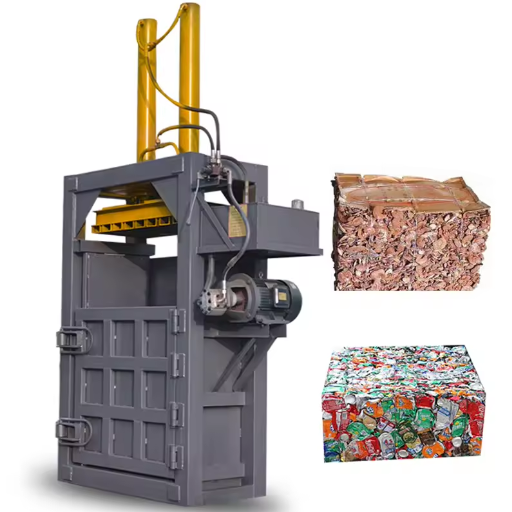
High-level efficiency has been achieved by the engineers of the pet bottle baler machine in regard to massive raw material recycling processes. Some of the information provided below describes salient features of the machine in brief:
| Specification | Details |
|---|---|
| Pressing Force | For most models, compress within 30 tons and span to the most effective models 200 tons |
| Bale Size & Weight | Typical dimensions: 1.1 m × 0.7 m × 0.8 m; maximum weight ranges from 200 to 500 kg, depending on materials and machine type |
| Capacity | Small-scale units: approx. 1 ton/hour; heavy-duty systems: 5+ tons/hour depending on model |
| Automation Level | Semi-automatic and fully automatic machines equipped with a PLC that enables accurate performance |
| Power Consumption | Usual values range from 15 kW to 60 kW, as determined by the size of the machine and its performance capabilities |
| Material Compatibility | Emphasis on PET plastics; some models can process other reusable items, including tins and HDPE resin bottles |
| Mechanisms | Highly compressive hydraulic mechanisms render the bales within proper specifications and enhance shelf life |
| Safety Interlocks | Safety interlocks, emergency buttons or systems, as well as over-current protection systems, for purposes of protection during operation |
Hydraulic Systems in Baling Presses
Baling presses, which are powered primarily by hydraulic systems, would not have been possible without them. This is because hydraulic systems provide the power needed for the production of dense bales through compressing and securing materials physically. Most of these systems are composed of a hydraulic pump, a reservoir, several control valves, and some functional actuators, which all come together to produce and then control high-pressure fluid flow. A hydraulic pump transfers mechanical energy to hydraulic energy to power the ram of the pressing machine, which compresses materials accurately and stably. Variable displacement pumps are commonly deployed in the latest baling presses, providing additional energy savings and less heat production.
Among the most attractive features of hydraulic systems is the capacity to provide enormous compressive forces, and yet the system remains adequately compact; such capabilities are well-suited to domestic waste recycling, wherein large loads or volumes must be handled. In conjunction with microprocessor-based control systems, there is a wide variability in operating settings for pressure and bale densities, allowing the machines’ use to be optimised when dealing with different materials.
Additionally, hydraulics as a function of balers is also important in terms of durability and safety. Parts last longer thanks to efficient sealing, filtration, and adequate upkeep, while the use of safety features such as the pressure safety valve or emergency stop button eliminates any safety hazards.
Long Stroke Baler Features
A baler specifically designed for processing light and voluminous materials, for instance, a PET bottle baler machine, cans made of aluminum, and other such elements, comes in the category of long stroke balers. Long stroke allows for baling a large quantity of material without the need to stop very often, thus increasing the productivity of such machines. Key features include:
- A strong and efficient hydraulic system that is suitable for continuous use
- Automatic bale tying for convenience
- High compaction ratios for the production of compact bales, which save on space
- Support for changing feed openings to suit different materials and incorporate conveyors, which promote easy feeding
- Sophisticated safety devices, such as automatic cut-off devices and pressure recording gauges, improve safety during operation and are also protective of the equipment against damage or workplace injuries
Key Components of a Plastic Baler
A pet bottle baler machine has many parts that are essential to its functionality. The most important parts of the baler are as follows:
1
The Hydraulic System
One of the main systems of the baler comprises the hydraulic system, which creates the treacherous press to pack the material. The system, as a rule, is built with the help of a hydraulic pump, hydraulic cylinders, and a tankful of working liquid.
2
The Compression Chamber
This is the chamber that sustains the materials and compresses them to form the bales. This chamber is built using extremely high-density metals in order to cope with the compressive forces exerted during operation.
3
Control Panel
The control panel system is standard for all modern plastic balers and is aimed at improving and optimizing the operation of the machine. The machinery operator has access to the control panel, where he or she can change the compression cycles, control the density of the bale, or repair any faults caused by the machine.
4
Feeding System
Feeding mechanisms differ in different modes, as some models have manual loading chutes, others have conveyor belts, or even hoppers for handling material loading automatically. This puts them in operation, feeding the baler continuously and, in turn, increasing the capacity of the baler.
5
Binding Mechanism
When bales are formed to completion from a certain level of content, they are held within wires or straps. As well, due to the advanced level of contemporary balers, this binding of bales is done automatically without any breaks or delays. For balers designed to use plastic banding, PET strapping from UD Packaging is a sourcing reference; confirm strap dimensions, break load and baler compatibility before substituting it for wire.
6
Ejector Mechanism
The removal of finished bales from the baler is facilitated by the ejector mechanism, which reduces the need for manual labor by decreasing the contact time with the machine. Completely replacing mechanical ejectors or any take-out mechanism significantly changes air handling structures.
These systems complement each other and allow the pet bottle baler machines to be efficient, reliable, and safe to use – thus ensuring that the processes of material recycling and waste abstinence rendering are not wasted.
Benefits of Using a PET Bottle Baling Machine

📦 Optimized Space Utilization
By compressing a large volume of bottles into manageable bales, PET bottle baling machines help save on the amount of storage space needed.
⚙ Efficient Waste Handling
Through the compacting process of recyclable materials, the use of such machines assists with better handling, transportation, and recycling, which in turn improves the company’s efficiency.
💰 Expenditure Curtailment
By crushing the PET bottles, the waste collection and transportation process is required less frequently, hence media cuts down on costs.
🌿 Green Practices
The use of the balers encourages the recycling of PET materials and can therefore be said to support the green agenda.
🛡 Safe Working Environment
As these machines reduce the need for refraining from mechanically handling of unorganized bottles, the chances of workplace accidents are lowered. Besides, these machines help to maintain a neat environment.
🚛 Increased Load Factor
Baled goods allow effective packing of transport vehicles, thereby lessening the interruption of transport services.
Efficiency in Waste Management
A major contributor to the increase in efficiency in any waste management system is the baling machines. Such systems compress waste material such as PET bottles to dense bales that can be easily stored and transported. Such compression reduces the physical space that would otherwise be required in a recycling facility, thus reducing costs and enhancing logistics. In addition, the recent baling machines reduce the number of workers because they perform the tasks in place of the workers, thus enhancing efficiency and increasing production. They also assist in managing the recyclable materials and operations, helping to make the work of recycling more proper and according to the law, especially the law of the three Rs.
Cost-Savings for Businesses
Every business knows that for them to save up a lot of money, they need to bring down the costs that are spent on waste disposal, the costs spent on material handling, and improve the operational methods. In the process of making bales out of recyclable metal in such a way that the bales are reduced and can easily be handled, an organization or company is most likely to be at an advantage, because the amount of waste to be transported is smaller, shipping costs are less, as well as less tipping fees in the landfill. Aside from that, some businesses benefit from their waste materials like cardboards and tins because a company can sell such products to the recycling industry and earn extra income. Modern balers are high in quality and can work over a long period of time in an automatic capacity thus minimizing the costs of repair and the use of manpower and labor which can be expensive further enhancing the savings of the interestee. These measures on the part of the corporate bodies not only assist in the accomplishment of economics but also enable this with sustainable development goals.
Environmental Impact of Baling PET Bottles
The use of machines for baling polyethylene terephthalate (PET) plastic bottles makes a remarkable positive impact on the environment – reducing the amount of waste generated and increasing recycling efficiency. Baled bottles take up minimal space, and this eases transportation challenges, resulting in decreased development-associated carbon transport emissions. It also ensures more of the PET content is recycled back into products because waste is contained more effectively and does not end up in landfills or as waste leakages. It helps cut back on plastics, which conserves the environment because less energy and material are used in polyester production from recycled PET than in virgin plastics. Besides, baling makes sure that the recyclables are free from trash, which is a key factor for any business dealing with any economy-of-scale recycling loop system. In conclusion, the use of a pet bottle baler machine in PET bottle recycling is an essential measure geared towards holistic advancement in environmental efforts.
Considerations When Choosing a Baler
Taking this into consideration, entrepreneurs will be able to choose a baler suitable for their recycling purposes, processes, and financial means. Key considerations include:
- Check the materials and polypropylene compatibility. A pet bottle baler machine incorporates a stretch film made of polyester to facilitate baling of PET bottles, palletized containers, and anything else that one will be processed in a production.
- Consider the Amount. Such a factor denotes how much material you require the machine requires to handle within a specific timeframe. Similarly, those balers with very high throughputs are most effective in large industries with constantly processed materials.
- Space. Ensure that the baler will be able to fit in the area without disrupting the surrounding workspace.
- The Convenience of Usage and Servicing. Opt for balers that do not require much for their maintenance or operation; thereby, increasing operational efficiency while reducing time wastage.
- The Use of Energy. Consider balers that use low energy yet offer quality services; such balers will help in decreasing the running costs in the long run.
- Features Ensuring Safety. For the sake of machine operators as well as machines, it is imperative that consideration is given to such aspects as equilibrating machines, internal shut-off, and cutting of excess power at certain loads.
- The Value for Money. It is necessary to account for the initial costs and the financial expenses relating to operations in the future, such as power, servicing, and repairs.
Assessing Your Recycling Needs
There are multiple factors that you need to take into consideration to properly determine what recycling equipment you may require, and which, in some instances, you may not. To start with, it is important to understand the type and amount of waste that is being produced in your operation. For example, a company’s waste may be laden with a plethora of cardboard, certain plastics, metals, and other such items, which would obviously dictate what kind of baler or other such equipment would be needed. It is also important to consider how often such materials are produced, and this helps in setting the processing capacity needed. For example, businesses that operate more frequently and with a lot of waste would need more industrial balers with bigger lengths since they will have to be operated more often. On the other hand, smaller businesses would be adequately served by smaller baler machines or a pet bottle baler machine.
Next, let’s think about the dimensions of the existing physical plant. There are different sizes of balers and recycling solutions; thus, it is fundamental to have space for that machine beforehand so that it can easily be fitted into place for utilization. Finally, there are operational considerations that a facility may have, such as reducing the logistical costs, minimizing the company’s waste disposal expenses, or achieving environmental goals. All these nuances, together with financial limits, will allow you to find a rational, productive, and economical way out.
Factors Influencing Baler Machine Selection
When putting a pet bottle baler machine into consideration for a particular place, a number of vital aspects must be reviewed. To begin with, the sort of products to be processed includes cardboard, plastics, and even metals. After this, the next decisive element is the estimation of the material that will undergo the process daily. Lastly, pre-existing space is a factor to consider since the said baler is to be placed in the workplace, with the operational aspect of the workplace remaining unaffected. In another aspect, goals should be considered, for example, lower waste management costs, higher productivity, and continuous improvement within the resource limits. As can be seen from the above considerations, it enables one to choose a system that is both operational and economically viable.
Common Pitfalls to Avoid
⚠ Pitfall 1
Incorrect Material Assessment
One of the first mistakes that can be made involves not assessing precisely the material type and size, and getting the wrong baler, which happens to be too small or too big for the purpose. The baler that is too small can convert it easily into a problem of storage, whereas the one that is too big can waste energy and increase running expenses.
⚠ Pitfall 2
Ignoring Total Cost of Ownership
The second common mistake is not taking care of the parameters of maintainability and cost of ownership. It is not just the purchase price that matters; there are also costs for repairs and downtime, and parts that need replacing, which do impact how efficient the operations are.
⚠ Pitfall 3
Failure to Integrate Within Existing Facilities
Disruption is usually the consequence of failure to incorporate systems within one’s facilities. The baler should be considered in terms of space limitations and processes so they do not interfere with effectiveness. You can select the most suitable baler that will serve you best by taking into consideration all these aspects.
Reference Sources
Design of Used PET Bottles Crushing Machine for Small-Scale Industrial Applications (2017)
Objective: To design a crushing machine for converting used PET bottles into shreds for recycling.
Some Aspects Regarding Compaction of Plastic Bottles in Stationary Vertical Presses (2021)
Objective: To study the compaction process of PET bottles using a vertical press and analyze energy consumption and force-displacement relationships.
Frequently Asked Questions (FAQs)
Can plastic waste, including plastic bottles, be reduced in volume by pet bottle baler machine?
The main purpose of a pet bottle baler machine is to reduce the size of plastic waste, for example, plastic bottles and packaging. The way that it can be achieved is by delivering the waste through the inlet and by closing the door of the forcing ram or the long-stroke baler. The long stroke is weighted and brings forth simple and dense bales. This size reduction helps to increase the packing, handling, and transportation capacity of recycling industries and facilitates the management of recyclable materials, such as cardboard or rigid used plastics, by others, such as exporters or suppliers.
What are the similarities and differences among the functioning of the automatic baler, semi-automatic, and manual baling options?
There are numerous advantages that are associated with using an automatic baler, including but not limited to its sophisticated electronic management system available in its vertical and horizontal ejection cycles. Instantaneous ejection is helpful while baling to prepare and process larger amounts as quickly as possible. While with a semi-automatic [also referred to as manual] baler, the operator must interfere to tie or eject the material, and this baler will be most suitable for medium-grade wire resolution utilization. Even manual tie machines, as well as baling machines capable of only the mill size volumes, are best for companies that operate under smaller volumes or have neither a large space nor high expense limits.
Will it be possible to process bulky PE film and bottles with a horizontal or vertical baler?
Certainly. Horizontal balers are very good for such tasks as they can be used to make bales of thick plastic film, plastic packages, and other materials with high compression capacity since they allow continuous feeding in the former and heavy bales in the latter. The vertical baler or the plastic vertical baler is very compact and occupies very little space, and therefore is suitable for low volumes or in cases where vertical baling is essential for compressing, for example, PET, as well as any other recyclable substrates like cardboard waste.
What is the expected output bale weight and type of compression made by a pet bottle baler machine?
It depends on the kind of material being collected and the built structure of the equipment. Usually, the pet bottle is compressed to around 200 kilograms for small-scale units and approximately a ton for two-ram or long-stroke heavy-duty equipment. This is because the force of press and the settings of compression alterations govern the density of the bales produced – high-density bales are used for export and or compressed storage for any particular period of time. You should expect the supplier to always indicate such elements as the bale weight and the pressing strength that will be achieved in any given baler.
Is there any better way to determine which baler fits the recycling needs for corrugated cardboard and other plastic bottles?
Choosing the correct baler requires adequate knowledge of the type of materials (PET, Aluminum cans, HDPE, Hard plastics, carton), and throughput volumes (High performance vs small capacity), the area available (whether it’s a small space or mill sized baler), and the extent of mechanization required (vertical vs ‘fully automatic’ horizontal baling), In a bid to enhance productivity and compaction, look out for features such as chamber dimensions, the possibility of the incorporation of a conveyor, strapping or tying, expelling system as well as whether you are comfortable with a compactor and or two rams model.
Would you offer for sale compressed PET bottles as well as other compressed materials, and to whom?
Indeed. You can sell sealed and secured PET bottle bales or soft drink bottles, HDPE, plastic wrapping films, or even cardboard and other hard plastics. Aggregate bales that have an average and the same weight, which have been tightly compacted and strapped or tied with wires to prevent breakage, and that are devoid of other extraneous matters, are more appealing to recyclers. This is because the raw materials are made up of clean and recyclable materials. Recycling and waste reuse streams are compliant as long as the manufactured bales are created to customer-specified dimensions and textures, when working with an authoritative provider, or even better, an SKBaler distributed in this case, the PET bottle baler machine.