Get in touch with Kitech Company

Understanding Different Agricultural Film Types

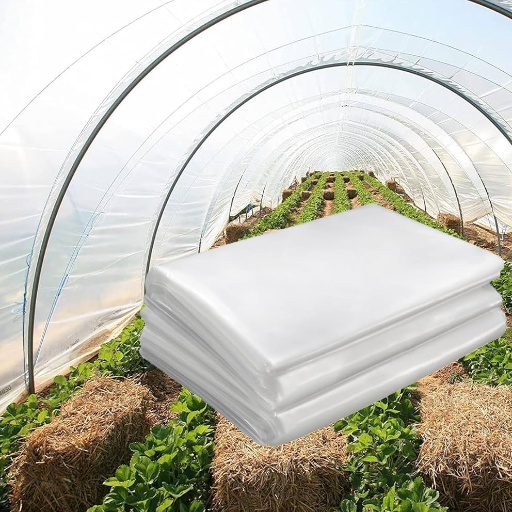
Agricultural films are an important component of modern agriculture, which, moreover, contribute to increasing yield and mitigating the effect of adverse environmental conditions and saving scarce resources. Greenhouse and microclimatic coverings, mulches, and other techniques are implemented for specific causes and objectives. This publication focuses on a detailed study of all the film classes that can be used in agriculture and the benefits of each of these classes, leading to customers imitating the most up-to-date agricultural films. Whether the purpose is to practice better farming, to perform the task faster, or just to find ways to understand and adhere to every known agricultural film type, this reference lays out every step needed to make the right choice for all your agricultural practices.
Introduction to Agricultural Films
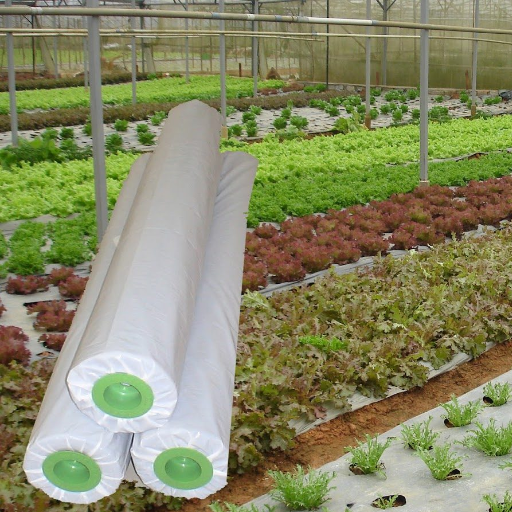
Agricultural films are unique plastic compounds that are optimized to cause significant improvement in farming processes and help to protect crops. Common types of agricultural films are mulch films, greenhouse films, and silage films, all of which have different functions. Mulch films, for instance, aim at soil temperature, weeds, and to retain moisture. Greenhouse films, also known as crop shields, provide an artificial environment for the crops by managing light and external factors. Silage films are used as a fodder preservation tool by maintaining the freshness and nutrition of the fodder for a long period of time. Films have become part of the current agricultural practices, appreciating their usefulness in increased production and resource management.
Definition and Purpose of Agricultural Films
Agricultural films take the form of special types of plastics that are used for purposes of making farming efficient and productive. The importance of these films in agriculture today lies in their ability to create desired microclimates, mitigate environmental stress, and, to a great extent, protect the crops. Mulch films restrain the growth of weeds, maintain the moisture content of the soil, and maintain a temperature throughout the year; Greenhouse films support this process by containing the light and ultraviolet rays, while Silage films resist the processes necessary for fermentation and feed storage. Agricultural films enhance efficiency in resource use, assist in promoting good farming practices, and are necessary for modern agricultural systems, among others.
Overview of Their Role in Modern Agriculture
The relevance of agricultural films can best be understood in terms of how these materials improve the effectiveness and environmental friendliness of farming methods. Resource-centered practices such as water retention, soil erosion control, and welfare of crops in excessive heat, pest situations, and excess sun offer optimized resource utilization by various films. They stretch the growing months and the amount of produce grown to enable farmers to step up and satisfy increased food demands by maintaining acceptable microclimatic conditions. Also, the development of eco-friendly films made out of biodegradable and recyclable materials has helped in lowering the negative impacts of agricultural activities in the context of sustainable development. Their plasticity and ability to transform make agricultural film types indispensable in solving the hurdles of agriculture in the contemporary world, which include climate variation, depletion of resources, effective crop management, and food production.
Key Benefits: Crop Protection and Yield Optimization
🌱 Strategic Advantages of Agricultural Films
- Protect crops through the establishment of a microclimate that guards plants from vagaries of the weather, such as excess rain, frost, and winds
- Contain the infestation of pests, making chemical pesticides obsolete in the process
- Prevent chemical pesticides by controlling ground temperatures, moisture, and weed control, resulting in higher yields in plants
- Increase productivity and enhance efficiency in the use of resources through mulching and greenhouse applications
- Result in sustainable agricultural practices and increased food security
Types of Agricultural Films and Their Uses
Mulch Films: Materials, Properties, and Benefits
Most of the mulch films are produced from materials such as polyethylene (PE), low-density polyethylene (LDPE), or polymers that can be degraded by biological means. Different materials exhibit different mechanical properties, adaptability, and impacts on the surroundings. The popularity of biodegradable mulch films is on the rise because they are environmentally friendly, as they don’t add any pollutants, and decomposition happens naturally in soil.
There are several characteristics that define a mulch film, and these include high tensile strength, resistance to ultraviolet radiation, and the ability to retain moisture. Various agricultural film types can be found in different thicknesses, widths, and also colors, for example, black, clear, or silver. Each of these colors has a specific role in agriculture. For example, black mulching films are used to control weeds, whereas clear films help in heating the soil.
Many advancements and innovations in agriculture have been realized in all parts of the world. In our modern-day agriculture, however, innovations that have been found useful include mulch plastics. Their advantages over the traditional methods of farming are: temperature control, water usage efficiency, elimination of weed growth, and protection from pests and diseases on crops. Consequently, an increase in yields, better quality goods, and efficient use of water supplies can be attained. Besides, they help reduce the amount of soil erosion and nutrients, therefore aiding in the accomplishment of sustainable agriculture for a very long time.
Greenhouse Films: Functionalities and Types
Among agricultural film types, greenhouse films generate a highly effective environment for the growing of plants and increase the productivity of agriculture. Greenhouse films manage the climate, light, and humidity levels and avoid the negative weather effects on the production process in any season. This also helps keep the crops safe from ultraviolet light and insects as well as disease, thus reducing the problems associated with growing plants.
Polyethylene (PE) is the most widely applied in agriculture due to its cost efficiency, ease of use, and light permeability. Co-polymer sectors, such as ethylene vinyl acetate (EVA), have enhanced wear resistance, warm-keeping properties, and enhanced anti-balling characteristics. Multi-layer films are a combination of various materials in one film that are aimed to achieve strengths, UV stabilization, and heat-holding properties. In more complex greenhouse films, the technology integrated by use of additives in the plastic covers can easily allow for enhanced light dispersal, anti-fog effects, or IR absorptions, enhancing energy savings and crop yield.
Silage Films and Their Application in Crop Storage
The technique of encasing forages through the use of silage film has advanced with the emergence of high-quality plastic films. This film consists of polyethylene (PE) or multi-layer co-extruded materials, which are highly resistant to stretching, tearing, and sun exposure. The functions of these films are to restrict the flow of air or oxygen into the silo or stores to prevent unnecessary losses and thus save a lot of good-quality silage of good quality. Recent advances have led to the development of silage film structures that incorporate multiple layers for optimal aesthetics, structural integrity, and airtightness of the film.
They find applications in crop storage systems, such as baling of silage bales and covering silage pits. The agricultural film types offer an oxygen barrier, which maximizes the silage process by reducing penetration of oxygen to almost zero, therefore giving another angle of storing feed without loss for a prolonged period. Silage films should always be fitted and maintained correctly as any tears and gaps might cause the aeration process to break, which eventually results in food spoilage.
Tunnel Films for Growing Specific Crops
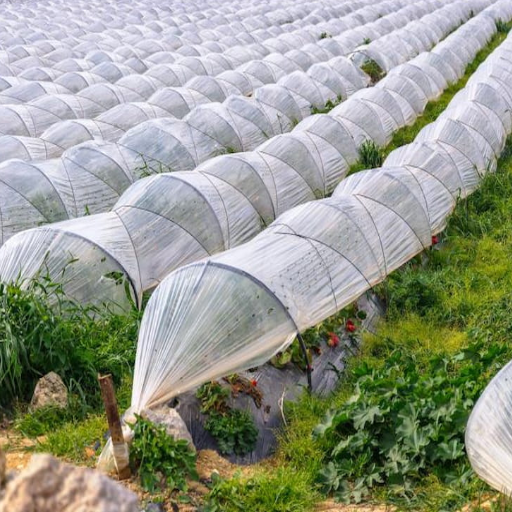
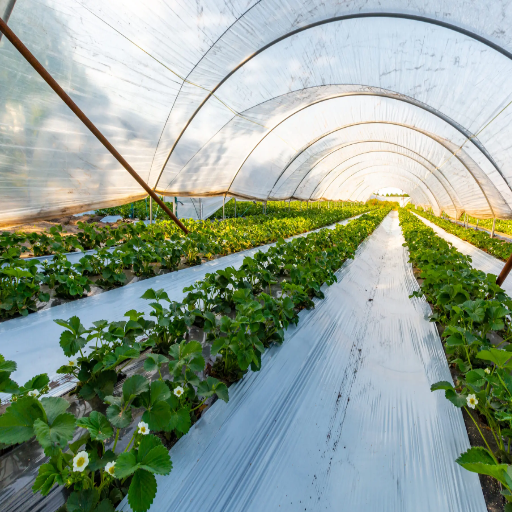
Various agricultural film types, such as tunnel films, have found extensive application in the agricultural sector as they provide controlled conditions for the crops that tend to increase productivity and consequently the yield of crops. They are usually made of polyethylene materials with UV-inhibiting additives, allowing good transmission of light through the film without allowing the harmful shortwave ultraviolet rays to reach the plants. Tunnel films additionally help to control temperature, minimise water evaporation, and protect crops from pests and drought. Tunnel systems help some crops, such as tomatoes, peppers, strawberries, and lettuce, because they extend the growing season and enhance the crops’ quality because of less stress from environmental factors. The latest tunnel films with anti-drip and UV-stabilized films, as well as better toughness, have become prevalent nowadays in farming because they give guaranteed results and efficient use of resources. Tunnel films must be installed and maintained properly to serve their purpose. Hence, other means of anchoring must be invented, and inspections must be done to avoid damaging or unilateral loss of tunnel films due to aging.
Key Materials Used in Agricultural Films
In general, films utilized for agricultural purposes are made up of performance-enhancing polymers that promote longevity, pliability, and resistance to external conditions. The main components include polyethylene (PE), which is generally preferred for utilization because of its relatively low price and versatility, and ethylene vinyl acetate (EVA) preferably used because of its heat stability and increased light scattering properties. Low-density polyethylene (LDPE) is also widely used due to its ductile and lightweight properties. Moreover, if there are requirements for stronger films, linear low-density polyethylene (LLDPE) may be the most appropriate choice due to its high tensile strength and toughness. Enhancers for functional properties such as UV stabilizers, anti-fog agents, and infrared blockers are enhanced in advanced films for longer product life and better performance. The choice of material depends on the agricultural region’s technological requirements, the kind of crops grown, and the planned use of the film.
Polyethylene (PE): Properties and Common Uses
Polyethylene (PE) can be described as a strong, elastic, flexible, non-swellable, and chemically stable thermoplastic polymer. The striking feature about it is that it has a very high strength-to-density ratio. This is to say that its usage cuts across a wide range of industries as well as commercial areas. Among many other notable attributes of PE is its good resistance to water and hence to soaking, excellent insulating properties due to electrical charges, and very high impact resistance. Thermoplastic material such as PE comes in different grades ranging from high-density polyethylene to low-density polyethylene and linear low-density polyethylene cultivated for different purposes.
PE is one of the most versatile materials and has many common applications in many industries. In addition, PE also finds extensive usage in the packaging, construction, and medical sectors due to its chemical and water resistance. Polyethylene is one of the most prevalently used plastics in the present day because of the high levels of existing industries and the low price of the material.
Ethylene-Vinyl Acetate (EVA) Copolymers
The ethylene-vinyl acetate (EVA) copolymers, as the name suggests, are formed from the copolymerization of ethylene and vinyl acetate (VA) to combine the flexibility and the robustness of the two materials. These copolymers have different variations in the polymerization of vinyl acetate (VA) in the range of 5–40%, which in turn affects the properties of EVA products. For example, those with minimal VA inclusion bear some resemblance to polyethylene; they are relatively stiffer and harder, and better in terms of tolerating impacts, unlike the ones with more VA. This is because the internal elasticity increases along with the increase in the content of the VA. Such EVA copolymers, therefore, make agricultural film types useful for the production of footwear, glues, and elastic packages.
EVA-based copolymers are recognized for their excellent resistance to stress-cracking, resistance to UV, and performance in low temperatures. In addition, the same can be processed through a number of processes such as extrusion, injection moulding, and blow moulding, making it suitable for use in many other areas. Such products are widely used in encapsulating solar modules, making sports equipment, manufacturing films, and medical devices, among many others. Apart from the qualities outlined above, EVA is noted for its clarity and human safety, both of which come in handy in situations where the material to be used is for food purposes. This material finds many uses, and due to its lightweight and easy manufacturing process, it is regarded as a very important material for both industrial and personal uses.
Biodegradable and Compostable Film Options
In recent years, biodegradable and compostable film usage has been on the rise. They are used as a sustainable substitute for plastic films. Such films are mainly made from polylactic acid (PLA), polyhydroxyalkanoates (PHA), starch blends, and other bio-based materials. The difference between their functionality is that when biodegradable ones work under specific conditions, the compostable ones are manufactured to meet higher expectations. These types of films biodegrade into water, carbon dioxide, and biomass in composting facilities, including banana compost, household compost, and other composting production.
These materials are beneficial primarily due to their low negative effect on the natural environment, suitability for food contact, food packaging, or even agricultural purposes. Nevertheless, the breakdown process will be highly dependent on temperature, humidity, microorganisms, and other factors that are different from one environmental condition to another. Further, because disposal of such films via traditional waste streams can cause contamination by normal plastic materials, they should be carefully channeled to industrial composting facilities or any other appropriate disposal systems.
Another trend includes an increase in biodegradable and compostable films that hold enhanced mechanical properties, optimizable sizes and costs, hence capable of accessing all applications without exception while addressing the problem of their irrelevance in the context of the global call for sustainability.
Technological Innovations in Agricultural Films
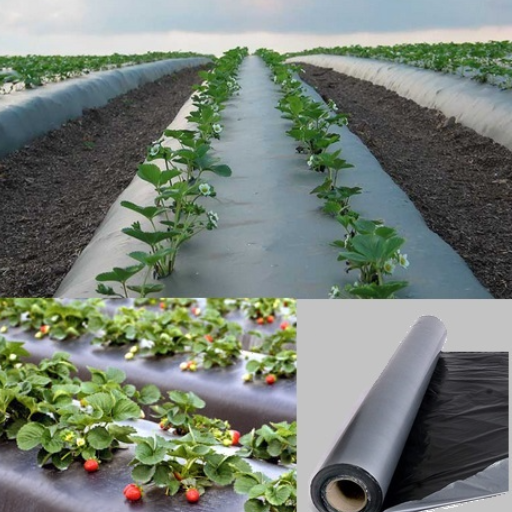
Recent breakthroughs in agricultural film types have enabled the introduction of new materials that are eco-friendly, unlike conventional plastic sheets. These developments are premised upon the usage of biodegradable polymers, especially PLA and PHA, which, by their composition, biodegrade in a very short span of time without much pollution. Moreover, engineering enhancements in terms of rigidity, resistance to UV, and moisture reduction have been explored as ways of improving films during the crop life. However, in order to make sustainable agriculture a future trend, industry-based solutions that deal with economic viability and ease of product adoption are also being pursued.
UV Protection and Light Diffusion Technologies
The agricultural sector relies on films that contain diffusion of light as well as UV protection. Such features are responsible for increasing farmers’ productivity and extending the duration of use of the films. Photodegradation is inhibited by including ultraviolet stabilizers, which disperse along with the film. This interaction helps stop UV degradation of the film — absorbing and converting UV rays into heat energy and hence protecting it against structural damage.
Conversely, light diffusion additives help to diffuse incoming sunlight so that the intensity of the light evenly spreads across the entire crop canopy. This minimizes issues of shading and maximizes photosynthesis, enabling uniform plant development and better harvest. Contemporary technologies have been perfected to the extent of minimizing the blocking of ultraviolet rays and increasing the transmittance of light to a level that the plants consider conducive, and yet the film does not easily break down. Agricultural film types that are readily available in the light-permeable technology adaptation focus now also include economic and reusable models to help in sustainable agriculture.
Anti-Drip and Thermal Control Features
In agricultural film designs, the introduction of both the anti-drip and the thermal control elements cannot be avoided, as these innovative solutions serve the overall purpose of increased productivity. Anti-drip technology serves in the prevention of water drops formed on the internal surfaces of the poly film supports by allowing water to spread within a wider scope. This results in a smaller chance of infection and ensures that excess light is not blocked. In contrast, thermal control helps in the retention of the internal heat on colder days by restricting the loss of radiative heat. These materials also contain some mixtures to decrease the amount of penetration of infrared radiation, keeping the internal temperature under control, along with changes in external temperature. The plant health in these conditions is not only improved, but there is a decrease in costs and an increase in other agricultural practices. In sustainable agriculture, these features are critical.
Nanotechnology in Agricultural Film Production
In recent times, film types used for agriculture have considerably advanced in terms of properties and stability, thanks to innovations in nanotechnology. Adding nanoparticles such as clay-based nanocomposites, zinc oxide, titanium dioxide, etc., in the making of these films leads to the incorporation of better mechanical strength, anti-UV, and thermal stability components. Nanoparticles can also be tailored to perform extra functions, such as being microorganism and insect-repellent, thus inhibiting fungal and bacterial growth on most crops harvested. There is also an opportunity to design films that have better diffusion functions with the help of nanotechnology, which improves photosynthesis markers and leads to an increase in the growth of plants. In addition to prolonging the use of these agricultural film types, such technologies promote environmental conservation by reducing chemical treatment and enhancing the productivity per unit resource used. The use of nanotechnology in agricultural films is an example of an innovative and environmentally-friendly approach.
🔬 Key Technological Advances at a Glance
- UV Stabilizers — Extend film life by absorbing and converting harmful UV rays
- Light Diffusion Additives — Spread sunlight evenly to maximize photosynthesis
- Anti-Drip Coatings — Prevent water condensation that blocks light and fosters disease
- Thermal / IR Control — Retain internal heat; reduce energy loss on cold nights
- Nanoparticle Additives — Enhance strength, antimicrobial properties, and diffusion performance
Performance Factors to Consider When Choosing Agricultural Films
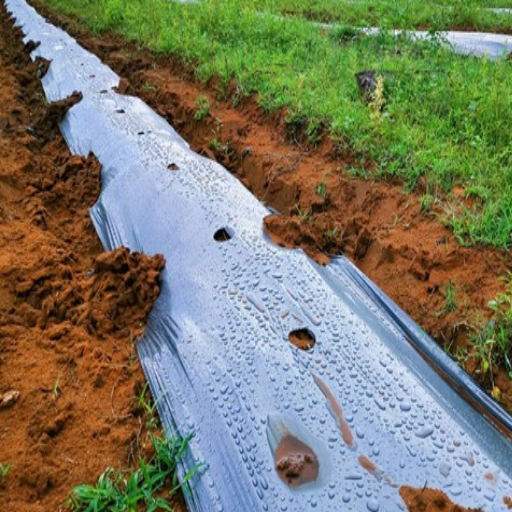
When selecting the right film for your agricultural application, the following criteria must be carefully evaluated:
- 1
Durability
Make sure the films you are using are resistant to ultraviolet, weather, and mechanical forces to avoid frequent replacements and costs in the long run. - 2
Light Transmission
Look for films that will transmit sufficient light but at the same time distribute sunshine evenly so that there is no formation of hotspots for food plants to be uncomfortable. - 3
Thermal Insulation
Use film materials that possess heating properties to ensure there is no unnecessary loss of energy in spaces or temperature falls when growing plants. - 4
Moisture Control
Film should be such that it has anti-drip and anti-mist qualities to avoid moisture accumulation, which results in crop diseases, among others, or reduced light entry into the greenhouse. - 5
Environmental Impact
Insist on greener choices, even as available options include films that can be decomposed or recycled within the environment. - 6
Cost-Effectiveness
Weigh the upfront costs of the component against its useful life and maintenance credit to be able to make a sound investment decision.
Considering the various agricultural film types guarantees the farmer better crop protection, increased productivity, and the foundation of sustainable agricultural practices.
Thickness, Durability, and Lifespan
An important parameter affecting the longevity and duration of use of agricultural film is the thickness. Normally, the film thickness is 20–200 microns: the thicker the films, the greater the resistance to tear or puncture and the longer the service period. Strength depends on a number of factors, which include the quality of raw materials, the presence of UV stabilizers, and the ability to withstand other weather effects. Most often, several harvesting cycles can be done with the UV-coated films, ranging between 3 and 5 years under moderate temperatures. The useful period can also be altered by the extent to which the film is exposed to sunlight, subjected to variations in temperature, or incorrect handling practices. Proper agricultural film types, their thickness coupled with the right level of UV protection, focused on obtaining a balance between costs and protection for each agricultural practice, are the factors that should be evaluated for best utilization.
20–200
microns
microns
Typical agricultural film thickness range. UV-coated films can provide 3–5 years of service life across multiple harvesting cycles under moderate temperatures.
Weather Resistance and Adaptability to Climatic Conditions
When taking into account weather proofness and the ability to adjust to the various environments with dissimilar climatic conditions, it is important to pick materials or supplies that have proper protection against the elements (such as extreme heat, excessive moisture, and high UV levels) and are more resistant to those conditions throughout long spans of time in service. In order to ensure enhanced durability and stability, perfect solutions are selected per area of application, which minimizes the degradation process in different climatic regions.
Cost-Effectiveness Versus Long-Term Performance
Optimal cost and long-term performance always involve thoroughly assessing the amount of money investment required initially and over the useful lifetime of all applicable assets and their replacements. Many practices promise this and, in the interest of immediacy, save money up-front only to spend quite a lot more in the long-term on repairs, replacement, or on the equipment and managing the installation. More durable materials and systems, even though they have higher construction costs, have proved to provide a higher return on investment over time by minimising the consequent operational and maintenance expenses. Selection should take into account aspects such as the quality of material being utilized, the environmental adaptability, and the efficacy of energy use so that the levels associated with sustainability and owning a product for the entire life are in line and not excessive. In the end, when compromises have to be made, the high performance for longer periods of time, instead of focusing on short-term energy savings, usually results in good returns.
Agricultural Film Materials — Comparison Summary
Final Takeaway
Choose the Right Film, Grow a Better Future
Agricultural films are not a one-size-fits-all solution. From mulch and greenhouse films to silage, fumigation, and stretch applications, each type serves a distinct purpose. By matching material properties — durability, light transmission, thermal insulation, and environmental impact — to the specific demands of your crops and climate, you can significantly increase yields, reduce resource waste, and build a foundation for sustainable, long-term agricultural success.
Reference Sources
North Carolina State University – Plasticulture for Commercial Vegetables Plasticulture for Commercial Vegetables
This resource discusses specialized plastic mulches, including Totally Impermeable Film (TIF), and their applications in agriculture.
University of Alaska Fairbanks – Plastic Mulch and Row Covers-Plastic Mulch, Row Covers, and Low Tunnels for Vegetable Production
This publication provides insights into various types of plastic mulches and their uses in vegetable farming.
Frequently Asked Questions (FAQs)
What types of agricultural film are frequently employed, as well as the corresponding raw materials used in production?
Agricultural film types are LDPE mulch film, HDPE greenhouse film, EBA and EVA blends, PVC, and multi-layered co-extruded films. They are most commonly made out of resins like low-density polyethylene (LDPE) and high-density polyethylene (HDPE), linear low-density polyethylene (LLDPE), and, less frequently, PVC. During extrusion, plastic additives (UV stabilizers, antioxidants, slip agents) are also used to determine the longevity, clarity, and ability of such films to withstand the environment.
In what ways does using mulch film during planting contribute to enhanced crop yield and soil rehabilitation?
During the planting stage, mulch films can help retain soil moisture, prevent weed growth, moderate the soil under their covers, and allow sunlight to penetrate in one way or another to ensure better plant performance and, as a result, greater filtering and harvesting of crops. Mulch regulates the soil conditions, decreases water loss through evaporation, and aids in ground restoration – thus it staves off different irrigation regimes and crop planting systems.
How do materials based on sustainable agricultural film types ensure sustainability in food production?
Sustainable films comprise against-the-earth formulations such as PLA, polyolefins (LDPE/HDPE) for return to closed-loop recycling, and films with a very long span of use to limit repeat replacements. It is also beneficial for social and environmental concerns to use films with recyclable resin to make such agriculture films, which do not contain toxic plastic additives during manufacturing, as it predominantly promotes conservation of croplands from plastic as well as chemical pollution.
What are the functions of stretch film and bale wrap with respect to the harvested crops, and how do they help in achieving such functions?
Especially regarding stretch films and bale wraps, these are plastic films primarily entailing the wrapping of bales of fodder as well as harvested crops for the primary intention of protecting such harvested bales and products from the intrusion of moisture, oxygen, and even pests, elasticity to prevent feed degradation by oxygen and sunlight, as well as by other factors. This is also called bale wrap (it is mainly manufactured with LDPE and LLDPE) since such bales are easily sustained in adherence without much effort. Hence, wrapping grows the feed quality, i.e., contained inside by excluding the air and sunlight, and other factors that cause feed particles decompose without much difficulty.
Are plastic films used in agriculture recyclable? Nonetheless, recycling them on the farm proves to be both practical and impractical.
Yes, it can be said that plastic used in agricultural films, such as LDPE and HDPE are recyclable where collection is available. Some of these films have contaminants such as dirt from the field, pesticide residues, herbicide residues, or crop residues, and multiple films with the same resin; however poses challenges when it comes to sorting. Cleaning, sorting the plastic according to its base, and using proper films which are made from recycled materials only (single type of resin, without any significant additives) increase the recyclability and environmental friendliness of packaging.
How do irrigation water, chemicals, and pesticides make sense in this case, when agricultural film types are used?
When using films in farming, there is an interaction with irrigation and pesticide use so that drip irrigation with plastic mulch is more efficient on water while herbicide application would only need to be done on targeted areas of the land for row covering films; there are also cases where the film receives residues, which is not desired because it complicates the process of recycling such film. These, therefore, necessitate careful management and selection of agricultural film types that do not curb the protection of post-harvested products, soil health risks, and the environment as development progresses.


Trending now