Get in touch with Kitech Company

Greenhouse Film Recycling: Process, Equipment and ROI


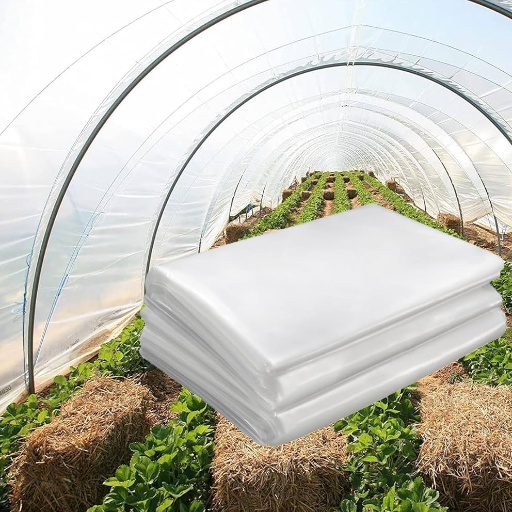
In contemporary times, Greenhouse Film Recycling is one of the most useful sustainable interventions because of the ever-growing need to manage waste and enhance the use of resources. The tons of plastic film disposed every year in the course of using the greenhouse across the globe calls for methods for the recycling of this waste to avert the damage caused to the environment and at the same time implement biodegradable economic principals.
Key Takeaway
In this wide-ranging guide, you will learn the importance of greenhouse film recycling in agriculture—whether you are a farmer, a producer of machinery, or an advocate of green technology. We explore detailed processes, advanced machinery, and economic incentives that make these actions both environmentally friendly and financially feasible.
Understanding Greenhouse Film Waste
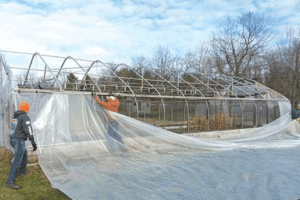
In contemporary times, Greenhouse Film Recycling is one of the most useful sustainable interventions because of the ever-growing need to manage waste and enhance the use of resources. The tons of plastic film disposed every year in the course of using the greenhouse across the globe calls for methods for the recycling of this waste to avert the damage caused to the environment and at the same time implement biodegradable economic principals. In this paper, the author discusses the detailed process of recycling greenhouse films, the advanced machinery necessary for effective outcomes, as well as the economic incentives that make the actions not only green friendly but also feasible. In this wide-ranging guide, you will learn the importance of greenhouse film recycling in agriculture whether you are a farmer, a producer of the machines or an advocate of green technology.
Types of Greenhouse Plastic Films
- ✓
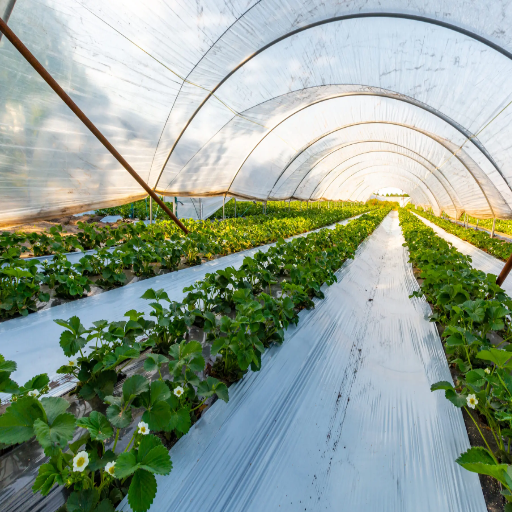
Moisture Control: The use of plastic films in agriculture plays a crucial role in moisture conservation in the soil. These films work by limiting the amount of evaporation that the soil can undergo, and this water-saving aspect is highly beneficial particularly in desert-like areas. Research has shown plasticising mulch helps conserve up to 50% of water. - ✓
Weed Control: The use of agro-plastics films also prevents the re-growth of weeds. These plastics prevent sunlight from reaching the soil. Thus, there is no necessity to use excessive amounts of herbicides as weeds are prevented and this also solves the problem of contamination without restricting production. - ✓
Temperature Control: Plastic mulches may heat up the ground and control early planting for the better growth of the crops. For instance, in colder regions, black plastic is generally used for warming up the soils in order to enhance the germination of the crops as well as production. - ✓
Soil Erosion Prevention: Plastic films serve as a shield covering the soil surface, thus limiting wind and water erosion of the soil. This is especially important for areas at risk of degradation as a result of inclement weather. - ✓
Fertility Conservation: In addition, the application of the film enables the application of water and nutrients solely to the roots of plants and in this respect, offers efficient fertilizer use with high crop yields and lesser environmental degradation.
Environmental Impact of Plastic Waste
Plastic is bad for the environment because it does not decompose, yet it is used appreciably all over the world. Impacts of disposal of plastics are the following five aspects:
⚠️ Critical Environmental Threats
- Destruction of the Marine Environment: Every year, around 8 million tons of plastic end up in the sea, contributing to rubbish islands such as the Great Pacific Garbage Patch. It is hazardous to marine creatures as they often ingest or get entangled in plastic debris, thus ending up harmed or killed.
- Degradation Into Micro Pieces of Plastics: Time elapses and plastics turn into microplastic waste. The particles have been identified in places like soil, water and even in food resulting in ecosystem’s risks and also the possibility of affecting people.
- Greenhouse Gas Emissions: The entire process from making to burning plastics release a great amount of greenhouse gases. For instance, it is estimated that approximately 3.8% of the total world’s carbon emission is attributed to the production of plastics.
- Landfill Surpluses and Occupation of Land: The annual production of over 400 million tons of plastics surpasses the capacity of many waste disposal mechanisms resulting In overflowing landfills. Such garbage occupies more land and pollutes the adjacent environment with toxic leachate.
- Effect on Non-Aquatic Animals: On the surface of the earth, animals are also likely to ingest plastic waste and lose their lives while moving in an environment unsafe with disposed plastic waste. Such will cause the animal species under consideration not to be able to fulfil its nutritional requirements, become hurt or even die in some cases.
Achieving meaningful reduction will not be possible without concerted global efforts to limit the use of plastics, enhance Greenhouse Film Recycling and replace them with new limits.
Current Recycling Methods for Greenhouse Films
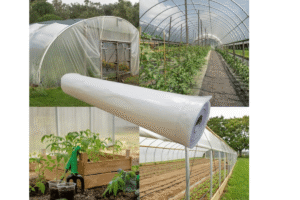
- Mechanical recycling: It is the most popular technique and consists of gathering, washing, cutting down into bits, and reincorporating the plastic back into pellet forms. The reprocessed pellets are then used in the production of plastics.
- Chemical recycling: These are sophisticated methods like pyrolysis and depolymerisation, which convert plastic films back into chemicals. The chemicals are further used to create new products or fuels.
- Energy Recovery: Where recycling is not an option, they can incinerate the greenhouse films to extract energy. It helps in waste reduction, yet the approach is not as environmentally friendly as recycling.
- Specialized collection programs: A lot of places have separate collection and recycling programs for agro-films, which aim at reducing the ecological footprint among others. Such programs usually include the participation of producers to develop recycling within a closed cycle.
Adopting these methods supports sustainability by reducing landfill waste and conserving resources.
Traditional Plastic Recycling Processes
- 1
Collection and Sorting
Plastic waste is collected through curbside collection schemes or other drop-off sites. From there, the recovered material is either hand-sorted or machine-sorted into different groups with regard to the compatibility of the materials (resin and color). - 2
Cleaning and Shredding
Following the sorting process, plastics are washed and rinsed of any impurities like labels, adhesive or food and drink traces. After this washing process, the material is shredded into smaller sizes known as flakes, which are easier to process in the following steps. - 3
Melting and Reprocessing
The plastic flakes are melted, and worked into new products (in the form of pellets) utilized as raw materials for further production. Some plastics may require further treatment before reuse in order to improve the quality of the material. Ultimately, everything depends on the type of plastic being used.
Some of these products can go through refinement to raise the material quality, this also varies with the type of plastic being processed. All of these procedures constitute the backbone of plastic recycling programs and help to mitigate the environmental impact of discarded plastics.
Innovative Techniques in Film Recycling
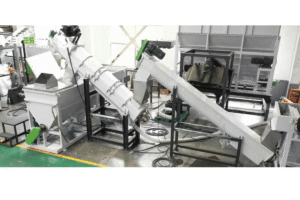
1. Chemical Recovery
Chemical recovery in terms of plastic films implies breaking them down to initial molecules by means of such processes as pyrolysis or depolymerization. The processes of particular interest here are the recoveries of monomers or any of the other value-laden chemicals for repolymerization into high-value properties. A few authors have argued that analytically, chemical recovery of plastic films may reach up to 90% whilst processing those that are otherwise relatively difficult to treat conventionally.
2. Sieve Recycling
This process provides for the use of separation solvents to separate polymers in a plastic film and leave the unwanted substances. The said polymers are separated and cleaned before re-precipation to obtain a good quality recycled material. Research has indicated that solvent-based techniques can have recovery ulti-processes over 85% implying very high efficiency for contaminated or even very thick films.
3. Greenhouse Film Recycling (Mechanical Enhancement)
The process of mechanical recycling reinforced by adding compatibilizer agents is becoming more prominent in dealing with processing of mixed or multi-layered films. The agents allow mixing incompatible polymers during extrusion thereby enhancing the strength and processability of the recycled material. Based on the field studies, it can be suggested that the use of compatibilizers may result in an improvement in recycled film quality by at most 30%-50%.
4. Microwave-Assisted Pyrolysis
Microwave-assisted pyrolysis constitutes a novel technology that employs the use of microwave energy in order to quickly and efficiently depolymerize plastic films. The technique is able to produce into the system useful by-products such as oil and gas which besides have registered conversion yields in excess of 70 per cent during evaluations, thereby making the method highly attractive for uptake on a scaled level.
5. Enzymatic Depolymerization
We use several innovative methods including the enzyme-assisted hydrolysis that involves selective degradation of certain polymers like PET into their constituent monomers in the Greenhouse Film Recycling. The process is conducted in a mild manner, without putting harmful pressures onto the environment. Initial studies with enzymes have shown that they are able to recover almost 99% of various polymer substrates treated with high efficiency and low wastage.
Case Studies of Successful Recycling Programs
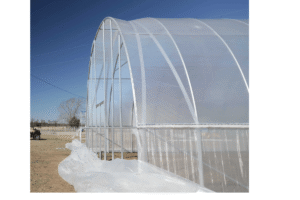
Case Study 1: Greenhouse Film Recycling Inc.
Recycling is a good example of closed-loop systems in operation and in case of polyethylene terephthalate (PET) films, there are several examples demonstrate this principle. Within companies carrying out this practice, the post-consumer PET films are taken, cleaned / sorted and the material undergoes processes to fill out high quality recycled PET (rPET). This rPET is included in the productions cycle and helps to make new films. This reduces raw minerals consumption to a great extent and essentially promotes a sustainable economic model.
Case Study 2: Municipality of Germany
Improved screening equipment designed for use in cosmopolitan waste management systems in Germany gives them the capacity to accurately exclude films from the mixture of wastes. Optimised sorting practices realized especially due to regulatory actions, enabled the recycling of plastic films to over 60% setting a standard worldwide in waste management practice efficiency.
Case Study 3: Biorecycling with Enzymes
French scientists performed a pilot project and demonstrated how to carry out enzyme-based biorecycling of polyester films. Specifically, polyester was subjected to enzyme digestion in the process breaking down the polymer into monomers, the monomers were then purified and went back in the polymeric form. The energy efficient recovery was at a good rate indicating that the process could easily be scaled up.
Challenges in Greenhouse Film Recycling
The ardent concern with the recycling of greenhouse films bothers many. Greenhouse Film Recycling will always or mostly involve contamination by a high level of dirt, herbicides, plant residues etc. and that makes it burdensome and costly to dirty clean and recycle. Secondly, some of those films consist of several layers or are reinforced with some chemical for firmness and toughness, which makes it hard to disassemble those films when recycling. For instance, some of the aged goods because of the sunlight will become more fragile and won’t be reusable any longer. And finally, in most food-producing regions, there is inexistent or inadequate primitivism and organization needed to trouble for collection of these films and processing them for optimistic recycling of such films; perhaps slaps back for most of the attempts to recycle them.
Contamination Issues in Recycling
Cautions not to recycle tend to focus on the use of bad quality inputs, since those bring down the quality and price of raw materials recycled. The most usual where those who recycle encounter contaminated recyclables is when there is food waste in them, containers made from more than one kind of material, or even items that are not recyclable in the first place. Over time, these substances may reduce the efficiency of the components, treatment requires more expenditures, and lowers the value of products made from secondary materials. This problem cannot be solved only with the help of advocacy or eco-labeling: it requires more efficient sorting processes, a high level of understanding among the population about what permissible recycling is and what is not, and the introduction of processes making it possible to unsubscribe to exclusive separation of waste by recycling and non-recycling components.
Degradation of Plastic Film Materials
Plastic film material breakdown is associated with environmental condition exposure, including exposure to moisture and sunlight and oxygen. UV rays which are part of the sunlight serve to break the plastic polymers by causing brittleness within the material. Oxygen isn’t helping the matter either since it is responsible for oxidative degradation by infiltrating the polymers and causing the material to lose its strength. These processes are however relatively slow and hence plastic films usually persist in the environment for weeks, months, years and even decades as there are no recycling and even special degradation pathways available.
Economic Barriers to Effective Recycling
High expenses in collection, sorting, and processing of materials constitute the major economic challenges for effective recycling. Most of the recycling initiatives experience financial setbacks mainly because there is rarely enough market demand to cover the costs involved in recovering and processing the recyclables, making the practice unsustainable without intervention through subsidies or some incentives. Furthermore, the changes in the global commodity prices make the recyclables expensive to operate compared to virgin materials. This feature makes its operations less cost effective in areas that lack modern facilities as there is minimal to no investment in technology and infrastructure for enhancement of recycling. Lastly, there are low levels of public awareness and involvement in the recycling practices which often lead to low volumes without compromising the quality and quantity of the collected materials, hence jeopardizing the economic viability of such systems.
Best Practices for Farmers and Recycling Facilities
- ✓
Ensure Effective Waste Segregation: Farmers and facilites should specificly divide re-usable and non-reuse materials at source. Correct separation decreases contamination thus enhancing quality and value of materials to be recycled. - ✓
Use Eco-Friendly Packaging Options: Using biodegradable or recyclable packaging for agriculture produces helps to avoid waste generation and helps in closure of loops in the economy. - ✓
Encourage New Recycling Methods: Appropriate machinery like balers and shredders help to shrink the size of the wast materials and thus aid in their easy recycling thus increasing the efficiency. - ✓
Educational and Training Modules: By way of organizing trainings for the personnel, workers as well as the communities on the ground, which assists in improving the recycling education and hence levels of collections can be realized. - ✓
Work with Local Recycling Networks: Recycling efforts are escalated when established recycling programs or facilities are brought on board as they provide a dependable and affordable solution in terms of collection, transportation, and processing of recyclable materials.
Such practices, once in place, can go a long way in ensuring that recycling operations are not only economically but also environmentally efficient.
Implementing Efficient Recycling Programs
The effectiveness of any recycling program depends on the education of the populace. The rates of recovery can be high when people have reasons and understand the tenets of recovery. For example, providing clear against jargon materials such as pictures outlining which materials are to be recycled and how, or why recycling is important. Schools and instruction to communities are avenues that must be undertaken to bring on board all generations. Instead, such lessons have to lead to commitment by the people involved, upholding the tenets of sustainable practice, hence the reason as to why education is a key pillar in the realization of any program’s objectives.
Collaboration Between Farmers and Recycling Centers
Firms collaborating in agricultural work and waste management and disposal providers are in the backbone of agricultural systems that are friendly to the development. Because farmers tend to produce waste products like plastic and other metals, waste processing companies build strong infrastructure to ensure that integration is easy to achieve. Apart from agricultural plastic recycling programs, recycling centers also handle agricultural waste management like plastic sheeting used in horticulture such as irrigation tubes, bale wrap and silage covers. This benefits both the farmer as they do not waste landfill space as well as the environment a few ways reduce waste. There would be no more red tape in case such sectors engaged in communicatory relationships of mutual benefits of the players by such service adequacy. Such activities are important to the agriculture sector too in the sense that it becomes cheaper for the farmers in a longitudinal manner through waste management effectiveness.
Future Trends in Greenhouse Film Recycling
One noticeable trend in Greenhouse Film Recycling concerns the growing acceptance of technological advancements such as the chemical conversion processes that allow the recycling of waste plastic into new raw products. Besides, it is my expectation that the collection processes will be improved to a more standardized and scalable manner making it possible for farmers to easily access the recycling programs. Also, I believe it would be impossible to address the recycling issues without the growing legislative and policy support toward managing waste from the agricultural sector. All the above described activity patterns add up to the image of an improved and more effective Greenhouse Film Recycling.
Reference Sources
- Shredding and Agriculture Film Recycling: Examines green alternatives to dispose of plastic films used in agriculture, like through qualified agencies that debut shredding their produce.
- Recycle the Film Your Greenhouse is Made Of: Talks about the disposal of waste plastic from greenhouses and high tunnels not through methods like littering.
- Worn Greenhouse Plastic and Silage Tarp Reintegration: There are not many disposal choices other than reusing the greenhouse plastic.
- Recommend reading: Complete Agricultural Film Recycling Line for PE Film Washing & Recycling Pelletizing
FAQs
1. What Is the Most Difficult Aspect of Greenhouse Film Recycling?
Contamination is probably the biggest hindrance to recycling greenhouse films. These agricultural films are often covered with soil, plant material, pesticide residues, and are sometimes discolored due to exposure to ultraviolet (UV) radiation. This means that the plastic in which the particles are suspended, both organic and inorganic, must be cleaned quite thoroughly before it is fed back for reprocessing. In addition to that, the degradation that occurs due to UV light alters the molecular weight of the polyethylene (PE) in such a manner that the density of the resin cannot be tolerated or does not match the expected one during polymix thereby requiring segregation beforehand.
2. What Greenhouse Plastics Are Usually Recyclable?
The majority of the recycling plants concentrate on LDPE and LLDPE compounds as these are the popular films used as, for example, greenhouses and polytunnels. It is important to check with recyclers for specific conditions as not all may accept films containing such additives as anti-fogging, and IR blocking, or the films may become brittle with constant exposure to UV rays. Different processing lines are quite common for the film based on PVC and other polymers.
3. How Best Practice Can Be Ensured While Dealing with a Used Greenhouse Film?
Stringent compliance towards preparation procedures is essential for increased acceptance rates and recyclability of the waste films:
- Shake and Sweep: Any soil, plants, or other materials that have detached during removal must be removed as much as possible.
- Maintain Dry: Since water adds weight and compromises the recycling process, films should be packed only when they are dry.
- Contaminants Removal: It is important to exclude all non-film elements used in packaging – fasteners, strapping tape, rigid plastics.
- Sorting and Baling: The grade or class of the films should be rolled or compressed into bales in accordance with the recycler’s requirements. Avoid mixing different types of plastics.
4. In What Ways Is the Recycling of Agricultural Film Different from Household Plastics?
Recycling of agricultural films has specialized plant and equipment that are capable of processing high contamination different polymers. The first step of the process is usually to reduce the film into smaller flakes through shredding. These flakes are then subjected to a very thorough washing to clean dirt, pesticides, and residues. After drying is done, the clean flakes are melted and extruded through screens of fine mesh filtering out contaminants of micro size before being turned into the recycled plastic resin through the stage of pelletization. With this kind of system, there is a lot that can be done compared to a basic urban waste recycling process.
5. Would It Be Possible to Make Film for Greenhouses out of Recycled Film?
When it comes to “closed-loop” recycling, it is possible but in practice, very few cases occur as the polymer chains of films are already damaged in the first round. Thus, recycling greenhouse film actually involves the usage of the plastic for other purposes mainly due to the low value of the material in relation to clarity. These measures include plastic lumber, refuse sacks, irrigation film, builder’s films etc. But, recent development in chemical recycling and stabilization polymers helps to increase the potential utilization of the recycled films in grades which are more high end.
6. What Roles Does Recycling Greenhouse Film Play in the Environment and the Economy?
By incorporating the use of recycled agricultural films, the burden on landfills is greatly reduced, reducing to a large extent the amount of open farm burning, and hence eliminate harmful pollutants and gases as well. It also makes economic sense because it extracts hydrocarbons that have value in the economy thereby cutting down on the demand for crude petroleum in plastic manufacturing. As for the growers, engaging in recycling processes would entail reduced disposal expenses with respect to landfill Tipping demands and would also fit into the sustainable agriculture practices demanded by certain certifications.