Get in touch with Kitech Company

Plastic Recycling Line Maintenance Best Practices

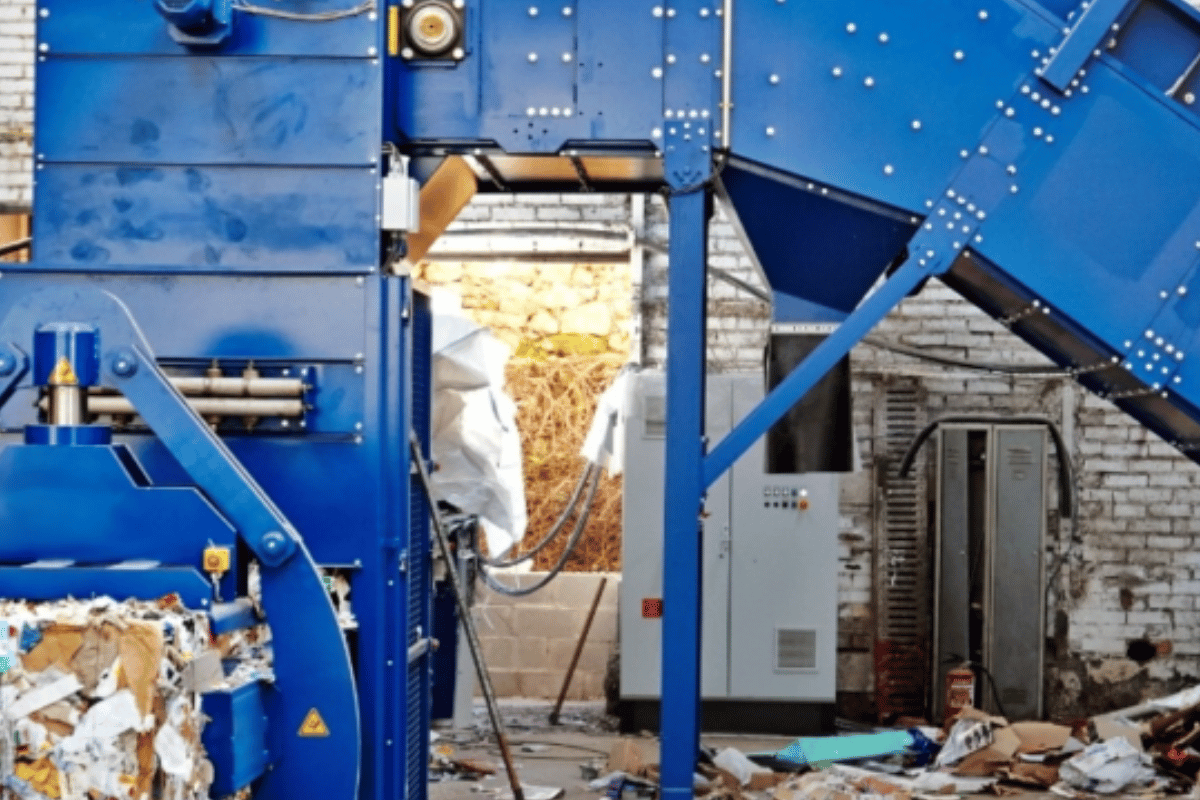
Recycling Machine Maintenance: Complete Guide to Optimal Performance
Essential Practices, Preventive Strategies, and Best Practices for Plastic Recycling Systems
Plastic recycling systems need ongoing maintenance to achieve their best operational results which will decrease equipment downtime and help the company reach its environmental targets. Organizations nowadays require effective recycling systems because they consider waste management and environmental protection as their highest business priorities. This blog post presents essential maintenance practices which plastic recycling facilities must implement to achieve consistent operational performance while reducing equipment maintenance costs and extending equipment lifespan. The recycling line optimization process will help you achieve maximum operational efficiency through these practical guidelines which apply to both your industrial facility and your smaller operational site.
Understanding Plastic Recycling and Its Importance
The process of plastic recycling functions as a vital system which converts discarded plastic materials into useful products thereby reducing environmental contamination. The process removes all non-degradable substances from both landfills and ocean environments which leads to reduced environmental contamination. The recycling operations enable resource conservation because they decrease the need for raw materials which are essential to produce plastic products from petroleum. The production process needs less energy to create recycled plastics than to create fresh plastic materials which results in lower greenhouse gas emissions. The organizations and individuals who support plastic recycling initiatives establish a closed-loop system which enables sustainable development while minimizing environmental impacts.
The Role of Plastic Recycling in Environmental Sustainability
1. Reduction in Greenhouse Gas Emissions
Plastic recycling activities lead to significant reductions in carbon dioxide emissions as well as other greenhouse gas emissions. The research shows that recycled plastic production requires 88% less energy than the production of virgin plastic which results in a major reduction of emissions that occur during plastic production.
2. Conservation of Natural Resources
Plastic recycling prevents businesses from needing to use crude oil and natural gas which serve as limited resources required for producing new plastic products. Recycling activities throughout the world enable approximately 40 million barrels of oil to be saved each year which helps protect natural resources.
3. Decrease in Plastic Pollution
Plastic recycling operations result in lower quantities of plastic waste which would otherwise enter landfills and incinerators and natural environments. The process prevents soil contamination while it stops the dangerous speed at which plastic debris currently harms marine ecosystems that receive 8 million metric tons of waste each year.
4. Economic Advantages
A recycling system that maintains proper operations generates new employment opportunities while it supports business development within the community. The recycling industry in the United States provides employment to almost 757,000 people who receive a total of $36.6 billion dollars in annual pay.
5. Energy Efficiency
Plastic recycling processes operate with better energy performance when compared to the production of new plastic materials. Research shows that recycling one ton of plastic results in energy savings of 5,774 kilowatt hours which can power an average household for almost six months.
Common Types of Plastic Recycling Machines
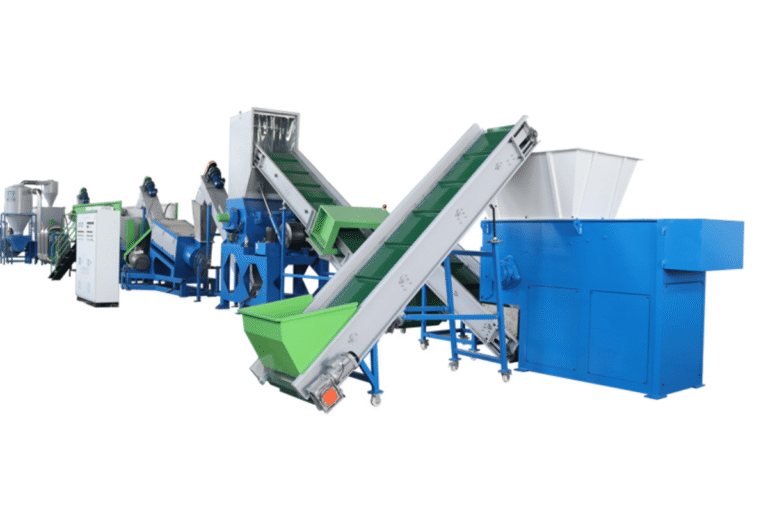
The specialized machines used for plastic recycling have been developed to handle waste materials through their operating system which processes waste while sustaining product quality. The industry uses five standard plastic recycling machines which are listed below through detailed descriptions.
Shredders
The shredding machines function as shredders because they convert larger plastic materials into smaller pieces which can be used during recycling processes. The machines use their powerful rotary blades to efficiently decrease the waste material size. The shredders of today can handle multiple tons of plastic material each hour which depends on their specific design and operational setup.
Granulators
Granulators serve the purpose of transforming shredded plastic material into uniform granules that exist in a smaller size. The production of consistent feedstock for melting and remolding processes needs this step. Plastic granulators use cutting tools for their operations while their systems automatically identify and separate non-plastic materials from the output.
Extruders
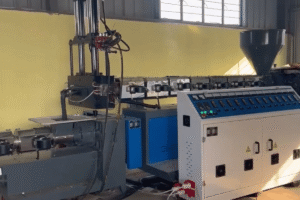
The extrusion machines use their operation to transform plastic granules into an ongoing flow of molten plastic material. The machines create plastic filaments which 3D printers use and they produce new plastic items. The modern extruders use energy efficiently because they control both pressure and temperature throughout their entire operational process.
Washers
Washing machines disinfect plastic waste because they remove all types of contaminants which include dirt oil and adhesive materials. The advanced systems use hot water rinsing and centrifugal dryers and friction washers to guarantee that recycled plastic meets strict quality and purity requirements. Some washers function at capacity levels which exceed 1,000 kilograms per hour.
Baling Machines
Baling machines compress lightweight plastic materials such as PET bottles or film into dense, transportable bales. The process creates storage efficiency while it minimizes recycling facility expenses which are associated with transporting materials. The industrial balers range in size from small to large and their larger models enable staff members to process multiple tons of plastic waste on a daily basis.
The recycling facilities achieve their highest operational efficiency through the implementation of these machines which work together to create a recycling system that produces high-quality recycled plastics for multiple uses.
Benefits of Effective Maintenance in Plastic Recycling
Recycling operations achieve their operational success when their equipment functions at its highest performance level throughout its active period while they produce quality output. Recycling facilities receive multiple quantifiable advantages through their operational management of equipment and systems. The following list presents five main benefits which we will explain below.
1. Extended Equipment Lifespan
Proper maintenance reduces wear and tear on machinery which results in longer equipment lifespan for essential machines such as balers and shredders and extruders. A well-maintained baler can operate efficiently for more than 10-15 years which decreases the necessity for expensive equipment replacements.
2. Reduced Downtime
Scheduled maintenance enables facilities to detect equipment problems before they lead to operational shutdowns. Facilities that use preventive maintenance systems experience 30% less unexpected downtime than facilities that depend on reactive maintenance.
3. Optimal Energy Efficiency
Machines achieve their maximum energy efficiency through operation at full capacity. A machine that receives proper lubrication can decrease its energy needs by 10-15% which results in significant long-term financial savings for energy costs.
4. Consistent Output Quality
The maintenance procedures establish operational checkpoints which ensure machines produce recycled materials that fulfill quality criteria throughout their operational lifespan. This process reduces contamination and rejects which is essential for producing materials that satisfy strict quality requirements which apply to food-grade plastics and industrial components.
5. Improved Safety
Maintenance procedures examine equipment for worn components and broken parts and safety hazards which helps to prevent accidents. Facilities that execute complete maintenance systems experience approximately 20% reduction in workplace accidents that result from equipment failures.
Preventive Maintenance for Plastic Recycling Lines
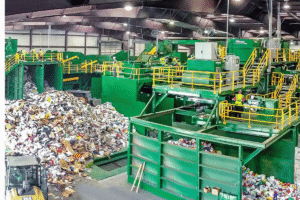
The cleaning and inspection practices plus the equipment maintenance activities of facilities help them achieve their target to minimize unexpected equipment failures. The core components of preventive maintenance need to follow this particular execution process:
Routine Equipment Inspection
The operation requires regular testing of machine parts to detect any signs of deterioration or damage or operational problems. The system enables operators to monitor equipment degradation which helps them identify potential major equipment failures.
Lubrication and Calibration
Technicians need to lubricate all equipment moving parts according to established maintenance standards while they must determine system operation specifications through equipment testing. The system prevents friction-based damages while delivering precise performance measurement.
Cleaning Procedures
Workers need to remove all plastic waste materials together with other contamination sources from equipment to achieve operational efficiency while stopping equipment from getting blocked.
Replacement of Worn Parts
The company needs to replace components that have reached their operational limits because this practice will prevent unexpected system breakdowns during work hours.
Monitoring System Updates
The system requires diagnostic tools and software updates to monitor machine performance while verifying current operational efficiency standards.
Equipment preventive maintenance extends equipment lifespan which results in increased production efficiency and supports recycling operations that deliver environmental advantages to the facility.
Importance of a Preventive Maintenance Schedule
The industrial operations of equipment and machinery depend on a preventive maintenance schedule which serves as their essential element for achieving operational efficiency and equipment reliability and operational lifespan. The implementation of a standardized maintenance procedure according to a fixed schedule decreases the chances of equipment failure which results in less operational downtime while enhancing the entire performance of the facility. The following five advantages receive support through technical information and research findings:
Five Key Advantages of Preventive Maintenance Scheduling
- Reduced Downtime: Scheduled maintenance reduces unplanned machine failures which account for up to 20% of lost operational hours according to industry reports. Facilities that monitor equipment conditions through their complete lifecycle experience better operational performance because they continuously manage equipment maintenance needs and operational demands.
- Cost Savings: Preventive maintenance can cut repair costs by up to 40% when compared to reactive maintenance strategies. The staff conducts routine maintenance work which helps identify small problems that would need expensive repairs or replacement work when they become bigger issues.
- Enhanced Equipment Lifespan: Regular maintenance activities help machines operate at their best which extends their useful life. The study shows that equipment lifespan increases by 25-35% through preventive maintenance practices which results in lower spending on new machinery purchases.
- Improved Energy Efficiency: Equipment that receives proper maintenance functions at its best efficiency level which results in 15-20% lower energy consumption. The results create a dual benefit because the system reduces electricity costs while fulfilling both energy efficiency requirements and sustainability objectives.
- Safety and Compliance: The implementation of a maintenance schedule system boosts workplace safety through its ability to minimize accidents which occur from equipment failures. The system safeguards businesses from paying inspection-related fines which result from noncompliance with regulatory standards.
Key Components of a Maintenance Program
The efficient functioning of machinery depends on a maintenance program that needs various vital components to achieve its intended purpose. A complete maintenance program consists of five essential elements which operate as its fundamental components.
| Component | Description & Impact |
|---|---|
| Preventive Maintenance Schedule | The system creates a schedule that enables continuous assessment of equipment through maintenance procedures. Studies show that implementing preventive maintenance can reduce equipment breakdowns by up to 30% and extend equipment life by 20%. |
| Asset Inventory and Management | The system requires an asset inventory that maintains complete asset information through serial numbers, performance specifications, and maintenance history. Modern Computerized Maintenance Management Systems (CMMS) can improve asset management accuracy by over 40%. |
| Condition Monitoring | Condition monitoring uses advanced tools which include vibration analysis and thermal imaging and IoT sensors to identify equipment deterioration. Predictive maintenance uses real-time data to decrease maintenance expenses by 10-15% when compared to reactive maintenance procedures. |
| Standard Operating Procedures | Comprehensive SOPs ensure consistency in maintenance practices, which helps to decrease human mistakes while achieving maximum operational efficiency. Standardized procedures can enhance workforce productivity by as much as 25%. |
| Training and Certification Programs | Ongoing training programs which offer certification to maintenance personnel help them maintain current skills. Organizations with properly trained teams experience up to 50% less maintenance problems than their industry competitors. |
Common Equipment Failures and Prevention Strategies
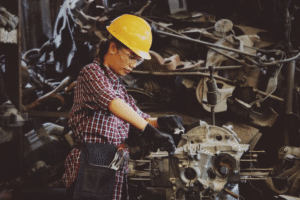
Common Equipment Failures and How to Prevent Them
Lack of Proper Lubrication
Mechanical systems experience their highest failure rates because machines operate with insufficient or broken lubrication systems. The system will create increased friction which leads to parts overheating and experiencing rapid deterioration. The team should perform lubricant tests to check their viscosity and quality throughout their operational time.
Overloading and Improper Use
When users operate a machine beyond its maximum weight limit the equipment will experience two types of damage which include structural failures and overheating problems. The machine requires users to follow its operational guidelines which include stopping all work during times of excessive weight.
Electrical Malfunctions
Equipment becomes inoperable because of short circuits and power surges and damaged wiring. The electrical system needs regular inspections followed by component replacements to shield against system failures.
Environmental Factors
Equipment performance suffers when dust and moisture and extreme temperatures enter the system. The team should use protective enclosures and seals and climate controls to maintain operations in difficult work environments.
Neglect of Preventive Maintenance
Employees who fail to maintain their equipment at scheduled times will face major breakdowns because minor problems will escalate into full system failures. The organization should create maintenance processes which include cleaning and inspection and part replacement to reduce equipment failures.
Common Failure Points in Recycling Machines
Conveyor Belt Wear and Tear
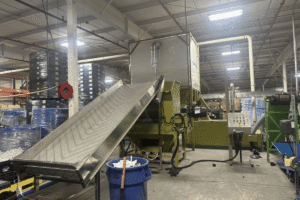
Conveyor belts suffer from mechanical damage because they must handle ongoing friction and substantial weight and contact with abrasive materials. Studies show that 30 percent of recycling machine downtime results from problems with conveyor systems.
Shredder Blade Dullness or Breakage
Shredder blades serve an essential function for size reduction yet their performance decreases when they encounter hard materials. Operational data shows that blade efficiency declines by 20 to 25 percent after users fail to perform maintenance or replacement activities throughout extended periods.
Hydraulic System Leaks
The hydraulic systems which operate presses and compactors frequently develop leaks because their seals break down under extreme pressure conditions. Maintenance report data shows that leaks produce system failures which make up approximately 15 percent of all breakdowns.
Sensor Malfunctions
Modern recycling machines depend on sensors to perform their sorting and monitoring functions. Sensor performance declines when dirt builds up or calibration errors occur which leads to incorrect sorting affecting 10 percent of operational activities.
Motor Overheating and Failures
Recycling equipment motors experience overheating problems because they operate continuously without proper cooling systems. Research shows that equipment downtime results from motor failures because improper lubrication and overheating conditions lead to failure in more than 20 percent of instances.
Safety Protocols in Plastic Recycling Line Maintenance
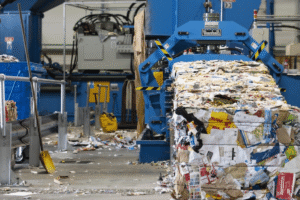
The operation of a plastic recycling line needs to follow these safety protocols to achieve safe operation:
- ▪Personal Protective Equipment (PPE): All personnel must wear appropriate PPE, which includes gloves and safety goggles and helmets and steel-toe boots, to minimize their exposure to hazardous materials while preventing injuries.
- ▪Machine Lockout/Tagout Procedures: Maintenance and repair work requires machines to remain inoperable until staff use lockout/tagout procedures to cut off power and make sure equipment cannot start up again.
- ▪Regular Safety Training: Staff members need to receive ongoing training which helps them detect hazards and use equipment safely while responding to emergency situations.
- ▪Proper Ventilation Systems: Recycling facilities need to maintain proper ventilation systems which stop dangerous fumes and dust from accumulating during their recycling operations.
- ▪Emergency Stop Systems: Every machine needs to have emergency stop buttons which operators can access from any location to stop machine operation during emergencies and equipment breakdowns.
Best Practices for Maintaining Washing Systems
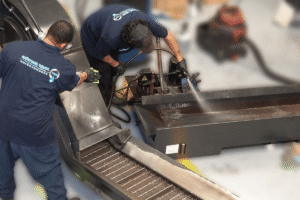
Maintaining efficient performance of recycled materials systems in order to minimize operational risks requires proper cleaning and washing of all equipment and fixtures to avoid build up of waste and contaminants. Research data show that in many industries where equipment maintenance plans include system capacity evacuations and cleaning practices, the wear and tear life of the components can extend to 30% or more thereby avoiding inconvenience and costs of damages.
Scheduled Maintenance and Inspections
It is advisable to conduct regular checks on components of the system such as the pumping systems, spray nozzles, and flexible hoses for any deterioration. Data indicates that systems where minimal maintenance and inspection were imposed had a 30% higher incidence of failure than their more thoroughly maintained counterparts.
Cleaning of Important Components
There are times when the nozzles and filters become blocked with surface debris and build-up that reduces the ability of the system over time. Clean all clogs according to how much each system is being used. The hydro jet procedure can be used for cleaning out hardened unwanted deposits so that the washing capacity can be raised up to 95%.
Water Quality and Management
It is greatly advisable to provide soft and clean or treated water on a regular basis in order to address the issue of corrosion and scale formation. At that point, 40% of the repairs done in such systems are due to problems with untreated water. Conduct tests on the water very often in order to observe its pH and hardness to prevent deterioration.
Lubricating Motion Systems
Add oil on all the interfaces of sliding mechanisms such as gears and bearings on the chassis. Add lubricants wherever necessary as mentioned by the manufacturer only. It has been stated that lubrication of systems tends to increase their life by 20% to 25% as it is the normal practice in this field.
Preventive Maintenance Program
There should be a preventive maintenance program that includes replacing all seals that are forming leaks, maintenance on electrical assemblies, and routine checks on all nozzles within the system. Preventive maintenance cuts down upon improving the reliability of downtime by up to 50% and deals with utilization of critical assets.
Frequently Asked Questions (FAQ)
1. Why Is It Important to Have a Preventive Maintenance Schedule for Plastic Recycling Lines?
The productivity and lifespan of operational equipment is largely dependent on the preventive maintenance (PM) schedule. This is due to the fact that reactive maintenance only comes into play when a failure has already taken place as compared to PM where it seeks to solve a problem even before it causes any downtime. In plastic recycling, the machines that handle such materials and loads are always maintained using a strict PM system in order to avoid process disruptions, preserve the quality of pellets and even minimize wear and tear of costly components such as the screws, barrels and gearboxes.
2. What Is the Frequency That Cutting Blades on Granulators and Shredders Need to Be Checked and Maintained?
The amount of time that blades can be used before they require maintenance depends on how much material is to be processed and the nature of the plastic material used. Nonetheless, it is recommended that the sharpness and gaps on the blades be checked on a daily basis.
- Dull cutting edges tend to consume more power, emit more fines and lose effectiveness density wise. Such blades should be sharpened immediately or changed in case of any blunt signs.
- Correct Gap: The gap between rotating and stationary knives must be within the correct tolerance, usually around 0.2mm–0.5mm depending on the machine.
3. What Are the Crucial Maintenance Measures for Washing and Separation Tanks?
In washing systems the priority is the prevention of the build-up of sludge and clogging of the filter unit.
- Sediment Emptying: In float sink tanks, they can be decanted or pumped out on a regular basis to remove heavier debris such as sand, glass and metals.
- Water Filtration: Centrifuges and mesh filters in use are maintained through thorough backflushing or replacement.
- Paddle Inspection: The fast rotating paddles in frictional cleaners may degenerate over a period of time.
4. What Procedures Must Be Taken to Help the Extrusion System Avoid Overheating?
Excessive heat build-up within the system spoils the structure of product made of the polymer material. Thus, to avoid it:
- Heater Band Inspection: Heater bands and thermocouples have to be inspected periodically for thermal stability.
- Cooling System Maintenance: The outside blowing cooling fans and the water jacket around the barrel must be in working condition.
- Wear and tear on the equipment would cause heating issues which disrupts material flow.
5. What Is the Necessity of Using Lubricants in Recycling Machines?
There is a necessity of using lubricants to enable the proper functioning of all active moving parts.
- Thrust Bearings: Shredders and granulators run under thrust bearings that shall be lubricated in accordance to methodical guideline of the manufacturer.
- Gears: Check oil levels weekly and do oil analysis from time to time so that metal particles can be identified which signal gear wear.
- Hydraulic Oils: Clean all hydraulic systems and perform filter renewals often to avoid damage to seals and loss of pressure.
6. How Do Screen Changers Help Maintain the Flow of Melting?
The screen changer serves as the last filtering defense before the pellets are made. The maintenance activities include:
- Seal Inspection: Look into potential spills of polymer around the sliding plates or pistons.
- Hydraulic Pressure: Confirm that the power unit is providing stable pressure for quick screen plate movement.
- Screen Design: Appropriately design the screen in terms of mesh size and the type of weave employed at the particular level of contamination.
Reference Sources
- •Best PVC Recycling Equipment Maintenance – Illustrates the significance of the key points; sharpness of the cutters, clearances being retained, and paying attention to the early signs such as smell or a change of color.
- •Proper Ways in Maintaining The Polyethylene Terephthalate Recycling Machine – Contains explanations of basic routine including washing tanks by draining and rinsing and chemical maintenance with some interval.
- •6 Essential Factors for Recycling Machine Maintenance – Deals with the importance of checking the equipment, inspection and repair maintenance and prediction of possible problems with the equipment. Recommend reading: PP Woven Bag Recycling Line from Leading China Manufacturer

Trending now