Get in touch with Kitech Company

The Complete Buyer’s Guide to PE Film Washing Lines

PE Film Washing Line: Ultimate Buyer’s Guide for Recycling Solutions
Recycling polyethylene (PE) film needs both accurate techniques and dependable operational procedures to succeed. The PE film washing lines enable recycling facilities to convert dirty plastic waste into clean materials which can be reused, thus achieving both environmental goals and operational efficiency.
Different washing line systems exist because their designs and features vary, making it hard to choose which equipment to use. The buyer’s guide delivers complete technical specifications and operational information about PE film washing lines through its content. The guide educates readers about the essential elements of the system, while also teaching them how to assess performance variables, and how to evaluate financial aspects, which will enable them to make better investment decisions.
Understanding PE Film and Its Importance in Recycling
The plastic material polyethylene (PE) film serves multiple functions because it is used in packaging and agricultural work and industrial operations. The product consists of the lightweight yet strong polyethylene material which exists in multiple forms including shrink wrap and stretch film and plastic bags. The product achieves widespread industrial use because its flexible design and moisture resistance and cost-effective production method.
The recycling process for PE film needs to happen because it helps decrease environmental damage while saving natural resources. The material behaves as non-biodegradable waste which tends to create major plastic pollution problems when it ends up in landfills or oceans because of poor handling. Manufacturers can reduce their requirement for new plastic materials through the PE film recycling procedure while they achieve energy savings and greenhouse gas emission reductions. The recycling process of PE film permits its conversion into pellets which manufacturers use to produce new products thus creating a system of circular economy and sustainable manufacturing methods.
What is PE Film?
The plastic material polyethylene (PE) film serves as a flexible and durable solution which costs less than other materials and serves many industrial applications. The manufacturing process creates polyethylene through the use of either low-density polyethylene (LDPE) or high-density polyethylene (HDPE) as raw materials which determine the final product characteristics. The film material protects against moisture and chemical substances and environmental factors which makes PE suitable for use in packaging and agricultural and construction applications. Statistically, polyethylene is one of the most commonly produced plastics worldwide, with global production exceeding 100 million tons annually as of recent reports. The environmental effects of its widespread usage demonstrate the need for better sustainable methods to decrease its ecological footprint.
Types of PE Film: LDPE and LLDPE
Polyethylene films, which manufacturers produce through various methods, divide into two main categories according to their density, which combines with their production techniques to create Low-Density Polyethylene (LDPE) and Linear Low-Density Polyethylene (LLDPE) materials. The two materials, which maintain excellent flexibility and strength, use different building materials, which result in different uses and product performance between their two operational states.
LDPE (Low-Density Polyethylene)
The high-pressure polymerization process creates LDPE through polymerization to produce a material which has lower density and greater flexibility than other materials. The material has a typical density range which falls between 0.910 and 0.940 g/cm³. LDPE films display excellent transparency, while their tensile strength and impact resistance enable their use in plastic bags, shrink wraps, and laminations.
LLDPE (Linear Low-Density Polyethylene)
The process of LLDPE creation involves copolymerizing ethylene with alpha-olefins under low-pressure conditions, which results in a polymer that displays linear molecular structure and increased tensile strength. The material has a density range which matches LDPE, but it shows improved protection against punctures and better stretching ability. The material functions well in agricultural films and garbage bags and geomembrane applications.
Stretch Films
Stretch films represent a specific LLDPE film category that enables users to achieve high levels of material extension while maintaining adhesive properties. The films provide secure transport for goods because their stretchability and load stability maintain package safety during distribution.
Agricultural Films
The agricultural industry uses both LDPE and LLDPE to create greenhouse covers and mulching films. LLDPE films received special recognition because they offer protection against ultraviolet radiation while maintaining their strength during extreme outdoor exposure.
Protective Films
Construction sites and furniture and electronic devices require LDPE films as protective materials because these films deliver light weight and flexible properties and create effective barriers against dust particles and moisture and scratches.
The various types of PE films demonstrate that LDPE and LLDPE possess the ability to adapt to different needs which have been developed through continuous research in polymer science.
The Role of PE Film in Plastic Recycling
The extended use of polyethylene (PE) films in various applications enables manufacturers to generate multiple products from this material which makes it essential for plastic waste recycling operations. The recycling of PE film not only reduces the volume of waste in landfills but also helps conserve natural resources by limiting the need for virgin plastic production. Below are five key aspects detailing the role of PE films in plastic recycling:
1. Ease of Collection and Sorting
Curbside recycling programs and industrial collection systems collect PE films because these lightweight materials have become common in packaging. The sorting process becomes easier because the materials are common therefore they can be identified and separated during the recycling process which requires this step.
2. Recyclability of LDPE and LLDPE Materials
The basic materials of PE films which include LDPE and LLDPE can undergo mechanical and chemical recycling processes to become recyclable products. The materials can undergo melting processes which will result in new product pellets that maintain their original structure throughout the reprocessing steps.
3. Applications of Recycled PE Film
Recycled PE films create different products which include garbage bags agricultural films and composite materials. Research shows that industrial sectors currently demand affordable recycled plastics which directly supports their eco-friendly production methods.
4. Reduction in Carbon Footprint
The recycling process for PE films leads to decreased greenhouse gas emissions which surpass the emissions produced when manufacturing new plastic products. Environmental research indicates that recycling one ton of PE film results in savings of about 1.5 tons of CO2 equivalent emissions which create positive effects on the environment.
5. Support for Circular Economy Practices
The recycling of PE films supports circular economy systems through its capacity to prolong the useful life of plastic products. The recycled films that get collected in the recycling process return to production processes which decrease the need for non-renewable resources while promoting sustainable resource management.
The process of recycling PE film solves environmental problems while creating economic benefits which prove essential for contemporary waste management methods and sustainable development practices.
Overview of Film Washing Lines
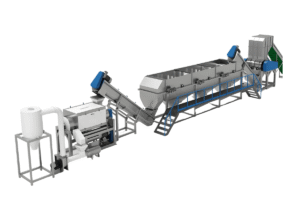
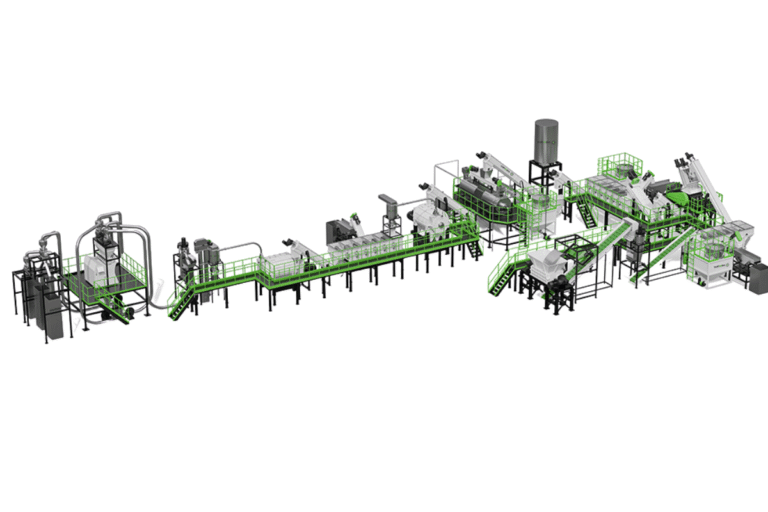
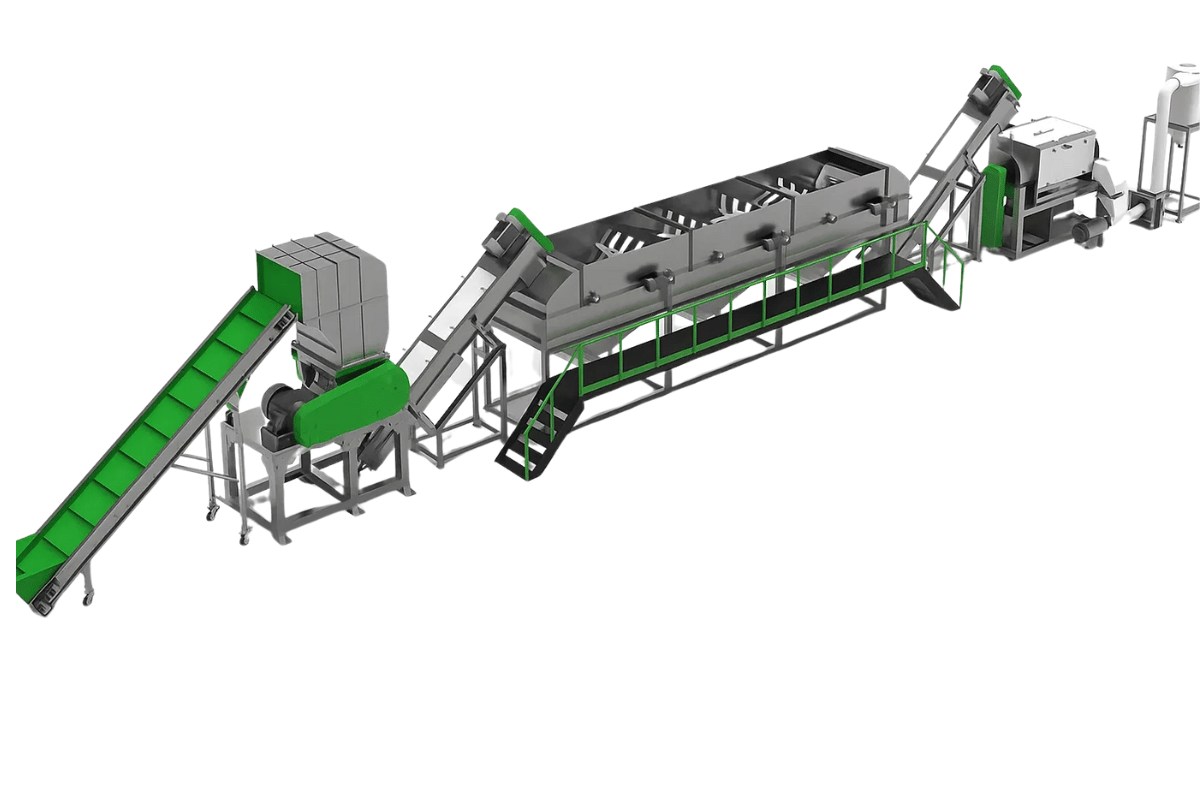
Dedicated systems operate film washing lines which wash and process plastic films for recycling purposes. The line functions through a system which includes shredders that reduce material size and friction washers which remove dirt and contamination and separation tanks which separate lightweight materials. The system includes water treatment units which help maintain environmental water conservation during the cleaning operation. A film washing line achieves operational success when its equipment receives proper calibration and its system manages incoming materials together with waste production. The process of film washing lines which removes all impurities leads to the production of high-quality recycled plastic which meets the requirements of downstream uses.
What is a Film Washing Line?
The film washing line functions as an industrial system which processes plastic films through its specialized design that handles polyethylene and polypropylene plastics which originate from packaging materials and agricultural films and plastic bags. The film washing line functions to clean materials through its process which removes all contaminants that include dirt and adhesives and oils and residual labels from the materials.
The upcoming film washing lines of today combine new technological advancements with exact scientific design methods for achieving their highest cleaning power. The system contains essential parts which consist of shredders that decrease input material size and friction washers that perform strong scrubbing and separation tanks that remove contaminants through density-based methods and thermal dryers which produce dry material for pelletizing and extrusion processes. The system contains multiple units which operate to resolve specific issues that arise from working with lightweight flexible plastic films which need to be treated with special care because they tangle easily.
The latest research demonstrates that advanced film washing lines produce higher quality recycled plastic because these lines enable the production of materials which meet packaging and automotive component requirements. The systems function as critical elements of the circular economy because they decrease plastic waste while promoting environmentally friendly production processes.
Key Components of a Plastic Film Washing Line
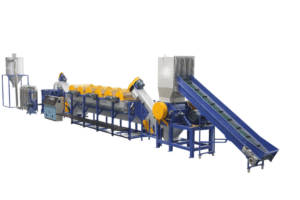
1
Shredding Unit
The shredding unit starts the process by decreasing large plastic films into smaller pieces that can be handled easily. The process delivers consistent results that extend through the remaining operational procedures.
2
Pre-Washing System
The pre-washing system eliminates loose dirt together with sand and additional pollutants. This step is critical to prevent wear and tear on downstream machinery.
3
Friction Washers
Friction washers use their high-speed rotation technology to achieve complete cleaning by eliminating all difficult-to-remove pollutants which include adhesives and residues from the film surfaces.
4
Rinse Tanks
Rinse tanks perform float-sink separation because they enable heavier contaminants to sink while plastic film material floats which ensures successful material separation.
5
Drying Systems
The drying systems use centrifugal dryers and thermal dryers to eliminate extra moisture from the cleaned films which readies the films for upcoming processing and pelletizing activities.
6
Pelletizing Unit (Optional)
A pelletizing unit exists in certain systems because it transforms the washed and dried film into pellets which make transportation and manufacturing reuse easier.
The components work together to create exceptional cleanliness results which prove that recycled materials meet required recycling standards.
How Film Washing Lines Work
The operation of film washing lines depends on a sequence of mechanical and chemical processes that work together to make plastic films ready for recycling. The systems use modern technological solutions to achieve operational efficiency throughout their complete process. The pre-washing unit accepts plastic films as its first step which removes all large contaminants including mud and sand and labels. The advanced screening equipment which includes automated controls guarantees that only suitable materials for recycling will proceed to the following stage.
The films enter shredding units which break them down into smaller pieces that have uniform dimensions to enhance the efficiency of washing and drying operations. The process begins with shredding which follows after that the materials undergo friction washing that uses high-speed rotors and water sprays to remove both soluble impurities and remaining adhesives from the materials. The recent development of sensor-based sorting technologies enables precise separation through their implementation into existing systems.
The films proceed from washing into high-efficiency dewatering units which include thermal dryers and centrifugal dryers to achieve their desired moisture level. The data shows that modern washing lines achieve lower operational energy consumption through the implementation of energy-efficient components and waste heat recovery systems. The optional pelletizing units take the cleaned and dried material and convert it into granules which makes the material easier to store and transport and reuse.
The operation of each step in a film washing line demonstrates ongoing development efforts that focus on improving recycling rates while decreasing environmental damage. Advanced technologies enable successful material recovery, which meets the increasing demand for sustainable production methods.
Choosing the Right PE Film Washing Line
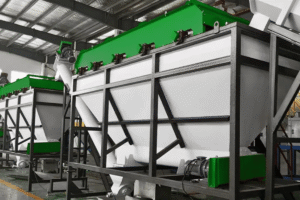
The selection process for an appropriate PE film washing line requires assessment of three specific elements which will determine whether the equipment meets operational requirements. First, you need to assess capacity requirements because the system must process your daily volume of PE film. Second, you must evaluate the cleaning and drying processes because they determine whether the washed material meets your recycling and production requirements. The assessment process requires you to examine energy efficiency and automation capabilities which will help businesses achieve cost savings while reducing the need for human operation. The evaluation of these criteria enables you to choose a washing line which delivers both operational efficiency and budget-friendly results.
Factors to Consider When Selecting a Washing Line
1. Processing Capacity
The washing line’s processing ability needs assessment in terms of its hourly and daily material processing capacity. The smallest systems can handle 500 kilograms per hour while industrial systems reach a maximum processing capacity of 2000 kilograms per hour. The correct system size selection process enables you to choose an equipment system which meets your production requirements without causing system overload or equipment underutilization.
2. Material Compatibility
The washing line needs confirmation that it can process the materials which you handle through your operations which include PE/PP film and rigid plastics and PET bottles. The system needs to function at its best when material thickness and contamination level and source type, post-industrial and post-consumer, align with its operational capabilities.
3. Water and Energy Consumption
Select machines which achieve high water efficiency through their design and possess effective filtration systems that support water recycling capabilities. The energy efficiency of the systems needs assessment through their use of energy-saving motors and heating systems which enable them to operate efficiently while using less electricity.
4. Automation and Control Systems
Current washing lines use modern automation systems which control their pre-wash and washing and drying processes. Programmable logic controller (PLC) systems which enable remote monitoring and automated safety features minimize the need for manual work while they enhance operational precision which leads to decreased workforce expenses and reduced mistakes.
5. Maintenance and Durability
The line maintenance process needs evaluation which includes assessment of its maintenance requirements and estimation of its equipment lifespan. High-quality stainless steel materials enable durable washing lines to withstand equipment damage and corrosion. The accessible design system allows users to clean the machine and replace its parts which leads to less machine downtime and lower maintenance expenses throughout its operational lifetime.
Different Types of Recycling Machines Available
Industries and environmental operations require different recycling machines that process various materials through their specialized designs. The following section presents a comprehensive description that covers five primary categories of recycling machines.
- 1. Plastic Recycling Machines
Plastic recycling machines exist to convert plastic waste into materials that can be reused. The machines use shredders and granulators and extrusion systems to process PET and HDPE and LDPE plastics. The advanced models provide washing and drying capabilities which increase their operational performance. High-capacity plastic recycling systems can process up to 1,000 kilograms of plastic per hour which produces a significant reduction in environmental waste. - 2. Metal Recycling Machines
The machines function as recycling equipment which processes both ferrous and non-ferrous metals through their shredders and magnetic separators and eddy-current separators. The metal recycling systems enable the separation and processing of scrap materials which include aluminum cans and steel and copper wires. The modern systems achieve material purity rates which exceed 99% to produce high-quality recycled metals. - 3. Paper and Cardboard Recycling Machines
These machines use pulping systems and de-inking units and screening mechanisms to process paper waste. The efficient paper recycling lines reclaim valuable fibers from newspapers and office paper and corrugated cardboard. The systems at industrial scale can handle up to 6 tons of paper waste every hour while they save resources such as trees and water. - 4. Glass Recycling Machines
Glass recycling machines function to crush glass material into small reusable particles which are called cullets. The machines can process bottles and jars and broken panes with high accuracy. The high-speed crushers can process up to 10 tons of material each hour while they use 30% less energy than manufacturing new glass through raw material production. - 5. E-Waste Recycling Machines
The e-waste recycling machines extract valuable materials from electronic devices which include circuit boards and batteries and wiring. The system contains core functions which provide shredding and sorting and precious metal extraction capabilities. These machines extract materials like gold and silver and rare earth elements from e-waste which is growing worldwide to support circular economies.
The process of recycling different types of machines supports resource recovery and waste management while protecting the environment. The selection process for a particular machine requires three factors to be considered which include material type and operational capacity needs and quality requirements for recycled output.
Comparing Film Recycling Washing Lines
The comparison of film recycling washing lines is based six different criteria which include their capacity and water consumption through their energy efficiency and cleaning effectiveness and output performance and total product lifespan.
Film recycling washing lines function as advanced systems which efficiently handle waste film processing operations. The two factors create exact comparisons which help users determine which system best matches their operational requirements.
The Recycling Process: From Waste Plastic to Reusable Material
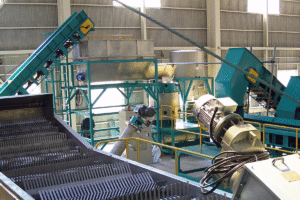
The recycling process for waste plastic requires multiple essential steps which convert discarded plastic materials into products that can be reused. First plastic waste collection occurs which results in the sorting process that creates different categories based on plastic type and recycling grade. The material needs to go through the sorting process which leads to the washing step that removes all contaminants including dirt and adhesives and residues. The cleaned plastic then gets processed through shredding which produces smaller flake sizes that enable easier material handling and processing.
The next step involves melting the plastic flakes and reforming them into pellets which serve as standardized manufacturing materials. The production process starts after testing these pellets which need to meet established quality standards for strength and purity before they can be used to create new plastic products. The streamlined process achieves peak operational efficiency while it helps the environment by decreasing the requirement for new plastic production.
Collection and Sorting of Waste Plastic
Waste plastic collection and sorting work together to establish operational efficiency for recycling facilities which achieve superior recycling outcomes. The latest data shows that global plastic production exceeds 390 million metric tons every year which makes this phase essential for effective waste management. The collection process involves the collection of plastic waste which occurs through municipal systems and business operations and designated drop-off locations. The industry increasingly uses advanced techniques like automated sensor-based sorting systems which sort plastics into different categories based on their type (e.g., PET, HDPE, PVC) and color through the application of near-infrared spectroscopy (NIR) technology. The innovative systems decrease contamination levels while they enhance the recycling potential of materials. The rigorous sorting process produces uniform feedstock which recycling operations use to create new products following circular economy practices that reduce environmental harm.
The Washing Process: Importance of Cleanliness
The washing process is essential for plastic recycling because it removes all contaminants which include dirt and adhesives and food residues and labels. The cleaning process needs to achieve effective results because any remaining impurities will damage the recycled material’s quality and physical properties. Recyclers can achieve higher purity results through hot water washing and chemical treatments and friction-based cleaning methods. The complete cleaning process improves material performance while helping to achieve sustainability objectives through the creation of reusable and long-lasting products.
Drying and Granulation Processes
The processes of drying and granulation work to transform recycled material into reusable form. The material needs complete drying after cleaning because any remaining moisture will damage the final product. The standard approach uses thermal drying systems and centrifugal dryers to achieve the required moisture reduction for safe operation.
The granulation process starts with mechanical shredding that breaks down dried material into identical-sized granules or pellets. The process improves efficiency for handling and storage and reprocessing operations. The granulated material has been designed for melting or molding procedures which guarantee uniform product quality throughout all finished items.
Advantages of Using a PE Film Recycling Washing Line
Efficient Contaminant Removal
The PE film recycling washing line system operates to accomplish complete cleaning of all contaminants which include dirt and oils and adhesives to produce materials that meet high standards.
Improved Material Quality
The washing process ensures that recycled materials maintain consistency and are suitable for reuse in various applications.
Cost-Effective Operation
Recycling of PE film waste enables businesses to decrease their expenses for raw materials while decreasing their need for new plastic materials.
Environmental Benefits
Recycling operations lead to decreased waste production because they direct PE film materials away from landfills which results in lower environmental damage.
Streamlined Process Integration
The design of contemporary systems supports modular operation which enables users to integrate new systems into their existing recycling processes.
Environmental Benefits of Recycling Plastic Film
The practice of recycling plastic film brings significant environmental advantages through its ability to reduce total carbon emissions which result from both plastic production and plastic waste disposal. Recent statistics show that plastic film recycling prevents million tons of waste from entering landfills each year while it protects natural resources through reduced need for new plastic material production. The process decreases greenhouse gas output because recycled plastic production needs much less energy than creating new plastic materials from fossil fuel sources. The practice of recycling protects ecosystems from plastic pollution because discarded film material takes hundreds of years to decompose which creates harmful effects on both wildlife and water ecosystems. The implementation of advanced recycling technologies together with increased consumer recycling activities will help reduce plastic waste environmental effects while establishing a sustainable circular economy system.
Cost-Effectiveness of Recycling Solutions
Organizational recycling programs achieve their most affordable implementation costs when they operate their recycling programs to handle large-scale production needs. Organizations can use advanced recycling technologies which contain mechanical and chemical recycling systems to reduce their need for raw materials which will lead to lower production costs over time. Organizations need to allocate substantial financial resources to establish their required infrastructure and technological systems at the beginning stage of their operations. Organizations achieve their maximum cost reductions through two methods which include creating systems that attain optimal waste recovery results and establishing procedures for correct recyclable material sorting and processing. The development of economic incentives which include subsidies and tax breaks for recycling programs increases program participation while reducing costs throughout time. Recycling systems require collaboration among governments, industries, and consumers to establish financially sustainable solutions.
Improving Efficiency in Plastic Recycling Systems
The implementation of modern top-notch sorting equipment together with improved systems for material recovery will lead to major advancements in the efficiency of plastic recycling operations. The recent study demonstrates that recycling plants achieve higher plastic sorting accuracy when they use artificial intelligence (AI) and machine learning algorithms for sorting purposes. The technologies enable better material recognition which enables correct separation of polyethylene terephthalate (PET) high-density polyethylene (HDPE) and polypropylene (PP) materials that need precise separation to maintain their material characteristics throughout processing.
The methods succeed in processing non-recyclable plastic materials because they establish a closed-loop waste management system that decreases the need for new plastic resources. The data shows that public awareness campaigns should educate people about proper sorting methods and ways to decrease contamination because they create essential support for mechanical and chemical recycling systems which lead to better plastic waste management results and sustainable outcomes.
Reference Sources
- PE Film Washing Line & LDPE Washing Line: Complete Guide
The publication provides an extensive description of PE film washing lines which includes details about their operational components and their complete system functionality. - PE Film Washing Line – Benk Machinery
The document explains PE film washing lines as performing three main functions which include washing and grinding and drying operations in an easily understandable format. - PP / PE Film Washing Line
The document explains how to operate the equipment while providing information about installation options and instructions for purchasing PE film washing line equipment. Recommend reading: Industrial PE Film Washing Line Complete PP PE Recycling Solutions
Frequently Asked Questions
1. What Method Should I Use to Assess My Facility’s Required Capacity?
The first step in the procurement process requires organizations to select their throughput capacity needs. The current feedstock availability and future growth estimation require precise assessment. Standard production lines maintain operational capacity between 300 kg/h to 2,000 kg/h which applies to both small facilities and large industrial production systems. A production line should be selected which exceeds current needs by 10-20% because this approach enables both maintenance work and business expansion to occur. Organizations that define their capacity requirements beyond actual needs create two financial problems because they incur higher initial capital and operational expenses and they experience production delays.
2. What Essential Features Define a High-Quality Washing Line?
The washing line for PE film recycling exhibits its superior quality through its strong metallurgy design, modern automated systems, and effective separation methods. The following elements should receive priority:
High-Grade Stainless Steel (SUS304): Essential for all water-contact components to prevent corrosion and ensure longevity.
Efficient Friction Washers: The high-speed washers with their replaceable paddles function as essential tools for the process of contaminant removal.
Thermal Drying Systems: The drying process requires mechanical dewatering to achieve optimal results.
Intelligent Controls: The centralized PLC system enables complete line management execution together with load assessment and diagnostic functions from remote locations.
3. What Contaminants Can Washing Lines Design Be Customized to Eliminate?
Permanent system design changes become necessary to maintain feedstock quality across multiple material types. The system requires customization based on your contamination profile which includes agricultural film that contains high sand levels and post-consumer packaging that includes paper labels.
Sand and Grit: The pre-treatment stage uses pre-washing trommels and sedimentation tanks to remove sand and grit which protects equipment from abrasive materials.
Oil and Grease: The system uses hot washing tanks with chemical dosing systems and extended residence times to develop emulsions that eliminate oil and grease contaminants.
High Purity Requirements: The line design allows for additional sink-float separation stages or hydro-cyclones to achieve high purity in the final PE flake product.
4. What Distinguishes Turnkey Solutions from the Practice of Sourcing Separate Components?
The buyer acquires a complete production line package from a single vendor who handles all installation tasks from bale breaking to final bagging. The integration approach guarantees complete component system compatibility unified control systems and customers received a single support contact.
The approach of procuring components from different suppliers provides initial savings but results in multiple integration issues and equipment performance problems and incomplete warranty protection. Buyers who select turnkey systems achieve better financial returns because these systems provide dependable performance together with efficient operational capabilities.
5. What Primary Cost Elements Exist After the Initial Equipment Acquisition?
The complete budget needs to include Total Cost of Ownership (TCO) expenses which extend beyond the equipment base price. The major cost elements include:
- Energy Consumption: The running of shredders and dryers requires extensive energy use because of their motor systems.
- Water Treatment: Water costs and wastewater charges will become significant expenses if the plant does not implement a closed-loop water filtration system.
- Maintenance & Wear Parts: Shredder operation requires essential materials such as shredder blades screens and belts to be available at all times and for their costs to be manageable.
- Logistics and Installation: The expenses related to logistics and installation include heavy machinery shipping site preparation work and manufacturer engineer commissioning work.
6. What Criteria Should I Use to Analyze a Manufacturer’s Technical Support and Warranty?
The manufacturing process requires effective post-sales support to decrease equipment downtime. The manufacturer needs to show remote troubleshooting capacity through the PLC system together with their emergency response time commitments before you make a purchase. The warranty details need to be examined because they define the protection level for main components and items that need regular replacement. The manufacturer needs to provide client references who will confirm their ability to deliver spare parts on time while fixing technical problems efficiently.