Get in touch with Kitech Company

Rigid Plastic Recycling Equipment: Buyer’s Guide for Waste Processors

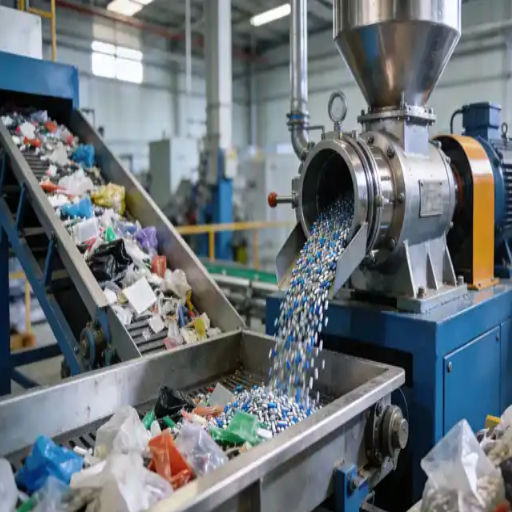
Unlike other forms of recyclable waste, rigid plastics pose a distinct problem for waste processers and this is because they require rigid plastic recycling equipment. These waste facilities have to deal with whether factory resin jerrycans, household jerrycans, or plastics from the construction industry, and it is very critical that they choose tools with respect to their functions in different areas for efficiency purposes. On this note, this article aims to help waste processors in making a business case for recycling equipment while assuring its cost, robustness, and effectiveness. From shredders, granulators, to washing machines, it will cover the major factors and technological capabilities of the industry. Lastly, you will have a good table to weigh the available options for your tunnels and healthy returns in the long run.
Understanding Rigid Plastic Recycling Equipment
Rigid plastic recycling equipment is used in the processing of hard plastic materials such as HDPE or PP used in containers, crates, or packaging, among many others. These systems mainly consist of a shredder that sizes down the waste, granulators for the enhancement of the material, and washing units for the removal of contaminants such as labels and adhesives. Such systems are unique in the sense that they form the entire process of recycling, enabling the production of a finished product that can be reused or pelletized. The equipment’s fine-tuning should be directed towards the respective material, throughput, eco-friendliness, and legal regulations so that maximum effectiveness and environmental friendliness are achieved.
Definition and Classification of Rigid Plastics
Brittle plastics refer to polymeric materials that possess the quality of being rigid or stiff in the absence of any external factor or enhancement. These types of materials are particularly useful in instances where strength and stiffness are to be maintained over a long period. They are largely manufactured from either thermoplastics or thermoset polymers, and their characteristics and applications are ascribed to the nature of the resins applied and manufacturing processes.
There are different categories of rigid plastic materials according to their chemical structure and other applications, including:
| Polymer Type | Key Properties | Common Applications |
|---|---|---|
| PET — Polyethylene Terephthalate | Light, strong, good clarity & gas barrier | Drinking bottles, food containers, and packaging |
| PP — Polypropylene | Chemical resistance, high melting point | Containers, vehicle components, domestic items |
| PVC — Polyvinyl Chloride | Rigid, strong, flame-proof | Building pipes, structures, and industrial parts |
| HDPE — High-Density Polyethylene | High tensile strength, major impact resistance | Milk/water/juice containers, detergent bottles, industrial tubs |
| PS — Polystyrene | Solid and foam variants | Cutlery, food containers, and expansion boards |
The fields that engage in the use of rigid plastics find them very useful because they are easy to recycle, have the required mechanical strength, and can easily be molded to designs that fit various manufacturing processes. Classification of these materials becomes very useful because it helps identify the type of material and when to use that material in the design, and hence in engineering and manufacturing.
Overview of Recycling Processes Tailored for Rigid Plastics
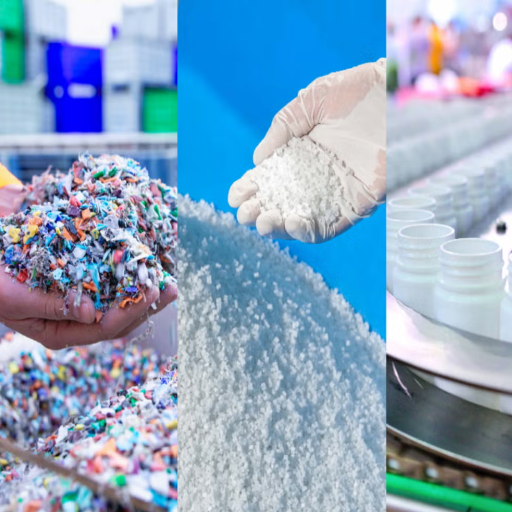
Specialized equipment is necessary for executing the processes that make up rigid plastic recycling. The best part of this apparatus is that they allow the preservation of the structural form of the items being recycled. The first stage, which is also the routine practice, usually involves the process of collecting the waste materials. Collection of waste is followed by sorting, whereby the different kinds of plastics are isolated based on type and resin code, either organic or totally mechanical, through technologies such as near infrared sorting systems. After the plastics have been separated, they are taken through a cleaning and chopping process in which labels, adhesives, and even debris are removed, and the plastics, in turn, are shredded into small flake-like materials.
The following step of the process is melting and reprocessing, whereby clean plastic flakes are heated to the melting point and extruded into different shapes, or raw material for use in production. In addition, advanced techniques, such as depolymerization, help break down the polymers into monomers, which can be used again in manufacturing. For some advanced performance usages, it is found that additive mixing is necessary in order to enhance the durability or sheetability of the submitted plastics.
It is worthy of mention that rigid plastic recycling equipment, such as polyethylene (PE), polypropylene (PP), or polystyrene (PS), has a high degree of recyclability. On the other hand, issues such as levels of contamination and different qualities of waste streams imply that strong pre-treatment and quality control processes are put in place. They provide benefits for the environment and make the recyclates remain structurally strong and within acceptable industry parameters.
Importance of Investing in Specialized Recycling Machinery
Purchasing special recycling equipment is necessary to confront the rise in the complexity of waste that is produced, along with the adequacy of the recycling processes. High-tech equipment, such as optical sorters, shredders, and extruders, enhances the sorting and treatment of various materials by increasing the overall purity of the final product. As a result of this specific functionality, rates of contamination are significantly lower, which allows superior recycled materials to be used in more applications or industries. In addition, such equipment increases the energy efficiency of the process, but more importantly, the manpower is reduced because the output will be increased. It not only helps to cut down the amount of waste, encouraged by a circular economy, but also maintains the use of resources, which increases the efficiency of the recycling, thereby complying with the changes in environmental policies, which help waste management functions to lessen the environmental effects as well.
Key Components of Rigid Plastic Recycling Systems
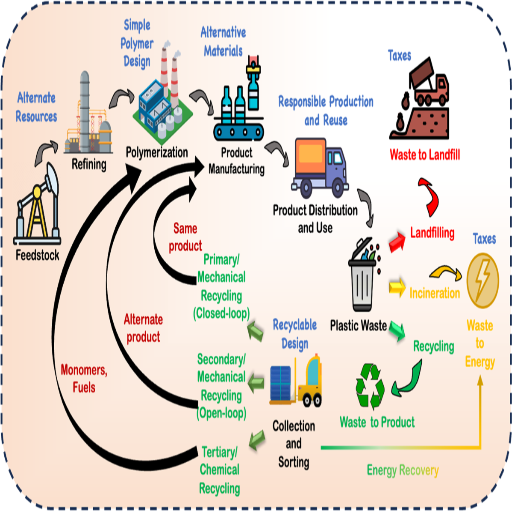
Sorting Equipment
Additional sorting equipment systems are used in segregating rigid plastics from other trash with a high precision degree for high-quality recycling. Such equipment includes optical sorters with in-built conveyors.
Shredders & Granulators
These are operational mechanisms of rigid plastics, which help in crushing the material into small pieces that can be handled for further processing.
Washing Systems
This process operates using washing machines that help clean plastics so as to remove labels and adhesives, and other contaminants for better quality recycled material.
Extrusion & Pelletizing
These are basically machines that melt down processed plastics and then compact them to form pellets, which are used in the manufacture of new articles.
Quality Control
The use of hand tools and protection devices is additionally involved so as to control the quality of the recycling process material and match the set reuse requirements.
Breakdown of Essential Components
Rigid plastic recycling equipment must perform specific functions for the process to be effective. Here is a brief description of each of them:
- Shredders and CrushersThe main task that these machines perform is to make plastic into very small, equal-sized pieces so that it can be processed further. Various types of plastics can be easily cut by small, slow-speed shredders with great torque that mitigates heat generation to keep the materials from deteriorating.
- Washing and Separation StagesMore often, high technology composed washing machines are used includes friction washers, float model tanks, and hydro cyclones to cleanse the plastics of the dirt, glue, and any other impurities. Due to these separating mechanisms, different polymers can be sorted by density, or non-recyclable items can be removed.
- Extruders and PelletizersExtrusion processes are incorporated with melt filtration equipment, which removes unwanted material from the molten mass. Then the extruded plastic is cooled and chopped into even pellets, which eventually become feedstocks for the production of new products.
- Sorting SystemsTo segregate the plastics into different types and different colors, optical sorters using near infrared (NIR) technology and visual coloring sorting are used. Conveyors’ design, as well, contains built-in magnetic separators for the separation of metals and air classifiers for the removal of lightweight materials.
- Inspection SystemVery accurate measurements are taken with sophisticated tools, such as spectroscopic analyzers and material scanners, to control the chemical composition, color, and mechanical properties of the recycled pellets. Such features are required to qualify the material as fit for use in good quality application.
How Each Component Contributes to the Recycling Workflow
The entire process is one whole system, where efficiency and delivery of good quality results hinge upon each of the aspects involved. Shredders break down large pieces of plastic waste. They enable the size reduction of larger components to manageable sizes for onward processing. Dirty, labeled, and even residue-contact contaminated surfaces are addressed by washers cleaning the material in consideration of strict quality control at later structural stages. To aid in the stream purification of plastic material, magnetic extractors and air separators help filter out both heavy metals and lighter impurities. Meanwhile, spectrometers and material fine screening have been employed as elegant instruments for grey and transparent plastic measurement. These steps are necessary so that recycled pellets will be able to finish their purpose as a component of something else in subsequent high-standard stages, which contain a more sophisticated recycling system promoting the overall productivity level.
Integration of Systems for Operational Efficiency
It is of utmost importance to incorporate contemporary sorting facilities technologies and complex data analysis methods for processes within the scope of recycling in order to create effective work-based processes. By merging conveyors, robotic sorting systems, and sensory systems enhanced with machine intelligence and enabling their operation within specifically constructed areas, it is possible to manage and increase the productivity of handling processes. Consequently, the curves of movement congestion are better controlled, rates of contamination are better controlled, and material waste refurbishing is done better. OsWare platforms provisioned for the purpose of performance monitoring and even maintenance facilitate and mitigate equipment breakdown, unplanned eventualities, and expenses. As a result, these systems improve productivity by enhancing participation in high-quality recycling processes that also meet the economic and ecological priorities.
Factors to Consider When Selecting Rigid Plastic Recycling Equipment
- 01
Compatibility with the MaterialMake sure that the rigid plastic recycling equipment is in perfect condition for the rigid plastics that one is planning to process. This includes alteration of polymers, such as HDPE, PP, PET, or anything reserved for rigid plastics.
- 02
CapacityCheck the processing size of the machinery to match the amount of materials processed daily and heighten efficiency as well.
- 03
Energy ConservationConsider the equipment’s power requirements in order to cut operation costs and mitigate its adverse effects on the environment.
- 04
Toughness and ServicingGo for equipment manufactured with good quality materials that are resistant to wearing out and easy to repair in order to ensure long usage periods with fewer interruptions and repairs.
- 05
AutomationSeek additional features of automation that are advanced in nature, such as G-sensor sorting or artificial intelligence quality control, to improve accuracy and minimize human effort.
- 06
UpgradabilityAn inventory security apparatus that will facilitate a rise in productivity if quantity increases or accommodate improved aspects of service provision when such circumstances presents itself.
The analysis of the factors allows the choice of rigid plastic recycling equipment that is most effective in case of need and does not go counter-productive on the sustainability and economics of such processes.
Material Compatibility (e.g., HDPE, PP, PET)
The effectiveness and efficiency of rigid plastic recycling equipment are highly dependent on the materials they handle. For instance, HDPE – high-density polyethylene – is primarily used for containers in which materials such as fuel, food, consumer goods, and detergents hence, their containers, such as milk and Clorox bottles, tend to be manufactured from this polymer. It is especially durable and is very recyclable. Unfortunately, Polypropylene (PP) is the most utilized pre-consumer material in the form of food containers, car parts, etc., which presents a problem for recycling in that the density variations and heat resistance cause these to require special sorting and reprocessing equipment. The production in particular of Polyethylene Terephthalate (PET) bottles is primary in cost and recyclable. However, processing pure PET without the removal of all contaminants is impossible. Such recycling machinery handles such sorting, crushing, and secondary materials with due care and without tray-to-tray contamination, enabling, if necessary, higher rates of output purity and flexible operation with inclusive streams. Replacing rigid structures with systems incorporating recognition of materials and equipment modularity increases the efficiency of processing various polymers.
Processing Capacity and Scalability Options
Enhancement of processing effectiveness has immense significance in contemporary recycling plants since the main features of such plants are their high capacity and efficiency. It is accepted that the newly built plants will be able to process many recyclable particles in one hour, while in some other plants that are purposely built for specific tasks, they may even reach the process of several tons a day. Another significant factor is demonstrated in the embracing capacity of compact facilities, in view of the fact that diverse materials can be stored and equipped in due time. These compact facilities are enhanced by the presence of high technology equipment such as robotic sorters and AI-based, accurate material sorting, which are in a position to grow mobility as infrastructure increases. Also, there are improvements in conveyor system design and in the configuration of different streams to the existing system, enabling an increase in the volume of materials in the future without loss in efficiency.
Energy Efficiency and Technical Specifications
It is possible to achieve energy efficiency in waste management systems through the enhancement of low-energy consumption and high-throughput mechanisms that are fitted with the latest technology. In most cases, high-performance motors and variable frequency drives (VFDs) are installed on conveyors and or sorting machinery to help minimize the use of electricity during the working cycle. In addition to these measures, heat exchanger units for devices such as production chambers, heat pump systems use surplus operated devices to enhance waste heat recovery and lower the energy consumption of the energy systems. With respect to the technical aspects, top-of-the-line facilities incorporate smart enhanced sensors and optic-based separators, which can carry out material recognition at speeds and accuracies greater than 90%. These are typically made with components that have modular architectures for tailored adjustments and growth according to the type of material, as well as the industry. Additional features incorporated in the systems include noise attenuation and ergonomic design for enhanced efficiency of the facilities, apart from ensuring conformance to regulatory standards like ISO 50001 in terms of energy efficiency and EPA requirements of sustainability.
Top Rigid Plastic Recycling Equipment Brands and Models

When looking at rigid plastic recycling equipment, various brands and equipment models are dominant because they have been able to combine innovation with reliability in their respective industrial uses:
| Brand | Key Features & Innovations |
|---|---|
| Vecoplan AG | The VAZ series is furnished with high torque drives, modifiable cutting geometry, and power saving, and hence, it is able to work on rigid plastics well without much interrupting downtime for repairs. |
| Erema Engineering Recycling GmbH |
Equipped with a special patented preconditioning technology, which uses the pre-regrind principle, and ensures processing high amounts of rigid regrind material with equal homogeneity of the end product. |
| Herbold Meckesheim GmbH |
Suitable for recycling of high-strength plastics and comes with an optimised rotor cooling system and connection to various processing lines, and minimizes the destruction of the machines by reinforcing the structure. |
| Rapid Granulator | Granulation and shredding are both supported in the system, resulting in the material being reduced in size efficiently and lowering the space taken up by the facilities. |
| Vecoplan Plastics Division |
They offer accurate cutting and perform high-capacity rigid plastics processing with low noise generation and energy utilization. |
By picking up such equipment from good manufacturers, one can improve work efficiency, cut operating expenses, and address issues of ecological sustainability.
Specific Features and Innovations Offered by Prominent Brands
Leading industrial manufacturers of factory equipment are stepping forward with breakthrough technology solutions that meet various operational needs at once. For instance, the IoT-based system developed by Brand ‘A’ is respected due to its application allowing real data collection and maintenance forecasts with a view to reducing any interruptions whilst improving the performance of equipment. Maintenance costs are far lower in the case of energy-efficient systems patented by Brand B, due to their energy recycling method, yet they achieve the same level of productivity. Similarly, Brand C concentrates on reconfigurable products, using more modular construction, which answers changes in size and configuration of the equipment for a specific operation. This demonstrates how functionality, efficiency, and care for the environment in maintaining industrial operations have been approached healthily.
Cost-Benefit Analysis for Waste Processors
Performing a cost-benefit evaluation of waste management systems encompasses the monetary costs and the benefits that these systems have in terms of operations. The starting cost includes purchasing the equipment, its installation, and any possible alterations to existing structures that may be required, depending on the capacity and complexity of the system one is employing. In most cases, though, the high expenditures that come with these investments are mitigated by cutting down on disposal expenditure, less usage of third-party waste operators, and observing environmentally set rules, which may attract penalties.
On the revenue front, modern-day waste processing technology is such that it incorporates the more sophisticated sorting and energy recovery systems, which have the potential to significantly bring in extra revenue from either the sale of recycled products or energy byproducts like electricity or biogas. Reducing labor costs is another reason to consider systems with automated operations, as this is time-conscious as well. However, companies need to inquire about the durability of systems and the maintenance services required for the systems, as most low-cost maintenance products can help cut costs in the long run.
In a nutshell, the decision to buy waste processing mechanisms should first take into consideration the direct monetary benefits and broader environmental ones, as well as understanding the contributions of the waste management system to sustaining their business, knowing very well they are amorphous for the most part, brand reputation, and brand loyalty, amongst others.
Economic and Environmental Benefits of Rigid Plastic Recycling
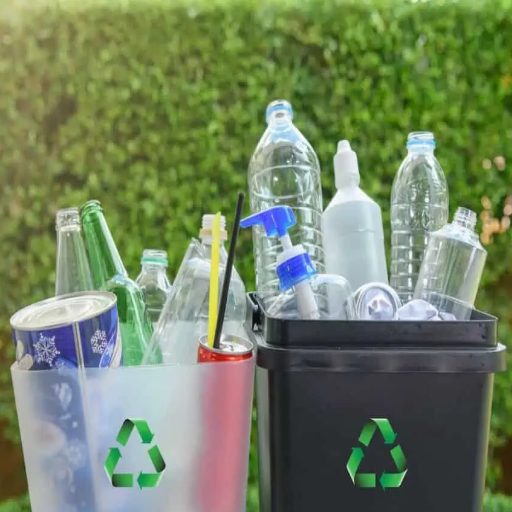
Economic Factors
The rigid plastics recycling process and the equipment for its realization allow industries to recover more than the cost of production of secondary raw materials, which are plastic. Instead of depending on the raw materials made of plastic alone, source alternate ways of utilization of the recycled plastics in business. This can also enhance efficiency and decrease costs associated with raw materials. Besides, corporations may even broaden their businesses by selling the processed plastic in each of the stages or their ready-made products to the consumers.
Environmental Assessment
From a vantage point of ecology, recycling rigid plastics is key to managing the amount of waste that ends up in landfills, which is one way not only to conserve precious airspace inside, just as many other types of green practices, but also to reduce these discharges. It also helps to lower the use of plastics, which would have resulted in reliance on virgin plastic production, which would have involved reliance on fossil fuels, diminishing such pollutants, thus helping to mitigate climate change in a small way. There is also the aspect of resource efficiency since there are things that, even when disposed of, cannot be reused, for instance, plastics and the like are given a second chance in the process.
Cost Savings Associated with In-House Recycling Solutions
Establishing a waste recycling facility at a commercial enterprise often brings about a sharp reduction in the expenditures on waste removal services. A firm processing refuse on site also spares itself the immense costs of landfill fees and transportation charges. Rigid plastic recycling equipment provides cost savings to companies by reducing the need for raw material resources because they can be recycled for production purposes. Although productive gains shift across the relative importance of inputs, they are typically outweighed by organizations in heavy-manufacturing industries that generate a significant amount of waste, such as plastics and metals, that can be recycled. Besides the financial advantages, in-house machining further optimizes activities, as it results in better disposal of waste and less time and manpower needed to carry out waste management. Such a strategy helps not only in achieving straightforward cost-cutting but also supports restoring the long-term economic stability in the face of potential fluctuations in raw materials prices.
Reduced Environmental Impact Through Efficient Recycling Systems
Eco-efficient enclosure disposal management techniques include rigid plastic recycling equipment aimed at encouraging the reuse of those components impregnated with waste. This helps me to significantly reduce the volume of waste dumped into landfills, consume fewer resources, and cut back on the emission of greenhouse gases. Depending on the region’s profile and built-in incineration plants, a local ‘zero waste to landfill’ policy chapter may also be accomplished, thus enabling me to use resources more effectively.
Case Studies Showcasing Successful Implementation
Conclusion
Selecting the right rigid plastic recycling equipment is not simply a procurement decision — it is a strategic investment that shapes the efficiency, profitability, and environmental footprint of a waste processing operation for years to come. By carefully evaluating material compatibility, processing capacity, energy efficiency, automation capabilities, and long-term scalability, waste processors can build systems that deliver consistent quality output, meet regulatory requirements, and unlock sustainable economic returns. The global examples of Sweden, San Francisco, and Germany demonstrate that when the right infrastructure is combined with the right policies and commitment, transformative recycling outcomes are well within reach.
Reference Sources
Near Infrared (NIR) Sorting of Whole Rigid Packages
This source discusses the use of NIR optical sorters for recycling rigid plastic packages, providing insights into advanced sorting technologies.
This study analyzed Danish source-separated rigid plastic waste, revealing that over 90% of the waste consisted of PET, PE, or PP polymers.
Frequently Asked Questions (FAQs)
What is a rigid plastic waste recycling equipment, and what is the main difference between that and film processing equipment?
When it comes to rigid plastic recycling equipment, these are special machines that process the thicker and harder plastics, such as crates, pallets, bottles as well as high density plastic products and this is done by use of much heavier duty support equipment that includes shredders, granulators, crushers and possibly even washing lines to further allow reducing plastic size to flake or regrind for pelleting. This is different from the case of plastic film recycling equipment whereby one deals with polyethylene (PE) or even polypropylene (PP) film that is flexible and light in nature hence it necessitates the use of appropriate washing and drying equipment for the purpose; however in the case of rigid equipment materials feed into shredders are fatter and heavier and as such they cannot be stretched to long lengths therefore stout and sharp cutters to avoid plastic wraps and blockages are also considered apart from steady speed and discarding of any contraries before granulation and even possibly pelletizing.
How does a-shredder-org-a-granulator-integrate-in-an-industrial-recycling-plant-dealing-with-hard-plastics?
The most important size reduction machines for a recycling line are granulators and shredders – the latter often tears sturdy waste plastic into smaller lumps, whereas the former crushes the feedstock more finely into such homogenous flakes that it may be washed or even made into pellets. Both these machines combined allow for reducing the overall downtime, increasing productivity, and an even distribution of the output, which in turn serves to protect the extruder and pelletizing machine, increasing bearing life and reducing the wear on the machines. Also, high-quality granules for the purposes of industrial plastic and secondary plastics are manufactured.
Is the plastic shredder or the plastic crusher good for PVC waste, Mixed PET bottles, and other rigid plastic waste?
Of course, powerful plastic crushers and shredders are used for cutting a number of plastic materials such as PVC’s, PET bottles, PE, and PP materials. Undoubtedly, when properly designed, the machines mainly found in a recycling factory are able to accept mixed rigid plastic waste bundles, especially if properly segregated or if precautions have been taken to remove PVC and additional contaminants for the benefit of the extruders and the final plastic, the raw material. Types of plastic are managed by every pre-sorted washing line, which is specific to the type of plastic to be handled, thereby alleviating downtime due to the action of contaminants.
Add to the above stated information, explain the use of washing line, flake washing, and how they help in producing the best recycled material?
To provide context on the operation of rigid plastic recycling equipment, the removal of materials and chemical agents from crushed or shredded flakes by way of a washing line is a critical process to the generation of optimum quality recyclates, where the aim is to compress those recyclates into pellets thereafter. Proper washing limits the amount of secondary sorting to be done, decreases the power required for the extruder, and enhances the pellet quality in the production process for performance plasticisation. The purpose of a flake washing is to achieve a divergence in the process of producing pellets or sheets and further enhance the outcome.
What happens in the pelletizing and extrusion process to convert flakes or regrind into pellets?
Then there are the machines for pellets – extruders that take the ground washed flake or regrind, turn it into a melted polymer, forcing it through a die, cool the die-extrusion strands, and then cut them into pellets using a pelletizer. The process of recycling plastics into pellets ensures that the produced plastic pellets are uniform and can be replacement in many plastic products. With regards to high-quality pellets, avoiding energy consumption as well as wear and tear on the pelletizer and extruder through the optimum control of throughput, temperature, and moisture removal.
What are the common types of rigid plastic recycling equipment processed, and what kind of materials can be recycled as well?
Among the most prevalent raw materials that are acceptable for plastics recycling are the HDPE containers, such as crates, polypropylene pallets, polystyrene shells, PVC pipes, and PET bottles. Rigid plastic recycling equipment can recycle waste plastic materials that come from end-consumers in the post-use stage, plastic materials used in manufacturing inside a plant, such as certain offcuts or unwanted components, and these waste materials are in segregated form in the case of city solid waste. An appreciation of the materials and waste streams exists because this will determine the setting up of shredders, granulators, washing lines, and pelletizing devices for effective recycling.
What is the right throughput and product weight when considering the purchase of a Machine or a recycling Line?
When choosing the fabricating machinery and equipment, attention is paid to the productivity of the line in terms of throughput – – how many tons of plastic should the machine process per hour or day on average, as well as the expected crushing ration for the given plastic, the sort of product (nor tyranny denture, nor regrind), – and the degree of cleanliness expected in the process. Throughput determines the size and quantity of shredders and granulators, washing line capacity, extruder size, and pelletizer output. Taking into account the expected service life, how easy the equipment is to maintain, power consumption, and prospects of the plant being idle, the recycling business is fitted to meet the maximum production figures and provide high quality of the reconverted waste.




Trending now