Get in touch with Kitech Company

PP PE Film Washing Line for Industrial Recycling

PP PE Film Washing Line: Complete Guide to Plastic Film Recycling Systems
The environmental problem of plastic pollution now ranks as one of the most urgent environmental problems that our planet faces while society needs to find environmentally sustainable recycling methods more than ever before. The plastic waste produced by industries that handle large amounts of polypropylene (PP) and polyethylene (PE) films needs efficient recycling methods to protect the environment and satisfy government regulations.
The PP PE film washing line guide describes an industrial system which helps recycling facilities improve their operations for plastic film waste. The systems enable organizations to create reusable resources of high quality which help them practice circular economy methods. The article analyzes the operational mechanics and advantages of PP PE film washing systems while providing operational details which help industries choose environmentally friendly solutions.
Introduction to Plastic Film Recycling
The process of recycling polypropylene (PP) and polyethylene (PE) plastic films which includes both materials as recyclable items prevents plastic waste while conserving natural resources. The materials find their primary applications in packaging and agricultural usage and multiple industrial sectors. The specialized systems function by gathering discarded plastic films which they process through cleaning and shredding to create materials that can be reused in product manufacturing. This method needs to reduce both landfill waste and plastic production’s environmental impact through its energy consumption and virgin material dependence reduction. Industries achieve significant advances in sustainable waste management and resource preservation through their implementation of effective recycling methods.
Importance of Recycling PE and PP Films
The recycling process for polyethylene (PE) and polypropylene (PP) films holds essential importance because these materials have become widely used and their waste affects the environment. The materials find multiple applications in packaging and agriculture and consumer goods which create extensive waste problems when people throw them away incorrectly. Advanced recycling methods enable companies to protect natural ecosystems while they extend the useful life of plastic materials. The following list presents five major advantages and associated information about the recycling process of PE and PP films.
Reduction in Landfill Waste
Recycling PE and PP films prevents these materials from occupying limited landfill space. Plastic films remain in landfills because they do not decompose which results in environmental dangers that last for hundreds of years. The United States produced about 4.2 million tons of plastic films and bags in 2021 but only a small portion of that material was recycled.
Energy Conservation
Recyclable materials require less energy for processing because they need fewer resources than producing new plastics from original petrochemical materials. Recycling PE and PP films can reduce energy consumption by approximately 30% which leads to decreased greenhouse gas emissions and improved resource efficiency.
Reduction of Marine Pollution
Lightweight films make up the majority of plastic waste that people handle improperly which leads to pollution in rivers and oceans and creates serious risks for marine animals. Efficient recycling systems can curb this flow which helps to decrease the estimated 8 million metric tons of plastic that enters oceans every year.
Recovery of Valuable Resources
The process of shredding PE and PP films enables their transformation into pellets or granules which manufacturers will use to create construction materials and furniture and new packaging films. This method decreases the need for crude oil and natural gas as essential materials which leads to more sustainable resource usage.
Economic Opportunities
Recycling these materials creates employment opportunities in waste collection and processing and manufacturing sectors. The worldwide recycled plastics market reached a value of $59 billion in 2021 according to data which shows that demand for sustainable materials will drive consistent market expansion.
Recycling PE and PP films serves as a fundamental requirement for reaching sustainability goals through resource preservation and environmental protection. The implementation of recycling infrastructure through continuous development will enable industries and governments to solve this problem which will lead to measurable results.
Overview of Plastic Film Types
The classification of plastic films depends mainly on their material composition and their intended uses. The three most common types of plastic films are polyethylene (PE) and polypropylene (PP) and polyvinyl chloride (PVC).
Polyethylene (PE)
The flexible and durable properties of PE films make them widely used in different applications. Packaging materials commonly use them in the form of plastic bags and shrink wraps. The structural properties of PE films determine their division into low-density polyethylene (LDPE) and high-density polyethylene (HDPE) categories.
Polypropylene (PP)
The three main properties of PP films make them valuable for various applications which require transparent materials that can withstand high temperatures and strong physical forces. The material finds use in various applications including food packaging and product labeling and adhesive tape manufacturing.
Polyvinyl Chloride (PVC)
PVC films deliver exceptional strength properties which make them suitable for use in cling wrap and medical packaging and industrial protective materials.
All types of materials serve different functions across various economic sectors while their recycling potential depends on the existing recycling systems and material processing facilities in their specific areas.
Environmental Benefits of Recycling
The process of recycling brings major environmental advantages since it protects natural resources and decreases energy use while it lessens landfill waste. The process of recycling decreases the requirement to extract new materials which benefits ecosystem preservation and decreases habitat destruction. The energy consumption of recycling operations remains lower than the energy needed to create new products from unprocessed materials which results in decreased greenhouse gas emissions. Recycling prevents waste from entering landfills which helps to reduce pollution that affects soil water and air thus creating a cleaner environment. The process of recycling functions as a vital method that supports sustainable development while working to reduce climate change.
Components of a PP PE Film Washing Line
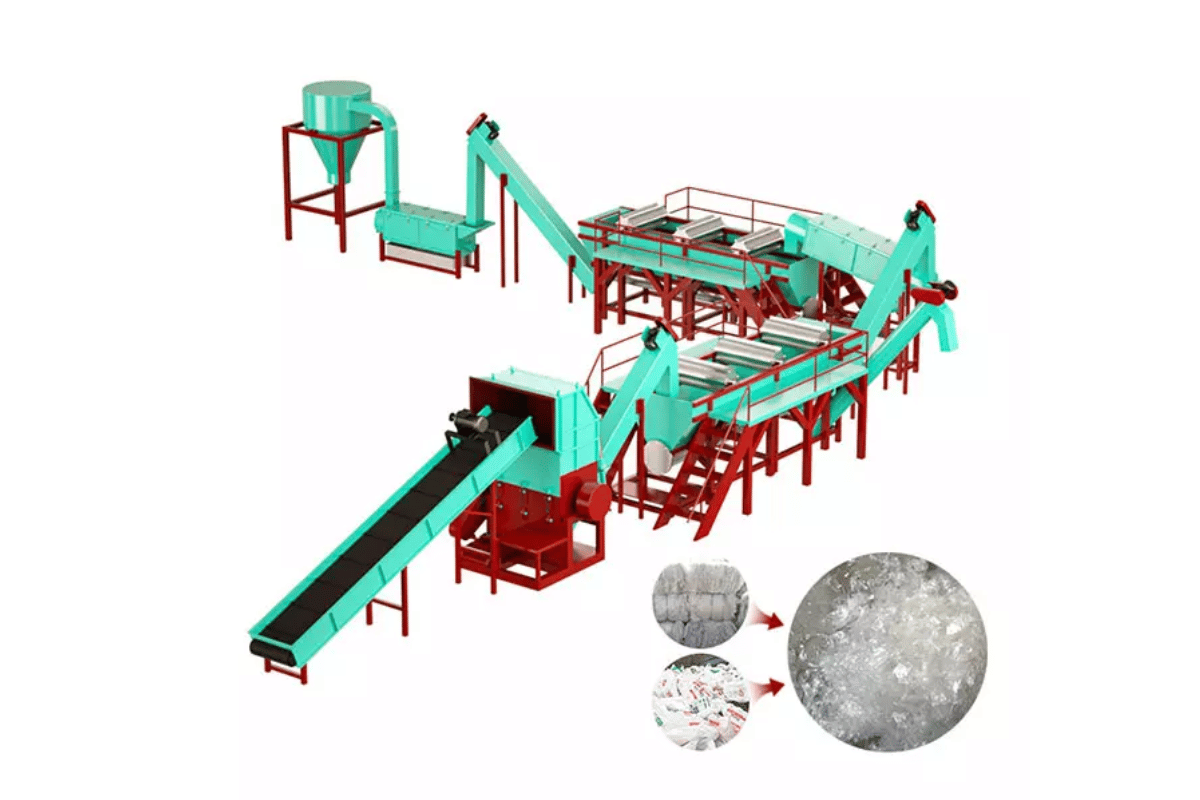
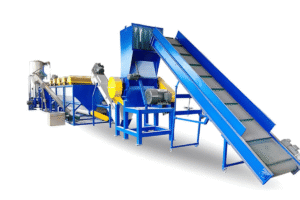
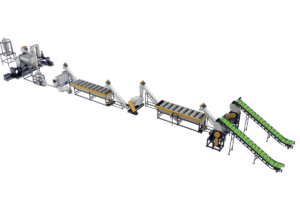
A PP PE film washing line consists of the following key components:
1
Belt Conveyor
Transports raw film materials to the next stage for processing.
2
Shredder or Crusher
Reduces the size of the plastic film into smaller, manageable pieces for further washing.
3
Friction Washer
The machine cleans shredded film by using friction to eliminate all dirt and grease and all other material residues.
4
Floating Washing Tank
The system uses water to detect and remove all contaminants while ensuring complete cleaning of the plastic film.
5
Centrifugal Dryer
The equipment extracts excess water from the washed film to prepare the material for subsequent drying.
6
Heat Dryer
The system guarantees that the film achieves total dryness before the material enters its next production stage which includes processing and pelletizing.
7
Cyclone Separator
The system extracts all remaining fine particles and dust from the treated film material.
The components operate together to achieve effective cleaning and preparation processes which make PP PE film ready for recycling and reprocessing.
Key Machinery in the Recycling Line
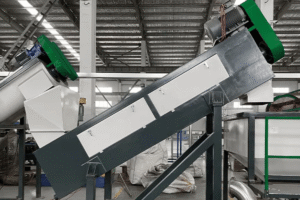
The fundamental elements that comprise a PP PE recycling line maintain their ongoing development because both current technological progress and data from multiple sources support their operational progress and environmental performance improvements. Contemporary recycling systems now use energy-saving technologies which operate through automated systems to achieve higher operational capacity while reducing their carbon footprint. The new shredders which come with built-in smart sensors allow operators to adjust their cutting speed according to material density which results in lower power consumption and longer equipment lifespan.
The development of optical sorting technology has created machines which use artificial intelligence to detect and separate contaminants with exceptional precision. The systems improve their output quality through real-time data monitoring which enables them to deliver cleaner material results. The industry now prefers dual-stage filtration systems which extrude washed film into high-quality pellets that meet industrial reuse manufacturing standards. The new technologies demonstrate how the industry works to create recycling lines which operate at high efficiency while preserving environmental protection.
The Role of Shredders in Film Washing
Shredders play a vital role for film washing because they transform large film materials into smaller parts which workers can easily handle. The initial process of size reduction makes subsequent cleaning procedures more effective which includes both washing and separation operations. Modern shredders use advanced technologies which include low-speed and high-torque systems that enable them to process large amounts of film while maintaining material integrity. The automated control system integration enables shredders to process different film types while producing uniform particle sizes which benefit the downstream processing operations. The latest research shows that using precision shredding equipment in film washing lines leads to a maximum 20% reduction in energy usage while achieving better material cleanliness results. The process increases recycling speed while the washed film achieves the necessary quality standards for production of high-grade pellets.
Understanding the Friction Washer
The friction washer serves as an essential part of the film washing line which operates to remove dirt and labels and adhesives from shredded plastic films. The system works by spinning material at high speeds while water is added to create centrifugal force which pushes out all unwanted materials. The process cleans the material completely to prepare it for upcoming processing steps. The friction washer system needs proper maintenance to improve recycling system efficiency while delivering quality standards required for producing high-grade recycled materials.
Working Process of PE Film Washing Line
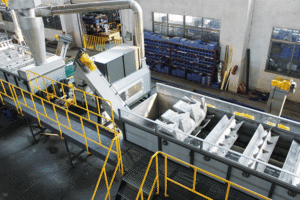
The PE film washing line operates through several stages which work together to maintain successful cleaning and preparation procedures for plastic film recycling.
Step 1: Feeding and Pre-Sorting
The process begins with feeding the plastic films into the system, where manual or automated pre-sorting removes large contaminants like metals, stones, and oversized debris.
Step 2: Shredding
The films are shredded into smaller parts which help to enhance the efficiency of the upcoming cleaning and drying procedures.
Step 3: Washing and Separation
Shredded films undergo thorough cleaning in washing equipment which functions to eliminate dirt and oils and all other forms of impurities. The separation tanks function to separate materials according to their density which enables the effective extraction of non-polyethylene materials.
Step 4: Friction Washing
The material undergoes friction washing which uses high rotational speed and water to dislodge remaining fine impurities for a deeper clean.
Step 5: Drying
The drying systems which include centrifugal dryers and thermal dryers receive the cleaned films to decrease moisture content until they reach the required processing standard.
Step 6: Final Inspection and Storage
The clean, dry material undergoes a final inspection to ensure quality before being stored or prepared for the next stage in the recycling process, such as pelletizing.
The process achieves maximum operational effectiveness while creating recycled products which maintain high quality standards for future use.
Initial Sorting and Collection of Plastic Films
The process for sorting and collecting plastic films starts with collecting materials from specific collection locations which include recycling bins and industrial facilities and agricultural sites. The sorting process for films requires workers to use manual methods or mechanical systems to eliminate contaminants which include paper and food residues and non-recyclable plastics from the material. The sorting process needs to be done correctly because it protects material quality throughout the recycling process which needs to follow specific processing standards for successful material reuse.
The Shredding Process Explained
After sorting the plastic films, the next step requires shredding the materials into smaller pieces which facilitates their handling and processing work. The process requires industrial shredders to operate on the films which use their rotating blades for material cutting into smaller pieces that have a size range between a few millimeters and a few centimeters. Advanced shredders use automatic systems for adjusting blade rotation speed together with cutting force which operates according to the film materials density and toughness characteristics to produce uniform results. The screening process serves to remove all contaminants from the plastic flakes which have been shredded. The process improves washing and drying and reprocessing efficiency which leads to better plastic recycling results and more cost-effective recycling operations. Recent advancements as reported by current search data highlight the increasing adoption of energy-efficient shredding technologies which aim to minimize power consumption during this critical stage.
Friction Washing and Its Importance
Friction washing serves as an essential process that cleans plastic flakes through its combination of high-speed mechanical movement and water cleaning process. The method successfully eliminates all unwanted substances which include dirt and oils and adhesives and remaining stickers because these materials would damage the recycled product. The friction washing process creates high cleanliness standards which enhance the subsequent recycling process and produce superior recycled plastic material. Recycling operations in the present day need this method because it provides essential operational consistency and dependable results.
Drying System in Film Recycling
The drying system in film recycling exists to take moisture out of washed plastic film materials so they can become ready for subsequent processes which include extrusion and pelletizing. The process achieves its goals through mechanical drying methods which use centrifugal dryers and air-drying systems to remove water through their high-speed rotation and heated air operations. The drying process eliminates defects which would otherwise occur in recycled plastic products while it preserves material quality and enhances production efficiency.
Methods of Drying Recycled Materials
Advanced drying technologies have developed to meet the rising requirements of efficiency together with energy saving needs which the recycling industry demands. The primary industrial method uses infrared drying because it employs infrared radiation to enter materials which results in rapid moisture removal through minimal energy waste. The method achieves faster drying results than traditional hot air systems while showing special effectiveness with polyethylene and polypropylene materials.
Vacuum drying represents an upcoming method that achieves its drying function through atmospheric pressure reduction which enables water boiling point decrease and faster moisture extraction from stored materials. The method proves effective for processing heat-sensitive recycled plastics because it protects these materials from thermal degradation. The hybrid systems which combine centrifugal drying with desiccant-assisted air dryers have become popular because they provide both high production capacity and stable moisture control which essential for creating high-quality products.
Research investigates the further implementation of novel techniques which include ultrasonic-assisted drying. The experimental method uses high-frequency vibrations to separate moisture bonds within materials which results in improved drying efficiency. Recyclers can achieve better resource efficiency through the application of advanced methods which help them fulfill the strict quality requirements set by manufacturing industries.
Benefits of Efficient Drying Systems
Reduced Energy Consumption
The energy requirements for moisture extraction during drying processes decrease because efficient drying systems handle material drying through their energy-efficient design. Research demonstrates that modern drying techniques including vacuum drying and infrared drying achieve energy savings of up to 30 percent when compared to conventional drying techniques.
Improved Product Quality
The precise temperature and moisture management system of efficient drying systems enables complete control over product drying, which prevents thermal damage and discoloration and maintains uniform moisture content. Efficient drying in food processing enables product preservation of nutrients and texture and flavor which meets both industry standards and consumer expectations.
Enhanced Process Speed
The contemporary drying equipment system operates at much faster drying speeds compared to previous drying methods used for material treatment. Ultrasonic drying technology provides drying time reductions between 20 percent and 50 percent based on the specific materials being dried, which results in enhanced production capacity and shorter product development timelines.
Lower Environmental Impact
The deployment of effective drying methods leads to environmental sustainability because these methods decrease the greenhouse gas emissions which result from electricity production. The systems achieve resource efficiency through their ability to recover water from waste streams while they maintain compliance with environmental regulations through their eco-friendly operational methods.
Cost Savings in Maintenance and Operations
The advanced drying systems feature strong automated systems which enable less maintenance work and decreased repair costs. The system achieves operational cost savings through enhanced energy efficiency which provides manufacturing industries with financial benefits throughout extended periods of operation.
Integration of Drying with Washing Processes
The combination of washing and drying processes creates operational benefits for industrial environments from my point of view. The process achieves its objectives because it combines two stages which reduces handling time while achieving better energy efficiency and maintaining operational flow. The system connection creates a smooth operational flow which eliminates production delays and boosts efficiency while saving costs and maintaining high product quality.
Benefits of Using a Plastic Film Washing Line
Improved Material Quality
A plastic film washing line works to clean recycled material through its process which removes all impurities that include dirt and adhesives and contaminants.
Enhanced Efficiency
The automatic washing system achieves two benefits through its operation which decreases the need for workers while it increases production speed hence resulting in quicker output.
Environmentally Friendly
The washing lines operate as recycling systems for plastic films which help to decrease waste while they preserve resources through their support of sustainable methods.
Cost-Effective Recycling
The cleaning system and processing system create operational savings which enable organizations to build up their recycled material value throughout their entire business operations.
Adaptability
Most washing lines are capable of handling a wide range of plastic films which enables operators to perform recycling work with increased operational flexibility.
Cost-Effectiveness for Businesses
Businesses can save money through washing lines because these systems reduce their waste disposal expenses and their raw material acquisition costs. The systems perform plastic cleaning tasks in an effective manner which allows them to produce recycled materials that function as cost-effective alternatives to virgin plastic materials. The use of recycled materials by businesses enables them to produce higher quality products while simultaneously decreasing their manufacturing costs to satisfy industry requirements. The financial benefits start to accumulate after organizations decrease their need for both fresh materials and waste processing resources.
Enhancing Sustainability Efforts
The number of queries about plastic recycling technologies and waste reduction methods and renewable material usage has increased because both industries and consumers now show greater understanding of these topics. The data analysis process enables businesses to discover essential improvement areas which will help them meet customer preferences. Organizations achieve their sustainability goals through advanced material recovery systems which also demonstrate their capacity to adapt to changing market requirements. The findings demonstrate how organizations can use data-based decision methods to achieve their goals of environmental protection and financial stability.
Improving Quality of Recycled Products
Recycled product development needs advanced sorting technology and precise contamination control and standardized material processing procedures to produce better product quality. Automated systems which use optical and AI-based sorting technologies will improve material separation accuracy thus producing higher purity levels in recycled materials. Public education about contamination sources together with proper waste segregation practices stands as an essential measure for reducing waste contamination problems. The standardized processing protocols which organizations follow will maintain processing consistency and material performance reliability that enables recycled materials to compete with virgin resources across different applications.
Reference Sources
- PP/PE Film Washing System
The system removes hazardous contaminants from plastic films. The system operates with maximum water efficiency. - Plastic Recycling PP PE Film Washing Line
The system recycles post-consumer polypropylene (PP) and polyethylene (PE) films through advanced recycling technologies. - PP / PE Film Washing Line
The washing line process transforms dirty PP and PE films into clean products that have no contaminants. - Recommend reading: Industrial PE Film Washing Line Complete PP PE Recycling Solutions
Frequently Asked Questions
1. What Is the Operational Purpose of a PP/PE Film Washing Line?
The Polypropylene (PP) and Polyethylene (PE) film washing line acts as a complete recycling solution which processes both post-industrial waste and post-consumer plastic film waste. The system works to clean and segregate PP and PE materials which have been tainted until they achieve purity levels that permit conversion into high-quality flakes for re-extrusion. Manufacturers use recycled feedstock to make plastic products because it functions as a substitute for virgin resin.
2. What Are the Core Components and Stages of a Standard PP/PE Film Washing Line?
The complete washing line contains multiple specialized machines which each execute specific tasks during the recycling operation. The shrinkage process starts when a high-torque shredder or granulator takes baled or loose film and breaks it down into smaller pieces with uniform dimensions. The process enables better efficiency for both cleaning operations and material handling activities.
The initial wash procedure kicks off with a friction washer or trommel which performs the first cleaning task to remove surface dirt and sand and other loose contaminants. The next step follows which uses a sink-float tank to separate lower-density PP and PE plastics that float from heavier contaminants which sink to the bottom like PET or metals.
The hot washing process uses a hot washing tank which operates with heated water and alkali solution to remove stubborn contaminants like oils and glues and organic residues. The material will go through a rinsing procedure which takes place after the hot wash process. The process uses a mechanical dewatering press (screw press) or a high-speed centrifuge to eliminate most of the water used in the procedure. The final thermal drying system works by directing heated air through the system to decrease the moisture content of plastic flakes until it reaches a target moisture level which is typically under 5%. The system prepares the plastic flakes for pelletizing.
3. How Does the System Differentiate Between PP and PE Films and Other Plastic Types?
The primary method for separating PP and PE from other common plastics like PVC or PET is density-based separation in a sink-float tank. The two materials PP and PE have densities which fall below water density about 0.90-0.97 g/cm³ so they will float on water. PET plastics have a density of approximately 1.38 g/cm³ and PVC plastics have a density of approximately 1.4 g/cm³ so they will sink when placed in water. The system operates through this principle which enables the system to continuously separate polyolefins from all plastic contaminants.
4. Why Is Achieving a Low Final Moisture Content Crucial for the Recycled Material?
The final moisture content of the washed flakes serves as a vital quality standard. The subsequent melt extrusion process will create steam from excessive moisture which will produce voids and porosity within the molten polymer. The process produces pellets which lack mechanical strength and visual appeal and it causes processing problems. Companies need an efficient drying stage because it serves as the fundamental component which produces recycled materials that comply with manufacturing standards.
5. What Are the Principal Challenges Associated with Operating a PP/PE Film Washing Line?
The successful operation of the system requires the resolution of multiple crucial difficulties. The waste stream which the facility receives contains various types of contaminants that include paper labels and sand and other materials. Shredder knives and transport screws experience damage because the sand and other materials create abrasive wear. The process requires effective filtration systems to maintain process water quality because they are vital for both cleaning success and environmental discharge regulation compliance.
6. What Are the Environmental and Economic Benefits of This Recycling Solution?
The PP/PE film washing line recycling process prevents large quantities of plastic waste from ending up in landfills and incineration facilities. The process results in reduced land requirements and reduced pollution levels while promoting circular economic systems. The system establishes a dependable recycled material stream which decreases the need for new fossil-fuel-based polymers. The process protects natural resources while it reduces the climate impact of plastic production. The process generates industrial value from worthless waste materials through resource recovery which creates new business opportunities.