Get in touch with Kitech Company

How PE Film Washing Line Works: Process Explained

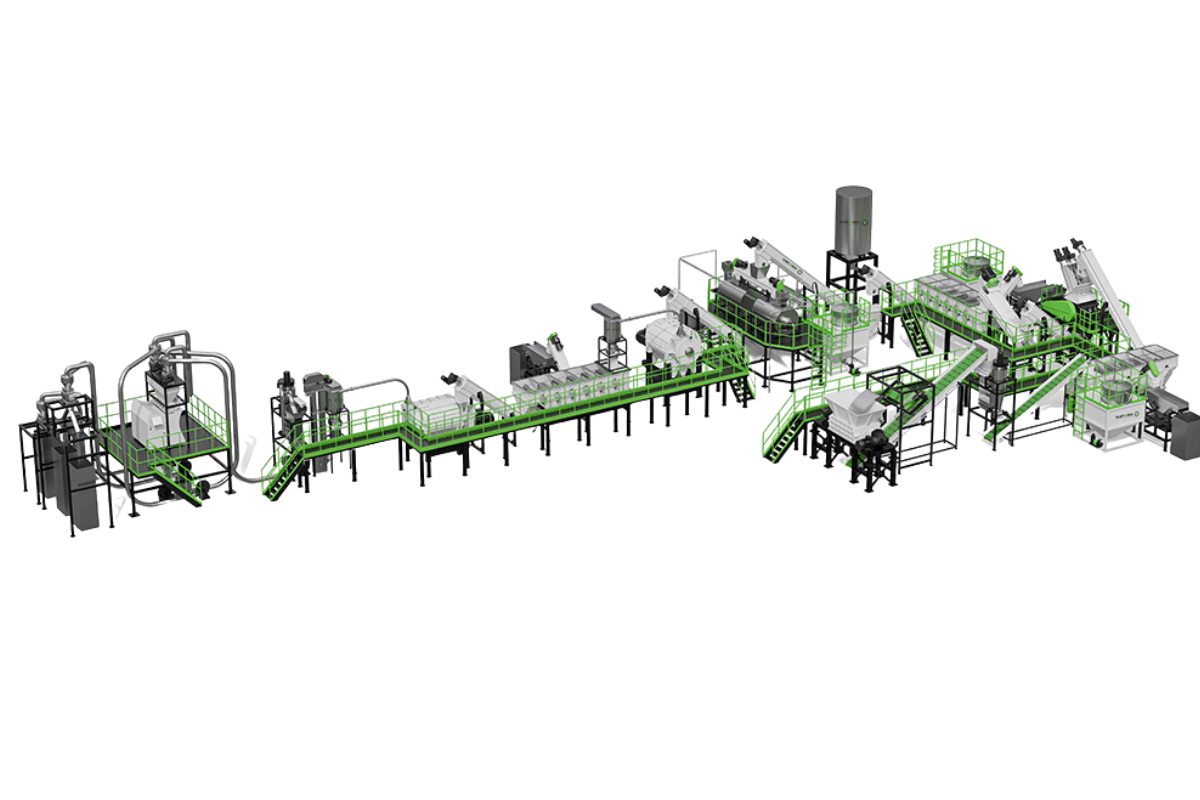
How Does a PE Film Washing Line Work? Step-by-Step Process Explained
Plastic recycling has become a critical aspect of modern waste management, and a PE film washing line serves as an innovative solution for processing polyethylene (PE) film waste efficiently. The advanced system operates through multiple technological processes to convert dirty plastic film into pure reusable material.
The entire process begins with sorting and shredding before advancing to washing and drying which together achieve maximum material recovery through complete cleanliness. The article describes step-by-step how a PE film washing line functions while showing its significance and showing its operational process and demonstrating the main technologies which establish its importance for environmentally friendly recycling programs. The thorough explanation will help you understand how the system operates and how it functions as a crucial instrument for establishing recyclable plastic waste disposal systems.
Introduction to Plastic Film Recycling
The recycling process for plastic film begins with the collection of used polyethylene (PE) films which undergo treatment to produce sustainable materials through their recycling process. The recycling process gains particular significance because plastic films have become essential packaging materials that extend their use to both agricultural and industrial applications. Recycling facilities operate a three-step process that starts with material collection and washing through which they convert discarded plastic films into high-quality granules or pellets that manufacturers use to create new products. The practice helps to decrease landfill waste while it serves as a fundamental method for promoting a circular economy.
Understanding PE Film and Its Applications
PE film provides multiple industrial uses because of its outstanding material properties. The material exhibits multiple advantageous properties because it combines lightweight design with durable construction and provides protection against water and chemical substances and physical damage. Low-density polyethylene (LDPE) and high-density polyethylene (HDPE) serve as the primary materials for this manufacturing process because the specific products produced depend on density variations.
PE film serves packaging purposes because it enables the creation of shrink wraps and grocery bags and protective covers through its combination of strength and flexibility. The agricultural sector uses PE film to create greenhouses and mulch systems and silage wrapping materials which help farmers boost their crop production by creating optimal growing conditions. The construction industry uses PE film to create vapor barriers and insulation materials and temporary building enclosures.
The global demand for PE film requires manufacturers to develop new production methods while implementing recycling systems for environmental protection purposes. The co-extrusion process enables manufacturers to produce multi-layered films which deliver advanced performance capabilities while recycling programs transform waste materials into reusable products to decrease environmental damage. The industrial applications of PE film and its function in sustainable development initiatives both demonstrate its vital importance.
The Importance of Recycling Plastic Films
Reduction of Waste in Landfills
The recycling process for plastic films results in a major reduction of plastic waste that would otherwise be disposed of in landfills. The Environmental Protection Agency (EPA) reports that plastic films make up a substantial portion of municipal waste because millions of tons are thrown away every year. Recycling transforms waste materials into usable production resources which material reduction helps to minimize environmental impact.
Energy Conservation
The plastic film recycling process requires less energy for its operation than the process of producing new plastic from petroleum-based raw materials. Research findings demonstrate that recycling plastic materials results in 80 percent energy savings during production which makes recycling the more sustainable option.
Economic Viability and Material Recovery
Businesses can create new products from recycled plastic films because they recover polyethylene (PE) which serves as a fundamental material during production. This procedure enables companies to save money while they achieve better resource efficiency throughout their manufacturing processes.
Reduction in Greenhouse Gas Emissions
Plastic film recycling serves as an important method for decreasing greenhouse gas emissions. The production process of plastic material from raw resources generates substantial quantities of carbon dioxide and methane emissions. Recycling activities reduce these greenhouse gas emissions which helps to decrease the environmental impact that the plastic industry creates.
Support for Circular Economy
Plastic film recycling establishes a circular economy system which allows materials to be reused multiple times instead of following single-use and linear consumption patterns. This model promotes sustainability and ensures the long-term availability of resources while minimizing environmental degradation.
Overview of Washing Lines for Plastic Recycling
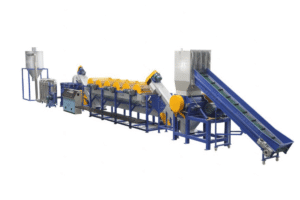
The washing lines for plastic recycling function as core systems which perform the first stage of cleaning plastic waste materials to prepare them for subsequent processing. The systems function to remove all types of contaminants which include adhesives and labels together with food residues and dirt through their combination of mechanical and chemical systems. The washing lines use two washing methods which combine hot and cold water together with friction cleaning and centrifugal drying techniques to achieve complete plastic cleaning that meets pelletizing and molding requirements. The process builds better recycled products which conform to industry standards for sustainability and reuse.
Working Principle of the Plastic Film Washing Line
The plastic film washing line operates through a sequential process designed to thoroughly clean and prepare plastic films for recycling. The process starts when plastic waste enters the conveyor system which begins its first sorting operation to remove all large undesirable items. The process requires the material to be shredded into smaller pieces which have equal size for better handling. The shredded material undergoes washing with water and chemical solutions to remove all adhesives and residues and tiny dirt particles.
The washing process is followed by a procedure that involves high-speed rinsing together with friction cleaning to achieve complete debris elimination. The clean plastic undergoes drying through centrifugal dryers and thermal drying systems which remove all remaining moisture. The recycling process begins with collecting processed plastic which will undergo further steps that include pelletizing or molding while maintaining high material purity and quality in the output products.
Step-by-Step Process of Film Recycling
1
Collection and Sorting
The process begins with multiple locations which include commercial buildings and residential areas and agricultural farms to collect plastic film waste. Advanced material recovery facilities (MRFs) use automated sorting systems which include near-infrared (NIR) scanners to identify and separate recyclable polyethylene films from both contaminants and non-recyclable materials.
2
Contaminant Removal
The pre-treatment process for sorted plastic film requires complete elimination of visible contaminants which consist of paper labels and adhesives and all other remaining materials. The process uses mechanical shaker screens and flotation tanks to separate heavier materials from the lightweight film.
3
Shredding and Size Reduction
The industrial shredders and granulators process the cleaned plastic to produce uniform-sized flakes from the film material. The process requires precise size reduction to improve the efficiency of all upcoming cleaning and reprocessing activities.
4
Hot Washing and Friction Cleaning
The process uses hot water to wash shredded film particles which contain detergents or chemical solutions that eliminate persistent grease and oil stains. The friction cleaners scrub the plastic until all contaminants have been completely removed.
5
Drying and Moisture Removal
The high-velocity centrifugal dryers and thermal drying units work to dry washed plastic flakes through their advanced moisture detection systems. The process requires maintenance of low moisture content because excessive water will disrupt all following processing activities.
6
Pelletization or Reprocessing
The decontaminated and dried flakes move to the pelletizing extruders which operate by melting the material to create standardized resin pellets. These pellets function as primary substances which manufacturers use to create new plastic products and packaging materials thereby supporting a circular economy.
The implementation of machine learning-based sorting systems together with enzyme-based cleaning methods has raised film recycling throughput while enhancing recycling quality. The 2023 analysis showed that the global plastic recycling market achieved a 15% increase in operational efficiency through these technologies which demonstrate the need for research that addresses plastic waste problems.
Key Stages in the Washing Line Operation
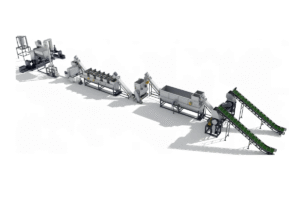
Pre-Sorting
The washing line operation begins with pre-sorting which involves the categorization of incoming plastic waste according to its material type and size and level of contamination. The process begins with this step which checks all materials to make sure only compatible items will proceed through the processing system.
Shredding
The sorted plastics undergo shredding to produce smaller pieces which have uniform dimensions that enable downstream processing. The process of shredding creates more surface area which helps to improve the upcoming cleaning and drying procedures.
Washing
The shredding process undergoes heavy washing procedures which eliminate all contaminants including labels and adhesives and organic material. The washing solution contains water as its main component which may include certain environmentally friendly detergents.
Separation
The process uses density-based material separation which determines which materials to separate from each other. The process uses flotation tanks where polyethylene and polypropylene which are lighter plastics float while heavier materials which sink.
Drying
The drying systems which combine centrifugal dryers and air dryers dry plastic flakes which have been cleaned to reach the moisture levels required for their upcoming processing and reuse. The process of efficient drying protects materials from deterioration during the upcoming production stages.
Quality Control
The process evaluates processed plastic flakes to determine whether they meet the required quality standards for recycling and industrial applications. This step is critical for maintaining reliability and performance in derived products.
Understanding the Role of Each Component
Collection Systems
The collection systems establish the fundamental method which recycling operations use to collect their necessary raw materials. The collection systems provide three distinct collection approaches which include curbside pickup and deposit return systems and industrial waste collection. The urban curbside recycling programs enable cities to collect 30% of their recyclable materials which create a major advantage for their supply chain operations.
Sorting Equipment
The advanced sorting equipment operates with three different technologies which include optical sorters and air classifiers and eddy current separators to accomplish effective material separation. The optical sorters demonstrate an identification accuracy that exceeds 95% for plastics which operate on different polymer types.
Size Reduction Machinery
The combination of shredders and granulators functions as essential machinery which enables operators to reduce material size until it reaches suitable dimensions for their next tasks. Standard shredders process large plastic objects into flakes which develop a size range from 10mm to 30mm depending on the specific equipment used.
Washing and Cleaning Systems
The washing systems operate as vital components which eliminate contaminants that consist of dirt and adhesives and labels. The system achieves cleaning efficiency which exceeds 90% through its operation with cold water and hot water baths and chemical detergent integration.
Drying Equipment
The drying process uses centrifugal dryers and thermal dryers and air-drying tunnels as equipment to eliminate any leftover moisture. The requirement to maintain moisture levels under 1% becomes essential for maintaining the recycled material quality during subsequent processing activities.
Pelletizing or Flaking Machines
The machines transform processed plastic materials into standard plastic pellets or flakes which serve as the main production material for manufacturers. The advanced pelletizers achieve operational productivity which exceeds one ton per hour through their efficient processing capabilities.
Quality Control Systems
The quality control process uses melt flow index (MFI) testers and spectrophotometers and polymer analyzers as its quality control instruments. The tools assess various parameters which include thermal properties and contamination levels and mechanical strength to verify whether recycled materials comply with industry requirements. The high-grade applications need polymer purity levels that reach 99% or above to meet acceptable thresholds.
The recycling process functions through interconnected elements which create a complete system that optimizes material recovery while promoting environmentally friendly methods.
Key Components of the Recycling Washing Line
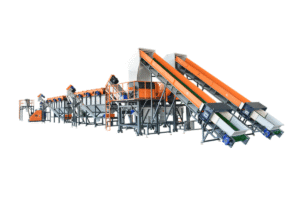
- Shredders and Granulators
The machines break plastic waste into smaller pieces which they can process at their next stage of work. - Friction Washers
Plastic pieces undergo cleaning because friction washers spin at high speeds to eliminate dirt and labels and all other remaining contaminants. - Hot Wash Tanks
The heated tanks act as cleaning equipment which removes all oil and adhesive and other difficult materials from plastic items. - Separation Tanks
The tanks separate various types of plastic together with metal and glass contaminants through water density-based separation methods. - Dryers
The drying systems remove all remaining moisture from purified plastic material which enables its use in future recycling operations and manufacturing processes.
The system provides all necessary functions for cleaning and sorting and preparing plastic materials which will be recycled in the future.
Shredder: Preparing Waste Plastic for Washing
Shredders serve a crucial role in the plastic recycling process by reducing waste plastic into smaller workable pieces which need to be washed. The mechanical breakdown process increases surface area which enables better cleaning results. The shredding process can handle various forms of plastic which include rigid goods like containers and softer films while maintaining consistent particle size for downstream processes.
Modern shredding machines operate with sophisticated systems which feature precision cutting tools and adjustable screens that operators use to produce particular particle sizes together with automatic feeding mechanisms that support nonstop operation. These technological advancements boost work efficiency while reducing power consumption to achieve sustainable environmental practices which also meet cost-effective requirements. The combination of shredders with pre-sorting systems helps recycling operations by preventing contamination with non-plastic materials which maintains product quality during the recycling process.
Friction Washer: Ensuring Effective Cleaning
The recycling process depends on friction washers because they remove dirt and adhesives and labels from plastic materials. The machines use high-speed rotational motion to create friction between plastic particles which causes impurities to be removed while water is used to wash them away. The combined methods achieve complete material cleaning which enables the material to advance to the following recycling process. Friction washers achieve optimal cleaning performance when they receive proper maintenance which helps create high-quality recycled plastics.
Drying System: Importance in the Recycling Process
The drying system operates as a vital element which guarantees that plastic recycling activities together with their resulting products reach their highest operational efficiency. The remaining moisture from washing creates a barrier which prevents both extrusion and pelletization processes from functioning correctly while it decreases the overall quality of recycled materials. Advanced drying methods which include centrifugal drying and thermal drying and compressed air drying enable effective moisture removal from plastic materials which then become ready for additional processing. Research shows that the most effective plastic recycling process produces the least defects when moisture content reaches less than 1 percent. The creation of modern drying systems achieves power savings through the use of heat recovery systems and automatic process management systems which together lower running costs while maintaining system performance. Recycling operations need this step because it ensures product quality while contributing to environmental protection and operational cost-effectiveness.
Benefits of Using a Plastic Film Washing Line
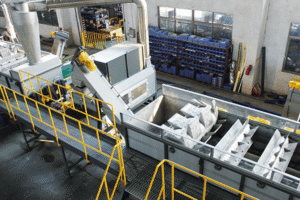
Effective Contaminant Removal
The plastic film washing line successfully eliminates all contaminants from the material which results in output materials that meet advanced recycling requirements.
Increased Recycling Efficiency
The washing line achieves higher recycling rates through its complete cleaning process of plastic films which results in more reusable recycled material and decreased waste production for improved operational productivity.
Cost Reduction
The cleaning process of recycled plastic materials leads to decreased need for processing during later stages which results in both energy savings and reduced resource use, thus decreasing total operational expenses.
Environmental Conservation
The system promotes sustainable development by supporting material reuse and reducing waste sent to landfills which helps achieve environmental sustainability objectives.
Versatility
The systems provide flexible solutions for recycling needs because their design accommodates all plastic film types while supporting both small and large recycling operations.
Environmental Impact of Recycling Plastic Films
The environmental benefits of recycling plastic films include two major outcomes because the process reduces plastic waste and protects environmental resources. The following list contains five major effects which scientists have validated with supporting evidence:
Reduction in Greenhouse Gas Emissions
The process of recycling plastic films decreases the necessity to create new plastic products because new plastic production requires high energy consumption which generates large amounts of greenhouse gases. The research shows that recycling one ton of plastic film produces 1.7 metric tons of CO2 equivalent emissions reduction when compared to producing new plastic materials.
Conservation of Natural Resources
Recycling activities decrease the requirement to extract and process natural resources which include crude oil and natural gas. Recycling one ton of plastic enables people to save 16.3 barrels of oil which shows its value for conserving exclusive natural resources.
Decreased Landfill Dependency
The operation of plastic recycling programs creates more effective waste management methods because they stop plastic materials from reaching landfills which benefits environmental protection. The recycling process of one ton of plastic film creates about 30 cubic yards of landfill space which extends the operational period of current landfill sites.
Reduction in Marine Pollution
The correct recycling method for plastic films prevents their introduction into oceans which would lead to their conversion into microplastics. Research indicates that nearly 8 million metric tons of plastic waste enter the oceans annually, and increasing recycling rates can play a pivotal role in addressing this challenge.
Energy Savings in Manufacturing Processes
The process of recycling plastic requires significantly less energy than the method of producing new plastic from its fundamental components. The research shows that recycling plastic films enables energy savings of up to 66 percent compared to the energy needs for their production.
The recycling process delivers vital benefits that support the development of an environmentally sustainable future.
Cost-Effectiveness of Recycling Washing Lines
Recycling washing lines proves to be cost effective because they reduce the requirement for costly new materials which need expensive extraction and processing operations. The implementation of these systems enables me to achieve three major benefits which include energy efficiency improvements and reduced operational expenses and decreased waste disposal costs. The long-term financial advantages of recycling processes exceed the initial investment because they create an efficient and sustainable production cycle.
Enhancing the Quality of Recycled Plastic
The process of recycling plastic waste needs to improve through three specific steps: first reducing contamination, second establishing better sorting systems, and third implementing modern recycling methods. The organization needs to conduct thorough collection procedures together with cleaning methods that achieve complete material purity before they can begin their operations. The implementation of automated optical sorting systems together with other advanced sorting techniques enables the precise classification of plastics according to their specific material types and manufacturing standards. Chemical recycling methods use the broken-down state of plastics to create base molecules which serve as the foundation for producing superior recycled materials. The organization needs to implement these measures because they will help ensure that their output meets industry standards for both durability and functionality, while also expanding the possible applications of their recycled plastic materials.
Summary of the PE Film Washing Line Process
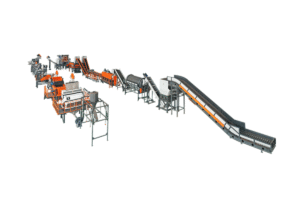
The PE film washing line functions as an all-inclusive mechanical system which processes polyethylene (PE) films through contaminant removal to achieve high-quality recyclable material preparation. The process begins when workers collect plastic films which they proceed to manually separate into different groups based on their recyclable PE materials and their non-recyclable or non-PE items. The separation process receives improvement through advanced machinery which includes conveyor belts and automated sorters to detect impurities based on their density and material composition.
Industrial shredders break down the PE films into smaller pieces after the sorting process. The washing process begins with the treatment of fragments through cold and hot water to remove dirt along with oils and adhesives. The washing stage uses friction washers and floating tanks which effectively remove contaminants that fail to adhere to the PE’s density.
Centrifugal dryers and air-drying systems complete the cleaning process by drying the material while keeping moisture levels below necessary limits for future procedures. The material enters an extrusion phase after drying which produces a uniform form that manufacturers can use.
The streamlined process achieves two objectives by increasing recycled material quality and minimizing environmental harm through better resource management. The latest data shows that ultrasonic washing technologies and enzymatic washing methods have improved washing efficiency and output quality which establishes the PE film washing line as an essential element in combating plastic waste.
Future Trends in Plastic Film Recycling
The plastic film recycling industry is currently adopting artificial intelligence (AI) and machine learning technology to improve their sorting and processing operations. Recycling plants use advanced AI sorting machines that can identify different types of plastic films with high accuracy to improve their operational efficiency. The field of chemical recycling technologies focuses on developing processes that can decompose plastics into their fundamental monomer components. The processes produce recycled materials which meet industrial standards for high-purity materials required in demanding industrial applications.
Closed-loop recycling systems aim to reduce dependence on virgin plastic materials which have become a major trend in the market. Companies are developing innovative solutions which enable multiple recycling processes to maintain material quality. The industry is investigating bio-based additives and coatings which enable simpler recycling processes for multi-layer plastic films. The combination of global policy initiatives that support circular economies and these technological advancements creates solutions for both environmental and economic challenges in plastic film recycling.
Reference Sources
- Plastic Film Washing Lines
The system operation of plastic film washing line machines and their control systems are explained in this document. - Understanding the PP PE Film Washing Line Process
The advanced recycling system for cleaning contaminated plastic films which includes PP and PE materials is demonstrated in this study. - Greenmax Customized PE Film Washing Line
The document presents a complete description of how a PE film washing line operates, starting from the initial feeding stage until the final cleaning process. - Recommend reading: Industrial PE Film Washing Line Complete PP PE Recycling Solutions
Frequently Asked Questions
1. What Is the Fundamental Working Principle of a PE Film Washing Line?
The polyethylene film washing line operates its main washing function through its combination of mechanical and chemical methods which treat waste film material from both industrial and consumer sources. The system processes materials through an initial stage which breaks down materials into smaller pieces that undergo friction and hydraulic movement to remove contaminants through density-based separation of polymers and pollutants before using thermal energy to eliminate moisture. The waste material undergoes a continuous process which converts it into clean dry flakes that can be used for re-extrusion.
2. How Does the Initial Size Reduction Stage Impact the Overall Efficiency of the Line?
A material shredding or crushing process starts the initial stage which prepares materials for effective washing procedures. The process transforms large film bales into smaller flakes which creates maximum surface area exposure because the film material becomes smaller and more identical. The subsequent washing stages which include friction scrubbing and chemical treatment become more effective because increased surface exposure enables better removal of contaminants that stick to surfaces. The system maintains consistent particle dimensions which prevents material blockages while enabling fluid movement through pumps and screws and piping networks.
3. What Is the Role of Friction in the Washing Process?
Friction washers need their high-speed rotating paddles and screws to generate strong mechanical power which operates through a screen basket. The plastic flakes undergo a working process that uses high kinetic forces to create rubbing between the flakes and both the rotor and the screen. The mechanical agitation process uses physical force to separate surface contaminants which include dirt and paper labels and grit from their original material. Water jets dislodge material which gets flushed through the screen mesh while the plastic material moves forward, thus successfully separating solid particles from the polymer stream.
4. How Does the Sink-Float Separation Tank Differentiate Between Materials?
The sink-float tank functions based on the specific gravity measurement which determines material density. Polyethylene (PE) has a density lower than that of water (typically 0.91–0.96 g/cm³), causing it to float. Materials like metals and stones and glass and PET and PVC plastics have densities above 1.0 g/cm³, which causes them to sink. The tank uses a transport system which skims floating polyethylene material from the surface to the next stage through paddle wheels or screws while its bottom section uses screw conveyors to remove all heavy materials which have sunk.
5. Why Is a Hot Washing Stage Necessary, And How Does It Function?
Cold water friction proves ineffective for cleaning film waste that contains oils and greases and strong adhesives. The hot washing stage functions by introducing thermal energy and chemical agents. The tank operates at a specific temperature range of 80-90°C which achieves its goals through an alkali solution (such as caustic soda) or detergents. The environment creates an emulsifying effect which enables fats and oils to dissolve while adhesives lose their chemical bonds for easy removal from the polymer surface. The tank contains agitators which provide complete mixing along with enough time for chemical reactions to develop.
6. How Is Moisture Removed from the Film Flakes Before the Process Concludes?
The drying process operates through two steps which start with mechanical dewatering and finish with thermal drying.
Mechanical Dewatering
A screw press or centrifuge uses centrifugal force or pressure to squeeze out free water, reducing moisture content to approximately 10-15%.
Thermal Drying
The thermal drying process begins when material moves through the system which uses pneumatic pressure to direct material toward hot air pipelines. The principle here is heat transfer; hot air evaporates the remaining surface moisture as the flakes travel through the system. The final process step achieves the required moisture level which needs to be under 3-5% for either stable storage or immediate pelletizing.


Trending now