Get in touch with Kitech Company

PET Bottle Label Remover: Dry vs Wet Methods Compared

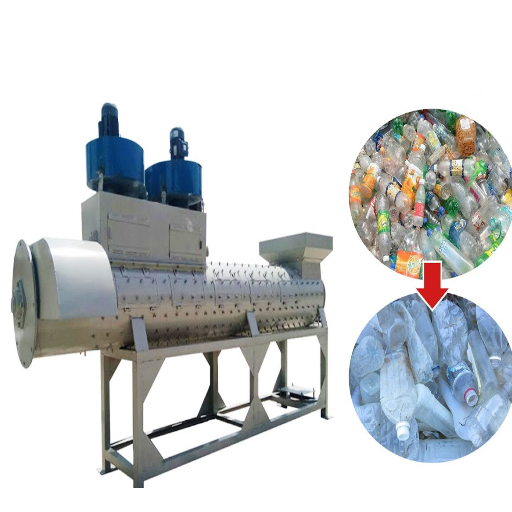
Introduction to PET Bottle Label Removal
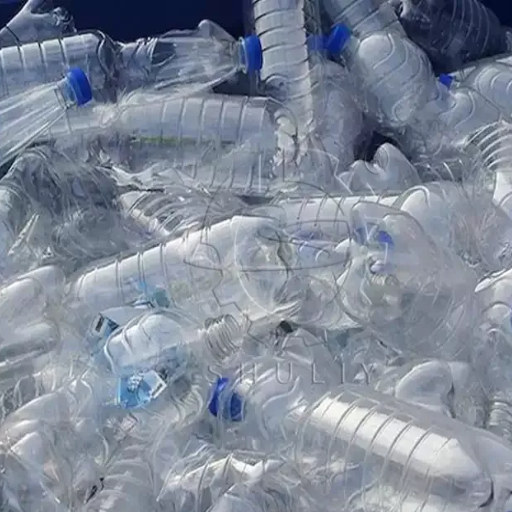
Another reason why PET bottle label removal is so important during recycling is that it allows a higher purity material to be produced following material recovery. The cause labels are removed to stop contamination of the input material during processing because leftover labels or glue residues will affect the recycled PET. In general, mechanics can also be employed to remove labels from bottles by means of agitating them, while chemical methods cater to the dissolution of adhesives and labels themselves. The choice of which method to use is determined by different factors, including adhesion mechanism and label material, as well as overall recycling expectations. The presence of a pet bottle label remover enhances sustainability as well as the effectiveness of PET workflows.
Overview of PET Bottle Recycling and the Importance of Label Removal
Removing labels is a primary concern when elevating the standards of recyclates achieved for waste-PET bottles. They are polymers — including PP, PE, or other types such as paper — and they are stuck with the help of different adhesives. When the labels are not removed efficiently, contamination occurs, making it difficult to obtain rPET in a pure form, thereby compromising the tensile strength of the product as well as the optical properties of see-through products, causing a decrease in the possible applications, primarily food packaging.
Chemical and mechanical approaches are two main industrial techniques for the prominent reduction or elimination of labels. Chemical methods of label removal involve the introduction of adhesive remover solvents, which destroy the glue and leave the PET free of labels and glue. However, this is not good in cases with label residue left by adhesives. Nonetheless, hydrodynamic separation is an emerging technique that promises to improve the efficiency without preparing mixed waste sources that can be contaminative.
In the end, getting a perfect label removal process is an art of maintaining equilibrium among the label materials, the type of adhesives, and the subsequent practical facilitation existing in the recycling plant. Developments in adhesives and label designs, and adherence to novelties such as easily removable adhesives and water-soluble adhesives are some of the factors that will help in solving these problems. It is important to highlight that restoring melted products by suitable cosmetic approaches enhances the environmental efficiency of recycling PET or any other bottles, which is the concern of gathering all recycled plastic bottles for extensive reuse.
Key Challenges in Removing Labels from PET Bottles
The Challenge of Adhesive on the Recycling Processes
A major problem is associated with label removal that arises because of the nature and strength of the adhesive used. Quite several adhesive adheres strongly to the PET surface, and in the process, render plastics unsuitable for recycling. At the cleaning or connection stage, some of the adhesive remains visible, and this contaminates the PET post-consumer flakes or material. In order to overcome this, it is important to apply special-purpose adhesives that are water-dispersible or have low adhesion.
The Suitability of the Label Material to the Process
The type of the label is known to be a crucial determinant of ease of removal during the recycling process. Some of the most common problematic materials include PVC and shrink sleeves. Their density is sometimes more or less than that of PET, making their separation difficult. If they are not removed thoroughly, they end up blending with the PET flakes, hence the final output is impure and impossible to reuse.
Trouble in Sorting and Operating
Often, recycling centers operate within certain constraints, for example, when there are uncontrollable changes in the heating levels, erratic behavior of the washing system, and/or improper sorting. Labels that are not correctly removed can then either break the automatic sorting systems or reduce the effectiveness of subsequent recycling processes by increasing the cost of processing, and less effective separation of resource materials takes place.
Such problems underscore the importance of different industries working together to design an ideal label that can be used with recycling machinery without compromising the concept of a closed loop: waste into resource.
Introduction to Dry and Wet Methods
One can distinguish between dry and wet methods of recycling on the simple grounds that both approaches of recycling result in successful recycling of the materials, although in different ways.
Dry Methods
Dry approaches harness mechanisms and natural variables for the purposes of separation based on density, size, or shape of material types. A few of the operations that fall under dry processing include air classifying, magnetic separation, or vibratory screening. The advantage of such methods is that there is no water consumption, less impact on the environment, and possible cost-cutting in operations. Yet some of these processes can have a drawback of being less effective when there is water and the material tends to be sticky with other particles.
Wet Methods
Wet methods, on the other hand, involve the use of water or liquid-based media for the separation processes. This is done by such methods as flotation, washing, or even hydrodynamic separation. These approaches are needed for washing, delabeling, and dividing fine particles or contaminants that cannot be conveniently done by dry methods. The major disadvantage of these wet processes is their potential to lead to wastage of water and the difficulty of dealing with the wastewater, which has to be treated in order not to contravene the regulations.
Choosing between the two (in this case, dry and wet methods) depends on the material properties, level of processing, and available resources. A highly efficient recycling system is often addressed by synergizing these two approaches, which ensures high rates of recycling without compromising both cost and environmental concerns.
How Dry PET Bottle Label Removal Works
The process streams of a dry pet bottle label remover are mechanical, based on friction, and automated, which does not use water in the separation of the labels attached to the bottles. Most often than not, the bottles are made to enter an introduction into a machine called a dry label separation machine, where they are spun very quickly, thereby causing friction. It is because of this friction that it correctly removes and separates the labels without damages on the PET surface. The labels that are stripped off are usually separated from the ground and collected on different vessels, most times even with the help of air or a vacuum that is incorporated in the system. Importantly, this technique is very effective, and it consumes less water and produces less wastewater, which makes it an eco-friendly form of label removal.
Explanation of the Dry Label Removal Process Using Mechanical Means
Using mechanical equipment for label removal reduces these risks by eradicating the use of water while eliminating the label from the PET plastic. These systems make no use whatsoever of water; there is therefore no generation of wastewater. In addition, mechanical handling of labels, through brushes, spinning blades, or other abrasive tissues, is also an effective way of removing labels, as it creates less risk for contamination. Modern developments, on the other hand, combine air sifting or vacuum collection equipment that separates and collects all with as little material loss as possible and as much productivity. This technique guarantees better quality of the secondary PET and lower energy consumption of dry plastic processing, opposed to the generally used caustic bathroom separation, which makes it very suitable for the recycling business corporations that work with large volumes of waste.
Equipment Typically Used in Dry Label Removal Systems
The dry label removal system relies on the equipment that helps detach labels from the plastic surfaces without disturbing the recyclables. The primary equipment includes:
-
1Separation by Re-Rotating Cylinders with Blades
These contain cylinders with blades and/or paddles for rubbing, unlulling. They have an extremely great removal ability for the users, whereby these are large scale. -
2Air Separators
It is through the air flows that these appliances will get rid of troublesome label vesicles from the PET flakes or bottles. The resulting product will need little manual tampering or increasing of the cleaning process. -
3Cyclonic Separation
Also an air separation system, but it is used to pick up the separated energies and return them into appropriate designated containers without spilling them back in unwanted regions, hence making the flow of the materials very efficient. -
4Friction Separators
In the cleaning process, friction acts as an additional phase in the case of plastics. Friction separators help clean plastics by scraping off any residue of labels using a rotating motion. No water is needed.
Such machines are designed to operate within the industrial recycling lines of high efficiency, allowing a less energy-consuming operation with the production of different categories of materials from highly recycled ones for environmental protection purposes.
Advantages of Dry Methods: Reduced Water Usage and Environmental Impact
In spite of the fact that dry cleaning methods of plastic recycling provide a number of benefits, such as minimizing the amount of water and energy used, there are some drawbacks associated with their use. The techniques, however, may not be able to completely get rid of all the oils, sticky materials, or even mass storage containers that require extraction using water or chemicals. Further, it is worth noting that mechanical actions in the form of user friction and air separation heighten the wear and tear on the equipment, which calls for extra frequent servicing. Dry techniques do not work well with some plastic waste forms, especially the post-consumer plastic waste, which is contaminated beyond recovery using dry cleaning, and wet cleaning still proves to be better at achieving quality recovery of materials. It would be necessary to use both types of cleaning processes in some situations because of the issue with such a specific spot.
Understanding Wet PET Bottle Label Removal
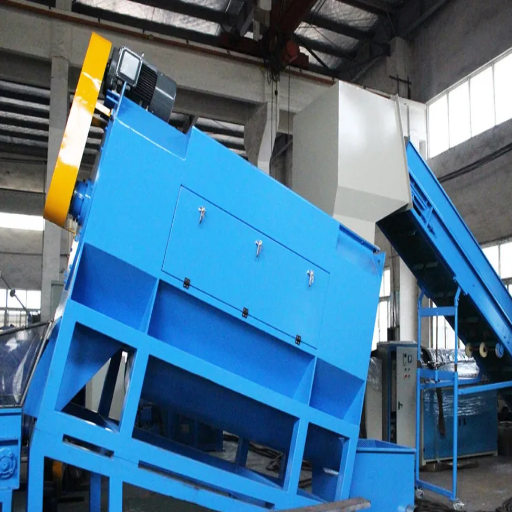
The delabeling of PET bottles can be conducted in wet conditions, which involve the use of water in order to remove the labels from the bottles with methods such as soaking, agitation, and high-pressure sprays, amongst others. The benefit of this method is that it can deal with a range of contamination that includes the stickiness from adhesives and the closeness of some labels, thus resulting in a cleaner material. Water facilitates the cleaning, for it also acts as a lubricant and therefore decreases the abrasiveness of the processing machines.
However, this approach still has several issues of concern that need addressing. For instance, quite a lot of water might be used in this process, hence the system might need to treat the waste. Such elements can increase costs and environmental impact. Furthermore, wet methods might not be appropriate if the label’s material or the adhesive used is too resistant to soaking. Hence, additional processes might have to be applied. Therefore, a ‘wet’ version of the pet bottle label remover may be practical, but should be optimized properly to avoid issues such as inefficiency, costly environmental pollution, etc.
Overview of Wet Label Removal Using Water and Chemical Solutions
Wet label removal techniques typically involve a mixture of water soaking and well-developed chemicals to remove labels from PET bottle surfaces. The process starts with placing the bottles in warm or hot water baths that cause adhesive swelling and label peeling off. Detergents and/or alkaline products are used for an even faster process of breaking down strong glue bonds, a process that is usually followed by dissolution of the label.
Key Process Conditions
🌡️
Water Temperature
Higher = faster bond disruption
⚗️
pH Level
Alkaline = more effective removal
⏱️
Soak Time
Adjusted per label type
🏷️
Label Type
Laminates & adhesive chemistry vary
These changes depend on several key conditions, including water mix temperature and pH, soak time, and the specific labels being used. As expected, higher temperatures and alkaline environments worked faster in disrupting these bonds. But any of the other parameters, such as the type of label laminates, adhesive chemistry, the geometry of the bottle’s surface, and the treatment, adjusted accordingly, must also not be overlooked.
The only disadvantage of this process, effective as it may be, is that it causes the generation of wastewater that has dissolved label particles, adhesive and chemical residues, and more and stricter water treatment requirements due to governmental regulations. These effects have been incorporated in the ongoing research, which is aimed at improving the process parameters with the objective of reducing the consumption of chemicals while enhancing the recyclability of the treated water, as well as the environmental friendliness of the process without reducing the efficiency of the process.
Equipment Involved in Wet Processes: Friction Washers
It would be remiss not to include the benefits of friction washers when discussing wet processing operations since friction washers are an effective tool for cleaning and contaminant removal of plastic materials, such as flakes. Friction washers use blades that rotate very swiftly, and they make a lot of turbulence that offers a very good cleaning action by removing sticky types of contamination such as glue, soil, and even organic leftovers. In the presence of water, it enhances cleaning efficiency as it lubricates the process whilst enhancing the removal of different particles.
Contemporary versions of friction washers are made using sturdier, anti-corrosive materials and usually have provisions for speed adjustment depending on the contamination levels and the kind of materials being washed. Other considerations include the possibility of having a water filtration system integrated into such equipment so that the rate of water usage is quite low and optimally sustainable for the operations. What’s more, vibration and disposal devices help in the proper separation of cleaned materials from waste, making the downstream process much easier. All these techniques and measures make friction washers apportion the function of washing without compromising high cleanliness and, indeed, wet recycling system efficiency.
Key Benefits of the Wet Method: Higher Label Detachment Efficiency
The wet approach is additionally superior in removing contaminants due to the added water that helps in dislodging the dirt, glue, and several other substances that remain attached to the materials. Such a configuration that utilizes water flows and mechanical action guarantees cleanliness, meeting the standards set for the purity of recyclates. Added to that, the pronounced cleaning efficacy afforded by the wet method means that there is reduced necessity for pre-sorting and, in turn, saves on labor and operation costs. This is very useful in recycling systems where the input streams are quite contaminated or very much blended. Due to these advantages, optimized material recovery is possible even with the more stringent environmental and industrial requirements in place.
Comparing the Efficiency of Dry and Wet Methods

Utilizing mechanical equipment and air flow, the dry approach is able to separate materials without the need for considerable energy or time. However, it is most effective in handling sorted and clean materials, as larger and more complex items that contain a mix of materials require extensive pre-sorting. Dry methods do not achieve clean cuts as opposed to the wet separation method.
On the other hand, the wet method employs wash and separation with water upon contact, which offers such a benefit in treating dirty or combined streams without the need for a significant extent of pretreatment. It requires greater water and energy consumption, but this wet method strives for advanced cleaning and maximized levels of recovery, meaning it is practiced by many industries whose processes and containment strictly require clean material to be used. Using one method over the other always comes down to what type of materials are being processed, operational challenges, and expectations of the quality of the final product.
Factors Influencing Efficiency: Bottle Material Types and Adhesive Strength
There are numerous factors affecting bottle recycling efficiency. One, the specifics of the bottles, such as their material make-up. Different types of polymer bottles, like PET, HDPE, or even PVC, among others, would require different methods and temperature values during their recycling process. Whilst other components can possibly be handled, adhesion from the labels can be a very significant matter. This is because a strong or dry adhesive that is not water-soluble may turn out to be so challenging to remove the label and the PET Bottle, label remover machine. Therefore, due to mixed materials, including metallic caps, multilayered walls, and a few non-recyclables, the effectiveness of the sorting and proper processing. In the recycling process, these factors and the operational smart cleaner, screener, or more bins, revolutionizing recycling of clean storage systems for the materials used, determine the quality and cost of recycling.
Time, Cost Implications, and Waste Generated
It’s important to understand the related time and cost issues in practice in view of such objectives when material sorting, transportation, and processing are required during recycling. Sorting usually extends the processing period as well as the labor costs if done manually; on the other hand, methods that minimize processing time demand higher capital costs as their equipment is more costly to obtain and run. In terms of logistics, the greater the distance that must be traveled to a specified treatment facility or landfill, the higher the costs incurred, particularly if it involves heavy or cargo loads. More importantly, a significant problem in introducing recycling into practice also comes from the fact that some results in rejection, and some percentages of the material in the stream cannot be recycled. One of the biggest advantages of recycling is that the waste collected in the process does not all end up in landfills; however, this is not the case with contamination. There should be a balance between these factors in achieving sustainable recycling at the level of economics.
Case Studies and Data Evaluating Removal Rates
92%
Plastic removal rate by AI-powered optical sorters
(Ellen MacArthur Foundation)
(Ellen MacArthur Foundation)
80%
Contaminating materials disposed of in sorted facilities
(EPA Research)
(EPA Research)
40%
Reduction in contaminated waste via proper public labeling
(Community Recycling Study)
(Community Recycling Study)
An examination of removal percentages in waste recycling systems shows a significant experiment around material type, degree of contamination, and level of technology. This is the case with the study undertaken by the Ellen MacArthur Foundation, where optical sorters powered primarily by artificial intelligence achieved an up to 92% removal of plastics in properly managed conditions. Similarly, research done by the Environmental Protection Agency (EPA) supported that sorted recycling facilities on average disposed of approximately 80% of the contaminating materials, except for the managed problem of non-recyclable materials, such as food-contaminated containers, which lowered removal efficiency overall. These heavy-duty junk removers would be significantly improved in a pet bottle label remover as well as hair-scraping solutions, such as paint scrappers since such double-function solutions would potentially hold an addictive effect on the market.
In furtherance of this argument is another study on recycling, which analyzed communities and concluded that information provision and proper labeling aid in household participation and helped enhance the reduction of contaminated waste by as much as forty percent. Therefore, these results emphasize the need for enhanced technological solutions and public engagement so as to achieve better waste management through increased recycling as well as reduced remnants to landfill.
Dry vs. Wet Label Removal: At-a-Glance Comparison
Environmental Impact of Dry vs. Wet Methods

The process of dry or wet methods impacts the environment in terms of resources, energy use, and waste management. In places where water is scarce, dry methods are preferable because such processes tend to use less of it. Nevertheless, dry methods tend to promote the emission of airborne particulates, which, without proper control, cause air pollution. Meanwhile, wet methods are commonly employed owing to their ability to suppress dust and separate materials more precisely, although their use is sometimes restricted by the need for large volumes of water, which may present problems with wastewater treatment and additions of pollutants where there is no adequate system for water reuse. Operative efficiency and environmentally sound practice have to be intertwined in both methods, where technology improvement and environmental considerations are critical in reducing the respective impacts of such methods on the environment.
Analysis of Water Usage and Wastewater Management in Wet Processes
Industrial environments that make use of wet processes consume huge volumes of water for the performance of various material processing activities, including but not limited to separation, dust management, and cooling. Most authors explain that it is only feasible to engage within the context of these processes taking place once actual water use rates are scrutinized and managed because they exceed the levels considered safe. Most approaches to efficient use of water focus on creating closed systems and the reuse of water to minimize the use of and degradation of the water resources.
Managing wastewater remains a key problem, as there is a possibility to pollute them with heavy metals, oils, and other hazardous substances. To achieve these strict standards, it is imperative that excellent systems of wastewater treatment, such as sedimentation, filtration, and chemical neutralization, among other measures, are implemented. To boost efficiency and sustainability, more advanced strategies are now being implemented thanks to the use of techniques such as membrane filtration and biological treatment.
In general, aimed at such self-limiting policies, industries should also employ resource-efficient technologies and practices in order to reduce water consumption while observing existing wastewater pollution standards.
Energy Consumption in Dry Processes and the Outlook on Carbon Footprint
The production methods that use little water and require less heat than the ones that do use water are normally dry, and are thus viewed as more efficient in the use of energy compared to their counterparts, which are the wet processes. Cutting down on energy use for these functions will include the use of effective and well-programmed attributes of the machine and the use of alternative energy sources as appropriate. The other very important aspect is that the low emission techniques have to be arrived at and put in place in order to reduce the carbon emissions of such activities. Energy-efficient constructions and sustainable practices are used in dry processes, which are quite efficient in minimizing the environmental burden that they create.
Sustainable Practices and Future Innovations for Minimizing Environmental Effects
Industries must take into consideration the environment in every aspect of their operations so that adverse effects on the environment can be minimized. Among the most important measures are strategies on energy and its use, i.e., monitoring systems to enhance energy use, waste minimization through circular economies, and most critically, resource-consuming technologies, for example, closed cycle recycling and water-efficient measures. Using renewable energy systems such as wind, solar, or bio-energy reduces not only dependency on non-renewable resources but also controls greenhouse emissions into the atmosphere. Some relatively sophisticated methods involve more than a pet bottle label remover machine; people need even scales and thermometers.
🤖
AI Technologies
Predicted to ensure energy efficiency and predictive maintenance services, limiting the chances of damage occurring.
💨
Carbon Capture
Carbon capture and storage will enable carbon to be removed from the point of emission from the surrounding environment.
🧪
Green Chemistry
A relatively new concept allowing the synthesis of products with limited release of harmful chemical products.
☀️
Renewable Energy
Wind, solar, or bio-energy reduces dependency on non-renewable resources and controls greenhouse emissions.
It will also aim to marry the mentioned transformations and more restrictive institutional constraints alongside industry support, so as to contribute largely to ecological damage minimization for industries, thereby creating a conducive future for industries.
Conclusion
Whether you are an industrial recycler, environmentalist, or just an individual fascinated by how PET bottles are recycled, the exploration above provides every detail necessary to help you appreciate each of these processes. Both dry and wet label removal methods have their rightful place in the recycling ecosystem — the optimal choice depends on the input stream quality, available infrastructure, environmental constraints, and long-term cost considerations.
A highly efficient recycling system is often addressed by synergizing these two approaches, which ensures high rates of recycling without compromising both cost and environmental concerns. As technology continues to advance — from AI-powered sorters achieving 92% removal rates to green chemistry innovations — the future of PET bottle recycling looks increasingly clean, circular, and sustainable.
Reference Sources
Quantifying Delabelling Performance Using Sensor-Based Material Flow Monitoring
Key Findings: This study focused on the performance of a label remover for full-sleeve PET bottles, achieving an 80% delabelling rate. The research highlighted the importance of sensor-based monitoring for optimizing material flow and improving delabelling outcomes.
The Consumption and Recycling Collection System of PET Bottles: A Case Study of Beijing, China
Key Findings: This study analyzed the PET bottle recycling system in Beijing, revealing that 90% of post-consumer PET bottles were collected by informal sectors. It emphasized the need for integrating informal and formal recycling systems to improve efficiency and reduce environmental impact.
Frequently Asked Questions (FAQs)
How would you define the pet bottle label remover and explain its functions?
Likewise, a pet bottle label remover is commonly referred to as a label trimmer, delabeller, or bottle delabeller as well. This is especially because it is used as a recycling apparatus and thus rids any plastic container of the labels or anchorages. This principle is generally a marriage between a mechanical part (often shredders, serrated knives or blades, and crushers) and a friction washing or any pneumatic protrusion in the vicinity of the particular label to remove the label and split its design from its bottle component. In some methods, blades are usually closely followed by a stripper or a label blower to make sure that severed labels are removed and tossed out towards a separate conveyor while the PET plastic goes to the cleaning line.
Is a pet bottle label remover designed to remove PVC or other kinds of labels.
It is true that a huge number of plastic bottle label remover gadgets are adaptable to peel off various types of material coverings, be it PVC or paper-based labels. Proper tuning of the label removal unit, including the knife figure, air pressure inside two cavities around a label orifice, enables the process of label separation without inflicting any harm on the accommodating bottle. After label removal, a separator or label blower helps ensure label material is separated from the plastic bottle stream so waste PET and PVC are discharged separately for proper waste recycling.
How important is the shredding or crushing stage in the process of a labeling machine process for bottles?
Before the actual washing or cleaning step, shredders and crushers are normally applied to reduce the burnt bottles to more easily manageable sizes, flakes especially. A bottle crusher shredder example crushes bottles into small pieces, which can be fed into the washing/recycling machine for further cleaning purposes. After being crushed and cleaned, the resulting material consists of clean flakes (pet flakes), which are free from any labels and ready to be recycled into other plastic materials or machinery.
What are the maintenance techniques and safety measures of a pet bottle label remover machine?
The cutting blades, welds, seals, and pneumatic systems are to be inspected periodically with their maintenance, also all knives are to be kept ready for the job, and the outlets of fans, separators, and discharge conveyors are to be free from label contamination. Enclose all crushers and shredders for safety. Perform lockout/tagout when necessary for servicing. Provide training to operators that manual removal of labels from moving equipment parts is not permitted. Maintenance levels out decentralized collectors, promotes recycling machine efficiency, and increases the longevity of recycling machinery.
Is it possible to replace the manual peeling of the labels on plastic bottles with a lettered pet bottle label remover?
In the majority of the recycling operations for medium and large Volume PET bottles, relatively more efficient methods, such as PET bottle label remover and or machine removal of bottle cases, are completed in place of applying manual work. In some circumstances of scale, so-called harsh items may be subject to manual removal for removal, such as one-to-one mixed waste sub-assemblies but in many cases automation of the machine implemented label removers and washing machines, crushers, shredders more than enable label removers on the pet-water bottles actually, loopholes make labels out from the plastic bottles that reduced labour cost and optimizes production capacity of the pet recycling and plastic recycling companies.


Trending now