Get in touch with Kitech Company

Energy Efficiency in Plastic Recycling Lines: Strategies for Recycling Plastic to Save Energy

Energy Efficiency in Plastic Recycling Lines: Complete Optimization Guide
Advanced Technologies, Practical Solutions, and Best Practices for Sustainable Operations
The process of plastic recycling exists as a vital system that protects the environment while recovering valuable resources but its recycling method requires excessive energy use which results in major challenges. Industries require new energy-efficient recycling methods because they want to combine sustainable practices with their operational needs. The article presents modern methods and approaches which aim to improve plastic recycling line energy use efficiency. The article will reveal essential practices which achieve two goals: they decrease energy use and they create environmental benefits through sustainable development.
The Importance of Energy Efficiency in Plastic Recycling
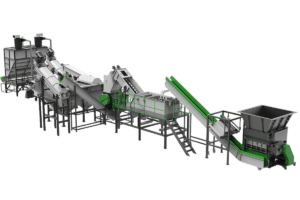
The process of plastic recycling needs to operate with energy efficiency because it must accomplish two objectives which aim to decrease operational costs and protect the environment. Recycling facilities which optimize their energy consumption will achieve two benefits which include reduced greenhouse gas emissions and decreased operational needs for non-renewable energy sources. Facilities reach sustainable operations through successful energy management which uses advanced technologies that contain energy-saving motors and thermal recovery systems. The circular economy system needs energy waste to decrease because this process which leads to resource reuse will not damage the environment.
Understanding Energy Consumption in the Recycling Process
The recycling process requires energy to power its mechanical and chemical systems which sort materials and clean materials and perform material reuse operations. The process requires enormous energy for its shredding and melting and reformation activities which particularly affect metal and plastic materials. The efficiency of these stages depends on both the material type and the technology that is being used. Organizations can reduce their total energy use through advanced systems which combine modern sorting technologies with optimized machinery.
Recycling facilities can achieve substantial environmental protection through operational efficiency improvements which enable them to meet production requirements by using renewable energy sources. Recent research findings indicate that material production and processing activities generate approximately 50 percent of global carbon emissions. The various industrial sectors which adopt energy-saving technologies will achieve substantial emission reductions together with improved resource management.
How Energy Efficiency Contributes to a Circular Economy
The circular economy requires organizations to implement energy-efficient solutions which decrease their energy consumption needs and resource requirements while maintaining environmentally friendly production methods. The industrial facilities create energy savings when they combine high-efficiency motors with advanced insulation systems and energy recovery methods throughout their production processes.
The practice of energy efficiency extends the usable lifespan of both materials and products. Recycling facilities that use energy-efficient recycling technologies create better material recovery conditions because they need less new resource extraction. The adoption of energy-efficient systems leads industries to save operational expenses while they work to achieve their circular economy objectives through decreased greenhouse gas emissions. Energy efficiency functions as an environmental protection mechanism which provides economic stability to support worldwide sustainable development efforts.
Innovative Technologies Improving Energy Usage in Recycling
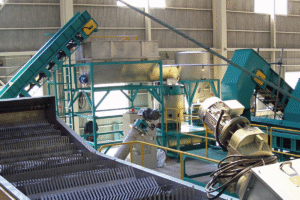
Advanced Sorting Systems
The combination of Artificial Intelligence (AI) technology with machine vision technology enables material sorting systems to achieve both faster and more precise results which need less energy than traditional sorting systems. The system requires less energy to separate recyclable materials because it achieves better performance than existing extraction methods.
Energy-Efficient Shredding Equipment
Modern shredding technology advancements enable machines to operate at lower energy consumption rates while delivering optimal performance for material destruction which includes metals and plastics and paper products.
Chemical Recycling Processes
The process of chemical recycling enables material disassembly into basic elements that can be reused while mechanical recycling fails to process certain products. The current advancements in this field have developed energy-efficient systems which enable practical operation at industrial production levels.
Heat Recovery Systems
Recycling facilities use heat recovery systems to capture thermal energy which they reuse thus decreasing their total energy consumption.
Solar-Powered Recycling Plants
Recycling facilities now use solar power together with other renewable energy sources which enables them to decrease their reliance on traditional energy systems while achieving lower carbon emissions.
Overview of Advanced Recycling Technologies
The advanced recycling systems contribute to the amelioration of the waste management and treatment systems in that they introduce new, more effective, and enhanced waste treatment methods. The most significant achievements were made possible by three such technologies:
Chemical Recycling
This technology reconverts plastics and other materials into their raw components making it possible to manufacture high quality recycled items. Such plastic recycling techniques are most efficient with materials that are not suitable for mechanical recycling processes.
AI-Based Waste Sorting Systems
The waste sorting incorporates artificial intelligence in order to better enhance the identification of the waste materials as well as the separation of them. This increases the quality of recovered materials and lowers contamination.
Biological Recycling
This method exploits the application of bacteria or enzymes, such that organic materials and their synthetic analogues are digested into recyclable materials for proper management of selected types of waste without harming the environment.
Case Studies on Successful Implementations
Zero Waste Management Plan – San Francisco
San Francisco in the state of California is a role model among cities globally in waste management given the aim of achieving zero waste. Through the enforcement of education for everyone on proper households’ segregation of wastes the rate of landfill waste was stopped at 80% of all wastes disposed of. This concerned raising self-awareness, infrastructure developments, and latest waste segregation equipment introductions.
Stockholm Energy From Waste System
Sweden is a distinguished country with regards to waste to energy (WTE) projects implementation. The country treats wastes producing energy worth 800 to 1,000 hospitals’ energy production with residual trash to avoid landfill. The system is so efficient that even without landfilling, it contributes to the energy security and environmental sustainability policies of the Swedish government.
Tuas Nexus Integration Plant – Singapore
The innovative Tuas Nexus facility in Singapore addresses waste treatment and water processing technologies by combining them in one building. While traditional approaches aim at eliminating wastes, this one transforms waste into usable products, such as energy from incineration and reusable water. The operation combines collection, disposal, and treatment into one integrated system.
Cost Benefits of Energy-Efficient Recycling Facilities
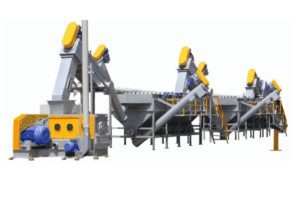
Energy-efficient recycling plants create a lot of economic benefits because they allow lower levels of energy input into the system. Within such recycling premises energy requirements used for several processes are reduced through automation and heat recovery measures and hence reduce utility costs and result in massive savings even in the long run. Furthermore, this elevation in performance usually results in higher yields of recovered materials and therefore better utilization of the recyclables recovered.
Calculating Energy Savings for Recycling Operations
The energy savings potential in recycling activities can be determined by looking at energy inputs per ton that is processed, primary energy usage and extent of improved equipment or process. You must first evaluate the amount of energy consumed by the facility within a given timeframe as well as determine the areas in the system that lack efficiency. Such information is then compared with the benchmarks whether from the sector or historical performance.
Systems are used to track the energy trends before and after the introduction of energy saving measures. The savings are considered as the difference between the initial and the improved energy use. The inclusion of such techniques as renewable energy or energy recovery further reduces energy demands. Regular appraisal of the practices will enable firms to manage the energy saving programme and attain improved efficiency in operations.
Financial Incentives for Implementing Energy-Efficient Solutions
A large number of financial incentives are available for carrying out energy-efficient activities. These include tax credits, bonuses, and state or federal government utility rebates. Some of these include federal tax deductions for fitting commercial buildings with energy efficient or green building features. In addition, savings from utility companies also include rebates for new equipment such as energy efficient systems and efficient lighting.
Practical Tips for Optimizing Energy Consumption in Recycling
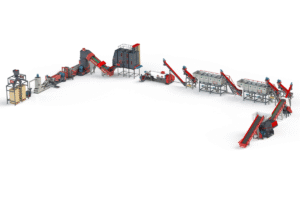
Acquire Energy-Efficient Equipment
Embrace systems that are high-capacity yet less wasteful in terms of the amount of energy used. Upgrading old equipment will aid greatly in easing the amount of electricity used in carrying out such activities as sorting, shredding, or at any stage of processing.
Establish Maintenance Schedules
Organize and facilitate routine maintenance on recycling equipment to obtain near-perfect functioning efficiency. Broken down and unserviced equipment uses a lot more energy and this increases operating expenses and performance downtimes.
Apply Smart Management Systems
Control systems that use sensors and adjustable mechanisms can contribute significantly to energy-saving in operations that require a lot of power.
Maximize Process Efficiency
Simplify the recycling operations so that unnecessary steps don’t occur. For instance, collecting together the waste loads for collection cuts down on transportation costs.
Use Alternative Energy Sources
Renewable energy can power recycling plants, for instance, wind turbines or solar panels. This may reduce the dependence on fossil fuels and carbon emissions from operation.
Strategies for Enhancing Recycling Plastic Efficiency
Five Key Enhancement Strategies
- Install Advanced Sorting Equipment: Incorporating sophisticated systems, particularly those that make use of Artificial Intelligence (AI) or optical scanners, ensures that there is a clear separation in the various categories of plastics. Near Infrared (NIR) identification, for example, is able to differentiate PET bottles from HDPE containers, thus allowing a more accurate sorting system to be implemented at 98 percent accuracy.
- Support Chemical Recycling: The application of efficient techniques of chemical recycling, for instance pyrolysis or depolymerization allows the existing state of plastics to be reduced to molecules or oils. Materials regarded as being unmanageable in terms of mechanical recycling are transformed by this process into materials that are more usable, hence drastically improving the recycling rate.
- Organize Infrastructure for Compostable Plastics: Setting up dedicated facilities for biodegradable and compostable plastics helps in ensuring that they will undergo proper handling and never be contaminated so as to avoid polluting the conventional recycle stream. This move promotes available options within plastics in an environmentally friendly manner.
- Streamline Plastic Collection Frameworks: Steps like color coding bins for different plastics help reduce the extra sorting of plastics from one source to another. An organized system of collection which studies show can increase recycling by more than a fifth minimizes processing costs at the final stage.
- Allocate Funds for Education Programs: By teaching consumers what items can be recycled and the means of doing so, the index of rejects in the recycling systems will be decreased. Activities that explain the meaning of recycling codes and the necessity of washing plastic items improve the quality of recycled materials.
Best Practices for Reducing Energy Waste in Facilities
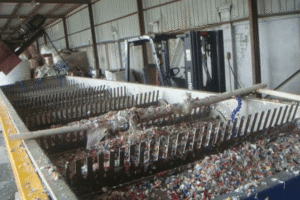
1. Use Energy-Efficient Lighting Equipment
Substituting conventional bulbs with LED illuminants has been known to cut down power needs by as much as 75 percent. Further reduction comes from motion-switched types that are best placed in non-used corridors and rooms.
2. Perform Energy Audits
Analysis helps in knowing what works as expected, what needs improvement and what can be developed. A number of facilities have reported that after carrying out annual energy audits, improved systems enhanced operations and reduced cost of operating by 10-15 percent.
3. Optimize HVAC Systems
Commercial premises use close to 40% of usable energy on heating, cooling and ventilating the air utilized in the building. Replacing central heating systems with programmable units or maintaining heating equipment can show savings as high as 30% energy consumption.
4. Implement Building Automation Systems
It is possible to monitor all the systems of a building, such as lights, heating, air conditioning, and security systems through advanced BAS. Building automation systems can result in an energy saving of up to 20 percent by ensuring optimal performance and tailoring energy usage as per actual requirements.
5. Use Low Energy Consumption Equipment
Replacement of existing machines with efficient ones bearing certification such as ENERGY STAR can result in significant optimal energy consumption. High efficiency motors and pumps reduce energy consumption by 20-30% during operation.
Future Trends and Opportunities in Energy-Efficient Recycling
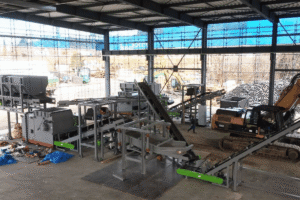
A key focus for the usage of energy efficiency in plastic recycling lines from now on will be AI and machine learning advancements within machines to improve sorting accuracy and processing plastic waste efficiency. Such technologies incorporate little human intervention in the processes, therefore reducing the energy consumption and mistakes associated with human factor to ensure maximum material recovery. Moreover, recycling facilities that utilize renewable energies from sources like solar and wind energy are on the rise which reduces the environmental impact of the recycling process.
There are great opportunities in development of closed-loop sourcing systems as well which involve generation of new and quality products from waste without adding any fresh material. An advantage of this type of waste recycling systems is that they reduce the energy consumption levels of the process besides responding to consumer and regulatory demands for sustainable approaches. Chemical recycling is one of the innovative methods which deal with materials that could not be recycled in the past and as such recycling broadens up the steps available with no compromise in terms of efficiency.
Frequently Asked Questions
1. What Are the Primary Areas of Energy Consumption in a Plastic Recycling Line?
Plastic recycling processes use energy during three key operational phases which include size reduction and thermal processing and drying operations. The majority of energy consumption occurs during extrusion and pelletizing because these processes require substantial energy to transform polymer into liquid form while operating the screw mechanism. The second most energy-demanding operation requires substantial torque to disassemble solid waste through size reduction which includes shredding and granulating. Drying systems operate as the primary energy demand because thermal dryers power washing lines.
2. How Does the Choice of Motor Technology Impact Overall Line Efficiency?
The implementation of high-efficiency motor systems which include IE3 and IE4 standard induction motors and permanent magnet synchronous motors results in major energy savings for organizations. The most substantial effects result from Variable Frequency Drive (VFD) integration into systems. VFDs permit motors to function at specific speeds which match the process requirements of the load. VFDs enable shredders and conveyor belts to operate at 20% to 50% energy savings while decreasing equipment mechanical stress during variable load conditions.
3. What Role Does Thermal Insulation Play in Extrusion Efficiency?
The extrusion process experiences major heat energy loss to outside surrounding areas through its barrel walls. The installation of high-grade thermal insulation covers on barrel heater bands represents an effective efficiency measure which requires minimal effort to execute. The covers decrease radiant heat loss which enables heaters to maintain setpoint temperature with reduced operational frequency. The system reduces electrical usage on heating zones between 15% and 25% while creating safer working conditions through decreased machine proximity temperatures.
4. Can Process Optimization in the Washing Stage Reduce Energy Costs?
The mechanical dewatering stage requires optimization because it serves as the essential component which helps reduce the thermal energy load that follows. Mechanical drying (using centrifugal force) achieves better energy performance when compared to thermal drying (which uses hot air). Proper maintenance and paddle adjustment of friction washers and centrifugal dryers enable operators to boost operational performance which results in decreased moisture levels before material enters the thermal drying process. The process of extracting water through mechanical methods consumes only a small portion of the energy which thermal evaporation requires.
5. How Do Smart Control Systems Contribute to Energy Savings?
Contemporary recycling operations use Programmable Logic Controllers (PLCs) which include automated load management functions. The systems utilize real-time data tracking for performance optimization purposes. A smart control system automatically adjusts the extruder speed when the feed hopper reaches low levels, which prevents the machine from operating without material. The system synchronizes shredder and conveyor speeds to maintain consistent material flow while preventing power spikes caused by overfeeding or jamming.
6. What Is the Impact of Screw Design on Energy Efficiency?
The specific energy consumption (SEC) of a process depends on the extruder screw geometry which determines how much energy needs to be consumed. An optimized screw design enables effective melting operations at lower temperatures through maximum shear heat creation which keeps the motor within operational limits. A general-purpose screw used for PET material requires more motor power because of its poor matching with material type which causes the machine to consume more energy for each kilogram produced.
Reference Sources
- •Our Power, Our Planet: How Plastic Recycling Drives Clean Energy – The study demonstrates that using recycled materials leads to greater energy conservation when compared to using virgin resin.
- •Energy Saving Tips for Plastic Pelletizing Systems – The guide delivers usable methods to cut energy consumption in plastic pelletizing equipment which can achieve energy savings between 20 percent and 40 percent.
- •Recycling Plant Manufacturing: How to Reduce and Optimize Production Costs – The report explains methods that organizations can use to enhance their operational performance while decreasing both energy use and manufacturing expenses.
- Recommend reading: PP Woven Bag Recycling Line from a Leading China Manufacturer