Get in touch with Kitech Company

Types of Agricultural Film Recycling Lines


Managing the plastic waste inherent to agricultural practices is now incomplete without introducing the recycling of agricultural films as a solution. The level of plastic waste in the industry is exacerbated by the massively adopted practices of plastic films for forms of farming, such as mulching, silage wrapping, or greenhouse covering. By Desrose, these mean recycling of most films becomes not only reducing pollutants of the environment but also reclaiming resources from it and rekindling sustainability. This article aims to give an overview of different types of agricultural film recycling lines in detail, including their mechanics and the most recent developments, as well as how such lines help advance the recycling work effectively in strategic terms. The information is quite diverse and meant to capture the attention of industry professionals and consumers eager to save the environment.
Introduction to Agricultural Film Recycling
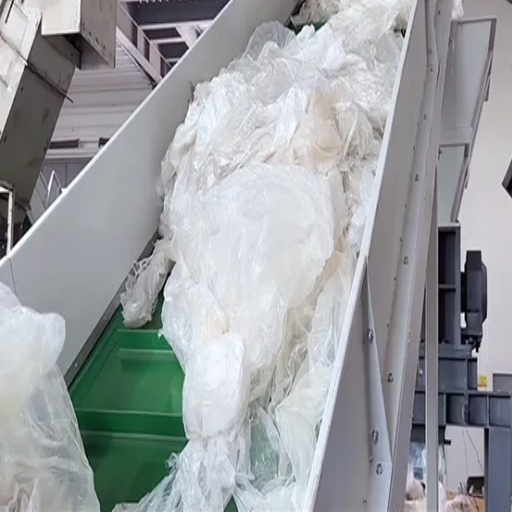
Recycling of Agricultural film concerns the gathering, purification, and recovery of plastic films that are usually utilized in farms, e.g., greenhouse films, polyethylene mulch films, and bale wraps. Most of the time, these films are contaminated with soil, crop residues, or even other substances, thus posing specific issues in the process of recycling. However, with the use of special recycling lines that comprise wash, shred, and pelletize technologies, these materials can easily be converted back to plastic in the form of granules that are ready for use. These interventions reduce the extent of effects caused by plastics and provide cheaper options for the industrials. There are several aspects that have to be studied before adopting any recycling system to ensure that it will serve its purpose and be cost-effective, including but not limited to the degree of contamination, kinds of material, and the capacity of the recycling system.
The Environmental Challenges Posed by Agricultural Plastic Waste
Plastic films are increasingly used in agriculture—not only for irrigation, mulching, silage, or greenhouse covering—but also for other purposes. A sharp increase in the utilization of such plastic films is witnessed in the agriculture umbrella, and primarily due to inappropriate organizational tools in the ways plastics are disposed off there’s a lot of environmental impacts associated. Containerized meals, weapons, amongst others, constitute another post-use of polystyrene associates. Chemicals used in the firm are piped within the walls, and food waste is also reinterred in the ground after the ceremony, hence leading to such complex eco-disruptions. In addition, exposure to daylight, in particular, the ultraviolet rays, and Mechanochemical stress leads to breaks in the polymer surface structure but not in the molecular structure. This is considered another serious concern given the low rate of recycling of such materials. One reason why this happens is that they are filled with soil, organic matter, and chemicals that render a simple cleaning process very difficult; therefore, landfilling, burning, and other disposal methods are highly embraced. These methods, however, contribute to greenhouse gases and pollution, which necessitate the urgent need for methods that would be sustainable and effective in dealing with the impact of such types of agricultural film recycling lines as there already are nowadays.
Importance of Implementing Sustainable Recycling Methods
Proper management of agricultural plastic waste by implementing efficient recycling strategies is critical in reducing its negative effects on the environment and in fostering the need for a waste economy, which is one of the goals to achieve practically zero waste. This is not surprising because the degree of pollution in much of the agricultural plastics is very high, with mud, chemical indicators, and other organic residues regularly present. Modern mechanical and chemical reprocessing systems are capable of overcoming such issues since they clean and recycle hazardous wastes, which is another benefit brought about by these systems. Besides, the establishment of local recycling centers and promoting bio-based substitutes could eliminate much of the need for existing plastics. These methods can help to lower the amount of waste in landfills, reduce carbon dioxide and its equivalent emissions, and help nature conserve its resources, therefore promoting sustainable agriculture.
Overview of Agricultural Films and Their Widespread Usage
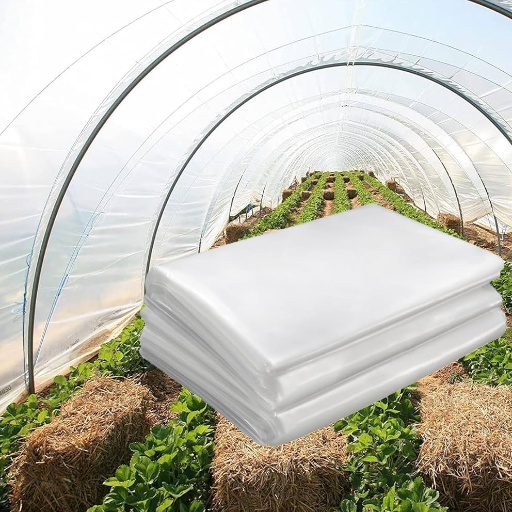
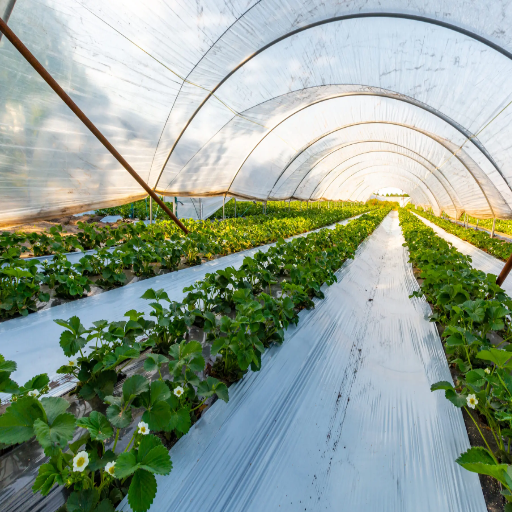
Agricultural films are extensively used plastic materials specially made for use in farming and horticulture with the aim of increasing agricultural production, improving growth conditions, and enhancing efficient utilization of resources. They are mostly produced from polyethylene (PE), ethylene-vinyl acetate (EVA), or polyvinyl chloride (PVC) since these plastics tend to be molded into various shapes based on the confined space for agricultural purposes. Under this category, there are applications such as greenhouse film, mulch film, bale stretch film, tunnel film, etc., each of which benefits producers by regulating temperature, conserving water, and keeping away pests as well as UV rays.
As the need to satisfy the food production augment and the need for proper solutions for the various issues that arise from land shortage, climate variances, and soil issues, the demand for the use of agricultural films across the globe is increasing. These materials have become indispensable for countries where farming is done on a large scale, such as China, India, and even regions in Europe. On the other hand, their use has escalated to the point that plastic trash left on fields has become so massive that proper disposal, recycling, and even new technology designs are almost a must.
🏡
Greenhouse Film
Temperature regulation and UV protection for controlled-environment growing
🌱
Mulch Film
Soil moisture conservation, weed suppression, and temperature control
🎣
Bale Stretch Film
Silage wrapping and bale protection for livestock fodder storage
🌿
Tunnel Film
Row crop protection from frost and wind in early growing seasons
Classification of Recycling Lines Based on Process Type
There are three levels of recycling in relation to the process paradigm of recycling lines:
⚙️
Mechanical Recycling Lines
It is understood as the reversion of the original materials to another form, maintaining the same thermoplastic product as the materials exist. This may include operations of shredding, sorting, dissolution for casting or fiberizing of such materials – e.g., plastics, paper, and metals in particular.
🧪
Chemical or Biochemical Recycling Lines
This group captures the wide range of techniques that take material apart and build it up later. These include the techniques of depolymerization or pyrolysis, for example, when it is broken down, the polymer, such as the plastic, within its original form, into another form of chemicals or fuel.
🌿
Biological Recycling Lines
Biological techniques for the purpose of reclaiming organic waste are used in such lines rather than any other type of processing, such as composting and/or anaerobic digestion. In most cases, the resulting compost or gas can be used for fertilizing the land and as an energy source.
In various classes are particular types of materials and environmental objectives which form the basis of classifying recycling of the materials for efficiency purposes according to the types of revisions made.
Mechanical Recycling Lines: Washing, Shredding, and Pelletizing
Basic mechanical recycling lines are the challenging structures that clean plastic and its likes from their dirty state to a reusable form within a series of processes. The very first step is retrieval or washing, where all foreign materials, like dust, tag, or glue, are removed by water or chemicals. This stage readies the material to be processed further down the line.
-
1
Washing / Retrieval Stage
All foreign materials, like dust, tags, or glue, are removed by water or chemicals. This stage readies the material to be processed further down the line.
-
2
Shredding / Reduction Stage
The washed material is broken down into smaller elements of uniform size with the aid of appropriate industrial shredders or granulators. This stage makes the material convenient for the next operations by enabling its comminution, after which it is of appropriate dimensions for the following operations.
-
3
Pelletizing Stage
The shredded components are transformed into homogeneous particles by a process known as pelletizing. This can be achieved by extruding them into pellets. These act as basic components in the production of fresh plastic products and promote a circular flow of materials that maximizes resource utilization and reduces waste. Modern-day mechanical recycling has progressed with the advent of such beneficiation lines that enhance various aspects of productivity and ecology.
Chemical Recycling Lines Focusing on Depolymerization
Types of agricultural film recycling lines using ‘chemical depolymerisation’, as we say. It is the method where the chemical composition of a polymeric material is profoundly altered to the extent that it reverts to its monomeric or oligomeric state, such that the original use of the commodity once again serves its purpose. This type requires some of the practical processes like hydrolysis, glycolysis, methanolysis, or pyrolysis, depending on the type of room and the articles that are going to be recycled. Whereas in the case of mechanical recycling, normally only single polymer types can be used, depolymerization of more than one type of recycled polymer resins can be performed without degrading the physical properties of plastics that have high performance standards.
A major merit of depolymerization is that it offers a mechanism to recycle difficult types of plastics where mechanical recycling is not possible due to the presence of contaminants or when the polymer is damaged. For example, polyethylene terephthalate, in short PET, can be chemically converted into its constituent monomers, terephthalic acid and ethylene glycol, which can be subsequently polymerized into food-grade PET with properties equal to those of the virgin PET material. In the same manner, polystyrene could be simplified to monomers – such as styrene, for example, which renders those monomers usable in a fresh start process to make the same plastic.
Chemical recycling by depolymerization, promising as it is, encounters some problems as well, which are, among others, energy-consuming quite heavily, a lot of infrastructure is required for such processes, and commercial or economic issues exist because of the diverse feedstock. However, research activities are underway in these regards to bring down such limitations, for example, more efficient catalytic reactions, energy augmentation, and improved scaling up are being pursued. These factors are the reasons why chemical recycling is regarded as a desirable process, along with mechanical recycling, for achieving alternative ways of recycling plastics.
Advantages and Limitations of Each Process
| Dimension | ⚙️ Mechanical Recycling | 🧪 Chemical Recycling |
|---|---|---|
| Energy Use | Lower — saves approximately 60–90% compared to virgin material production | Higher — pyrolysis can consume 3–5x more energy than mechanical methods |
| Output Quality | Degrades with each cycle; quality reduces over multiple uses | High — can produce virgin-equivalent monomers and raw materials |
| Contamination Tolerance | Low — requires clean, uniform, single-polymer input streams | High — can handle dirty, mixed, and multi-layer plastics |
| Infrastructure Cost | Lower — simpler processes; widely deployable | High — composite catalysts, sensitive conditions, heavy capital investment |
| Scalability | Mature and widely scalable at the industrial level | Difficult to scale; technological and economic barriers remain |
📝 Brief Explanation
Mechanical recycling is straightforward and requires less power, but it is hampered by the durability and the quality of its outputs over multiple uses. On the contrary, chemical recycling leans towards the end of the spectrum in terms of resource allocation, but it circumvents the weaknesses of mechanical recycling of plastics by allowing the recycling of very intricate and dirty plastics. Therefore, the inclusion of both strategies in waste management systems has been recognized as an important initiative in the development of sustainable cyclic recycling systems aimed at the escalating problem of the growing plastic waste across the globe.
Wet Film Recycling Lines

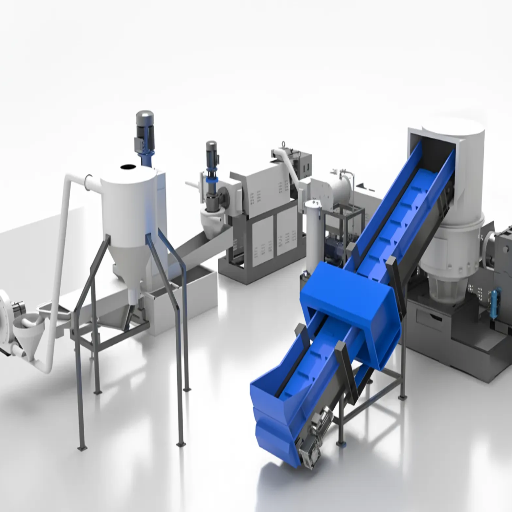
Recycling machines for wet films and polythene bags are intended for processing and recycling of plastic films, especially recycling of the dirtiest type and the most contaminated ones. These recycling machines employ a wet cleaning process because it is a good way of cleaning plastic films of dirt, adhesive residues, etc., before any further processing. Basically, the process consists of a few stages, such as shredding, pre-washing, friction washing, drying, etc., to ensure the material is of such a quality that it can be reused or taken for further processing.
These types of lines are necessary in the pursuit of dealing with the problematic issues related to contaminated plastic films, which are often difficult to repurpose mechanically because of the contamination in the plastic. Film washing lines fitted with the latest separation and filtration technologies are also helpful in minimizing degradation and ensuring high quality of the recycled material. This is possible as it ensures sustainable practices of recycling. Efforts of the manufacturers and the recyclers must be put together to ensure that these types of agricultural film recycling lines work in an efficient way to increase the material recovery.
Features of Wet Recycling Technology
Types of agricultural film recycling lines are expansive in scope when it comes to advanced applications due to the presence of specific features in the system:
- 💧
The water films wash contaminants of dirt, residues, and adsorbed adhesive layers off the waste, making sorting easy because of less impurity in the products. - 🔄
The separation processes include flotation and hydrocyclone that offer the necessary separation style depending on the type of difference between the materials being sorted. - ♻️
To make sure consumption of water is lowered and operations are still sustainable, efficient filtration technologies are used for wastewater reuse. - 🌡️
There is also an option of controlling temperatures to facilitate clean-up processes and ensure that the quality of the recycled product is maintained.
Ideal Applications for Highly Contaminated Films
Plastic film is primarily contaminated in the form of impurity-laden agricultural, packaging, and industrial waste films, which makes it quintessential to process it differently. These types of films suit such procedures as advanced washing systems, including hot water with detergents or without friction separation methods to eliminate dirt, oil, or organic matter in a very efficient manner. Recyclers usually incorporate these materials in the production of durable products like plastic and composite lumber, building materials, and low-value films. Alongside, some prospects blended with energy recovery enhancement by advanced pyrolysis or gasification, incorporating the transformation of such dirty materials into useful fuels or petrochemical intermediates. These strategies ensure that the recovery levels are optimized and fully adhere to the model of development in a circle.
Benefits of Water-Based Washing Processes
The process of cleaning using techniques that are based on water presents several very important benefits, particularly when it comes to recycling and recovery of materials. These systems perform well in removing oil, adhesives, food residues, and dirt on materials meant for recycling; therefore, improving the quality and the purity of the materials that have been recovered. This helps to provide cleaner input streams for further processing purposes, including manufacturing.
In addition, flotation techniques benefit from the use of water in sorting mechanisms since the material is separated by its density, which plays an important role in polymer, metal, or any other material separation. Equally, water being adaptable allows for the addition of and even supports more severe washing requirements, such as the use of surfactants or enzymes. Even more importantly, closed-loop systems, which are actively used today, allow for less water leakage due to water filtration and recycling, drastically lessening ecological burdens. This is consistent with the sustainability agenda, as much as resource efficiency is provided to the recycling process with the aim of reducing carbon as well as water input.
Dry Film Recycling Lines

There are several advantages to using dry film recycling lines, depending on the specific types of agricultural film recycling lines designed. These are ideal for materials that do not require very thorough cleaning since they depend on mechanical and air separation of the waste. Dry film recycling systems are convenient because they eliminate water-related processes and, hence, wastewater treatment and disposal, resulting in enhanced effectiveness. Furthermore, with technological progress, new developments in filtration and air treatment, dry methods have become more efficient and accurate for the treatment of different materials.
Key Aspects of Dry Film Recycling Methods
The dry film recycling techniques are based on several fundamental concepts, allowing the reprocessing of materials without water. The foremost is the system of mechanical separation. In this system, appropriate machines such as shredders, grinders, and screens are applied, and they are aimed at reducing the size of materials and separating them in accordance with their physical properties, such as density, size, or shape. Hence, it is ensured that more effective sorting is achieved with minimum cross-contamination.
Due to the completion of chemical by extrusion, the incorporation of more sophisticated air-based techniques to prevent inevitable unaltered chemicals from getting to the recovered product, for example, air classifiers and pneumatic conveying devices. With these systems, lighter and heavier materials can be separated so that the purity of the recovered material remains at its top level. This is particularly beneficial when dealing with very thin or light plastics, such as films, for which most types of agricultural film recycling lines can de-water and recycle them.
Recent advancements in filtration and dust collection equipment are the major factors considered important for a clean and efficient recycling environment. To deal with recycling, high-efficiency filters and cyclone systems have been devised for capturing fine particles and airborne contaminants. These developments aid in better material recovery rates, lessen ecological damage, and help maintain regulatory compliance. This aspect of recycling adds to the fact that recycling of dry films is a viable and increasingly economically attractive option.
Wet vs. Dry Film Recycling: At a Glance
| Factor | 💧 Wet Recycling | 🌬️ Dry Recycling |
|---|---|---|
| Water Usage | High — requires water supply and wastewater management | Minimal — no water-related processes required |
| Contamination Removal | Superior — handles heavily soiled / chemical-contaminated films | Moderate — suitable for lightly contaminated films |
| Operational Cost | Higher — includes water, treatment, and effluent disposal | Lower — reduced overhead from no water system needed |
| Geographic Suitability | Best in water-abundant regions with infrastructure | Ideal for water-scarce or drought-affected regions |
| Environmental Footprint | Generates wastewater silt; requires treatment systems | Cleaner — no dirty water or waste silt produced |
Suitability for Areas with Limited Water Resources
Dry film treatment for recycling is very appropriate in places that go through water scarcities often, as it does not utilize as much water. It is not like the classical methods of recycling, where large volumes of water are used for cleaning or separation processes. Mechanical technologies and airflow technologies are used in relation to dry films, which totally dispense with any washing fluids. This results in a significant reduction of water use that would otherwise further strain dwindling supplies of fresh water in dry or drought-hit places. Also, less spending on water obtaining or paying for its disposal makes dry film recycling more cost-effective for water-stressed regions. A dry approach is at the foundation of all these processes, so countries can continue to recycle without adding to water shortage problems.
Energy Efficiency and Reduced Waste Footprint
One of the main and crucial benefits of the recycling process in the modern day is energy efficiency, especially in processes that involve new technologies such as enhanced sorting and in the manufacture of energy recovery. By reducing the necessity for energy during the recovery and reprocessing of materials, the industries are able to achieve lower carbon emissions, hence contributing to the global improvement in emission levels. It is done through the implementation phases of different types of agricultural film recycling lines.
In addition, the impact of waste in the general sense is dramatically reduced by recycling, which is the essence of reducing waste to zero around sanitary pits or many such others, by making use of the materials in creating other products instead of throwing the materials away. Dry recycling enhances positive outcomes of recycling in that dirty water and waste silt that are always inevitable in wet recycling systems are not produced. Inclusion of these methods ensures that materials are handled in a system that accords concern to the environment, hence boosting the useful life as well as maintaining a backdrop of conservation of available resources. This combination of new instruments promotes the shift within the industries and causes progress in attaining the circular economy goals that include the maintenance of high productivity.
Innovative Techniques in Film Recycling
🧹
Mechanically-Assisted Dry Cleaning Methods
Dry-cleaning processes for film recycling are a novel aspect of the technology employed in film recycling processes, as they allow cleaning without the use of water. Mechanical mechanisms have been developed for the effective removal of undesired elements such as dust, adhesive glue, and other materials from films. This has led to a significant decrease in water resource utilization along with the minimization of effluent discharge.
🔬
Use of Advanced Opto-Mechanical Systems
Contemporary optical sorters that make use of near infrared rays (NIR) give the ability to effectively segregate plastic films according to their material properties. Such type enhancements have been applied, especially in ensuring that the retrieved plastics are of the right quality for further reprocessing.
⚗️
Upgrading of Chemical Recycling Methodologies
Chemical recycling is an innovative solution that separates plastic film into its building block monomers or feedstock. This helps in the recovery of materials that are of high quality, which can be reused in new products, thereby reducing the consumption of virgin resources and promoting more sustainability in the recycling business.
Advanced Technologies: Optical Sorting and Automated Material Separation
Sophisticated waste management systems. Optical sorting is a technology that successfully augments these processes as it uses special sensors, such as infrared sensors, which help in identifying and sorting material on the basis of the chemical and physical properties of the material. Hence, differentiating its constituents becomes far more precise. In terms of speed and efficiency, manual sorting in most cases is not a match for automated types of agricultural film recycling lines, even as the whole may sound a bit daunting.
Optical sorting can be enhanced with the use of these technologies as well. They involve the use of equipment such as conveyors with robotic arms and air streams used for the separation of different kinds of materials. As an example, nonferrous components may be successfully retrieved from other materials through the use of eddy current separators. Similarly, vibrating screens and air classifiers may be utilized for the separation of materials depending on their size or density. These approaches also help in ensuring greater waste separation and reducing sorting losses, which translates into efficient, comprehensive recycling. It increases recycling efficiency, which will reduce waste and help in accomplishing the cyclic use of resources in an efficient manner.
Use of AI and Machine Learning to Enhance Efficiency
The types of agricultural film recycling lines where AI and machine learning have resulted in significant levels of efficiency gains, for instance, the elimination of tedious sorting tasks and even the full automated recovery. Materials are identified on the spot and sorted correctly, hence there’s less intrusion affecting mixing and much control on the clean fractions. The development cycle for machine learning algorithms follows the cycles of learn and adapt for optimum performance and operational efficiency in the undertaking.
Emerging Trends in Closed-Loop Recycling Systems
Advancements in recycling systems are evident with rapid transformation due to advances in technology and rising awareness toward conserving the environment. Plenty of innovations that will ease the burden of waste management can also be seen in other sectors. For example, there is increasing use of smart sensors that will supply information on waste and AI-run systems for waste identification, monitoring, and sorting. The technologies mitigate most of the contamination, which most people tend to ignore, and additionally enhance the productivity of the waste recovery process.
Therefore, a significant development is also in relation to the increase in chemical recycling processes. Mechanical processes mean that the same material is recycled into a similar product, as opposed to chemical methods, where the material is decomposed into chemical molecules, which are then used to recreate the raw material for the production of a different product. This is especially true in recycling mixed waste or contaminated waste, which cannot be done with conventional types of agricultural film recycling lines.
Also, many organizations are practicing partnerships and implementing joint industry activities, the purpose of which is to communicate and facilitate the transition to the circular economy. Therefore, firms in different industries attempt to create easy to recycle product ways while enhancing the manufacturing processes to include a higher percentage of recycled materials. Governments tightened laws and raised incentives for companies to operate within the closed cycle and use fewer primary materials.
These patterns indicate a new era of effective and high-tech recycling systems, which are developed to ensure minimal waste creation, preservation of resources, and environmental protection in the long-run.
🌍
Advancing the Circular Economy Through Film Recycling
From wet and dry mechanical lines to AI-driven optical sorting and chemical depolymerization, the agricultural film recycling industry is rapidly evolving. Embracing the right combination of technologies is key to reducing plastic pollution, conserving resources, and building a truly sustainable agricultural supply chain.
Reference Sources
Cornell eCommons – Agricultural Plastic Film Recycling
An academic study on recyclable films and other types of agricultural plastics.
Frequently Asked Questions (FAQs)
How is the procedure of washing films and recycling plastic films carried out in the agricultural film washing line?
The process of agricultural film recycling mainly consists of the gathering of plastic films of any kind of waste plastic relevant, for example, plastic which is usually used in greenhouses, mulching film, p p film or L. D. P. E. films etc, size reduction or pre-grinding into film flakes, washing at several stages (friction washing, washing machine, friction washer, washing system) for cleaning of impurities and contaminating agents, thermal or hot air mechanical drying for attaining the reduction of moisture and pelletizing systems containing an extruder for pelletizing of used material. In a film washing line, shredders, washers, squeeze units or a film press, dryers, and a pelletizer are all components that facilitate the conversion of film waste into a usable resource, which is further processed for different purposes.
Which equipment is generally used for plastic film washing and for a plastic film washing line for the best performance?
Primary tools for crushing other items include a single-shaft shredder machine. For this job, there are various other shredders, hot wash friction washers or friction washers, batch defatting and decontaminating machines, squeeze dryers or drying centrifuges, contour alike, and tumblers. Other included machines depend on the condition of the waste (such as pp film, PE and LDPE film, pp and HDPE fabric, or PP hard waste). For flecks, other types of equipment like film separators, float–sink tanks, and conveyors may also be required. Choosing the right one leads to less contamination, less process time, and more quality recycled material.
Explain the function of pelletizing equipment and film plastic pelletizing, in relation to the re-use of agricultural films?
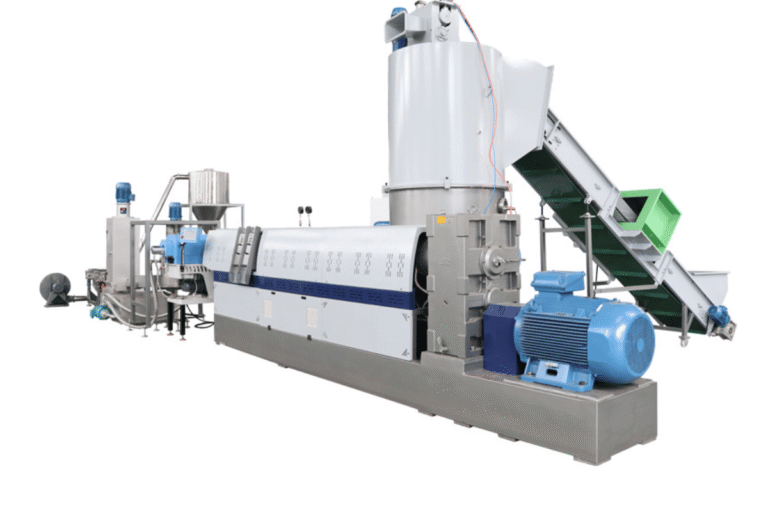
Upon completing the processes of washing and drying, purified film flakes are fed into the pelletizing line, which is an integral part of any production system, the purpose of which is to extrude and cut to obtain plastic granules or recycled pellets. With the help of pelletizing machines, cleaned film and flakes are prepared into uniform pellets to be used as raw materials in manufacturing new items. Flake cleanliness, the level of moisture, the filter screen, and the parameters of the pelletizing apparatus are the factors affecting the quality of the pellets. Good pelletizing enables a wider use of plastic waste by transforming it into a highly extruded recycled form.
What are the typical issues and operating expenses for a recycling plant that recycles films?
Issues are low-grade film waste, mixed input contamination (soil, sand, pesticides), post-consumer and agricultural collection of films, cost of washing and drying, mechanical failure of equipment such as shredding and friction washing machines, and the economic slope of recyclate. Water and chemical consumption of film washing, electricity required for shredding and pelletizing, amortization of equipment, and wages all come under the running cost. The less expensive the recycling lines are and the more advanced in terms of process adjustment they are, the more inexpensive they become internally, and uranium is mined easily at that time in a sustainable manner.
What’s the prescribed purity limit of film flakes before they can be made into pellets, and what’s the limiting moisture range?
Film flakes are washed for them to become free from contaminants that are visible and to ensure a low content of moisture so that no defects result in extrusion. Their moisture level is usually below 0.5-1.5%, depending on the type of resin (pp, pe, ldpe) and the machine. Drying out to the necessary level of moisture is achieved through squeezing units, heating, and hot air drying. Clean film contributes to easier pelletizing, less filtration, and enhanced produced recyclate granules being fit for wider uses.
Is it possible to utilize recycled granules made by agricultural films in making new products related to agriculture and even other industries?
Yes, the products such as recycled pellets from a plastic film recycling line can be utilized in the production of some items, for example: agricultural products (mulch film, greenhouse components), packaging materials, construction materials, and rigid plastic products after necessary blending and ensuring the quality, as well. In relation to the form of polymer (HDPE, LDPE, pp) and the level of contamination that exists in the waste, many applications are possible for the reuse of recycled material. For uses that are in contact with food or are standard, certification and testing procedures may be required.
How does a film recycling washing and pelletizing production line affect sustainability and the recycling industry?
Putting up a complete film recycling plant enables plastic waste to be turned into recoverable materials, removes the ill-effects of film waste in both agriculture and post-consultation channels, and pursues the circular resource utilization goal. Effective film recycling principally avoids excessive consumption of natural resources, eliminates landfill and pollution problems, whilst creating new jobs. New developments in washing plants, granulating technology in the production process for polyethylene and polypropylene, together with LDPE, help the industry to achieve higher rates of recovery and to produce better quality recycled pellets. It encourages sustainable development in agriculture and other businesses as well.

Trending now