Get in touch with Kitech Company


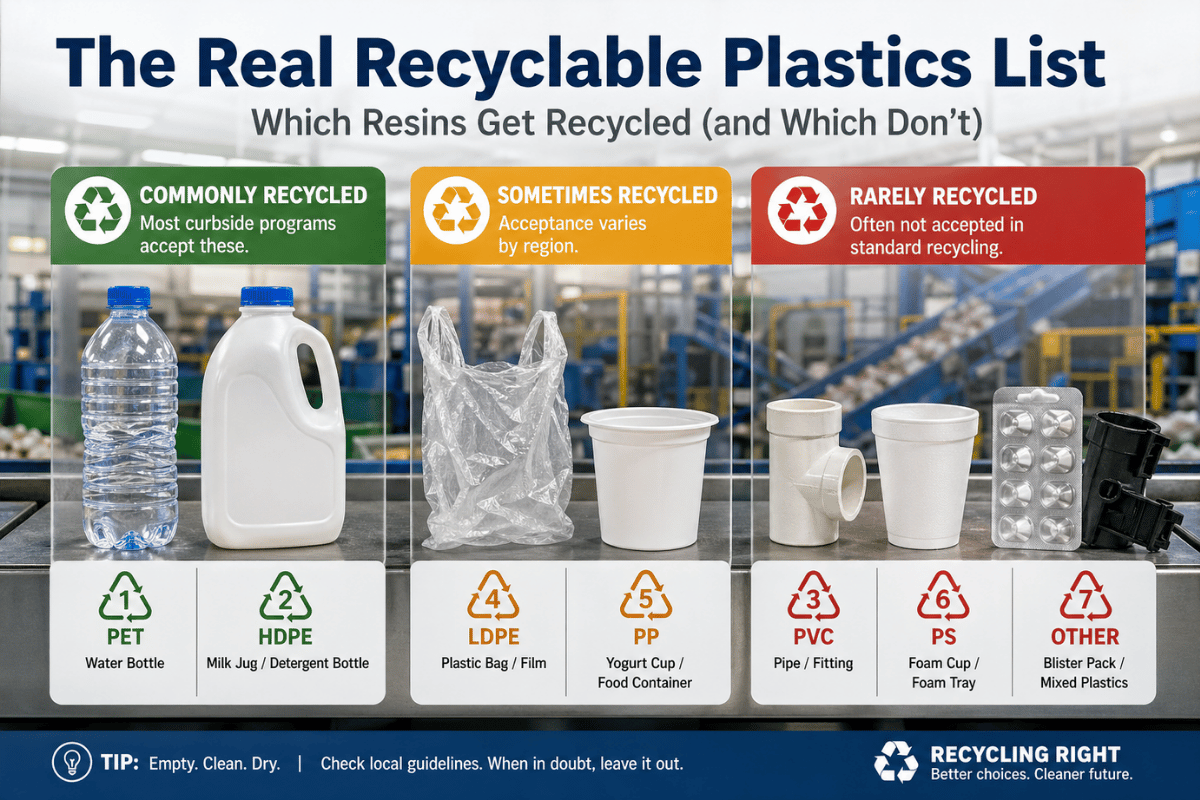
Recyclable plastics are available in seven resin code categories, however only two different types of plastic — #1 PET and #2 HDPE — are recycled on a regular basis by most United States curbside recycling programs. The remaining five (#3 PVC, #4 LDPE, #5 PP, #6 PS, and #7 Other) fall into a gray area where the recycling symbol states “recyclable” but the current recycling system indicates that these resin types are non-recyclable for most households. This chart rates all seven resins based on current recycling practices, how much plastic waste they create, and the results of recycling under 2025-2026 EPR legislation.
Quick Specs — Plastic Recyclability at a Glance
| Code | Resin | Curbside | US Recycling Rate | Typical End Market |
|---|---|---|---|---|
| #1 | PET / PETE | Yes | 30.2% bottles (2024) | rPET bottles, polyester fiber |
| #2 | HDPE | Yes | ~29% bottles (2018) | Plastic lumber, non-food bottles |
| #3 | PVC | No | Effectively 0% | Specialty (pipe, flooring) |
| #4 | LDPE | No (drop-off) | Low single digits | Composite lumber, bin liners |
| #5 | PP | Limited | 8% nationally (2024) | Auto parts, paint cans |
| #6 | PS / Styrofoam | No | Effectively 0% | Specialty foam densification |
| #7 | Other / PLA / Multi-layer | No | ~0% (PLA needs industrial composting) | None at scale |
Sources: NAPCOR 2024 PET Recycling Report, US EPA 2018 Facts and Figures, The Recycling Partnership 2024 PP Coalition Annual Report.
How to Read the 7 Recycling Codes: The Resin Identification System
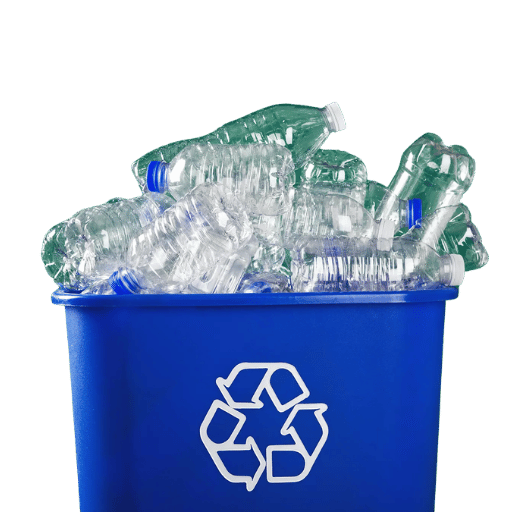
The triangle of chasing arrows on the bottom of a plastic bottle is the Resin Identification Code (RIC) — a number 1-7 devised by the Society of the Plastics Industry in 1988 and now standardized as ASTM D7611-21. Codes show what kind of plastic resin is in the part so reclaimers can sort plastic streams. The recycling symbol on a package does not mean any plastic items are accepted for recycling at every facility.
That distinction does matter. According to ASTM’s scope language the RIC exists “only to identify the plastic resin used in a manufactured article.” If your local materials recovery facility (MRF) will actually accept that particular plastic is contingent upon the rules and equipment of the local recycling program, the end-market demand, and if the shape of the item can be sorted. A #5 Polypropylene yogurt tub might get accepted in one zip code but rejected just three miles away.
💡 Pro Tip
Think of the resin number more as a sorting tip, not a curbside ticket. Verify acceptance with your hauler or use a resource like RecycleCheck by zip code.
#1 PET (Polyethylene Terephthalate): The Most Recyclable Plastic
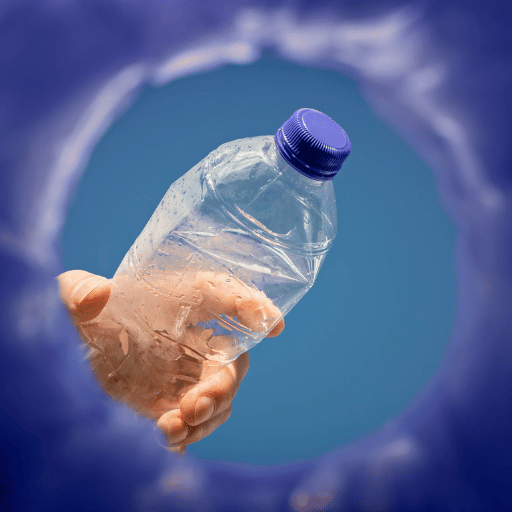
PET (sometimes called pet plastic), also labeled PETE, is the transparent plastic used for soft drink bottles, water bottles, salad-dressing jars, and most clam-shell packaging for food and beverages. It is the most widely recycled resin in North America and is the only one to have consistent bottle-to-bottle market volume.
As per the NAPCOR 2024 PET Recycling Report, the US PET bottle recycling rate was 30.2 percent in 2024 (down from a peak of 32.5 percent in 2023, revised from the prior 33.0 percent). North American collection was at 39.2 percent, well above the 30 percent threshold that the Ellen MacArthur Foundation uses to determine recycling “that works in practice and at scale.”
Are #1 plastics recyclable?
Yes – PET is accepted in virtually all US curbside programs and is the easiest resin to find a home for. After collection, PET is sorted, baled, ground into flake, washed, and either made into new bottles or spun into polyester fiber for apparel, carpet, and padding — the kind of plastic recyclate that powers most rPET end markets. In fact, NAPCOR data reveal that bottle applications take in more than 60 percent of all US domestically-sold rPET pounds.
Thermoform recovery (clamshells, deli containers) is the new growth area: 264 million pounds of PET thermoforms were collected in the US and Canada in 2024 – a 52 percent increase over 2023.
That 2024 dip is interesting. rPET post-consumer content average in US PET bottles remained at 15.9 percent in 2024, above the prior three-year average of 13.7 percent but decreasing marginally. Reasons: import of rPET reached record levels, representing 23 percent of overall rPET supply, which exerted downward price pressure on domestic reclaimers and polymer users.
#2 HDPE (High-Density Polyethylene): The Color and Natural Streams
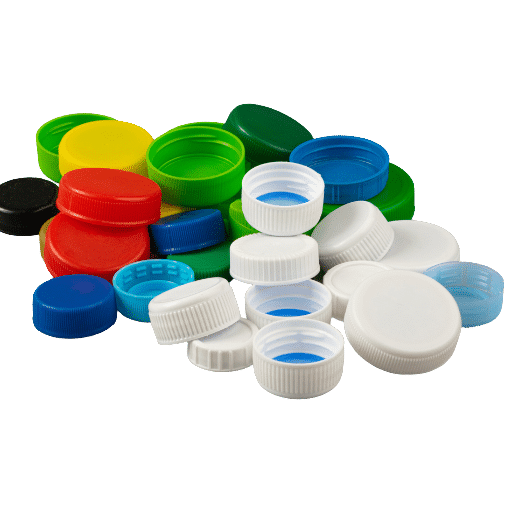
HDPE is the hard plastic in milk jugs, detergent bottles, motor-oil bottles and shampoo bottles. It is opaque, softer than PET and accepted curbside in most US recycling programs. Based on the most recent finalized federal statistics (US EPA Facts and Figures 2018,), the HDPE bottle recycling rate was 29.3 percent—that is, on par with PET, against the common perception that HDPE recycles at half PET’s rate.
The MRFs’ separate the HDPE into two different streams that sell at different prices.
- Figure 4 Value hierarchy where HDPE is made up of natural HDPE( translucent milk/jugs, water jugs)—the higher value stream—where the material is used for bottles of blended food-contact rPET-equivalent pellets and for detergent bottles.
- Color HDPE used in pipe, lawn furniture, plastic lumber, decking, and non-food bottles. According to ICIS, natural HDPE pellet prices declined 12% in August 2025, indicating weak demand and excess supply.
Are #2 plastics recyclable?
Yes, although there are some limits. Narrow-neck containers including bottles and jugs are generally accepted. Rigid plastics such as HDPE buckets, crates and other hard containers are usually not accepted by single-stream programs, as they jam the MRF equipment and end up going directly to rigid plastics recyclers.
Always rinse out with water, replace the cap, and dispose of loose bottle caps in the trash; un-secured caps are too small and fall through the MRF screens. Visit HDPE pelletizing equipment on the manufacturing side of how rHDPE flake becomes new resin.
#3-#6 The Problem Resins: PVC, LDPE, PP, PS — What Curbside Won’t Take
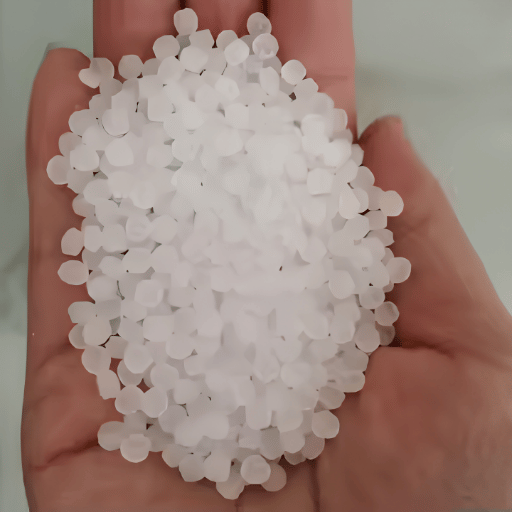
This is where the resin code system falls apart for most U.S. households. Certainly, the triangle of chasing-arrows is the same for Codes #3 through #6; however, the recycling results are all over the map – and three of the four are practically unrecyclable in single-stream curbside collection.
#3 PVC (Polyvinyl Chloride) is found on pipe, flooring, blister packs, and shrink wrap. It isn’t accepted in single stream curbside collection at any meaningful scale anywhere in US. PVC is one of the most non-recyclable materials because chlorine contaminates entire batches of other plastics and corrodes recycling machinery, (Greenpeace 2025 MRF survey combined PVC with #4 LDPE, #6 PS, #7 Other, and PLA on list of plastics that fail any reasonable recycling threshold).
#4 LDPE covers grocery bags, bread bags, frozen-vegetable bags, dry-cleaning bags, plastic film and bags, and shrink wrap — common single-use plastics that are not accepted in curbside collection. APR states that plastic bags and films “tangle in MRF sorting equipment and have to be cut out with knives multiple times a day”- hence, they are banned by most curbside collection programs. They have, however, a special pathway: store drop-off locations at grocery and big-box retailers, where the films become feedstock for composite-lumber and bin-liner end markets — packaging materials manufacturers value for outdoor decking and structural fiber.
#5 PP is the gray zone. PP shows up in yogurt cups and deli tubs, prescription bottles, ketchup bottles, and microwaveable containers. As of 2024, national PP recycling is roughly 8 percent – better than the 1-3 percent bandied about in older blogs, but still lagging far behind PET and HDPE. Coverage is improving in step with MRFs fielding dedicated PP optical sorters; the coalition’s stated goal is 30 percent residential recycling by 2030.
#6 PS, including expanded polystyrene foam (Styrofoam), is the lowest-performing rigid plastic. The mass of foam PS is roughly 95 percent air, making it too costly for MRFs to gather up, warehouse, and send on. Most curbside programs do not accept any kind of PS — rigid or foam — sending it to disposal centers. Densification programs for PS are successful but require dedicated collection streams.
Are #5 plastics recyclable?
In a growing number of US zip codes — but not all US cities — yes. As of 2024, Recycling Partnership’s polypropylene coalition was achieving curbside acceptance for roughly 65 percent of US households, an increase from less than 50 percent five years before. If your community accepts #5 plastics, it is routed through the same MRF system as other rigid plastics: optical sorting, baling, grinding, washing, and pelletizing. If your community does not, then a #5 yogurt tub is a contaminant — even with the triangle on it.
#7 Other (PLA, Bioplastics, Multi-Layer): The Misleading Triangle
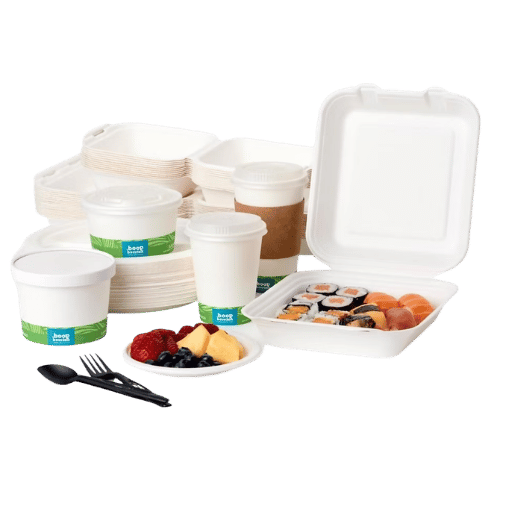
Code #7 is the catch-all category — bottles and tubs that resemble #1 or #5 but actually contain different types of plastic. It includes polycarbonate, acrylic, nylon, fiberglass-reinforced plastics, multi-layer barrier films (chip bags, juice pouches), and — most puzzling — PLA bioplastic.
PLA (polylactic acid) is the corn-starch plastic used in some transparent cups and utensils. It is indistinguishable in appearance from PET. It is also the leading contributor to contamination in PET reclaimers.
“Many people send their PLA #7 (bio-based, compostable plastic) to the recycling facility even though it is not recyclable. At the MRF, this plastic will be missorted into the PET stream and contaminate the recycled material.”
— EcoEnclose, sustainable packaging advisory
The Deceptive Compostable Myth. The predominant issue is thermal incompatibility: PLA softens at approximately 160°C, whereas PET reprocessing runs around 240°C. In a bin of PET bale, a few PLA cups can adhere to tools, burn, and degrade the quality of the final food-contact grade product. Moreover, PLA is not a backyard-compostable material as claimed — it necessitates commercial composting facilities maintaining temperatures of 55-60°C with proper moisture levels, infrastructure present in fewer than 200 US counties as of 2025. (Single-source data; confirm melting point from the resin manufacturer datasheet specific to your PLA grade.)
Simply stated, a “compostable” cup in the bin is contamination. Where there is no institutionally supported PLA composting facility, the best place for PLA is the trash. For additional reading on bioplastic issues, see our guide to biodegradable plastics.
How Plastics Actually Get Recycled: From Bin to Pellet
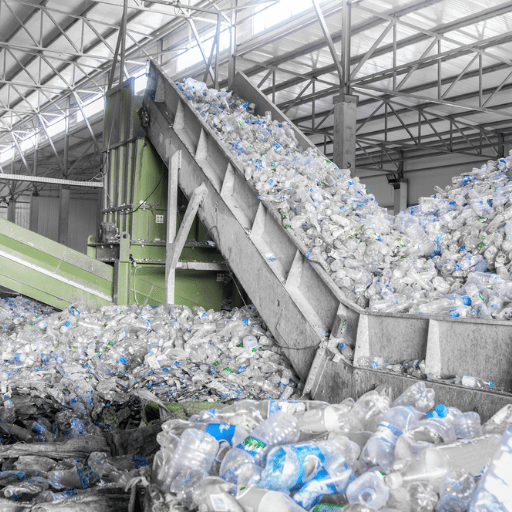
Your plastic container after going into a bin requires the end-to-end return to the supply chain in six steps. On APRs Plastic Recycling Process page, the flow is explained in great detail; the eat/EOL summary is listed below to arm B2B buying teams.
📐 Engineering Note: The 6-Stage MRF + Reclaimer Flow
- The tipping floor – Mixed recyclables from haulers hand sorted to remove non recyclable items (straps, hoses, flocked fibers, electronics.)
- Sorting – Cardboard pulled, then 2D paper-screening followed by magnetic separator for steel and eddy-current separator for aluminum, optical (NIR: near infrared) sorting of PET/HDPE/PP plastics by reflectance signature
- Baling – Sorted plastics melted and compressed into 1,000 to 1,500 lb bales, wired, then sold to reclaimers.
- Grinding and washing – Bales are fed into grinders that produce a homogeneous pellet/flake. The flake under goes a hot-water rinse with detergent that polishes labels, glue, and surface contaminants
- Float-sink separation – Separates HDPE (density grade ~0.95 g/cm ) from PET (density grade ~ 1.38 g/cm ) in a water tank, which enables automatic seperation of 2 material streams of mixed bottles-and-caps.
- Melt extrusion and pelletizing – Raw flake is melted down, filtered through many screens, and processed into uniform pellets for use manufacturing new product.
For food-contact applications, the last chemical decontamination process superheats the flake in a vacuum chamber with very limited oxygen; it then receives an FDA Letter of No Objection. Without this last step, recycled resin can only be distributed into non-food applications.
Efficiency of this system improved in 2024. Monthly recovered through put for US and Canadian PET reclaimers compared to incoming: 81.5% to 85.2% YoY – a sign that the loss recovery systems in grinding, washing, and melt filtration are trending positive again. Located at stages 4 and 6, the plastic granulator and pelletizing equipment turns washed flake into uniform pellets for new plastic products.
Mechanical vs Chemical Recycling: When Each Wins
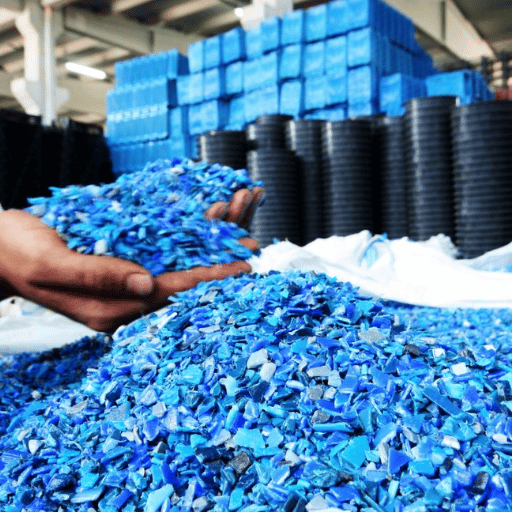
All above processes are mechanically-based – physically grind, wash, and re-melt the plastics into granules again. Chemical recycling (also called advanced recycling, depolymerization, or pyrolysis) depolymerizes the polymer into monomers or hydrocarbon feedstock for re-polymerization or petrochemical conversion.
✔ Mechanical Recycling
- Mature, scaled (every US MRF + reclaimer)
- Industry estimates: ~$350-700/ton output cost for rPET
- Best for clean, single-resin bottle streams (PET, HDPE, PP)
- Limit:each cycle degrades polymer chains slightly; has difficulty with multi-layer or contaminated input
⚠ Chemical / Advanced Recycling
- Note: using it at commercial scale “for the first time in 2024” – per NAPCOR
- Industry estimates: $1,200+/ton — significantly more expensive than mechanical
- Handles mixed, contaminated, hard-to-mechanically-recycle plastics
- Under scrutiny on both carbon accounting and what constitutes “recycling” versus fuel manufacture
Industry-provided cost estimates are inconsistent across sources; Use as general doses of magnitude. Practical conclusion: mechanical recycling remains the predominant process for solid transparent PET and HDPE bottles and chemical recycling is serving to fill the capacity for multi-layer mono-material film, multi-material contaminated feedstock, and #7 Other plastics that are a capability gap for mechanical. Neither process solves all problems—both are limited by feedstock availability and demand.
The B2B Side: Recycled Resin Markets (rPET, rHDPE) and the 60/40 Procurement Rule
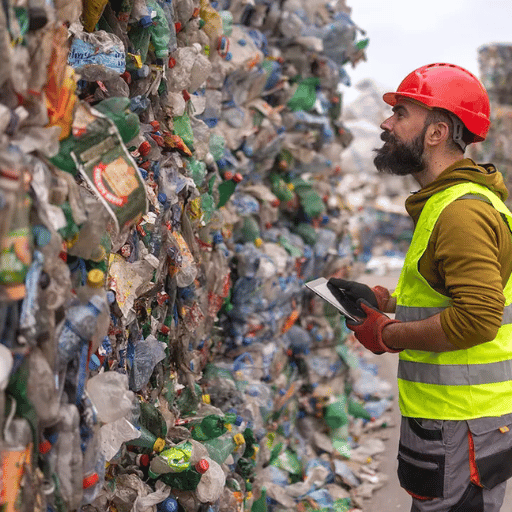
If your business uses recycled resin to manufacture product – bottles, fiber, packaging, building components – in 2024-2025 then the equation has changed. Future Market Insights assesses the global recycled PET packaging market to reach a value of $9.16 billion USD 2025 with projections of $9.8 billion in 2026 and $20.7 billion in 2036. ChemAnalyst asserts Q4 2025 R-PET pricing averaged at approximately $625 per metric ton (~$0.28/lb). ICIS reports that R-PET flake and pellet fell by around 5% m/m in August 2025 while natural HDPE pellets fell by 12%.
This news is interesting because it fails to support the popular explanation that major brands’ recycled content pledges would push recycled PET to a permanent cost premium over virgin. Imports of the commodity (23% of U.S. inventory 2024) and the new capacity of depolymerization facilities actually lowered prices toward parity with virgin across many specifications.
Recyclate Procurement Decision Matrix
| Application | Recommended Resin | Bale Purity Threshold | End-Product Example |
|---|---|---|---|
| Food-contact rigid | rPET (FDA LNO required) | ≥98% PET, <0.5% PVC | Beverage bottles, deli clamshells |
| Non-food rigid | rHDPE (pigmented or natural) | ≥95% HDPE | Detergent bottles, motor-oil bottles |
| Fiber / textile | rPET flake | ≥90% PET | Polyester carpet, fleece, fiberfill |
| Composite lumber / decking | rHDPE + rPP (mixed allowed) | ≥85% polyolefin | Trex-style decking, park benches |
| Pipe and conduit | rHDPE pigmented | ≥95% HDPE | Drainage pipe, electrical conduit |
💡 The 60/40 Rule for Recyclate Procurement
Zero outcome reports field practitioners repeatedly observe the same phenomenon: rPET or rHDPE feedstock below roughly 60 percent input purity (i.e. greater than 40 percent off spec contamination) is rarely economically recoverable — even after an intensive wash. The other half of this rule — be ready to allocate roughly 40 percent of total process energy to wash and decontaminate when input purity drops below 80 percent. Bid your bale supply on these thresholds, not on weight alone.
For B2B buyers spec’ing a complete plastic recycling solution — granulator, wash line, pelletizer — the equipment configuration depends on what bale purity you can get upstream. Visit Kitech’s industrial plastic recycling line for line configurations matched to feedstock purity.
Common Recycling Mistakes (Wishcycling) — and How to Verify Local Rules
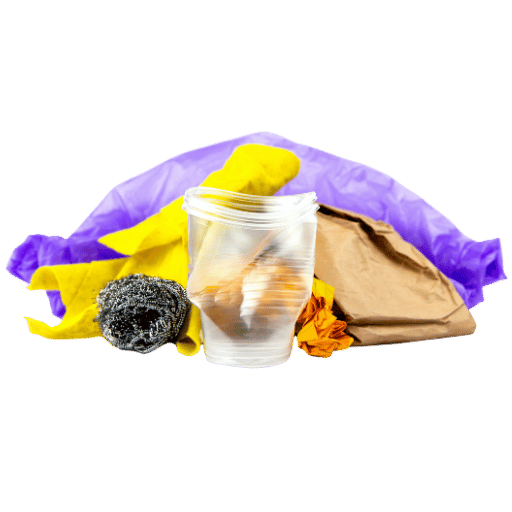
“Wishcycling”– throwing questionable items in the bin with hopes that they will be recycled. Industry practitioners report wishcycling to be one of the largest contamination sources at US MRFs and the root cause of curbside contamination averaging 17-25 percent at many programs.
- ✔
Plastic bags in the curbside recycling bin. Drop them at a grocery store collection bin instead. Recycling center workers report that bags get cut out of equipment multiple times daily; a bag of mixed recyclables typically goes straight to landfill, unopened. - ✔
Counterintuitive: leave the cap on, not off. Loose caps are smaller than sorter screens and fall through to the residue stream. A cap (usually HDPE) and bottle (PET) separate naturally in the float-sink tank during reclaim. - ✔
Black plastic takeout containers. Most US MRFs use NIR optical sorters that cannot detect black plastic — the carbon black absorbs the IR signal. Black plastics are routed to disposal even when made of #1 PET or #5 PP. - ✔
Items smaller than a smartphone — straws, mini bottles, plastic utensils, ring tops — they fall through MRF screens and end up in the glass-fines waste stream regardless of resin code. - ✔
Food-contaminated containers. A pizza box stained with grease or a yogurt cup with residue degrades the entire bale. Empty, scrape, and rinse if needed. - ✔
Multi-material packaging — foil-lined chip bags, juice pouches with multiple plastic layers, cartons with plastic spouts — the layers cannot be separated economically and almost always become landfill. - ✔
Compostable PLA cups. A triangle says #7. Reclaimers treat it as contamination. If you do not have access to an industrial composter, the trash is the right answer.
The most reliable way to know what your local program accepts: review the RecycleCheck tool by zip code, or your municipal sanitation department’s website. Accepted materials are defined 2-3 times annually as MRF sorting equipment upgrades and end-market conditions change.
What’s Changing in 2025-2026: EPR Laws, Advanced Recycling, and the Circular Economy
The most significant change in US plastic recyclability — since 1988 SPI resin code — has been the explosion of state-level EPR legislation. As of 2026, seven US states have implemented EPR legislation covering plastic packaging: California, Colorado, Maryland, Maine, Minnesota, Oregon, and Washington. Producers — brands and packaging companies — now own liability for packaging recyclability and end of life.
Three concrete dates matter:
- 2026 — Oregon first EPR program year; Maine, Maryland, Colorado producer registration deadlines.
- 2032 — California SB 54 mandates all regulated packaging be recyclable or compostable, plastic packaging use decline 25 percent, and recycling rate 65 percent.
- Ongoing — chemical recycling growth; NAPCOR notes depolymerization operating on commercial scale “for the first time in 2024,” and ACC monitors twelve plastic advanced recycling facilities in North America.
“2026 will be the first full year of Oregon’s EPR program and a defining year for packaging recycling policy at the state-level. Multiple states will transition from registration to operational fees, and packaging producers will experience true cost-polluter-pay signals based on package recyclability for the first time.”
— Resource Recycling magazine, February 2026 policy outlook
If your product is launching in 2026-27, two steps can be taken now: verify your packaging on the APR Design Guide preferred list, and build EPR fees into packaging budgets in any state where greater than de minimis production will occur. Fee schemes favor mono-material PET and HDPE; multi-layer and #7 Other will draw the steepest fines.
Frequently Asked Questions
Q: Are all plastics recyclable?
View Answer
No. We can in principle recycle most plastics; in practice in the US only #1 PET and #2 HDPE are reliably recycled by curbside programs on the scale claimed. #5 PP is improving but still less than 10 percent. effectively #3, 4, 6, and 7 are not.
Q: Which plastics cannot be recycled?
View Answer
In the US curbside: #3 PVC, #6 PS (including foam), and #7 Other (including PLA, polycarbonate, multi-layer films). #4 LDPE bags are handled by store drop-off-not curbside. most #5 PP default depends on the scope of any individual program. Greenpeace’s 2025 MRF survey sees all five as functionally not-recycled at scale.
Q: Why are some plastics not recyclable?
View Answer
Three issues: economics of collection (foam has 95 percent air, films foil equipment), chemistry of reprocessing (PVC chlorine eats equipment, PLA deforms at impossible temperatures), demand for end-market use (no market for scraps). “in principle” recyclability is meaningless if all three are mismatched.
Q: Is recycled plastic safe to use for food packaging?
View Answer
Yes, if the recycling resin has an FDA Letter of No Objection (LNO). PET and HDPE reclaimers run a vacuum-and-heat decontamination step if they want to produce food-contact pellets. the US FDA maintains an active list of the processes that qualify, contact your supplier’s LNO when bidding food-grade rPET.
Q: What number plastics are best for recycling?
View Answer
#1 PET and #2 HDPE – clean, mono-material, with established end markets and bottle-to-bottle reclaim path.
Q: What products are made from recycled plastic?
View Answer
rPET becomes bottles, polyester clothing & fiberfill, carpet, clam shell packaging. rHDPE becomes detergent bottles, lumber, decking, fencing, pipe, lawn furniture. rPP becomes auto interior panels, paint cans, and increasing numbers of diverse container types as MRF sortation expands.
Buying or Spec’ing Recycled Resin?
If you are designing or installing a PET, HDPE, or mixed plastics line (or taking advantage of current rPET availability to develop a product)-the purity of input, chemistry of wash, and configuration of pelletizer determine whether your final product’s compliance up to FDA, brand, or investment spec.
About This Recyclable Plastics Guide
This blue print pulls together data from NAPCORs 2024 PET Recycling Report, the US EPA’s 2018 Facts and Figures (federally current MSW ) data, the Recycling Partnerships 2024 Polypropylene Coalition Annual Report, and pristine 2024-2026 time frame state EPR legislation. Where there are industry estimates not verified with primary-source data but only for instance chemical recycling cost bands, or category-specific end-market data – we denote these as such. curbside acceptance laws evolve too quickly for this blue print to keep up-verify this with your hauler at the time of disposal.
References & Sources
- NAPCOR 2024 PET Recycling Report – National Association for PET Container Resources
- Plastics: Material-Specific Data – US Environmental Protection Agency
- The Plastic Recycling Process – Association of Plastic Recyclers (APR)
- ASTM D7611-21 Standard Practice for Coding Plastic Manufactured Articles for Resin Identification – ASTM International
- Polypropylene Recycling Coalition Annual Report 2024 – The Recycling Partnership
- California SB 54 Plastic Pollution Prevention and Packaging Producer Responsibility Act – CalRecycle
- State Policy is Redefining Plastics Recycling in the US – Resource Recycling, Feb 2026
- Plastic Merchants of Myth: Circular Claims Fall Flat – Greenpeace USA, Dec 2025
Related Articles
- ABS Plastic Recycling: Process, Equipment, and Reuse Markets — engineering plastic recycling deep-dive
- Biodegradable Plastic Guide: PLA, PHA, and the Compostability Question — bioplastic separation
- HDPE Pelletizing Machine — equipment for #2 HDPE recyclate
- Plastic Granulator Machine — Stage 4 reclaimer flow