Get in touch with Kitech Company

Complete Guide to the PET Bottle Recycling Process

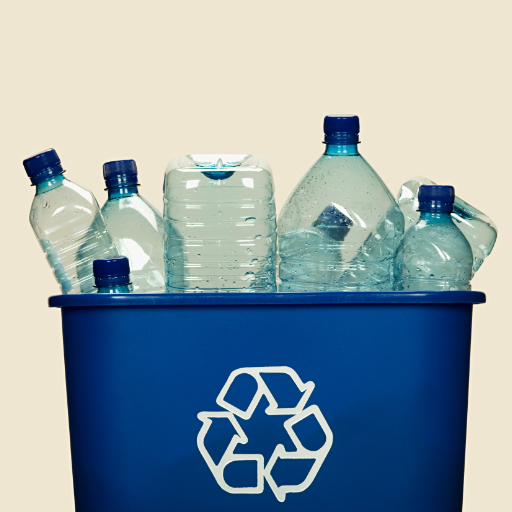
Processing recycled polyethylene terephthalate (PET) bottles is an essential aspect of tackling the global problem of plastic waste through resource efficiency and sustainable development. Millions of PET bottles are used and wasted every year, and plenty of these bottles can still be recycled and reused rather than contributing to the manufacture and disposal of plastics that harm the environment. In this context, the following guide will depict the entire PET bottle recycling process, including, but not limited to, collection, sorting, washing, crushing, and re-processing into fresh materials. Whether you are a corporate individual who wants to improve the existing recycling conduct, an eco-friendly advocate who would like to encourage the improvement of such activities, or even a mere observer who asks what happens to the bottles after throwing them away, this article will help you with the understanding of this very important process.
🌍
Global Recycled
~30%
of PET bottles successfully recycled
🇪🇺
Europe (2022)
48.5%
PET recycling rate
🇺🇸
United States
28–30%
PET recycling rate
🇯🇵
Japan
>85%
PET recycling rate
1
Introduction to PET Bottle Recycling
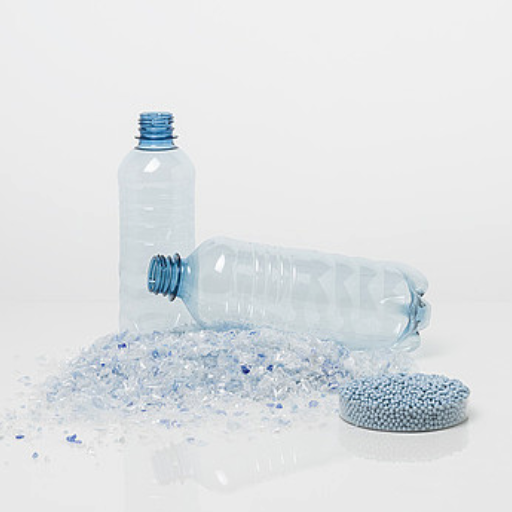
Recycling polyethylene terephthalate (PET) bottles is categorized into processing used plastic bottles into usable materials that help reduce waste and save resources, which is what is called recycling in its entirety. It starts with the accession of PET bottles, where the collected bottles are then separated from other non-recyclable materials. Once that is done, the bottles undergo the cleaning process utmost of present contaminants, including labels and residue, for the sake of the desired quality of the recycled material. The next stage involves grinding the clean PET into any other new, small applications, like bottles or packaging, in the form of flakes or small pellets. This process of recycling contributes significantly to saving energy, managing resources in an environmentally friendly way, and reducing pollution.
🧪 What is PET and Its Uses?
High-performance thermoplastic polymer, polyethylene terephthalate (PET), belongs to the polyester family and is thin, sturdy, and has extremely effective barrier properties to water and gases. These are the reasons it is used in the majority of applications. The main way in which PET is applied is in beverage containers, food wraps, and containers, as it can maintain freshness and enhance the shelf life of such products. In addition to the materials stated above, the role of PET in the manufacture of polyester fibers, which constitute mainly clothing, is quite vital. It is, however, obvious that PET has a lot of advantages that encourage its use, and this can be obviously proven by the existence of activities such as carpet manufacturing, car part manufacturing, and the PET bottle recycling process. Such benefits for the polyethylene terephthalate (PET) bottle stem from its importance in today’s industrial applications and eco-friendly practices.
🌱 Why Recycling PET Matters
Reusing polyethylene terephthalate or PET bottles is necessary, given their excessive utilization and prolonged presence in landfills, and their adverse effect on the environment due to this long decomposition period. PET is prone to recycling in most situations, and optimized recycling practices enhance waste management, preserve resources, and lower carbon emissions that are associated with virgin plastics manufacturing. Another plus of recycling is the mitigation of marine plastic contamination and preserving the aquatic life and environment. PET, once recycled, in the form of rPET, can be used for making new products, including but not limited to new bottles, fabrics, and even industrial products, thereby enabling efficiency in the invention lifecycle. Recycling PET bottles is perhaps one of the most environmentally friendly actions that companies, as well as private citizens, can take in a way that promotes growth and development.
📊 Global Statistics on PET Usage and Recycling Rates
Polyethylene terephthalate (PET) is a large part of the world’s plastic productivity, and production trends indicate that plastic in general is expected to increase at about 82 million metric tons annually from the beginning. Yet, regional disparities exist in terms of PET disposal processes. Studies show that globally, only around 56% of the PET bottles manufactured find their way into the recycling bins, and a third, or 30% of these bottles, are successfully recycled and transformed into something new. With policy instruments in place and the appropriate infrastructure developed, Europe boasts one of the highest consumption figures for resins at a PET recycling rate as high as 48.5% in the year 2022. In contrast, the United States recycling rate for PET bottles lags behind around 28–30% because there are no sufficient recycling facilities and poor practices of the population. On the other hand, resourceful citizens and entrepreneurs in countries such as Japan have accomplished admirable over 85% recycling rates due to the technology and cultural nuances that favor waste minimization policies. Such variations in statistics from many parts of the world are clear appeals for better systems of recycling, knowledge, as well as research and development, so as to promote the re-use of PET more.
2
The Lifecycle of a PET Bottle
A polyethylene terephthalate (PET) bottle is decomposed in several stages, beginning from the supply of basic sources, which are either petroleum or natural gas that have undergone chemical transformations to produce PET resin. This resin is molded and produced as trafficable bottles for containing drinks, food, and other items. Once consumed, the bottle has three straightforward options: recycle, burn, or go to landfills.
Once sent to recovery centers for recycling, the polyethylene terephthalate bottles undergo a series of collection, sorting, label removal, and contaminant cleaning stages. Advanced technology using granule processing systems encases them into flakes or granules, which are usually remoulded into other products such as fabrics, containers, or sometimes even the same PET by a closed cycle. This alternative is one of the technologies promoted because it not only decreases raw material use but also saves ecosystems. On the other hand, all those PET bottles thrown away or burned right away contribute to the degradation of the environment and can justify the efficient existence of recycling systems and the active citizenship of the public.
🏭 Manufacturing Process of PET Bottles
The process of manufacturing a polyethylene terephthalate (PET) bottle consists of a series of processes, which ensure the high quality of products. Manufacturing of this type of bottle begins with a petrochemical reaction where ethylene glycol molecules combine with terephthalic acid and produce PET that is already in the form of small particles. Thereafter, these particles are dried to remove moisture, which is very important, so as to avoid flaws in the molding of the polymer.
Next, the dry PET pellets are formed into tiny templates called preforms using injection molds. Preforms are moderately short, canal-like shaped tubes that almost resemble bottles with all the necessary features already provided. The preforms must first be reheated and then transported to a stretch blow molding machine. This involves two processes happening at the same time: heating and blowing. The preforms are inflated with extra pressure, making them impact in the direction and geometry of the mold they are placed in. Alongside each operation in manufacturing bottles, cooling, trimming of the bottles, and inspection are carried out.
This method is commonly known for its effectiveness and scalability, and is considered an ideal solution for the production of lightweight, durable, and recyclable containers. Energy-efficient molding machines and automated systems are among the advanced technologies that are being used more and more to sustain and minimize waste generation in the production processes.
🛒 Typical Applications and Usage Patterns
To utilize PET is to open up possibilities for everything from beverages, water, soda, and juices. Plastic containers provide the opportunity to have water, carbonated drinks, juices, beverages, and even alcohol in packages that are modern and up-to-date, especially because they are lightweight and easy to carry. They are also popular for contributing to the storage of cleaning agents at home, products for personal grooming such as shampoos and lotions, and even for the storage of industrial chemicals because of the chemical resistance and strength of these bottles. The ways in which they are used are also governed by composition, with PET bottles being ideal for packaging liquid foodstuffs, as such containers are considered safe and easy to recycle, whereas HDPE bottles can be utilized for cleaning agents and lubricants, given their robustness. Moreover, the evolution of the plastic bottle marketing includes resealable closures, which make the product more practical, and thanks to ‘stylish’ bottles, more pleasant to consumers, thus a plastic bottle finds its way into the hands of a customer at home and outside as well.
⚠️ The Environmental Footprint of PET Bottles
Although PET bottles are heavily relied on and can be optimally recycled, they bring forth many environmental problems if not addressed. Production of PET requires petro-carbon chemistry, which causes emissions in the manufacturing process. Moreover, most of them are discarded improperly and eventually reach dumpsites or, in some cases, break up in the environment and remain there for many centuries because of their robust make. On the other hand, PET has a relatively higher rate of recycling as compared with all other plastics, and rPET provides considerable energy and emission saving potential. Nonetheless, only a small proportion of PET bottles undergo a PET bottle recycling process and are turned into new products, as the global recycling infrastructure is far from adequate. Under these circumstances, environmentalists recommend better recycling facilities, awareness of the customers, and more creative strategies like biodegradable materials or closed-loop systems.
3
Step-by-Step PET Bottle Recycling Process
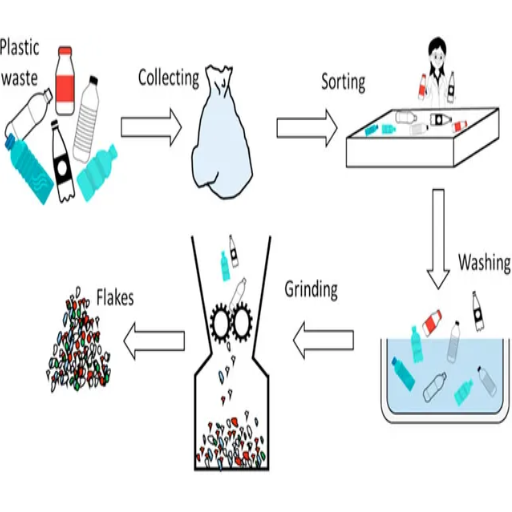
♻️ The Six Stages of PET Recycling
-
1
Collection and Classification
They systematically collect even used PET bottles within curbside recycling programs, through deposit systems, or any other means where collection seems appropriate. This is followed by the amicable sorting of bottles according to the resin and color for the ease of processing and viewing by the material principle.
-
2
Cleaning
Once sorted, the PET bottles are cleaned to remove any labels, glue, and any residual pollutants. Harmful pollutants that would otherwise affect the recycled material’s quality are eliminated at this stage.
-
3
Shredding
These bottles are then cut into smaller pieces called flakes or pellets. Such a change improves transportation and handling of the material, and it makes the next operation possible with the PET material.
-
4
Decontamination
The product in the form of flakes or pellets includes innovative decontamination technology, as exposure to tar, filth, or use of chemical agents is applied for recovery of the raw PET in food or high-purity grade.
-
5
Melting and Reshaping
The cleaned PET material is further processed into a liquid fraction and cast into things like fibers, films, or preforms intended for making bottles. This implies closed recycling, recycling of PET in similar products.
-
6
Product Quality Control System
Recycled PET undergoes stringent quality assurance procedures in order to be able to adhere to industry norms and comply with structural, safety requirements, and usability before getting to the end-users.
Through this practice, the recycled resin from PET is transformed into a resource, which reduces the wastage of the component and saves energy. Therefore, extending these services on a global scale implies stronger waste recovery and recycled product utilization as well as a higher level of institutional and societal engagement.
🚛 Collection and Transportation of Used PET Bottles
The tracking and recovery of empty PET containers are critical components of the recycling system that aim at achieving general system efficiency and quality. The process of collection starts with the development of curbside recycling programs, reverse vending machines, and drop-off stations as part of the strategies intended to enhance and widen consumer engagement. Separation sites normally collaborate with towns and cities or specific waste management firms for the collection of the empty or ‘PET’ (post-consumer) bottles from the above mentioned routes.
Upon collection, the PET bottles have to be shipped to MRF facilities with the help of optimized logistics processes for reduced pollution and expenses. These centers have advanced equipment that employs, among others, optical scanners to allow the segregation of PET materials and other waste and impurities. Most importantly, correct compression and compaction transportation conditions have to be put under consideration to avoid unnecessarily used space in the recovery container, such that the recovered PET can still be able to meet the required standards of processing in the subsequent stages of recycling.
🔍 Sorting and Cleaning Methodologies
The PET bottle recycling process is a complex and vital one with several steps to recover as much of the material as possible while at the same time keeping it clean and free of any impurities. In the first step, PET plastic waste is collected and sorted in order to remove all foreign elements, such as non-PET materials, using both mechanical and optical means, for example, near infrared (NIR) sensors. Such preliminarily sorted materials may then be hand-sorted for quality control to remove any remaining foreign objects or inappropriate plastics. The next step after sorting is cleaning the PET, and this is done by removing labels, grading the bottles in flakes, and washing them with appropriate detergents to remove adhesives and organic grime, oils — all these make barriers to the dirt. Such aggressive steps include hot wash and chemical purifications as well in order to get the material clean. This is especially important when recycling food contact recycled PET (rPET) and other expensive commodities. High-end plants may include recyclers of the water used inside the cleaning process as part of the washing concept for improving the cleaning process itself.
⚙️ Crushing, Shredding, and Turning PET into Flakes or Pellets
Crushing and shredding of PET bottles entails the use of mechanical apparatus whose purpose is to render the bottles or other packages into smaller parts that are easy to handle. Commercial shredders or crushers expedite the reduction of PET into regular-sized pieces that allow for seamless processing. These pieces are then put through refining sieves for the purpose of ensuring that they have an even size. Thereafter, the serpentine is prepared in the form of flakes or pellets in extrusion or pelletizing units. As a rule, flakes undergo an additional washing stage to remove minor pollution, while pellets are ready for use in production. The purpose of this stage is to allow users to process the raw material into a clean form that is uniformly regarded as being a virgin product for various uses, including textiles and food-grade containers.
4
Technology and Equipment Used in the Recycling Process
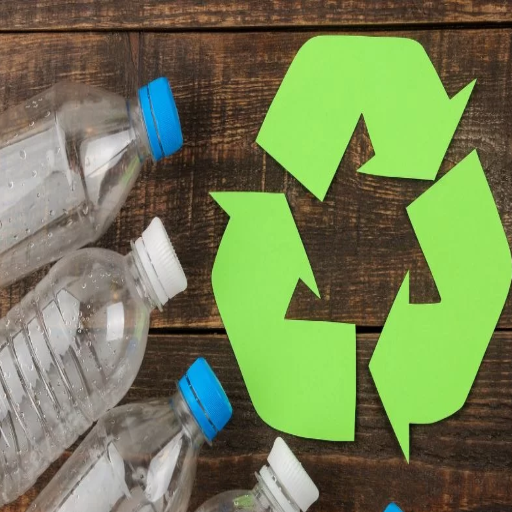
Besides different technology and equipment, there is recycling. Designated for protection and restoration of materials, the process is varied; pre-processing fragmentation devices are used, or optical sorters to recognize and separate the materials, to salvage materials from the recycling material. The extrusion is one of the important aspects in the post-consumer waste recycling process, which is used to reshape it into flakes or pellets and further additives, making use of the recycled materials. This is further made possible by more advanced technology that includes infrared spectroscopy and robotic arms for sorting departments, which allow contemporary recycling plants to achieve more precise results.
🏗️ Overview of Machinery (Shredders, Separators, Washing Systems)
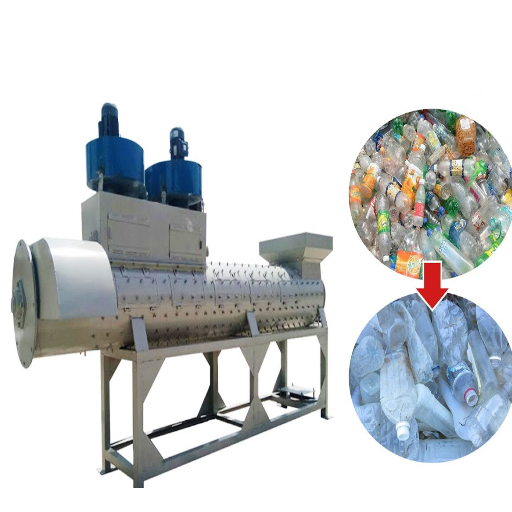
An efficient recycling chain relies on specialized machines and devices being combined to deal with different waste types. Compactors are essential in minimizing waste as they break down objects made of plastics, various metals, or wood to a size that can be processed. Their mechanical operation involves elements like rotating blades or hammer shafts for the purpose of cutting or crushing, respectively. Detectors, especially those designed to work with ferrous and non-ferrous metals, and air classifiers are necessary for sorting recyclables according to magnetic parameters, densities, and sizes. Cleaning, as in washing systems, helps remove impurities like soil, tags, and other deposits from recyclable materials before subsequent operations. Thus, each of these is a functional component within a larger recycling facility, directly and design aided by recent and far-reaching technological advancements in automation and AI modifications of variation practices and practices of facilities. The same is true for other modifications in practices, for instance, in sorting or the PET bottle recycling process.
🔬 Key Equipment in a PET Recycling Facility
| Equipment | Function | Stage Used |
|---|---|---|
| NIR Optical Sorters | Identify and separate PET from other plastics and materials | Sorting |
| Shredders / Crushers | Reduce bottles into uniform flakes using rotating blades or hammer shafts | Shredding |
| Hot Wash Systems | Remove labels, adhesives, oils, and organic contaminants | Cleaning |
| Air Classifiers | Sort recyclables by density and size using airflow | Sorting |
| Extruders / Pelletizers | Melt and reshape clean PET flakes into reusable pellets | Melting & Reshaping |
| Robotic Arms + AI Vision | Automated precision sorting via surface texture, shape, and spectral analysis | Sorting / QC |
🤖 AI-Powered Sorting Systems
Developments in technology that assist in recycling have made great production levels and sorting accuracy improvements, including the AI sorting systems, among others. In the new waste disposal and recycling plants, computer vision and machine learning-based techniques are used for materials’ recognition and sorting with more accuracy than ever before. These machines have the capacity to differentiate plastics, including the ones that are blended with other substances or clean and dirty plastics, through the analysis of surface texture, form, and even the spectrum. Other applications of robotics and automation facilitate bulk production as they help to reduce errors that normally come with human involvement at lower costs, achieving more recycling. Apart from those, other sensor technologies like NIR and X-ray help to improve composite and metal detections. All these innovations provide seamless recovery of materials, reduce contamination rates, as well as enhancing the quality of the recycled PET bottle recycling process.
📈 Efficiency Improvements in Industrial Plants
Efficiency improvements of a recycling plant have to arise from new technologies and improvements in processes. Modern separation technologies, most notably AI-enabled robots in sorting lines, improve the efficiency of the separation process by removing many of such production limiting issues. High-efficiency grinders and granulators also work to increase the throughput by reducing the functional volumetric size of the materials. Separate mention needs to be made regarding the automation of plant processes, as automation reduces the need for interventions, postponing employment growth. As for the plant performance itself, data analytics allows fine-tuning energy, equipment, and people resources in real time. Moreover, the development of closed-loop production cycles ensures a greater degree of reduction of waste or recovery of any valuable waste and hence contributes to sustainable development. In sum, all these technologies help in improving both the amount and quality of the recycled materials, while also reducing the impact on the environment.
5
Environmental and Economic Benefits of Recycling PET Bottles
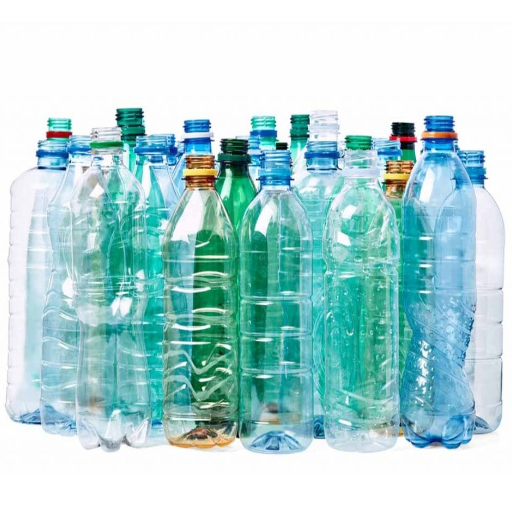
Environmental protection largely dictates sustainability, and there is little doubt that the PET bottle recycling process still remains an important element of concern. Processing of Polyethylene terephthalate (PET) plastics reduces the need for extraction of fresh raw material, reduces the quantum of greenhouse gases emitted, and avoids unnecessary energy consumed in manufacture. In economic terms, recycling not only improves resource acquisition efficacy by reducing expense on raw materials, but also the aesthetics of business expansion, that of jobs created in recycling enterprises and manufactured goods. It also appreciates the concept of a modern economy directly by allowing the use of resources continuously within the system, hence reducing reliance on nonrenewable resources and causing the capacity to be sustained.
🌿 Reduction in Carbon Emissions and Energy Consumption
The level of carbon emissions is significantly lowered by the process of recycling because there is less need to carry out processes such as mining the materials and their refinement that utilizes lots of energy. This is due to the fact that recycling steel has up to 95% energy benefits, and so does the energy needed to produce new aluminum from old ones, which saves up to 60 percent. The amount of emissions, such as CO2, which play the biggest part in climate is reduced by that amount of energy. Moreover, reducing the level of consumption of energy also reduces the strain involved in using fossil fuels in the manufacturing industries and hence helps in regulating emissions. It is through recycling that businesses embrace sustainable manufacturing through the reduction of carbon emissions, which is a major consideration among industries in the global area.
🌲 Conservation of Natural Resources
Conserving natural resources is very crucial in order to achieve environmental sustainability for the future. For instance, by engaging in recycling, reducing waste, and utilizing renewable sources of energy, we are able to reduce the consumption of resources such as fossils, forests, or minerals, which are considered finite. These measures help protect and create harmony between man’s actions and the environment so as to ensure an adequate supply of resources for the coming generations.
💰 The Economic Value of Recycled PET Resin (rPET) in Various Industries
The economic value of recycled PET resin is evident in a variety of industries. They are comparatively affordable, environmentally friendly, and universally useful. In industries like packaging, textiles, and consumer goods, there is an increasing demand for rPET to replace the use of virgin plastics, which is considered more environmentally friendly. Packaging is one sector that greatly appreciates the use of rPET because of its strength and the low-carbon benefits, which are both in line with focused company sustainability practices. For instance, in textiles, rPET is commonly used to make polyester fibers for clothes, home décor, and apparels which solves a cost problem among other things – plastic. The acceptance of rPET is increasing, as regulations and the market ask for more eco-friendly solutions. This increase requires more facilities to conduct the PET bottle recycling process, and it brings more chances for innovations in material technology.
✦ Key Takeaways
- ◆
PET is Highly Recyclable: Polyethylene terephthalate has one of the highest recycling rates among all plastics, and when properly processed, it can be reused in new bottles, textiles, packaging, and industrial products.
- ◆
A Six-Stage Process: The complete recycling process runs from collection and classification through cleaning, shredding, decontamination, melting and reshaping, and finally quality control before rPET reaches end markets.
- ◆
Global Disparities Persist: Recycling rates vary enormously — from over 85% in Japan to just 28–30% in the US — highlighting the need for stronger infrastructure, policy, and public engagement worldwide.
- ◆
Technology is Transforming Recycling: AI-powered optical sorters, NIR sensors, robotic arms, and closed-loop extrusion systems are dramatically improving the accuracy, throughput, and quality of PET recycling operations.
- ◆
rPET Delivers Real Value: Recycled PET resin is increasingly valued across packaging, textiles, and consumer goods sectors — offering a sustainable, cost-effective alternative to virgin plastic while supporting the circular economy.
Reference Sources
Circularity Study on PET Bottle-to-Bottle Recycling
Key Findings: This study demonstrates that a PET bottle recycling process with up to 75% recycled PET (rPET) content is feasible. It highlights the potential for achieving high levels of circularity in PET bottle recycling.
Polyethylene Terephthalate (PET) Bottle-to-Bottle Recycling for the Beverage Industry: A Review
Key Findings: This review provides a comprehensive overview of PET bottle-to-bottle recycling, emphasizing the importance of certifying post-consumer recycled (PCR) PET production processes for food-grade applications.
Frequently Asked Questions (FAQs)
What is the beginning of step one in the PET bottle recycling process?
It commences with the collection of all PET and other plastics in empty bottles thrown for recycling in homes, public bins, and sorting houses. Further separation is done into ready-to-recycle bottles (polyethelene terephthalate, aka PET) and other plastic ones, which are packed for transportation to the reprocessor. At this stage, post-consumer PET waste is sorted to remove any unwanted additives that may cause problems throughout the PET recycling process, and is then ready to be processed further, which would have been contaminated with other materials.
What is the process of cleaning and disinfecting PET plastic before it can be recycled once more?
The process of decontamination has to do with the removal of food waste, labels, adhesives, and several other materials. This stage of processing usually includes phases like washing with watery, hot solutions that contain detergents, and the floating/sinking technique so that pure pet flakes can be obtained. Pure pet flakes are important for mechanical processing because the presence of contaminants may lead to defects in the processes of melting, grinding, or pelletizing, preventing new bottles or other food-grade material from being produced.
What is the mechanical PET bottle recycling process?
Alternatives when it comes to recycling plastic bottles are mechanical reprocessing or mechanical recycling. This is where pet flakes after being prewashed are being milled and melted into pet nucleated pellets through extruder and strand or water ring pelletizing systems. These pellets are injection or blow molded into recycled pet products like fibers for textiles, packaging materials, or, depending on the purity and relevant legislation (bottle to bottle), new bottles. It eliminates wasting materials as much as possible, and it promotes a circular economy, to begin with, by ensuring the collected plastics do not find their way to the landfill.
What is the reason why plastic bottles and recycling for a closed-loop economy are very important?
The importance of recycling is attributed to the fact that it helps reduce reliance on virgin plastic, cuts down on plastic waste landfilled, and provides virgin-like recycled materials that go back into the production of plastic packaging and plastic bottles. In the context of recycling systems, more often than not, already existing PET bottles find their way back into the production of containing systems as raw materials. This, in turn, aids in closing the loop and lessening the ecological impacts stemming from the production of plastics.
What should customers do about law infringements that could contribute to the contamination of the pet recycling system?
Each consumer is expected to ensure pet containers are rinsed, end caps removed as established in their region, and dispose of inappropriate materials in the meantime bin. It is also very important to dispose properly; this helps minimize and sometimes almost eliminates the contamination and the eventual effects of bacteria. It also helps in the production of good-quality plastic flakes known as pete.
What are the different categories of pets product which can be produced from recycled plastic pet?
Pet flakes or pellets can be reformed into several phorms including fibres for textile purposes, such as fleece, strap-ping pet pellets for startups’ packaging, and most especially for reuse in high-quality operations that facilitate the recycling of empty bottles into plastic containers or even water bottles. The material being recycled as an end product depends on the quality of the PET. Bottles that are very highly purified PET bales in flakes state can be utilized for the fabrication of other bottles, while low-quality ones mostly fall under the fibers manufacturing.



Trending now